REVIEW · SEATTLE
Private Seattle Cooking Class with a Chef in Her Home
Book on Viator →Operated by Traveling Spoon · Bookable on Viator
Lake Union makes a great backdrop for dinner. This private Seattle cooking class with Chef Brittney turns that view into something you can taste, learn, and take home in real technique. You’ll meet in her condo, sip a drink, and then get hands-on in a kitchen designed for cooking, not just watching.
Two things I love right away: the emphasis on fresh, local Pacific Northwest ingredients (especially sustainably sourced seafood), and the fact that you cook several dishes rather than doing one quick demo. You’ll also sit down together afterward for the meal you helped make, with wine or beer.
One thing to consider: because it’s in a private home near Eastlake, this is more intimate than a restaurant class, and it’s best if you’re comfortable with a small-group, at-home setting.
In This Review
- Key takeaways before you go
- Lake Union Welcome and the In-Home Kitchen Setting
- What You Actually Cook: Pacific Northwest Meets Real Techniques
- Seafood Sourcing and Why It Changes the Meal
- The Likely Menu Flow (and How It Fits Together)
- Example Menus: How Flexible and Seasonal It Really Is
- Fish, Slaw or Puree, and Sauces: The Hands-On Breakdown
- Fish main
- Salad or root puree
- Sauce-making techniques
- The Table Moment: Eating With the Chef
- Price and Value: What You Get for $198
- Practical Logistics That Matter (No Guesswork Needed)
- Who This Is Best For (and Who Might Want to Skip It)
- Should You Book Brittney’s Seattle Cooking Class?
- FAQ
- How long is the private Seattle cooking class?
- What is included in the price?
- Do you offer hotel pickup and drop-off?
- Where do we meet for the cooking class?
- Can the menu be adjusted for vegetarian or vegan diets?
- Is this a private experience?
- What is the cancellation policy?
Key takeaways before you go
- A chef-hosted in-home kitchen in Eastlake: you start with a warm welcome and stories before you cook.
- Seafood is a priority, sourced locally: native salmon to black cod and shellfish come from a Washington community-supported fishery.
- You’ll cook 3 seasonal dishes: fish plus a salad or root puree, and sauce techniques that pull everything together.
- Menu flavors can swing Mediterranean or Asian: still focused on Pacific Northwest ingredients.
- You eat what you make: the class ends at the table, paired with wine or beer.
- Vegetarian or vegan options on request: tell Brittney your needs at booking.
Lake Union Welcome and the In-Home Kitchen Setting
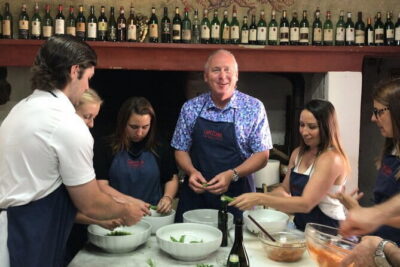
Your experience starts in Eastlake, Seattle, where you meet Brittney at her condo, and the view of Lake Union gives the whole evening a calmer pace than a crowded classroom. You’ll sip a refreshing drink while Brittney shares stories about living in Seattle, which is a nice warm-up before you pick up a knife.
Then you’ll move into her kitchen, described as small but open and contemporary. That matters more than it sounds: in-home kitchens usually keep you close to the action, so you’re more likely to handle real prep and real steps rather than just passing plates around.
This is a private setup, so it’s only your group. That also means the pace can feel more natural, and Brittney can adjust how she explains techniques to match your experience level.
You can also read our reviews of more tours and experiences in Seattle.
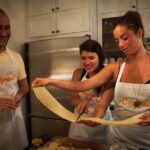
What You Actually Cook: Pacific Northwest Meets Real Techniques
The goal here is Pacific Northwest cooking with a strong focus on ingredients you can recognize and feel good about using. Brittney leans heavily on fresh, local produce and seafood, and she clearly treats seafood sourcing as a core part of the class, not a side note.
During the hands-on portion, you’ll cook for about 1.5 hours, and the class is built around learning the mechanics behind great plates. You’ll cover fish prep and cooking, create a salad or a root vegetable puree, and learn sauce-making techniques that support the main dish.
The best part is that the lesson isn’t just one standout course. You’re building a complete menu—then eating it. That flow helps you connect steps in the kitchen to how the final meal tastes at the table.
Seafood Sourcing and Why It Changes the Meal

Seafood is the headline ingredient in this class, and it’s not random. Brittney’s seafood—ranging from native salmon to black cod and shellfish—is sourced from a local community-supported fishery. The key detail is that it’s described as the only one in Washington, which signals both a specific local relationship and an emphasis on sustainability.
For you, this means the cooking isn’t based on a generic seafood idea. You’re learning how to treat fish properly, season it well, and pair it with sauces and sides that make sense for what’s fresh and available.
Even if you don’t consider yourself a “fish person,” this class is designed to bring you confidence. Fish can feel intimidating, but having a chef guide you through prep and technique makes it much more approachable than a tutorial video.
The Likely Menu Flow (and How It Fits Together)
You’ll cook 3 seasonal dishes during your lesson, and then you’ll sit down for the shared meal. The menu can take inspiration from Mediterranean or Asian flavor directions, but it always aims to celebrate Pacific Northwest ingredients.
Here’s the sample menu structure you can expect in some form:
- Main (fish): furikake and salt-crusted black cod, with a miso carrot puree
- Starter (salad): cabbage and carrot slaw in ginger soy vinaigrette or a lemon spinach quinoa salad
- Starter (bread or grains): brown rice or grilled artisanal bread
- Dessert: apple and blackberry tart or homemade honey lavender almond ice cream
That mix is practical. You get a main protein, a lighter starter with acidity and crunch, a grounding side (rice or bread), and a dessert that isn’t just an afterthought.
Example Menus: How Flexible and Seasonal It Really Is
One of the most useful things about a seasonal menu is that you’re not stuck with the same plate every time. One shared menu example included:
- Sockeye salmon with walnut basil pesto
- Spinach goat cheese salad with lemon vinaigrette
- Za’atar roasted carrots
- Chocolate tahini truffles with pomegranate molasses
Paired with a Willamette Valley Pinot Gris from Oregon.
Another sample menu example points back to furikake and salt-crusted black cod, miso carrot puree, cabbage slaw, and the apple-blackberry tart or honey lavender ice cream.
For you, that means two things:
1) You’re likely to taste flavors that fit what’s fresh and available.
2) You’ll learn techniques that translate even if the exact ingredients shift.
That last point is important. If you want to replicate the meal later, technique beats memorizing one recipe.
Fish, Slaw or Puree, and Sauces: The Hands-On Breakdown
The lesson is structured around a full set of skills, so you don’t just leave with a single “cool trick.”
Fish main
You’ll learn to cook fish, likely including seasoning and crusting methods depending on the day’s main. In the sample menu, furikake and a salt crust show up with black cod, and salmon appears as an alternative option.
Salad or root puree
You’ll also make either a salad or a puree. The class preview includes options like ginger soy vinaigrette slaw or lemon spinach quinoa salad, plus root puree concepts like the miso carrot puree paired with the main. Root sides are a great anchor for Seattle cooking because they work with sauces, and they feel hearty without being heavy.
Sauce-making techniques
This is where you’ll level up the fastest. Sauces are what tie fish, vegetables, and carbs together, and you’ll learn techniques for making them to complement your main dish. Since the class includes multiple courses, you’re practicing how sauce interacts with different elements, not just one garnish.
If you’ve ever thought sauces are too complicated, this class is built to demystify them. You’re doing the work, not just watching someone else do it.
The Table Moment: Eating With the Chef
After the cooking lesson, you sit down to share the meal you prepared with Brittney. This is a big part of the value because you get instant feedback: you can taste what your steps created, then ask questions while it’s all fresh.
Your dinner includes wine or beer with the meal. That takes the event beyond a cooking class and turns it into a true hosted dinner experience—more like being welcomed into someone’s home than attending a workshop.
One more practical benefit: because the menu is seasonal and guided by Pacific Northwest ingredients, the flavors tend to make sense together. You’re not stuck eating random components that don’t belong. It all lands as a cohesive meal.
Price and Value: What You Get for $198
At $198 per person for about 3 hours, the price can look like “premium” at first glance. But the value is in the package: it’s a private class with a chef in her home, plus all fees and taxes, alcoholic beverages, and gratuities.
You’re also paying for sourcing decisions—especially the seafood focus and local community-supported fishery sourcing. Ingredient quality plus chef time usually pushes costs up, whether you cook at home or at a restaurant.
For you, the smartest way to evaluate this is to ask: would I otherwise spend this much for a private chef meal experience plus hands-on learning? If the answer is yes (or even maybe), this is a strong match because you get both the learning and the dining.
Also, the schedule matters. The cooking portion is about 1.5 hours, but the experience is longer because it includes welcome time and the shared meal. You’re not rushing in and out.
Practical Logistics That Matter (No Guesswork Needed)
This is near public transportation, and you meet in Eastlake, Seattle. There’s no hotel pickup or drop-off, so plan to get yourself to the meeting point.
The tour is conducted in English, and you’ll receive confirmation at booking. You’ll also get a mobile ticket.
Because it’s a private activity, your group is the only group participating. That’s useful if you want a calmer setting and more direct guidance while you cook.
If you have dietary needs, Brittney can offer vegetarian and vegan meals on request. You’ll want to advise at booking if you have any dietary restrictions or allergies.
Who This Is Best For (and Who Might Want to Skip It)
This class is ideal if you:
- want a real, hands-on cooking lesson rather than a quick tasting
- enjoy Seattle food culture and want to cook Pacific Northwest seafood and seasonal produce
- like learning sauce techniques and building a full menu
- prefer smaller, in-home experiences with a local host
It may not be your best choice if:
- you want a large-group setting with lots of strangers and energy
- you need frequent downtime or a very spaced-out schedule
- you’re only interested in a single dish and don’t care about eating what you cook
Should You Book Brittney’s Seattle Cooking Class?
I think you should book it if you want a Seattle experience that mixes local ingredients, a chef’s teaching, and an actual shared meal in a home setting. The strongest reasons are the seafood-first approach with local sustainable sourcing, and the fact that you cook multiple courses and then eat them right away.
It’s also a great fit for couples, small friend groups, and food-focused travelers who like learning skills they can reuse later. If you’re the type who remembers a trip by what you cooked, not just what you photographed, this will land well.
If you’re deciding between “take a food tour” and “learn to cook,” this is the option that gives you both confidence and dinner.
FAQ
How long is the private Seattle cooking class?
It lasts about 3 hours total, with roughly 1.5 hours dedicated to hands-on cooking.
What is included in the price?
You get the private cooking class with your host Brittney, all fees and taxes, alcoholic beverages, and gratuities, plus an immersive culinary and cultural experience.
Do you offer hotel pickup and drop-off?
No. Hotel pickup and drop-off are not included, so you’ll need to get yourself to the meeting point.
Where do we meet for the cooking class?
The class starts at Eastlake, Seattle, WA 98102, and it ends back at the same meeting point.
Can the menu be adjusted for vegetarian or vegan diets?
Yes. Brittney can offer vegetarian and vegan meals on request. You should advise at booking if you have dietary restrictions or allergies.
Is this a private experience?
Yes. It’s a private tour/activity, so only your group will participate.
What is the cancellation policy?
Free cancellation is available. You can cancel up to 24 hours in advance for a full refund, based on the experience’s local time.