REVIEW · POKHARA
Pokhara: Nepali Cooking Class and Momo Making Workshop
Book on GetYourGuide →Operated by My Dream Adventure · Bookable on GetYourGuide
Momo-making turns Pokhara into your own kitchen. I really like the hands-on format, and I also enjoy cooking alongside a local Aama in a true home-style kitchen. You don’t just watch food being made; you learn why ingredients matter and how Nepali technique works in practice.
Two details that make this class feel genuinely worthwhile: you get a market-style ingredient plan (so you learn what to buy and why), and you finish with a full meal that you helped create. The main thing to consider is timing and allergies: it’s a busy 3-hour session and the class is not suitable for food allergies.
In This Review
- Key moments to look for
- Momo and Dal Bhat in Pokhara: Why This Workshop Feels Personal
- Hotel pickup and the 3-hour rhythm that actually works
- Market shopping for vegetables, spices, and meat (and why it’s not optional)
- The Aama-led home kitchen: where the technique becomes clear
- Your menu choice: dal bhat set or momo dumplings
- Dal bhat: rice, lentil soup, and the comfort of balance
- Momo: dumplings with chicken or vegetarian fillings
- Masala tea and the tasting moment: you eat what you make
- Small-group teaching: patient, practical, and easy to ask questions
- Price and value: what $42 really buys you in Pokhara
- Who this is best for (and who should choose something else)
- Practical tips before you go
- Should you book this Nepali Cooking Class and Momo Workshop?
- FAQ
- How long is the cooking class in Pokhara?
- What’s included in the price?
- Do I need to be an experienced cook?
- Is pickup included?
- Is the class wheelchair accessible?
- What should I bring, and are there any restrictions?
Key moments to look for
- Small-group coaching (up to 8 people) so questions don’t get lost
- Hotel pickup and drop-off in Pokhara, with a name card
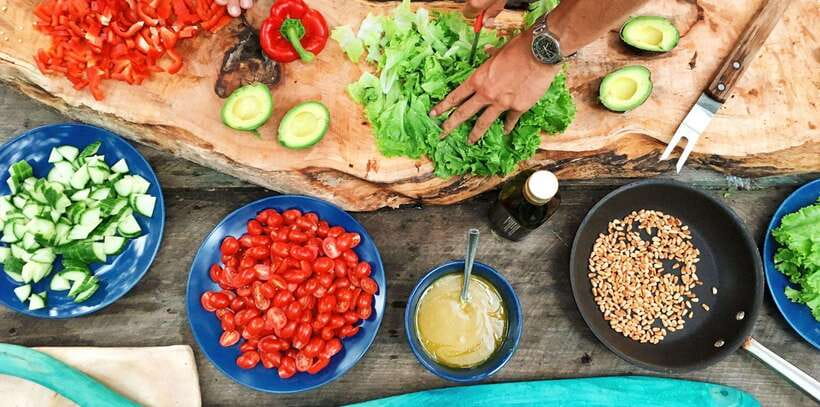
- Market shopping for vegetables, spices, and meat before you cook
- Dal bhat or momo options (vegetarian or chicken fillings for momos)
- Masala tea during the lesson and a meal at the end
- Personal touches from the family setup, like completion certificates, in some sessions
Momo and Dal Bhat in Pokhara: Why This Workshop Feels Personal
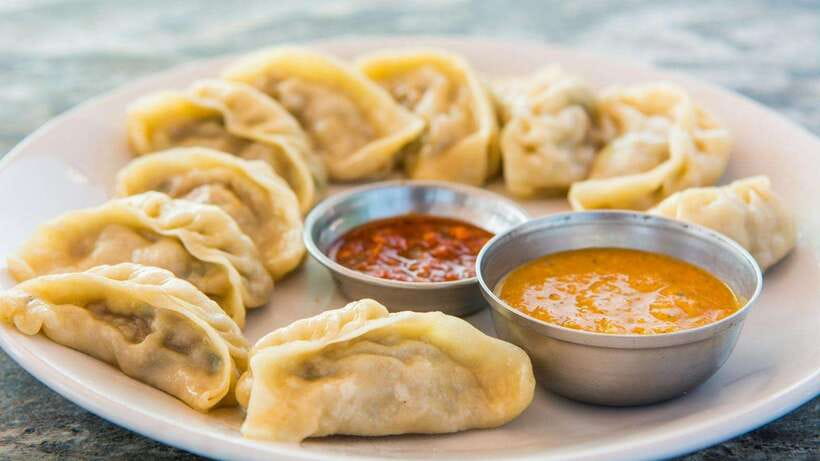
If you want Pokhara to taste like Nepal, this is one of the most direct ways to get there. You’ll be in a home kitchen setting with an English-speaking instructor (the local Aama chef instructor leads the cooking), and the pace is geared toward getting you comfortable with real Nepali food technique.
What I like most is that the class treats cooking as culture, not just recipes. You learn about the roles of lentils, rice, dumpling fillings, spices, and cooking rhythms that Nepali cooks use day to day. That makes it easier to recreate the flavors later at home, because you understand what each step is trying to achieve.
You can also read our reviews of more tours and experiences in Pokhara.

Hotel pickup and the 3-hour rhythm that actually works
This is a tight, efficient experience: about 3 hours from pickup to drop-off in Pokhara. It’s long enough to shop, cook, and eat, but short enough that you won’t lose a half-day to logistics.
Pickup is included, and you’ll be picked up from your hotel with a name card. That matters in Pokhara, where it’s easy to spend time finding the right starting point. The class also keeps the group small (limited to 8), which helps the instructors stay patient with beginners and still move at a good tempo for experienced cooks.
A practical consideration: you’ll be on your feet and handling ingredients. Wear comfortable clothes and shoes you can cook in, and bring a camera if you want to remember the setup and your finished dishes.
Market shopping for vegetables, spices, and meat (and why it’s not optional)
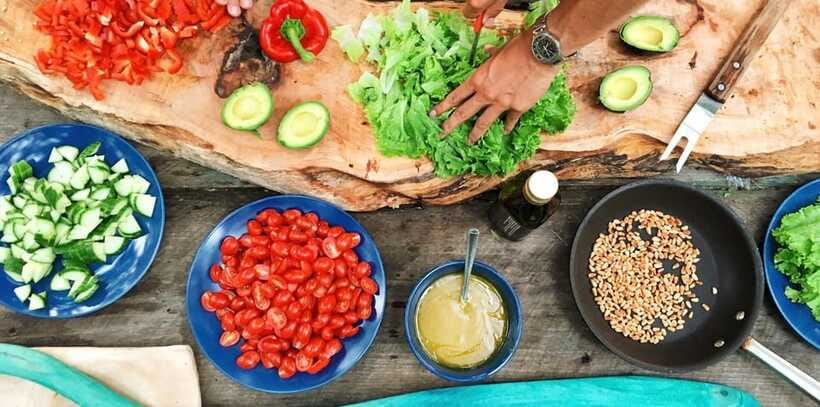
One of the most valuable parts of this class is the ingredient selection element. Before cooking, you’ll choose vegetables, spices, and meat for the meal. Even if you’re a decent cook, this can be a wake-up call, because the “what” (the ingredient) often matters as much as the “how” (the method).
Nepali cooking is built on spice character and balance. By choosing ingredients with the instructor, you learn what each person’s kitchen expects as a baseline. That gives you a clearer shopping target if you try to cook again later, instead of guessing your way through a spice drawer at home.
The Aama-led home kitchen: where the technique becomes clear
You’ll step into a traditional Nepali kitchen and you’ll quickly notice the smell of spices and the warmth of the family-style setup. The instruction is step-by-step, and that’s the sweet spot if you’re new. The goal isn’t to overwhelm you with jargon—it’s to guide your hands through each stage so the food turns out well.
This is also where you learn cultural significance along with technique. You’ll cover iconic dishes such as momo and dal bhat, plus additional flavorful curries. That context helps you understand why a dish is built the way it is, rather than treating it like an isolated recipe.
Your menu choice: dal bhat set or momo dumplings
You’ll typically get to choose between a classic dal bhat route or a momo route.
Dal bhat: rice, lentil soup, and the comfort of balance
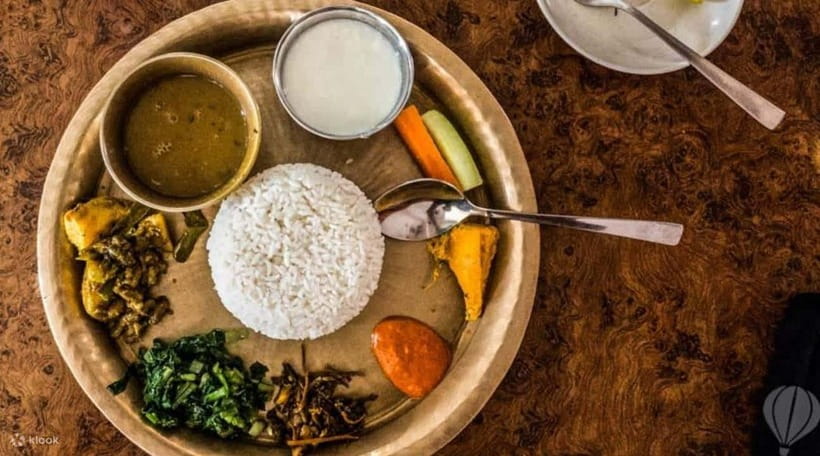
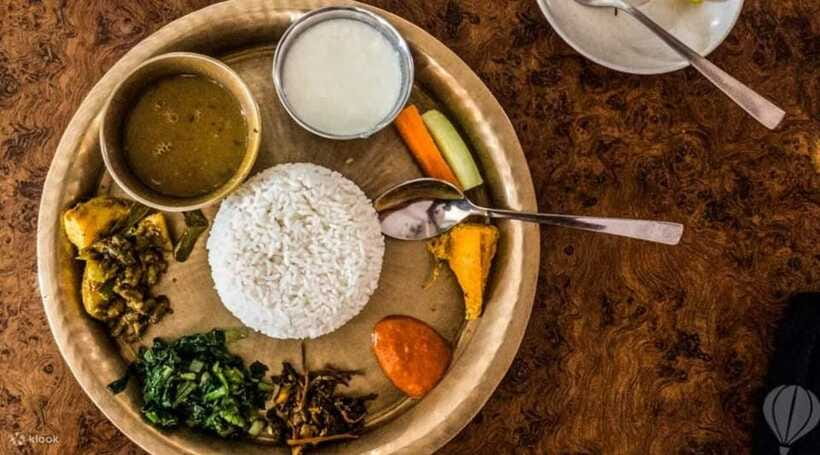
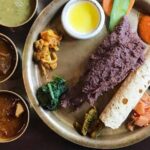
Dal bhat is a quintessential Nepali dining set: rice paired with lentil soup and curry elements. The value here is learning how lentils create body and depth, and how rice fits into the whole eating rhythm. Even if you’ve made dal before, you’ll likely pick up small technique differences that affect texture and flavor.
Momo: dumplings with chicken or vegetarian fillings
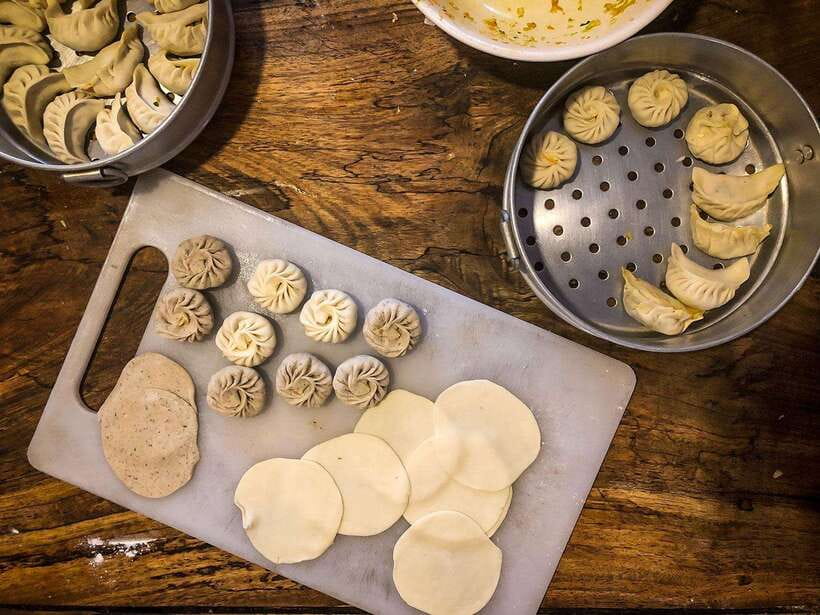
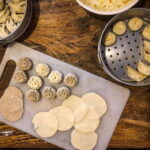
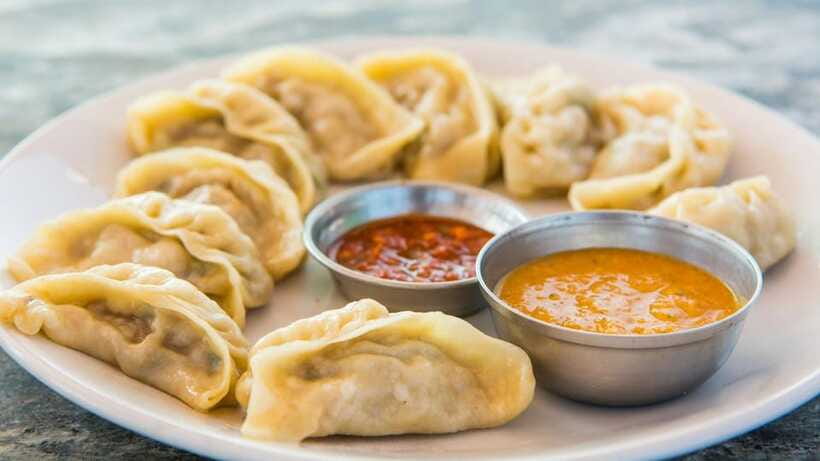
Momos are the other big draw, and this workshop teaches you to make them. You’ll be able to choose either chicken or vegetarian fillings, and you’ll learn the Dumpling process as a craft—filling, shaping, and cooking method.
A strong tip for momo success: focus on consistency. When filling texture is right, shaping becomes easier and the end result tastes more even. The instructors’ patience helps here, especially if it’s your first time folding dumplings.
Masala tea and the tasting moment: you eat what you make
In many cooking classes, tasting feels like an afterthought. Here, tasting is built in. You’ll have a session to taste what you prepared, and you’ll also enjoy a meal of the prepared dishes.
That matters because Nepali food is about harmony. Rice and lentil soup, dumplings and sauces, spices and comfort—when you taste immediately after cooking, you learn how the flavors are meant to come together. It’s also the moment where you understand whether your spice choices and cooking steps landed well.
You’ll also get Nepali masala tea during the lesson. It’s an easy cultural add-on, and it also helps you take a proper break without rushing the cooking flow.
Small-group teaching: patient, practical, and easy to ask questions
With a maximum of 8 participants, the class stays interactive. You’ll usually get time to ask questions, and that can be the difference between leaving with a dish you can repeat and leaving with only a photo of a finished plate.
The teaching style is hands-on and patient. In the sessions I’ve seen through the program’s reputation, the family setup tends to make people feel at home—something that really helps if you’re nervous about cooking or don’t know the ingredients yet. In some classes, extra personal touches have included printed completion certificates and small welcome gestures like tika, plus scarves offered during the experience.
Even if you’re just coming for momo or dal bhat, that kind of warm atmosphere makes the cooking lesson feel like part of Pokhara life instead of a staged performance.
Price and value: what $42 really buys you in Pokhara
At $42 per person for about 3 hours, the price only feels fair if you look at what’s included—and here, the inclusions are the point.
You’re getting:
- Hotel pickup and drop-off
- The Aama chef instructor and step-by-step teaching
- Ingredients and equipment
- A hands-on cooking experience
- Tasting and a meal
- Nepali masala tea
- An English-speaking instructor
Many food experiences in tourist areas charge more for fewer pieces of the process. Here, a big chunk of value comes from the fact that you’re not just tasting Nepali dishes—you’re learning to buy ingredients, cook them, and eat them as a complete set. That makes the cost easier to justify, especially if you’re not planning to spend a similar amount on multiple meals plus a cooking tour.
Who this is best for (and who should choose something else)
This workshop is a great fit if you:
- Want a hands-on cultural experience in Pokhara
- Prefer learning from a home-kitchen setup rather than a commercial demo
- Are traveling as a small group or as a solo traveler who likes conversation
- Cook at home and want technique, not just a recipe list
It’s also suitable for beginners and experienced cooks. The structure is friendly for first-timers, but the ingredients and techniques give seasoned cooks enough to work with too.
Skip it if:
- You have food allergies. The activity is explicitly not suitable for people with allergies.
- You dislike structured cooking tasks. You’ll be chopping, mixing, shaping, and cooking within the 3-hour window.
Practical tips before you go
A few small choices can make your class easier and more fun.
- Wear comfortable clothes and shoes you can move in.
- Bring a camera if you want photos of the kitchen, ingredients, and finished dishes.
- If you have dietary restrictions (not the same as allergies), inform the instructors in advance so they can plan the meal selection.
- Don’t smoke indoors.
Also, plan your day around the 3-hour block. With pickup and drop-off included, you can schedule it as a main activity without worrying about finding the starting point at the last minute.
Should you book this Nepali Cooking Class and Momo Workshop?
Book it if you want the most “hands-on Nepal” experience for your time in Pokhara. The combination of market ingredient selection, home-kitchen instruction from the Aama chef instructor, and a proper meal afterward is exactly what turns this into more than a casual cooking demo.
Don’t book it if food allergies are in your situation, or if you’re looking for a low-effort, sit-and-watch experience. This is made for people who want to get their hands dirty and learn how the dishes come together.
If you’re torn between dal bhat and momo, choose the dish that matches your cooking curiosity. Dal bhat teaches balance and comfort at the everyday level. Momo teaches hands-on craftsmanship and folding skills you can repeat later.
FAQ
How long is the cooking class in Pokhara?
The workshop lasts 3 hours.
What’s included in the price?
Hotel pickup and drop-off, a local house kitchen head (Aama chef instructor), step-by-step cooking instructions, all ingredients and equipment, hands-on cooking, tasting, Nepali masala tea during the lesson, and a meal of the prepared dishes are included.
Do I need to be an experienced cook?
No. The class is suitable for both beginners and experienced cooks.
Is pickup included?
Yes. They pick you up from your hotel using a name card and return you afterward.
Is the class wheelchair accessible?
Yes, it’s listed as wheelchair accessible.
What should I bring, and are there any restrictions?
Bring comfortable clothes and shoes for cooking, plus a camera if you want photos. Smoking indoors is not allowed. The class is not suitable for people with food allergies.