REVIEW · RIO DE JANEIRO
Rio de Janeiro: Brazilian Cooking Class with Hotel Pickup
Book on GetYourGuide →Operated by Rio Carioca Tours & Service · Bookable on GetYourGuide
One great way to understand Rio is through food. This hands-on class in Copacabana pairs hotel pickup with a guided kitchen session where you’ll cook either feijoada or seafood moqueca and learn why each dish matters in Brazil. You’ll also make classic side dishes and mix traditional drinks, so the lesson turns into dinner.
My favorite parts are the teacher-led flow and the way the chef explains the choices behind the food. The main consideration: timing can run long in high season because of city traffic, so I’d plan a flexible afternoon around the 4-hour window.
In This Review
- Key highlights you’ll feel right away
- Hotel Pickup to the Kitchen: How the 4 Hours Start
- Choosing Feijoada or Seafood Moqueca: The Fork in the Flavor Road
- Feijoada (black bean stew with pork)
- Seafood moqueca (fish stew with coconut milk)
- The Sides Are Where You Learn the Tricks
- Coalho cheese with pepper jelly
- Sausage with onion flambéed in cachaça
- Brigadeiro
- Drinking Like a Local: Caipirinha and Coconut Shake
- Caipirinha
- Coconut shake
- The Chef’s Teaching Style: Why the Culture Talk Is Part of the Meal
- What the Dinner Feels Like at the End
- Price and Value: What $117 Buys You in Real Life
- Logistics That Matter: Pickup Zones, Extra Pickup Fees, and Knives
- Should You Book This Cooking Class?
- FAQ
- What dish do I choose for the main course?
- Is hotel pickup included?
- Where are the pickups available, and is there an extra fee for some areas?
- How long is the class?
- What languages are the instructor/chef?
- Are drinks and dessert included?
Key highlights you’ll feel right away
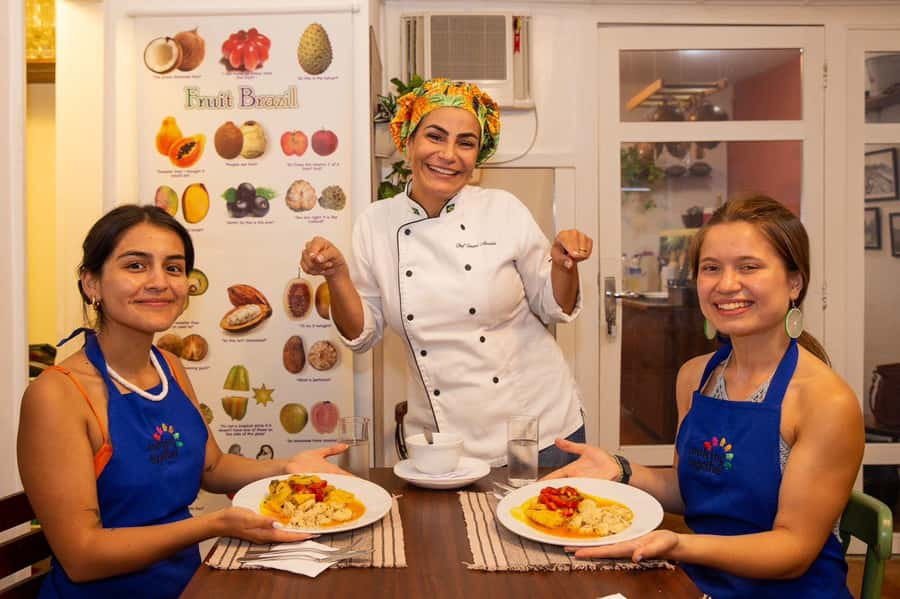
- Two main-course choices: feijoada (black bean stew) or seafood moqueca (fish stew with coconut milk)
- Hands-on side dishes like coalho cheese with pepper jelly and brigadeiro
- Brazilian drinks you mix yourself: caipirinha and a coconut shake
- Chef-led culture talk before you cook, not after you’re full
- Round-trip hotel transfer from many nearby areas and the cruise port
- Sometimes private pairs can happen, depending on booking
Hotel Pickup to the Kitchen: How the 4 Hours Start
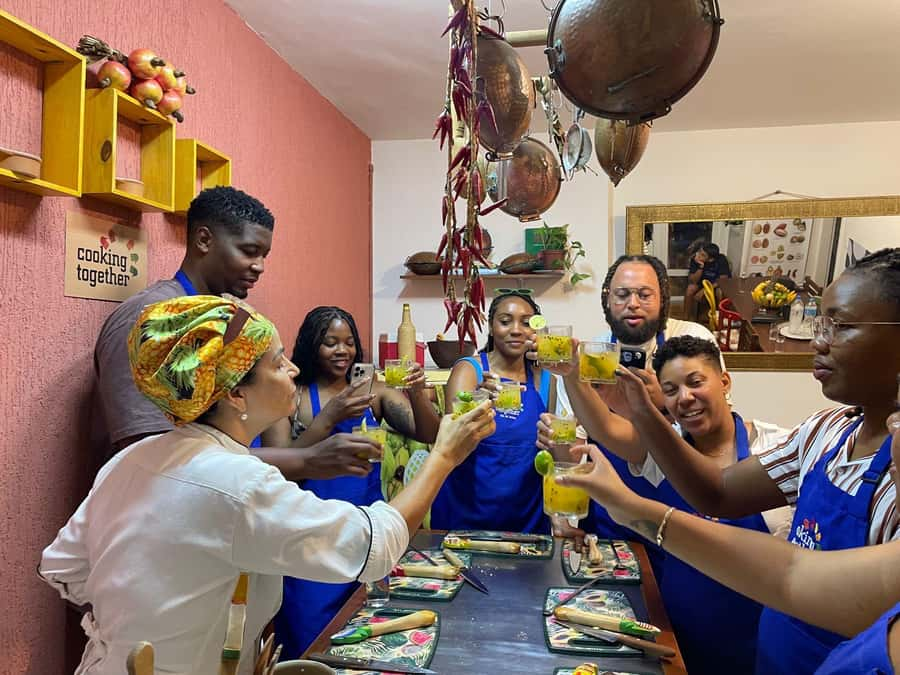
The experience is built for convenience. You’re picked up in the afternoon from many hotel areas—Leblon, Ipanema, Copacabana, Leme, Botafogo, Flamengo, and Centro are covered—plus the cruise port. That matters in Rio because getting around without stress is half the win. You don’t have to figure out streets, parking, or transport timing; you just show up.
You’ll be transferred to the chef’s kitchen, where the pace becomes clear fast: this is not a watch-and-photos situation. It’s hands-on from the start. Once you arrive, the chef introduces the plan and what you’ll cook, and then you get to work.
If you’re the type who always wants to bring order to chaos—bring a small notebook or save a couple notes in your phone. The chef shares tips on ingredient selection and how to approach the dishes. Those details are useful after the class when you try to recreate the flavors at home.
One more practical note: in high season, traffic can stretch things out. The class is listed at 4 hours, but if Rio is slow, your pickup and return can take longer. I’d avoid booking a tight reservation right after.
You can also read our reviews of more tours and experiences in Rio De Janeiro.

Choosing Feijoada or Seafood Moqueca: The Fork in the Flavor Road
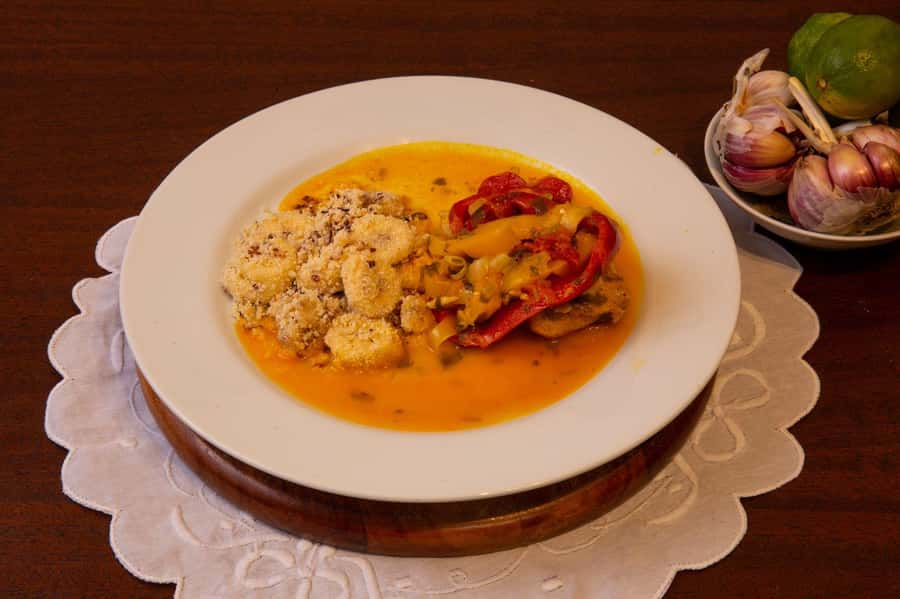
Before cooking begins, you choose one main dish. That choice shapes what you’ll learn, what flavors you’ll chase, and even the rhythm of the meal.
Feijoada (black bean stew with pork)
Feijoada is a hearty Brazilian classic built around black beans and pork. What you’ll likely focus on is how to build depth and balance—salty, savory, and slow-cooked comfort. It’s the kind of dish where timing and ingredient quality matter, because the payoff is in the final texture and flavor blend.
Seafood moqueca (fish stew with coconut milk)
If you pick seafood moqueca, you’re going to spend more time in the world of coconut milk richness and seafood-forward seasoning. The flavor goal is different: you’re aiming for warmth and creaminess, while keeping the fish tender and not overcooked.
The best part of making the choice in advance is that the chef can tailor the prep flow for your menu. You’re not just picking what sounds good—you’re choosing which Brazilian flavor logic you’ll practice.
The Sides Are Where You Learn the Tricks
The main dish is the headline, but the class teaches you how Brazilian cooking builds a meal. That’s why the sides and dessert matter so much. They’re also the dishes you can recreate later with less effort than a full main-course stew.
Here are some of the hands-on items included in the menu:
Coalho cheese with pepper jelly
This is one of those combos that feels simple, but it’s really about temperature and contrast. You learn how to handle the cheese so it turns out properly, then pair it with pepper jelly for sweet-heat balance. Even if you don’t cook much at home, you’ll take away a practical serving idea that works beyond Rio.
Sausage with onion flambéed in cachaça
This is where the class gets fun. Flambé is showy, but it’s also instructional: you get to see how alcohol like cachaça adds aroma and depth when used carefully. If you’ve never cooked with flambé before, you’ll learn the basics from the chef in a safe, guided way.
Brigadeiro
Brigadeiro is a beloved Brazilian dessert. The lesson here is less about complicated techniques and more about consistency—getting the texture right as it thickens. It’s also the sort of sweet that helps you end the meal on a high note, not just with sugar, but with that classic Brazilian comfort feeling.
One small heads-up: the listing notes that dessert isn’t included, yet brigadeiro is specifically listed as part of the cooking highlights and what you’ll make. Plan like this: eat the dessert you make in the class, and if you want extra sweets beyond the menu, that’s where you should budget separately. That keeps you from getting surprised.
Drinking Like a Local: Caipirinha and Coconut Shake
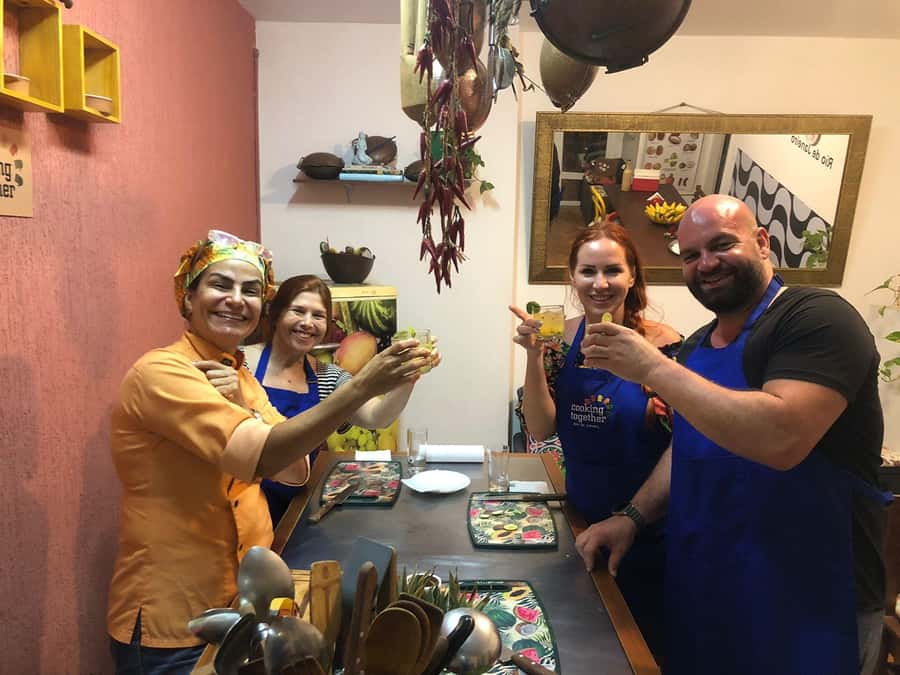
After the cooking work, you’ll mix and taste traditional drinks. This is practical, not just a party add-on. When you make a drink yourself, you understand how Brazil balances bite, sweetness, and freshness.
Caipirinha
You’ll mix a classic caipirinha. Expect the core idea to be straightforward but not careless: lime, sugar, and the right handling are what turn it from okay to truly good. If you’ve ever had caipirinhas in a bar and wondered why they taste different, this is how you figure out the reason.
Coconut shake
You’ll also make a refreshing coconut shake. It’s a nice counterpoint to the heavier food. If you’re cooking a pork-based feijoada, the coconut drink can feel like a reset. If you’re cooking seafood moqueca, it adds a creamy sweetness that matches the coconut milk theme.
Important practical point: additional drinks are not included. So treat the drinks you mix during class as part of the included experience, but if you want extra alcohol or more non-alcohol drinks after, you’ll likely pay on your own.
The Chef’s Teaching Style: Why the Culture Talk Is Part of the Meal
What makes this experience more than just “cook and eat” is the chef’s explanations. You get stories and the cultural significance of the dishes before you start cooking. That helps you understand the dish instead of just memorizing steps.
In particular, you might learn from chefs mentioned in past sessions such as Carina or Simone. What stands out from their teaching approach is clear: they’re engaging, patient, and they connect flavor choices to meaning. You get ingredient advice too, including tips on selecting produce.
That cultural context matters for two reasons:
- It makes the meal feel like Rio, not like a generic cooking class.
- It helps you replicate the food later, because you’ll know the why behind the how.
And if you’re a beginner, that’s a relief. The class is set up for all skill levels. You’ll still do real work at the stove, but the chef keeps it understandable.
What the Dinner Feels Like at the End
Once the cooking is done, you sit down and eat. This is one of my favorite ways to learn because the meal becomes the proof. You don’t leave with only recipes and photos; you leave with a full understanding of how it should taste.
The class also sets a convivial tone. You’ll share the table with fellow participants, and conversation comes naturally because you’ve all cooked the same dishes. If you went in alone, it’s a comfortable way to meet people without awkward small talk.
Also, because your class ends with the meal, you’re not racing through dinner logistics. You eat first, then you get transported back to your hotel.
Price and Value: What $117 Buys You in Real Life
At $117 per person for a 4-hour experience with round-trip transfer, you’re paying for three things at once: instruction, ingredients, and logistics.
Here’s how I’d judge the value:
- You’re getting real teaching time with a chef guiding you through cooking, not just watching.
- Ingredients are included, which lowers the risk of feeling like you paid for labor only.
- Hotel pickup and return transfer remove a major hassle in Rio. Transport costs time and energy, even if you can technically figure it out on your own.
Compared to a hands-on class without pickup, this feels easier to justify. You’re also not stuck paying for extra food—you’re eating what you cook.
The one value “watch-out” is traffic in high season. If your afternoon gets stretched, you’re still eating well, but you might feel the time pressure more if you planned other activities.
Logistics That Matter: Pickup Zones, Extra Pickup Fees, and Knives
This class is designed to work smoothly if you’re staying in common Rio areas. Pickup is included from many hotels in Leblon, Ipanema, Copacabana, Leme, Botafogo, Flamengo, and Centro, plus the cruise port.
Two extras you should know:
- Pickup in Barra da Tijuca/Recreio dos Bandeirantes has an additional 10 USD or 40 BRL per person.
- If you want your own tools, you can bring your own set of knives.
Accessibility note is included too: if you have reduced mobility or use a wheelchair, notify in advance. An adapted vehicle has an additional 100 USD or 500 BRL.
If you want the smoothest experience, send your hotel location and your pickup timing confirmation early. That avoids last-minute confusion and helps the driver line you up correctly.
Should You Book This Cooking Class?
I’d book it if you want a genuine Rio food lesson in a format that’s practical and time-friendly. It’s a great choice for couples and solo visitors who like guided cooking, and it works well even if you’re not a confident home cook. You’ll come away with dishes you can actually repeat: feijoada or seafood moqueca, plus sides like coalho cheese with pepper jelly and brigadeiro, and drink skills for caipirinha and coconut shake.
Skip it or think twice if you’re trying to pack your afternoon tightly in high season, because traffic may stretch the experience beyond the listed 4 hours. Also consider whether you enjoy hands-on kitchen work; if you mainly prefer watching, this won’t feel like the right fit.
If you like learning through cooking—taste, texture, and technique—then this is a strong use of time in Rio.
FAQ
What dish do I choose for the main course?
You choose between feijoada (black bean stew with pork) or seafood moqueca (fish stew with coconut milk) before the class begins.
Is hotel pickup included?
Yes. Round-trip transfer is included from most hotels in Leblon, Ipanema, Copacabana, Leme, Botafogo, Flamengo and Centro areas, or from the cruise port.
Where are the pickups available, and is there an extra fee for some areas?
Pickup is included for the areas listed above. Barra da Tijuca and Recreio dos Bandeirantes pickup has an additional charge of 10 USD or 40 BRL per person.
How long is the class?
The experience lasts 4 hours, with available starting times depending on your date.
What languages are the instructor/chef?
The instructor can teach in Portuguese, Spanish, and English.
Are drinks and dessert included?
During the class, you’ll mix and taste traditional drinks like caipirinha and a coconut shake, and you’ll eat the dishes you prepare. The listing also notes that additional drinks and dessert are not included, so plan on the included items made in the class and budget for anything extra.