REVIEW · BRINDISI
Apulian cooking class and typical dinner
Book on Viator →Operated by Vigna il Castagno · Bookable on Viator
Cooking with family beats a museum tour. I like how this class is truly hands-on, with you shaping your own orecchiette and focaccia (not just watching), and I also love the vineyard aperitif with the farm’s own wines followed by an open sunset meal. The one thing to consider is that it is an active, cooking-centered afternoon—if you want a relaxed sit-and-sample experience, you may find the prep work a bit hands-on for your style.
You start with a small-group feel (max 24) and an English-speaking guide, and you’ll move through several parts of the property and dinner flow in about five hours. The setting matters here: trulli in the background, natural farm surroundings, and a dinner that keeps you at the table long enough to actually enjoy what you helped make.
One more note before you go: the meeting point is in Martina Franca (Strada Noci, 315 Bis), and the tour includes a stop at I Trulli di Alberobello, a World Heritage site. So you’re pairing food with a genuine sense of place, not just repeating restaurant dishes.
In This Review
- Key things to know before you go
- Arriving at Vigna il Castagno: small group, big appetite
- Trulli di Alberobello and the vineyard aperitif
- Getting your hands dirty with orecchiette and more
- Focaccia, bread, and the wood-fired oven moment
- Beyond pasta: broad beans, seasonal starters, and sugared almonds
- Sunset dinner: where the group becomes the point
- Price and value: is $113.18 worth it?
- Who this experience suits best (and who should think twice)
- Booking advice: should you choose this Apulian class?
- FAQ
- FAQ
- How long is the Apulian cooking class dinner experience?
- Where do you meet and where does the tour end?
- Is the tour offered in English?
- How big is the group?
- What food and drinks are included?
- Can I cancel for a full refund?
Key things to know before you go
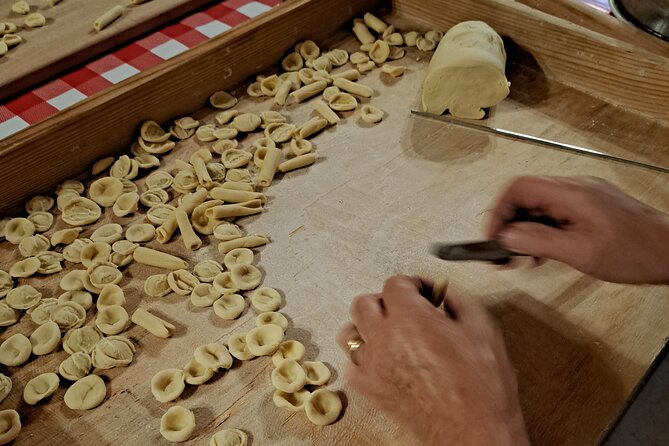
- You’ll cook, not just taste: make your own orecchiette, focaccia, and chops.
- Wood-fired oven time: you’ll turn it on and use it as part of the process.
- Farm-to-table feel: you’ll harvest from the family garden and use seasonal products.
- Wine aperitif included: you’ll try the wines the farm produces.
- Trulli stop on the way: you’ll visit I Trulli di Alberobello (World Heritage site).
- Sunset dinner with freshly baked focaccia: the meal is part of the experience, not an afterthought.
Arriving at Vigna il Castagno: small group, big appetite
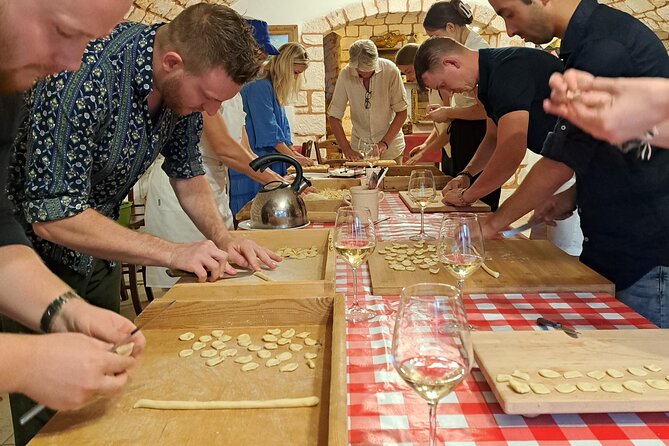
This is an Apulian cooking afternoon built around a working farm atmosphere, run by Vigna il Castagno. You’ll meet at Trulli il Castagno, Strada Noci, 315 Bis, 74015 Martina Franca TA, Italy, and the experience ends back at the same meeting point. It runs about five hours, so plan your day around one full block rather than trying to squeeze in other plans after.
The group is capped at 24 travelers, which makes a difference for classes. You’re not lost in the crowd—you get a real chance to work with dough, bread, and sauces. The tour is offered in English, and you’ll receive a mobile ticket, which is handy if you’re trying to keep your travel paperwork simple.
The star of the welcome is mother Beatrice, born and raised locally. That family-led vibe shows up in the way the day is paced: you’re learning techniques and ingredients, but you’re also being treated as part of the group that will eat together at the end.
You can also read our reviews of more tours and experiences in Brindisi.
Trulli di Alberobello and the vineyard aperitif
The day starts with a cultural and visual jolt: a visit to I Trulli di Alberobello, which is a World Heritage site. Even if you’ve seen trulli photos before, seeing them in person changes the tone of your day. It puts you in Apulia for real—before you even touch the ingredients.
Then you move into the farm side of things. You’ll take a vineyard tour, and there’s also a focus on the garden. The day includes a harvest from the family garden, which is a smart way to connect the food you’re making with what’s growing right now.
Next comes the apéritif: you’ll enjoy wines the farm produces, as you settle into the evening rhythm. This is one of those parts that’s easy to overlook when you’re booking a cooking class, but it matters. The wine and vineyard context helps you understand the whole meal as something local, not just a ticketed activity.
Getting your hands dirty with orecchiette and more
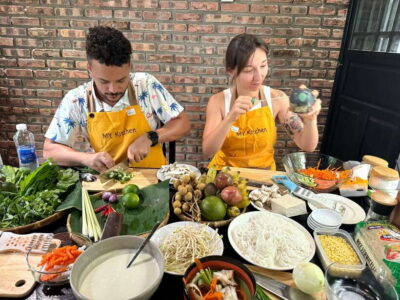
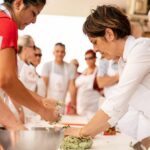
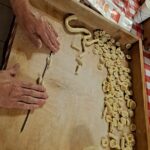
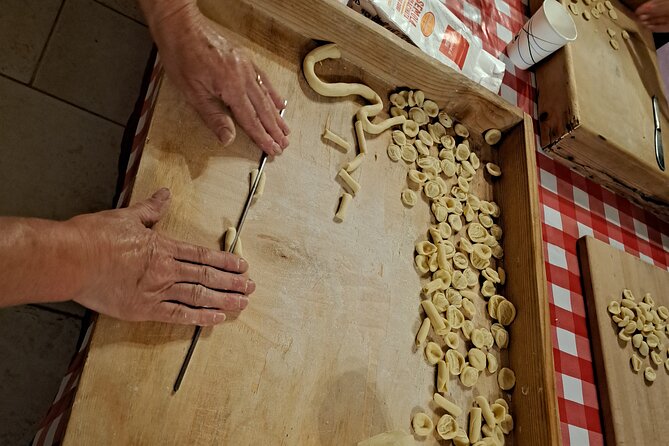
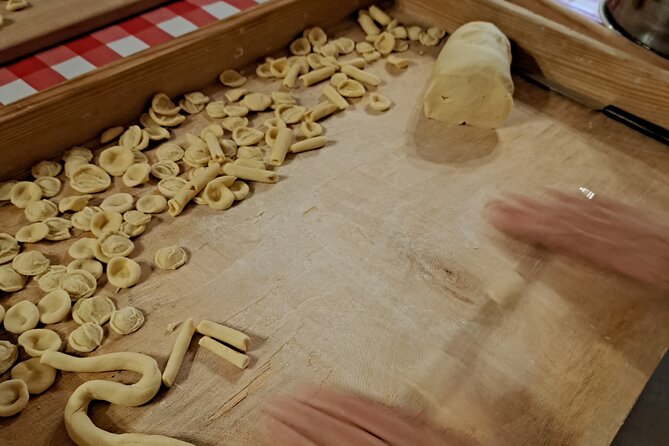
The cooking lesson centers on classic Apulian pasta shapes, with a practical mix of making and learning. The highlight for most people is that you’ll make your own orecchiette—the course shapes the dough, guides you through the steps, and then you leave with that hands-on memory.
You’ll also prepare other pasta types as part of the lesson: cavatelli, pappardelle, and strascinate. In addition, you’ll work with other Apulian references—i fricid and a sagn—noted as pasta preparation. You won’t just be doing one repetitive task for hours; the format gives you variety in both technique and final shapes.
Here’s why that variety is worth it for you: if you’ve ever taken a cooking class where you repeat the same movement until dinner feels like homework, this one is different. You get multiple pasta styles in the learning mix, and you can usually follow along even if you have limited cooking background.
And since the day is family-run, the atmosphere tends to feel informal and encouraging. That matters when the dough gets stubborn or your first attempt looks nothing like the teacher’s—because the goal is doing it, not performing it.
Focaccia, bread, and the wood-fired oven moment
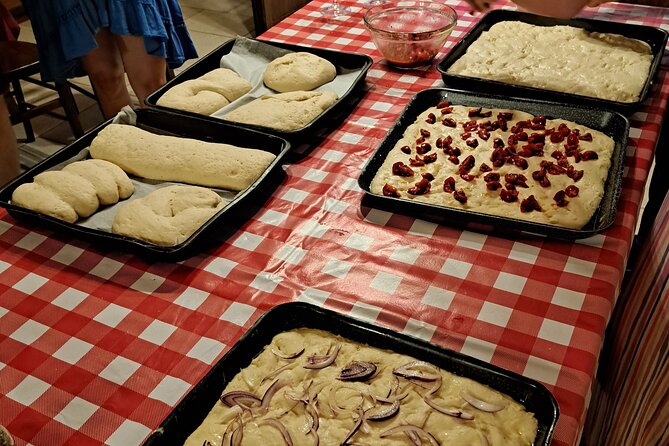
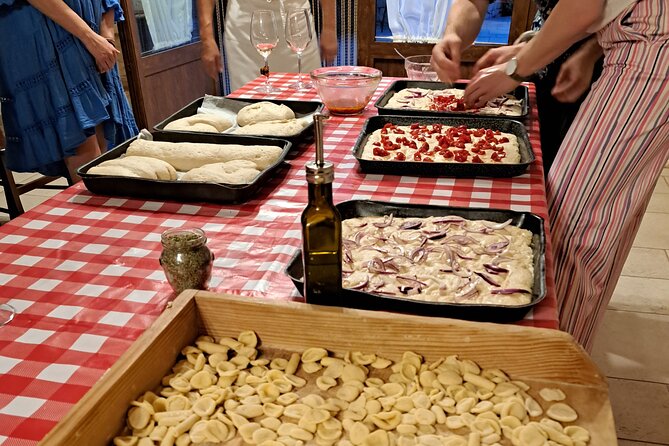
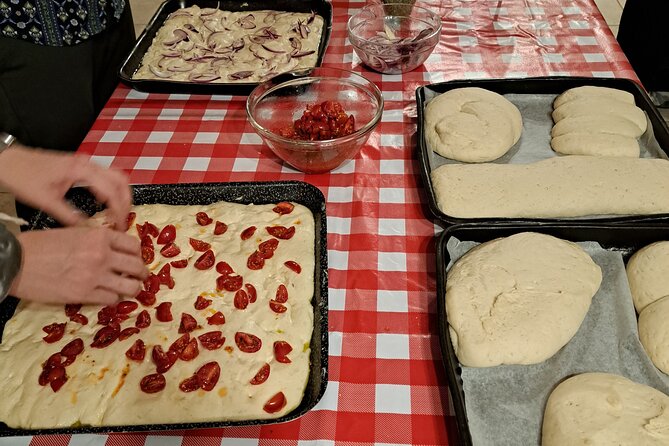
If your favorite part of a food trip is the smell of bread and heat, this section is for you. The class includes making bread and focaccia with tomato and onion, plus another key job: you’ll make focaccia yourself.
The day doesn’t treat the oven like a magical background prop. You’ll turn on and use the wood-fired oven, which makes the cooking feel more real and less staged. You’re learning how heat works in a wood-fired setting, even if you’re not a professional baker.
And yes, the timing is built for payoff. Later, the dinner includes freshly baked focaccia, so what you learned earlier comes back at the table. That connection is satisfying: you can taste the difference between dough that sat and dough that cooked in the right moment.
Beyond pasta: broad beans, seasonal starters, and sugared almonds
A solid cooking class needs more than one highlight dish, and this one spreads the work across the meal.
You’ll start with starters such as focaccia from Bari with tomato or onion, broad bean purée, and seasonal products. Then you move into the main course portion, which includes Apulian brasciole style cooking: apulian brasciole cooked in tomato sauce. Even though the class is pasta-focused, the meal’s center stays Apulian and hearty.
Finally, there’s dessert: sugared almonds. This is a clean wrap-up to a long, active food session—sweet enough to feel celebratory, not so heavy that you can’t enjoy the last bites after dinner.
One practical takeaway for you: the menu is traditional and meat-included, so if you’re strictly vegetarian or have dietary restrictions, you’ll want to check what can be adapted. The tour data doesn’t spell out substitutions, so treat it as a default menu designed around classic Apulian flavors.
Sunset dinner: where the group becomes the point
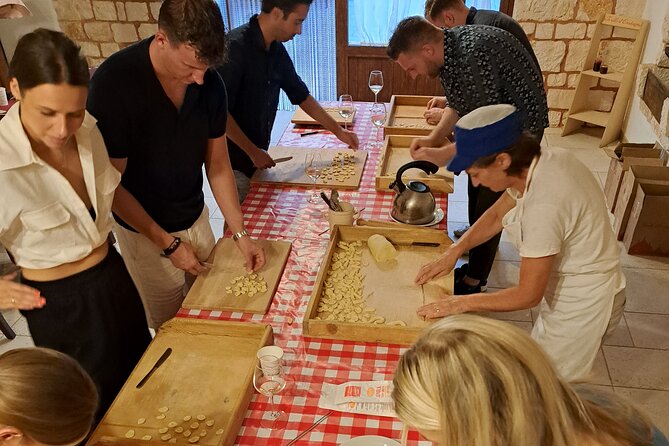
After all the cooking work, you finish with an open sunset dinner and freshly baked focaccia. This is where the experience earns its reputation as more than a cooking workshop.
The setting helps: trulli and natural surroundings create a slow, outdoor evening pace. You’re also eating the results of your own labor, which makes the whole meal feel like one continuous event instead of a sequence of disconnected courses.
In fact, the day is described as a time to live, cook, and eat like a true Apulian. That might sound like marketing language, but you feel it in how the dinner is set up: it’s informal, communal, and focused on sharing the table.
If you’re the type who enjoys travel for people as much as places, this format tends to work well. You’re not just passing through; you’re cooking side-by-side and then slowing down together.
Price and value: is $113.18 worth it?
At $113.18 per person, you’re paying for a full afternoon that includes a lot of built-in components:
- A World Heritage stop at I Trulli di Alberobello
- Vineyard tour plus a wine aperitif
- Hands-on cooking (you’ll make orecchiette, focaccia, and chops)
- Wood-fired oven use
- A full set of food courses (multiple starters, a main with tomato-sauce brasciole, and dessert)
- A small group size (max 24) and English service
Many single-dish cooking classes don’t include a vineyard visit or wine tasting, and many food tours that include wine don’t give you real kitchen time. Here, you’re getting both the farm context and the kitchen practice. For me, that’s the real value: you don’t just eat Apulia—you also learn how the pieces come together.
Time cost is part of the value too. At about five hours, you’re committing, but you’re not sacrificing other meals across multiple days. For a food trip in this region, it can feel like one of the most “worth it” evenings you can plan.
Who this experience suits best (and who should think twice)
This works best if you:
- Love hands-on cooking and want to leave with skills you can repeat at home.
- Want wine and farm food rather than a purely restaurant-style meal.
- Enjoy a small-group setting where you’re active, not passive.
- Like combining a food night with a real local sightseeing moment (trulli).
Think twice if you:
- Want a low-energy tour with mostly sitting and sampling.
- Need strictly vegetarian meals or have food needs beyond what’s stated (the menu includes broad bean purée and brasciole, so you may want to confirm options).
- Don’t like cooking with heat and dough. You will use the oven and do actual prep work.
Booking advice: should you choose this Apulian class?
I’d book this if your ideal evening includes a farm welcome, real ingredients, and a meal you helped make—finished with freshly baked focaccia at sunset. The mix of trulli visit, vineyard tour, and wine aperitif makes it more than a cooking class with a meal tacked on.
If you mainly want a quick tasting tour or you’re hoping for a mostly observational experience, you might feel like you’re working too hard for the time. But if you like getting involved, this is exactly the kind of evening that turns into a lasting memory, not just dinner.
FAQ
FAQ
How long is the Apulian cooking class dinner experience?
It runs for about 5 hours.
Where do you meet and where does the tour end?
You start at Trulli il Castagno, Strada Noci, 315 Bis, 74015 Martina Franca TA, Italy, and the experience ends back at the same meeting point.
Is the tour offered in English?
Yes, it’s offered in English.
How big is the group?
The maximum group size is 24 travelers.
What food and drinks are included?
You’ll take part in a wine aperitif, prepare multiple typical items, and enjoy a dinner that includes focaccia, broad bean purée, homemade pasta (including orecchiette), Apulian brasciole cooked in tomato sauce, and sugared almonds.
Can I cancel for a full refund?
Yes. You can cancel up to 24 hours in advance for a full refund. If you cancel less than 24 hours before the start time, the amount paid won’t be refunded.