REVIEW · RIO DE JANEIRO
Rio de Janeiro: Brazilian Cooking Class in Rio de Janeiro
Book on GetYourGuide →Operated by Gregtur Tourism · Bookable on GetYourGuide
A good dinner in Rio is nice. Cooking it in a Copacabana studio with Chef Simone is better. I love that you do the work yourself, not just watch, and I love the small class size (max 7) that keeps questions flowing. One thing to plan for: it is not built around pick-up and drop-off, and the total cost ($220) can feel steep if you’re traveling on a tight budget.
You’ll start with Brazilian basics and end at the table with the instructor, toasting your results with coconut drinks and caipirinhas. I also like how the class toggles between two iconic mains—Seafood Moqueca or Feijoada—so you can match the menu to your day in town. The one drawback for some people is time: it’s a short 3-hour experience, so you’ll want to arrive ready to cook, not cram in a long pre-dinner plan.
In This Review
- Key things you’ll notice right away
- Copacabana kitchen setup: small group, real hands-on cooking
- Moqueca Mondays and Feijoada Saturdays: choose your main dish
- Drinks first: caipirinha and batida de coco skills
- The full cooking sequence: from appetizers to farofa and rice
- 1) Fried cheese with spicy guava jam
- 2) Fried sausage slivers
- 3) Your main: Feijoada or Seafood Moqueca
- 4) Cassava sticks plus the meal’s supporting sides
- Dessert that changes with the season (and why that’s a good sign)
- What you’re really paying for: instruction, ingredients, and a full meal
- Chef Simone’s teaching style: safety, conversation, and food stories
- Logistics to consider before you book
- Who this Rio cooking class is best for
- Should you book it?
- FAQ
- How long is the cooking class?
- What will I cook and eat in the class?
- Which main dish is cooked on different days?
- Are drinks included?
- Is transportation included?
- Is there free cancellation?
Key things you’ll notice right away
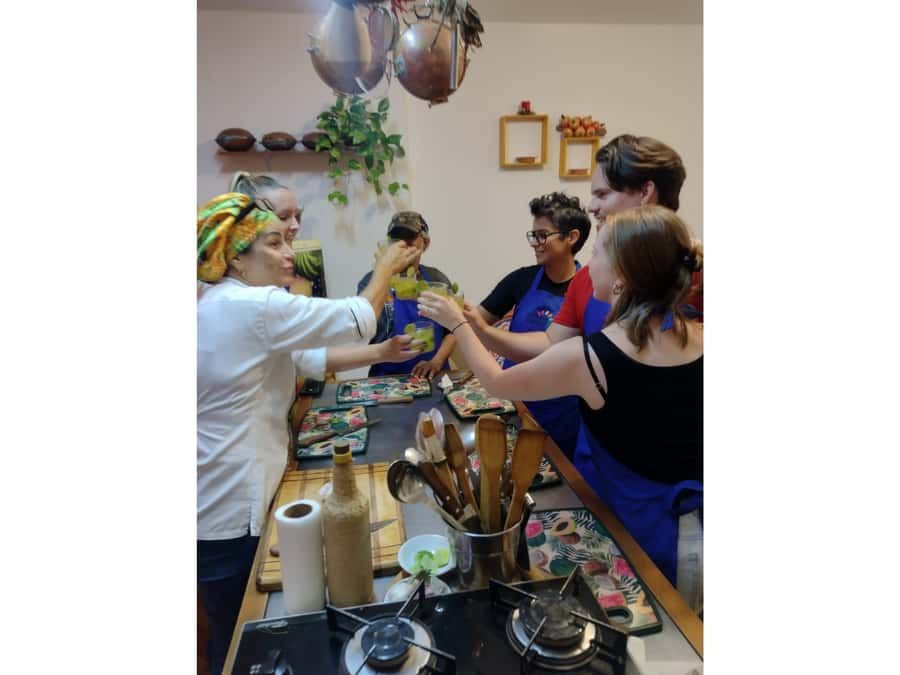
- Chef Simone leads the class with a friendly, low-stress setup for people to talk, learn, and cook together.
- Small-group teaching (up to 7) means you’re not stuck waiting for someone to notice your knife skills.
- Moqueca vs Feijoada depends on the day, with Moqueca on Mon/Wed/Fri and Feijoada on Saturday.
- You make both drinks and dishes, including a lime caipirinha and batida de coco.
- You finish by eating what you cooked, with instructor guidance as you taste and compare notes.
- The menu includes a surprise dessert, often linked to seasonal fruits or classics like brigadeiro and doce de leite.
Copacabana kitchen setup: small group, real hands-on cooking
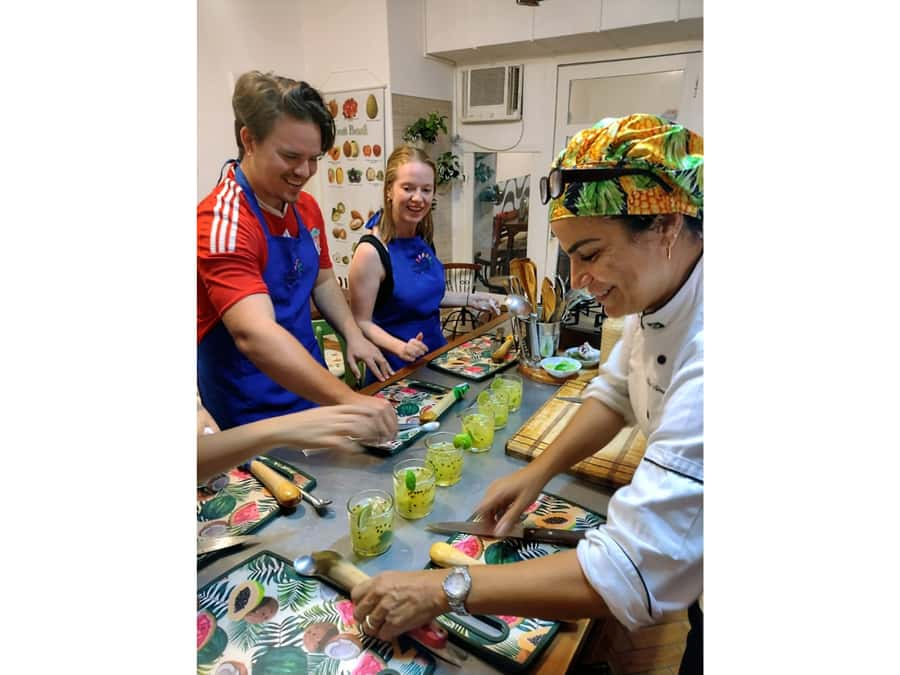
The class takes place in the Copacabana area, inside a cooking studio that’s set up for group lessons. The atmosphere is part kitchen lab, part friendly hangout. You meet your instructor and get moving right away, and you don’t need any prior cooking experience.
This is one of those Rio activities where the small details matter. A max group size of 7 keeps things practical: you can actually follow along, handle ingredients, and get quick feedback. In the class I’m describing here, you’re also guided through techniques and ingredients, not just handed a recipe card and sent on your way.
One more thing I appreciate: the instructor works in Portuguese, English, and Spanish, and the setting is set up so conversation doesn’t feel forced. That matters because Brazilian cuisine is a lot about feel—salt levels, texture, and timing—so being able to ask questions in your comfort language is useful.
You can also read our reviews of more tours and experiences in Rio De Janeiro.

Moqueca Mondays and Feijoada Saturdays: choose your main dish
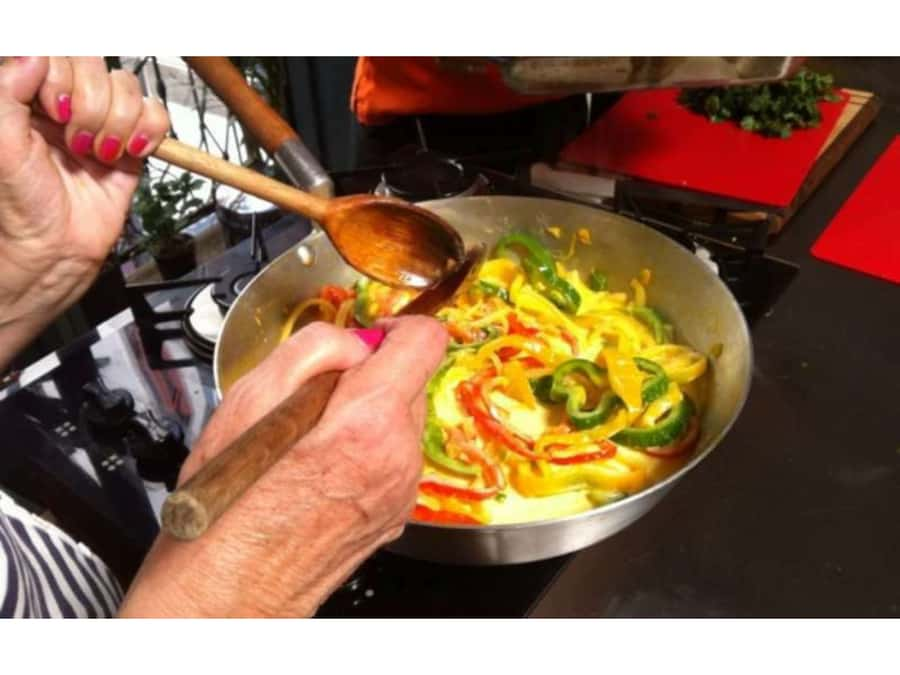
One of the best parts of this cooking class is that the main course depends on the day you go. On Mondays, Wednesdays, and Fridays, you cook Seafood Moqueca. On Saturdays, you cook Feijoada (black bean and pork).
Why that matters for your decision: Moqueca and Feijoada are both “Brazil classics,” but they deliver very different flavors.
- Seafood Moqueca tends to highlight ocean-forward ingredients and a sauce that brings everything together.
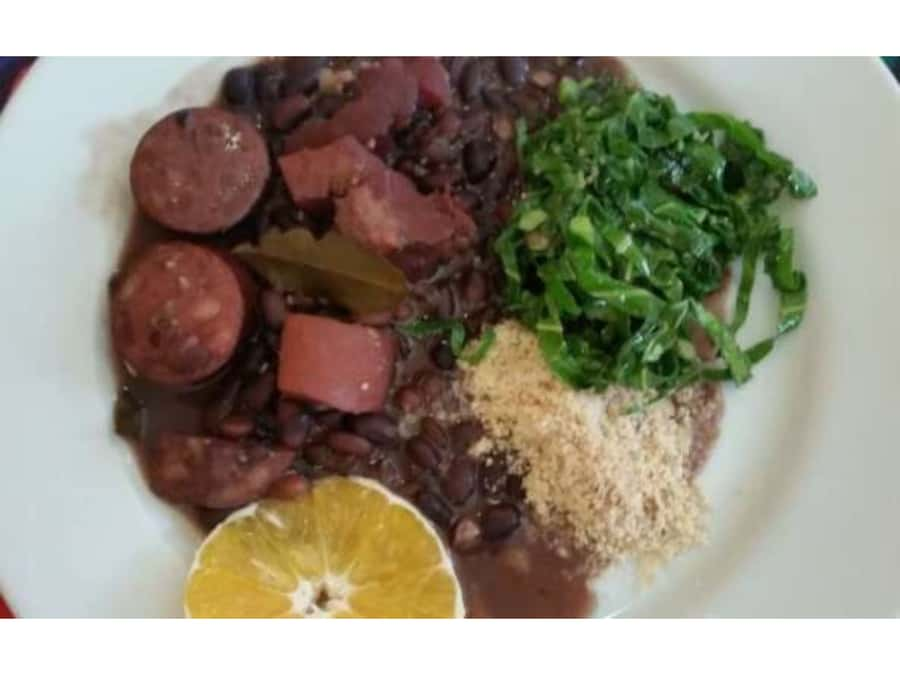
- Feijoada is heavier and more bean-focused, built for a slower, hearty meal.
If you’re the type who plans trips by what you’ll actually eat, this scheduling is a gift. You can line up your day in Rio with the dish you’re most excited about. And if you’re going with friends who can’t agree, pick based on their preferences: seafood lovers likely prefer Moqueca days; comfort-food fans lean Feijoada.
Drinks first: caipirinha and batida de coco skills
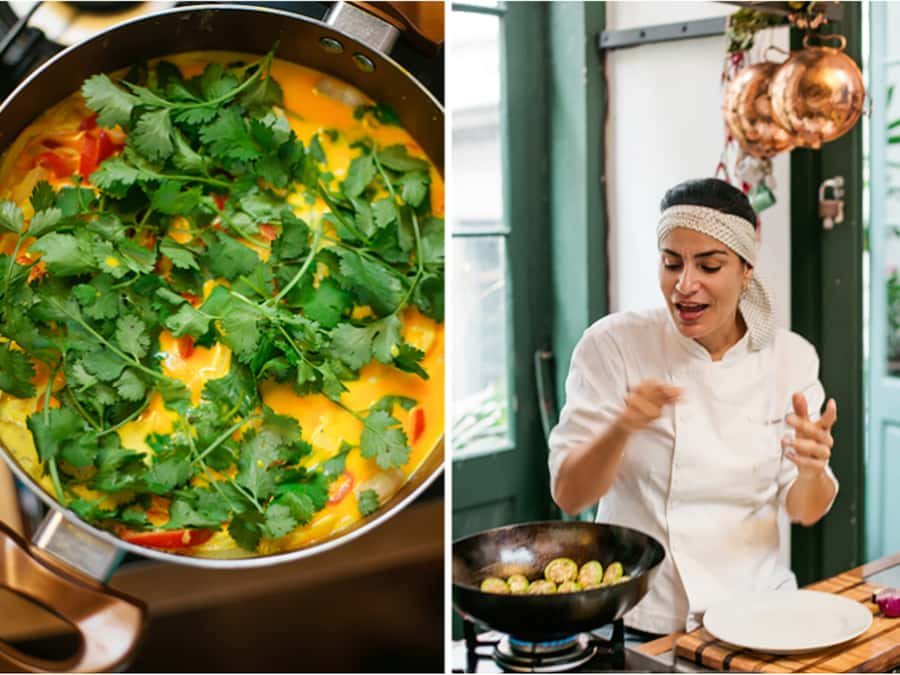
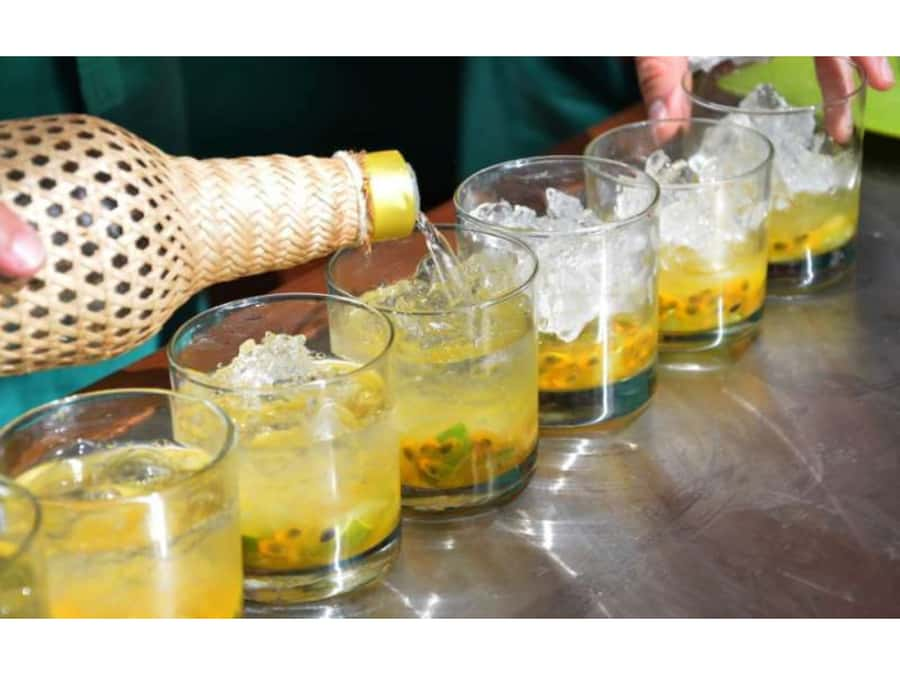
Before the main cooking rhythm takes over, you’ll be making drinks as part of the experience. The menu includes a lime caipirinha and a batida de coco (coconut-based drink). You also get two alcoholic drinks as part of the class setup.
This is a smart inclusion. Caipirinhas are one of the easiest Brazilian flavors to take home: sour lime, sweetness, and a strong sense of balance. Batida de coco gives you the opposite feeling—creamy, coconut comfort—so the meal doesn’t feel one-note.
The practical value here is that you’re not just drinking while someone else cooks. You’re learning how the drink fits the meal, and you’re getting a sense of Brazilian pacing: refresh, cook, taste, then settle in to eat.
The full cooking sequence: from appetizers to farofa and rice
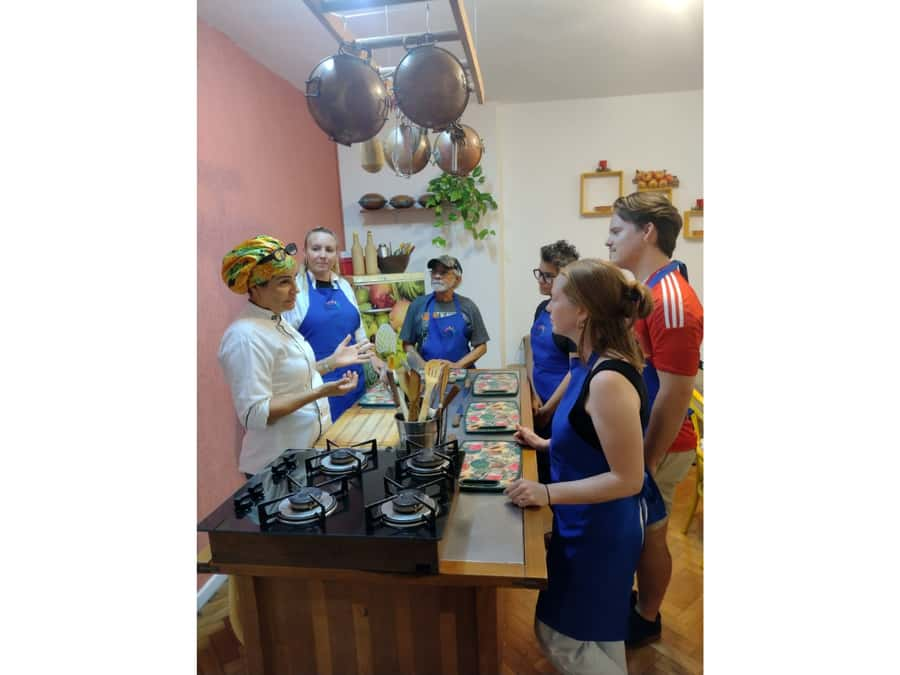
Even though the booking says 3 hours, the class description also frames it like a longer teaching flow, so I’d plan mentally for a few hours of active work: prep, cook, and then sit down to eat. You’ll follow a multi-course sample menu that typically runs like this:
1) Fried cheese with spicy guava jam
This is a great opener because it mixes texture and sweetness. You get to practice breading or frying technique, and the spicy guava jam adds a distinctly Brazilian flavor twist.
Practical takeaway: if you’ve only ever had cheese as a side dish, this shows how Brazil can treat it like the star.
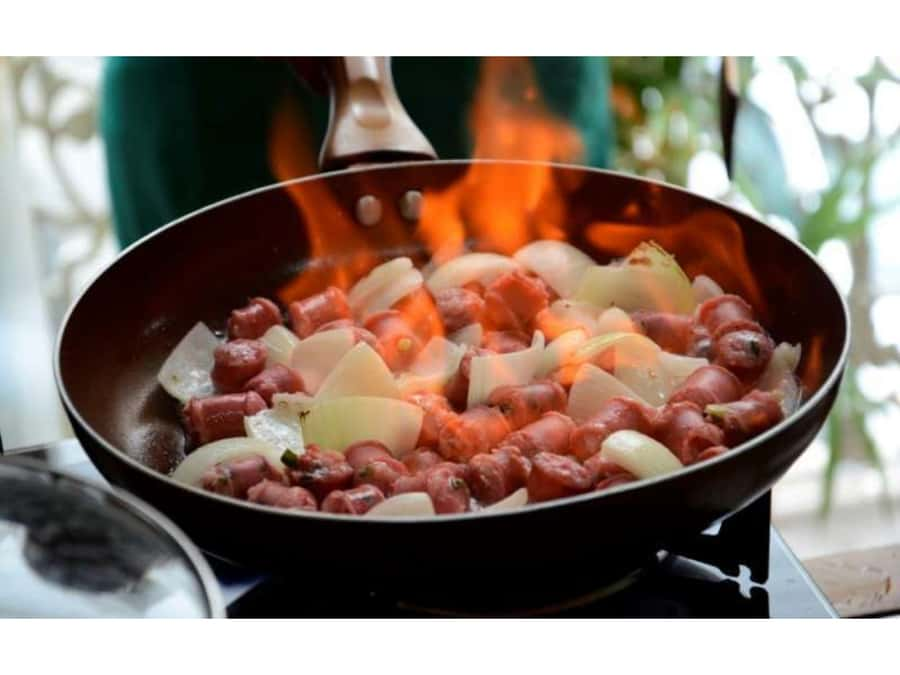
2) Fried sausage slivers
Next up is a savory, snack-style plate: fried sausage slivers. This teaches you how to manage heat so you get crisp edges without burning.
If you tend to overcook pan food at home, this is the sort of class step that helps you learn what “right” looks like.
3) Your main: Feijoada or Seafood Moqueca
This is the centerpiece. On Feijoada days, you cook pork and beans Feijoada. On Moqueca days, you cook Seafood Moqueca.
You’re not just assembling; you’re actively cooking, guided through the process. That hands-on approach is what makes the class worth your time, because it gives you a real sense of how flavors build.
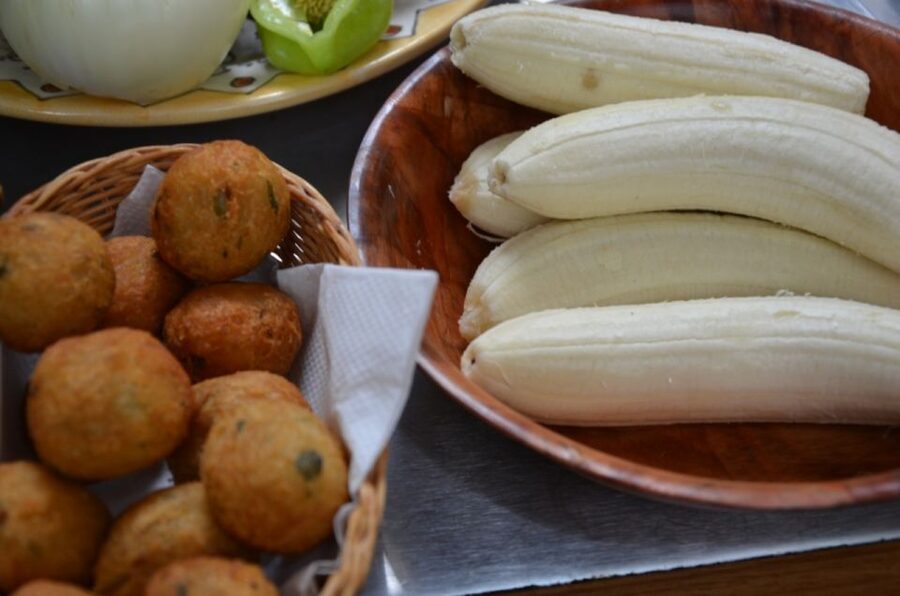
4) Cassava sticks plus the meal’s supporting sides
Along with the main, you’ll get cassava sticks. You’ll also cook banana farofa with flavored rice, which is a classic “Brazilian table” combo: farofa is about crunch and seasoning, and it helps the heavier parts of the meal taste balanced.
This part is where you’ll notice the class is built to help you recreate the table at home. When you leave with a sense for farofa and rice pairing, you’re not just repeating a recipe—you’re repeating a Brazilian meal structure.
Dessert that changes with the season (and why that’s a good sign)
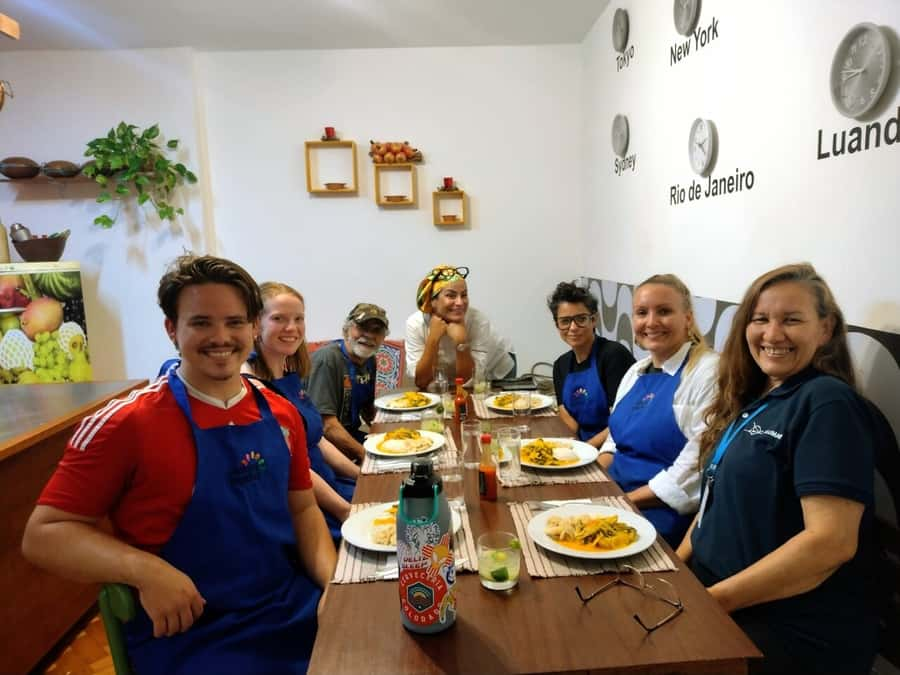
The menu includes a surprise dessert that varies depending on exotic fruit availability or what the chef produces on her farm, with examples like brigadeiro and doce de leite.
Here’s why I like this detail: it signals the class isn’t locked into one rigid production line. Brazilian sweets often shift with ingredients and seasonal fruit, and learning how to finish the meal with what’s available is part of real cooking culture.
If you’re the kind of person who loves desserts, this is one of the best parts because you don’t know what’s coming until the end.
What you’re really paying for: instruction, ingredients, and a full meal
At $220 per person, you should look at what you get beyond “a cooking class.” The included package covers:
- the cooking class itself
- 5 dishes
- 2 drinks
- all ingredients and equipment
- VAT, taxes, and handling charges
Transportation is not included, so you’ll need to handle your own trip to the Copacabana-area studio.
So is it good value? For me, it’s strongest if you want a hands-on evening where the meal is part of the lesson. You’re not paying just for entertainment. You’re paying for instruction, ingredient guidance, and a structured set of recipes you can reasonably repeat later.
Also, the class is private (max 7 participants). That’s important in a kitchen setting. If you’ve ever taken a crowded cooking class, you know how much time is wasted waiting. Here, the size keeps things moving.
Chef Simone’s teaching style: safety, conversation, and food stories
Chef Simone is a big part of the appeal. People highlight her passion for Brazilian cooking and how infectious it is, but what really lands is the atmosphere she creates—safe, friendly, and social without feeling like forced small talk.
There’s also a Brazilian-food context element. The class includes talk about the history of food in Brazil, and that makes the recipes feel more connected than a list of instructions.
One extra nice touch: the class support includes help from Simone’s daughter during the session. That kind of two-person flow can matter, because while one person teaches, the other can help with the practical parts that need close attention.
Finally, after cooking, you sit down with the instructor to taste what you made and toast your efforts with the drinks included in the class.
Logistics to consider before you book
This is a short, focused activity. Plan it like you would dinner: eat, then move on with your night.
Two practical considerations stand out:
- Transportation isn’t included. You’ll need to get to the studio in the Copacabana region and return on your own.
- No pick-up means timing matters. If you’re hopping between Rio neighborhoods that night, give yourself extra cushion so you don’t arrive rushed.
Also, the instructor speaks Portuguese, English, and Spanish, and the class is described as not requiring cooking experience. That combination usually makes it friendly for first-timers.
One thing that isn’t spelled out in the details you shared: dietary restrictions. If you have allergies or specific limits, it’s smart to ask before you go so the kitchen can plan.
Who this Rio cooking class is best for
This experience fits best if you:
- want a hands-on Rio activity, not just a meal out
- enjoy learning how to cook Brazilian staples you can repeat at home
- like small groups and conversation, with a supportive instructor
- are visiting for a short time and want maximum food learning in minimal hours
It may be less ideal if you:
- hate cooking or prefer purely observational experiences
- expect hotel pick-up and drop-off
- are very price-sensitive and want only the absolute cheapest food activities
Should you book it?
Yes, if you’re excited to cook and eat Brazilian food in a structured way. This class earns its cost by putting you in the kitchen, feeding you with what you made, and guiding you with an instructor who creates an easy, social environment.
If your schedule works, I’d choose based on the main dish day:
- Moqueca days (Mon/Wed/Fri) if you want seafood-forward flavors
- Feijoada Saturday if you want the hearty, bean-and-pork classic
And if you do book, go hungry and plan your transport early. When you treat it like a real dinner plus a cooking lesson, it’s the kind of Rio experience that leaves you with both memories and recipes.
FAQ
How long is the cooking class?
The duration is listed as 3 hours.
What will I cook and eat in the class?
The sample menu includes fried cheese with spicy guava jam, fried sausage slivers, a main dish (Feijoada or Seafood Moqueca depending on the day), banana farofa with flavored rice, a cassava sticks side, plus a surprise dessert. The class also includes 5 dishes and 2 drinks.
Which main dish is cooked on different days?
On Mondays, Wednesdays, and Fridays, the main is Seafood Moqueca. On Saturdays, the main is black bean Feijoada.
Are drinks included?
Yes. The class includes 2 drinks, including a lime caipirinha and a batida de coco.
Is transportation included?
No. Pick-up and drop-off are not included.
Is there free cancellation?
Yes. You can cancel up to 24 hours in advance for a full refund.