REVIEW · KOTA KINABALU
Sabah Traditional Authentic Cuisine Cooking Class 3 Hours
Book on GetYourGuide →Operated by Wow Sabah Holiday · Bookable on GetYourGuide
Sabah cooking can be messy in the best way. This 3-hour class puts you in a local kitchen with true blue Sabahan chefs, then feeds you what you make. I like that you get both hands-on cooking and the why behind the flavors—history, ingredient choices, and cooking style. One thing to watch: utensils and crockery aren’t included, so don’t assume you’ll be handed your own set.
This is also a value play. The price includes ingredients prepared for class, lunch from your own dishes, and a recipe copy to keep—so you’re not just paying to watch, you’re paying to learn and eat.
In This Review
- Key things I’d circle before you book
- Why this Sabah cooking class feels like food, not a show
- Meet the local cooks: Cindy, Winnie, Bonny, and sometimes more
- The 10.00am–1.00pm flow: what happens when you arrive
- 1) Pick-up and arrival in Kota Kinabalu (downtown only)
- 2) Intro to ingredients, cooking style, and flavor goals
- 3) Ingredients are prepped for you, and the focus stays on cooking
- 4) Cooking, tasting, and adjusting as you go
- 5) Lunch from your own dishes + recipe to keep
- What you’ll learn about Sabah flavor (and how to use it later)
- The garden-and-terrace factor: why the setting makes the food taste better
- Price and value: what $50 gets you in the real world
- Food options for different diets (and what to do before you show up)
- Logistics you should plan for: pick-up, timing, and where it happens
- Who this cooking class is best for
- Should you book? My straight answer
- FAQ
- How long is the Sabah Traditional Authentic Cuisine cooking class?
- What’s the price per person?
- Where does the class take place?
- Is hotel pick-up included?
- Who teaches the class?
- What languages are available during the class?
- Do I get recipes to take home?
- Can you cater for dietary restrictions?
- Are utensils and crockery included?
- Can I take the food home, or only eat it on site?
- Is the class wheelchair accessible?
Key things I’d circle before you book
- First and original Traditional Sabah class from the operator (their main claim)
- Local master chefs such as Auntie Cindy, Auntie Winnie, or Chef Bonny
- Indoor 10.00am–1.00pm format that stays focused on cooking
- Garden-and-market style ingredients, depending on the day and menu
- You eat your own lunch right after cooking (come hungry)
- Diet swaps available: vegetarian, no pork, gluten free, and other needs if you tell them ahead
Why this Sabah cooking class feels like food, not a show
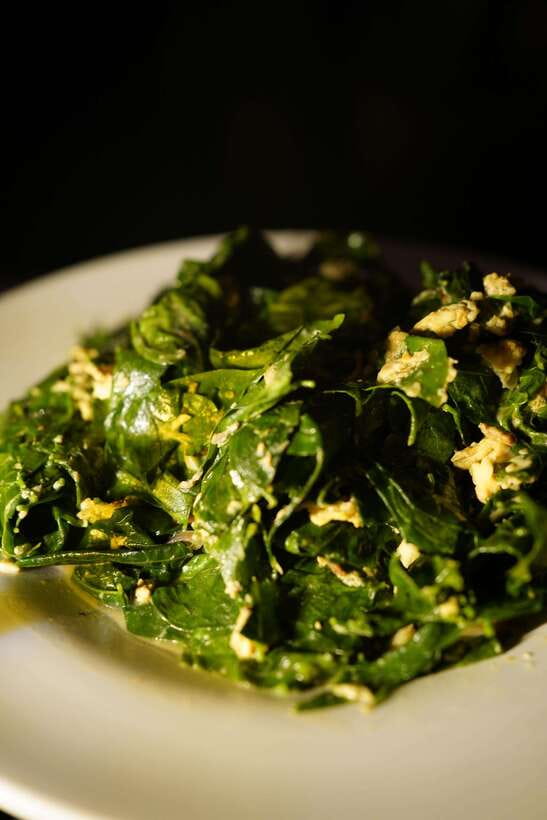
A good cooking class teaches you how to cook. A great one teaches you how to think like a cook—what to buy, why to prep a certain way, and how to balance taste. This Sabah traditional cooking session is built around that idea: you’re working through dishes while a local chef explains what’s going into the pot and what it’s supposed to do for the final flavor.
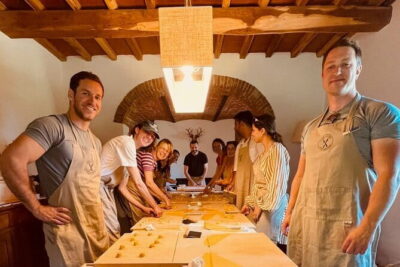
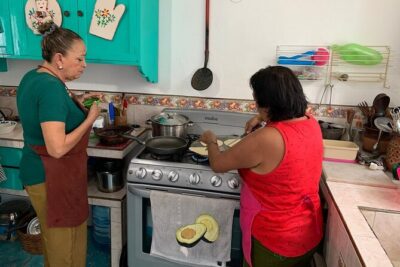
The other thing I like is the tone. It’s intimate and practical. You’re not trapped in a stadium with a demo stage; you’re in a kitchen setting where the instructor can talk through each step and adjust when you’re holding something the wrong way (we’ve all done it). The class is mainly indoors from 10.00am to 1.00pm, which also helps if you’re visiting during hot or rainy weather.
The format matters for your day. You get a morning schedule that doesn’t eat your whole afternoon, and you still come away with enough understanding to recreate flavors back home—because you get a recipe copy to keep.
Meet the local cooks: Cindy, Winnie, Bonny, and sometimes more
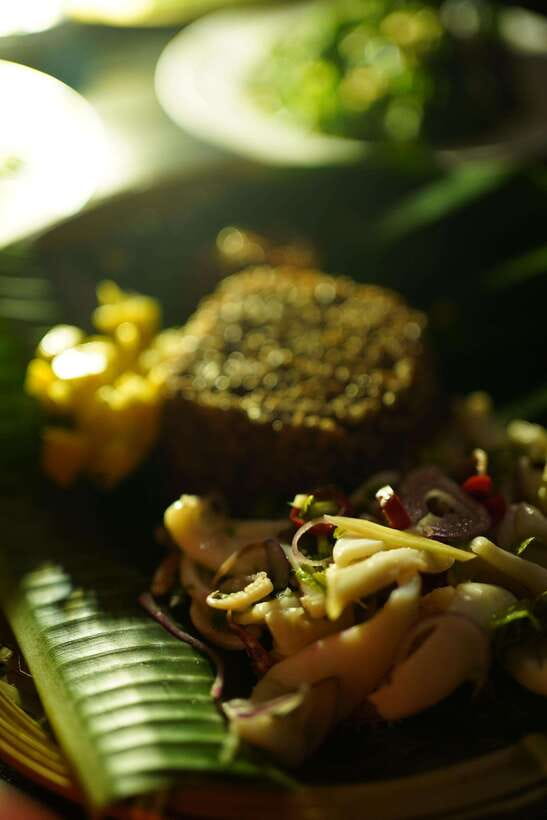
This class is hosted by local master chefs—the names they share are Auntie Cindy, Auntie Winnie, or Chef Bonny. That’s not just branding. Sabah cuisine is regional, plant-heavy, and full of flavor combinations that make sense only when someone explains the logic behind them.
In day-to-day teaching, those “logic” moments are what you’ll remember:
- how the ingredient is chosen (freshness, season, and local availability)
- how the cooking style affects texture and taste
- anecdotes tied to ingredients—like what they’re used for and how locals see them
Some sessions also have extra helpers at the home or kitchen space. Past bookings describe assistance from people such as Gregory and Gunnar, plus a host at the property (for example, Judith has been mentioned as part of the welcoming setting). Translation is available across English, Malay, Chinese, and Traditional Chinese, which makes it easier for you to follow along even if food terms aren’t your thing.
If you want a class where the chef can answer questions in plain language, this is the right setup.
The 10.00am–1.00pm flow: what happens when you arrive
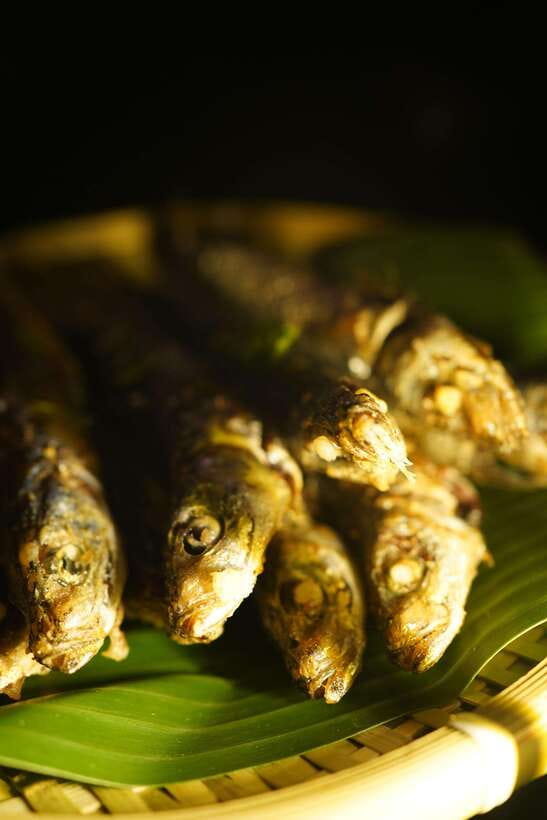
The workshop runs for 3 hours, primarily indoors, and the schedule is designed to stay centered on cooking rather than logistics. Here’s what the experience looks like in real time, step by step:
1) Pick-up and arrival in Kota Kinabalu (downtown only)
You get free hotel pick-up from downtown Kota Kinabalu. That’s an important detail if you’re staying in that area—no need to figure out last-mile transport. If your hotel is outside downtown, you’ll want to double-check whether the pick-up still applies based on your exact location.
2) Intro to ingredients, cooking style, and flavor goals
Before you start cooking, you’ll get explanations about history, culture, ingredient, cooking style, and taste. This is where the class earns its “traditional” label. Instead of random steps, you’re building a map: what goes together and how the dish should end up tasting.
3) Ingredients are prepped for you, and the focus stays on cooking
A key part of the workshop is that ingredients are prepared in this particular workshop. That means you’re not spending the first hour washing, chopping everything from scratch, or hunting ingredients while everyone else starts cooking.
You still do real work, though. The emphasis is on you handling food, following instructions, and learning the timing.
4) Cooking, tasting, and adjusting as you go
As you move through each dish, you’ll get step-by-step teaching. Past bookings highlight that the instruction is friendly and clear, and that chefs explain anecdotes on ingredients as they cook.
You’ll also taste what you’ve made as part of the experience. That matters because cooking classes sometimes end with a sad takeaway. Here, lunch is tied to your own results.
5) Lunch from your own dishes + recipe to keep
After you prepare your cuisine, you savour your own masterpiece for lunch. You also get a copy of the recipes to keep, which is what turns this from a one-day activity into something you can repeat later.
If you’re coming in with a big appetite, you’ll be rewarded fast.
What you’ll learn about Sabah flavor (and how to use it later)
Sabah cuisine has distinctive tastes—spices, herbs, aromatics, and fresh ingredients that don’t behave like the usual “add salt and hope” approach. What you’ll learn here is how to make those flavors work together.
From what people describe, chefs focus on:
- ingredient stories (not just names)
- practical cooking steps (what to do first, second, and when to stop)
- how herbs and aromatics change taste when cooked differently
- the overall cooking style for Sabah dishes
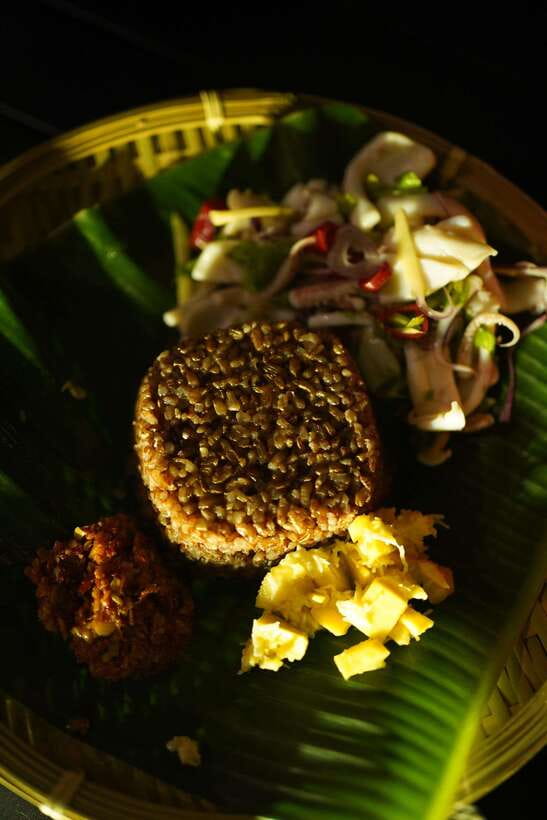
A few specific ingredients come up in the way people talk about the class. Some sessions include things like bunga kantan, lemongrass, and jungle garlic. Those aren’t just exotic words for a brochure—those ingredients help you understand the “Sabah” flavor logic: fragrant, herb-forward, and often balanced against richness from cooking methods.
Also, the chefs teach in languages that fit the group. If you’re comfortable with English or Malay you’ll likely be fine. If you’re more comfortable with Chinese or Traditional Chinese, you’re covered too.
The garden-and-terrace factor: why the setting makes the food taste better
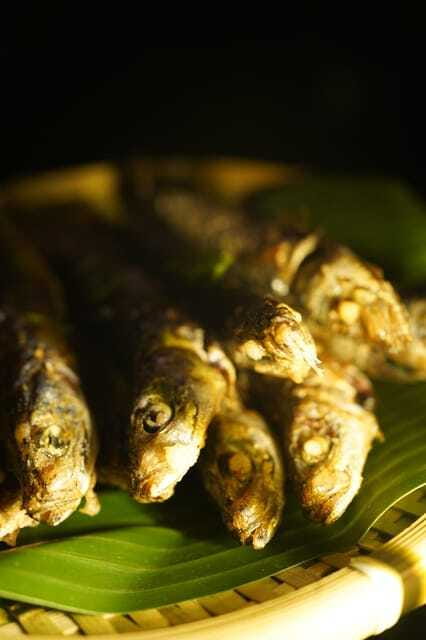
This class often happens at a home setting, and you may cook in or around spaces like porches or terraces. Past bookings specifically mention cooking on an outdoor front porch and using ingredients from a garden as well as purchased items. That garden connection can change the way you cook, because you’re seeing freshness and learning how chefs treat ingredients they grow.
Even if you only care about eating, the setting helps. You’re not stuck in a sterile room. You’re surrounded by the real context of the food: how people live, cook, and select ingredients.
If you’re sensitive to heat, it’s still mainly indoors—but if you’re curious about the outdoor vibe, the operator notes that special arrangements can be made for night class or outdoor/campsite sessions.
And one very practical tip that came up: don’t eat pizza about 3 hours before. The class builds appetite quickly because you’re cooking and tasting along the way. If you go in stuffed, you’ll miss the point.
Price and value: what $50 gets you in the real world
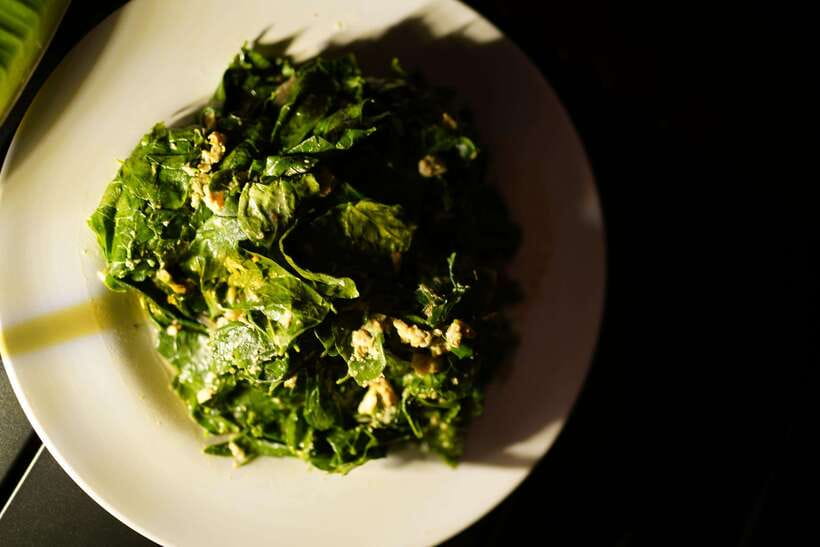
At $50 per person for 3 hours, this isn’t a bargain cooking demo. It’s priced like a small, guided, ingredient-led experience. The value comes from what’s included:
- Authentic local chef hosts (not a generic instructor)
- local fresh ingredients, prepared for the session
- explanations on culture, ingredient choices, and cooking style
- hands-on cooking
- you eat what you make for lunch
- recipe copy to keep
You’re also getting that “learn it and repeat it” element. Many classes teach you steps but leave you with nothing usable after. Here, you leave with recipes. That turns your money into future dinners.
The trade-off is straightforward: utensils and crockery aren’t included. Depending on how the kitchen is set up, you may still eat with plates and use tools on-site, but the package itself doesn’t promise that it supplies everything like a restaurant would. If you have specific dietary equipment needs or preferences, ask ahead.
Food options for different diets (and what to do before you show up)
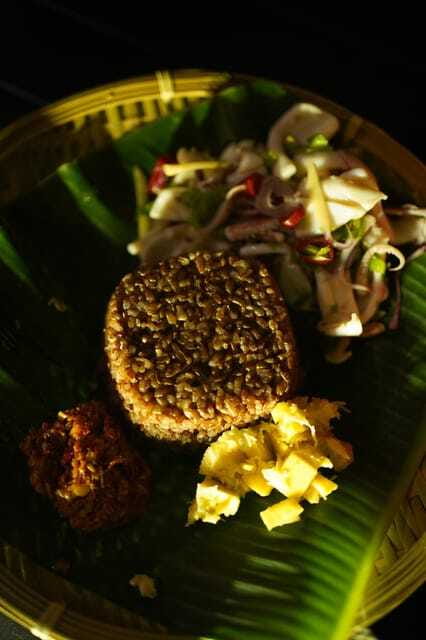
If you need modifications, this class can handle them. You can request:
- Vegetarian
- No pork
- Gluten free
- Other diets (tell them beforehand)
That’s a big deal because Sabah dishes use a lot of fresh aromatics and ingredients that can still work without pork. Just don’t treat it as a last-minute fix. Message ahead so the kitchen can plan.
If you’re also trying to avoid cross-contamination concerns (common for gluten free), you should ask clear questions during booking.
Logistics you should plan for: pick-up, timing, and where it happens
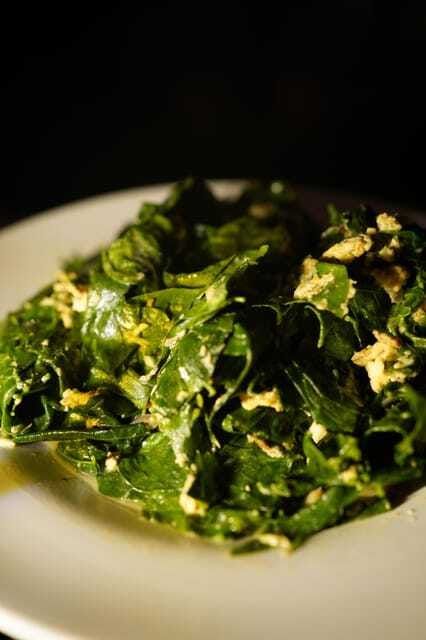
This workshop is designed for the morning slot (10.00am–1.00pm) and is mainly indoor. That means:
- Your day stays structured and predictable
- You’re not relying on weather for the cooking part
- The experience stays focused on teaching and food prep
For transport, free pick-up is included only from hotels in downtown Kota Kinabalu. If you’re staying in a different area, you’ll likely need alternative transport. The class can do special arrangements for night class or outdoor/campsite sessions, which could affect where you’re taken, so confirm the plan when you book.
Also, check what you’ll do with your results: you can take home or consume at the location, depending on how the session is run and what you prefer.
Who this cooking class is best for
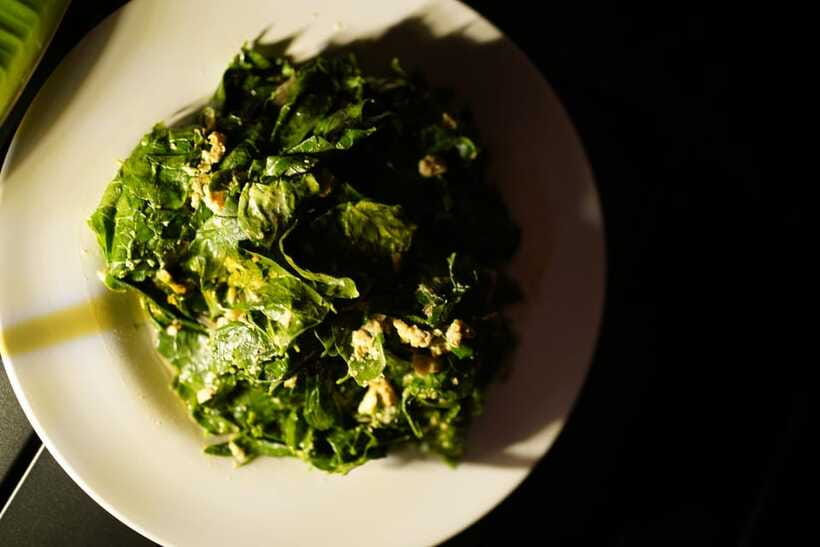
This is a strong match if you:
- want a hands-on Sabah food experience instead of a lecture
- like learning why ingredients matter, not just copying a recipe
- want a lunch plan that’s part of the activity
- enjoy cooking with fresh aromatics and herbs
It’s also a good mid-trip reset. Several bookings describe it as a recovery day in the middle of travel, mainly because it’s guided, friendly, and food-focused.
If you hate mess or you want a strictly watch-only activity, you might find hands-on cooking frustrating. But if you’re happy rolling up your sleeves, you’ll likely come away energized.
Should you book? My straight answer
Yes, you should book this cooking class if your goal is real Sabah cuisine, taught by local chefs with fresh ingredients and a clear structure from 10.00am–1.00pm. The recipe copy plus lunch you make yourself is what makes the value hold up.
I’d think twice if you’re the type who needs every detail on utensils and plates handled perfectly like a restaurant package. The class notes that utensils and crockery aren’t included, so if that affects you, ask what’s provided on-site before you go.
FAQ
How long is the Sabah Traditional Authentic Cuisine cooking class?
It lasts 3 hours, running from 10.00am to 1.00pm.
What’s the price per person?
The price is $50 per person.
Where does the class take place?
It’s primarily conducted indoors, with the possibility of special arrangements for night class or outdoor/campsite sessions.
Is hotel pick-up included?
Yes, free pick-up is included from hotels in downtown Kota Kinabalu only.
Who teaches the class?
Local hosts and master chefs such as Auntie Cindy, Auntie Winnie, or Chef Bonny.
What languages are available during the class?
The class is offered in English, Malay, Chinese, and Traditional Chinese.
Do I get recipes to take home?
Yes. Participants receive a copy of the recipe to keep.
Can you cater for dietary restrictions?
Yes. Vegetarian, no pork, gluten free, and other diets can be catered for if you let them know beforehand.
Are utensils and crockery included?
No. Utensils and crockeries are not included.
Can I take the food home, or only eat it on site?
You can either take home or consume your cooking results at the location.
Is the class wheelchair accessible?
Yes, it’s wheelchair accessible.