REVIEW · POKHARA
Nepalese Momos or Dal Bhat Cooking Class (Cook with Delight)
Book on Viator →Operated by Cook With Delight · Bookable on Viator
Pokhara is where your stomach gets convinced before your brain does. This class is a hands-on cooking workshop where you learn momos or dal bhat step by step, then sit down and eat what you made.
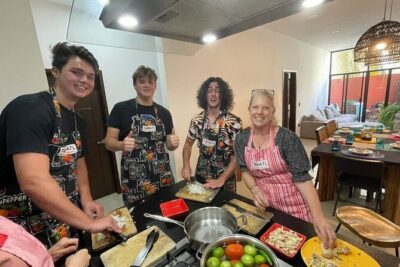
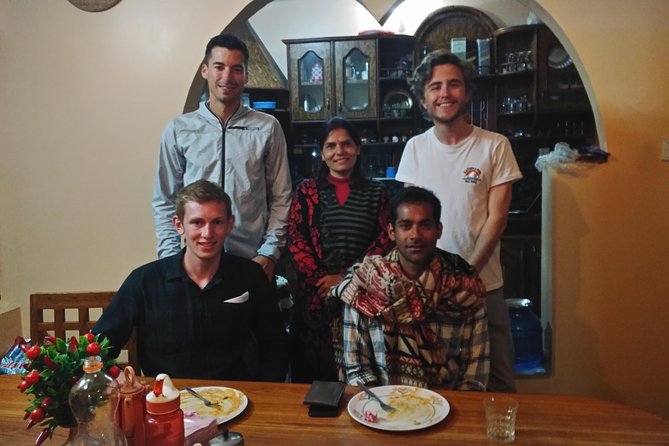
I love the small-group setup. With a maximum of five people, the father/son team running it (plus local home-cook support like Sandhya in the momos classes) can slow down when you need help, even with the fiddly parts like forming dumplings.
One thing to consider: you choose one menu option at a time. If you want both dishes, you’ll need to book the lunch dal bhat class or the evening momos class separately.
In This Review
- Key highlights you’ll care about
- Two Nepali Comfort Foods, One Hands-On Class at Hotel Diplomat
- Choosing Lunch Dal Bhat or Evening Momos
- Arriving on Pragati Marga: What the Start Feels Like
- The Only Stop That Matters: Cooking From Scratch
- Momos Technique: Finger Placement, Grip Pressure, and Real Practice
- Dal Bhat Comfort: Learning the Plate, Not Just a Recipe
- Eating What You Made: Your Included Meal and Drinks
- Small Group Max Five: Why This Class Feels Personal
- Price and Value: Is $50 Fair for Two Hours?
- Who This Works Best For (and Who Might Want to Skip)
- Should You Book This Cooking Class in Pokhara?
- FAQ
- Can I choose between momos and dal bhat?
- How long is the cooking class?
- Where does the class take place?
- How many people are in the class?
- What’s included with the class?
- What is the cancellation policy?
Key highlights you’ll care about
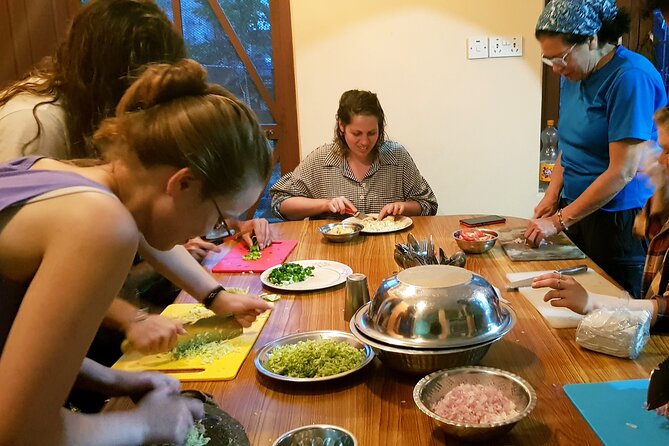
- Small group, max five people so you’re not watching from the sidelines
- Pick your dish by time of day: lunch-style dal bhat or evening momos
- Printed recipe in your hand at the start, so you can follow and remember steps
- Class at Hotel Diplomat on Pragati Marga, near Phewa Lake (a quick walk)
- Hands-on technique focus such as how to hold and shape dumplings
- Meal included plus soft drinks and water after you cook
Two Nepali Comfort Foods, One Hands-On Class at Hotel Diplomat
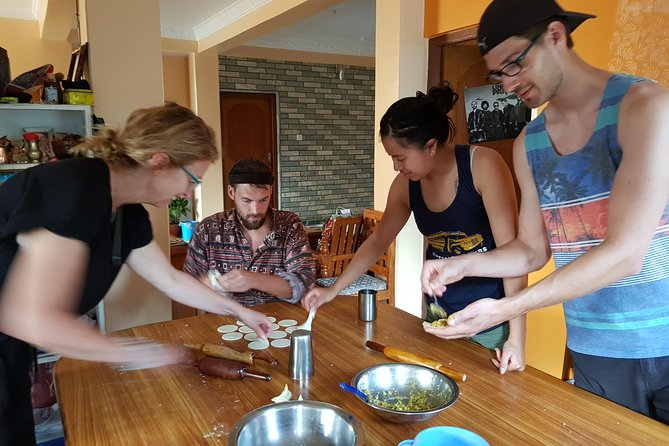
This is the kind of cooking class that actually changes what you eat on vacation. You don’t just get a few bites and a fun story. You make your chosen dish from scratch, then you eat the finished result at the end of the session.
The workshop takes place at Hotel Diplomat, and the vibe matters. Hotels can feel sterile, but this one works as a practical meeting point and teaching space. It’s also less than a 10-minute walk from Phewa Lake, so you can combine the class with a lake stroll without messing up your day.
The core value is simple: you’ll leave with a real skill, not just photos. Momos and dal bhat are everywhere in Nepal, so learning how they’re put together is a way to understand the food culture beyond the tourist menu.
You can also read our reviews of more tours and experiences in Pokhara.
Choosing Lunch Dal Bhat or Evening Momos
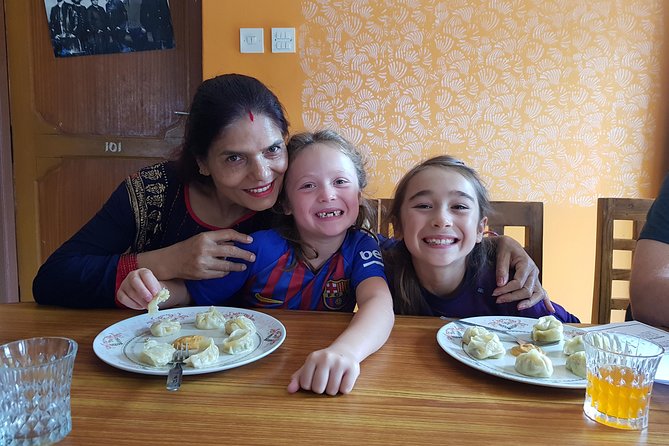
You get two options, depending on what time you book. The lunchtime workshop focuses on dal bhat, while the evening class focuses on momos (steamed dumplings).
This choice affects your learning experience. Dal bhat is more about building a comforting plate—rice plus lentils—so you’ll learn how to get flavor and texture right. Momos are more technique-heavy: dough handling, filling, sealing, and shaping.
If you’re the type who likes to eat immediately after you cook, both options deliver that payoff. Just be honest with yourself about your goal. Want something savory and dumpling-based with hands-on shaping practice? Pick momos. Want a classic Nepal comfort plate with rice and lentils? Pick dal bhat.
Arriving on Pragati Marga: What the Start Feels Like
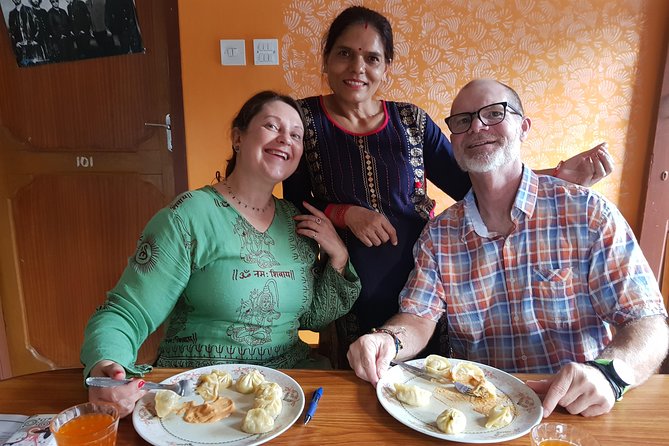
You meet at Hotel Diplomat, at the ground-floor location where the class begins. Expect to start with a printed recipe in your hand. That matters more than it sounds. It helps you follow the steps while your hands learn the movements, and it gives you something to reference later at home.
Right after that, the chef walks you through the process for either momos or dal bhat. The pacing is designed for beginners and regular food lovers. You’re not expected to already know how Nepali dough behaves or how lentils turn from raw to silky.
One small practical note: the class is set up so you can ask questions. Reviews point out the instructors are friendly and happy to answer. That’s useful when you run into the exact moment your dumpling keeps opening or your batter looks different than you expect.
The Only Stop That Matters: Cooking From Scratch
There’s no multi-location runaround. The itinerary is basically one stop: Hotel Diplomat, then back to the same meeting point.
That’s good news if you’re short on time in Pokhara or tired of hopping between spots. In a two-hour class, every minute counts. Here, the time stays focused on learning.
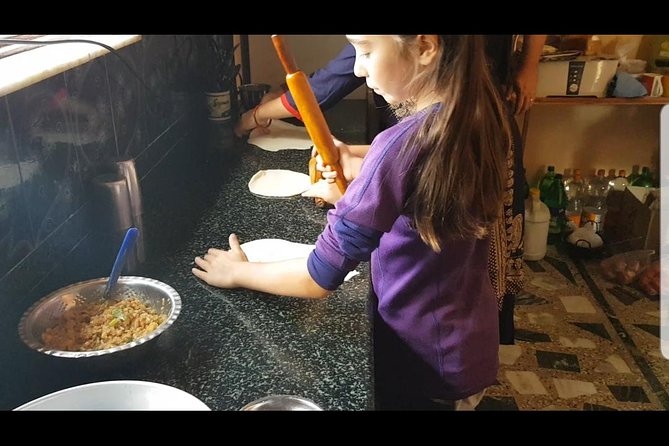
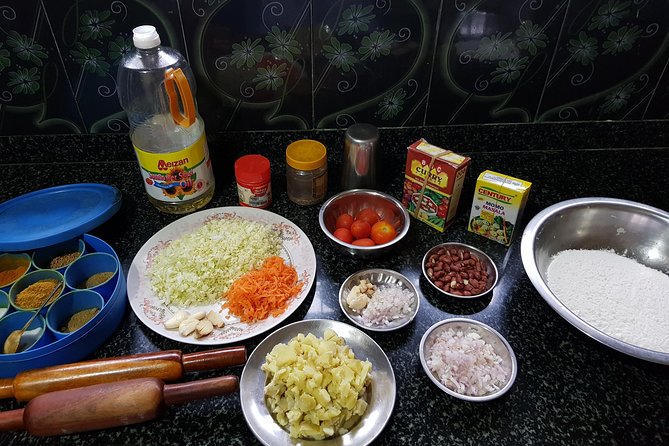
You’ll be guided through each step, and you’ll do the work yourself. From mixing and prepping to shaping or cooking, the goal is that when you eat, it tastes like your effort—not like you just watched someone else cook.
A fun detail: if you enjoy an adult drink, you might find it’s part of the social atmosphere. Beer or wine comes up in the class description, so if that’s your thing, you can enjoy the meal like a proper evening in Nepal.
Momos Technique: Finger Placement, Grip Pressure, and Real Practice
If you book the momos workshop, this is where the class earns its reputation. Dumplings can look simple until you actually do them, and the teaching helps you get past the awkward stage.
One of the most praised parts is how the instruction gets specific. You don’t just get generic advice like pinch it tight. You get coaching on how to hold pieces, where your fingers go, and how much pressure to use when sealing. That kind of guidance keeps your momos from falling apart while steaming.
There’s also an important mindset shift. Reviews describe making dumplings in a way that feels learnable, not intimidating. You’ll likely produce dumplings that look imperfect—and that’s normal. The real win is understanding the technique so your next batch at home has a better chance.
And yes, you’ll get to eat them. That matters because the class isn’t just about turning dough into shapes. It’s about getting to the moment where you understand what “good” feels like: texture, taste, and how the steam treatment changes the dumpling.
Dal Bhat Comfort: Learning the Plate, Not Just a Recipe
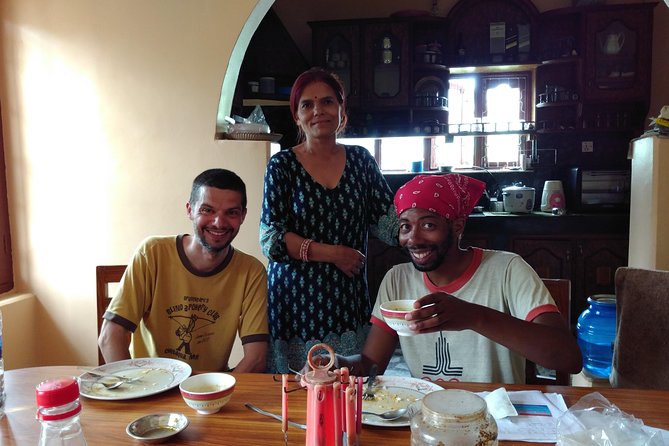
Dal bhat is the other big choice, and it has a different kind of learning curve. This class is built to teach you the steps to put together a proper Nepali meal of rice and lentils.
You’ll be taken through the process by the chef, starting from preparation to what you serve. The point is not just to copy a recipe card. It’s to learn how dal bhat comes together so you can recreate that comfort flavor and texture later.
Dal bhat is also a smart pick if you want to understand Nepal’s everyday food. It’s not fancy. It’s dependable. When you make it yourself, you start noticing what makes it satisfying: balance, warmth, and how the lentils behave when cooked correctly.
If you’re deciding between momos and dal bhat and can’t choose, go with what matches your appetite. Momos reward technique practice. Dal bhat rewards understanding a staple dish you’ll likely crave again after your trip.
Eating What You Made: Your Included Meal and Drinks
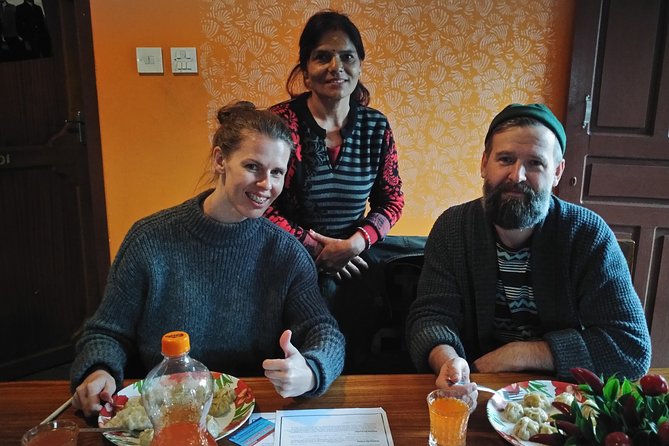
After the cooking work, you sit down to enjoy your home-cooked meal. The class includes the meal, paired with complimentary soft drinks and water.
That’s not a throwaway benefit. When food is included, you’re not tempted to leave early or scramble for dinner after you cook. You’re also able to focus on the experience because your budget stays simple.
Also, the meal itself is the best quality check. If the dish tastes good, you’ve learned the steps in a way that works, not just a way that looks right. Reviews mention leaving with a belly full of delicious momos, and that vibe matches what you should expect from a class built around finishing and eating your own food.
And because you’re cooking at a home-style pace, you’re likely to leave relaxed. It’s a change from the fast-ticket, quick-stop tourist schedule.
Small Group Max Five: Why This Class Feels Personal
The workshop caps at five travelers, and that small number shows in how the class runs. It means you’re not stuck waiting while one person dominates the attention. When you need a hand, you can actually get it.
This is one reason the reviews are so high. The teaching style is friendly and responsive. A father/son combo runs the experience, and they’re described as enthusiastic and happy to answer questions. You’ll probably hear practical cooking explanations instead of just instructions.
You also get better feedback when it’s small. If your dumpling seal looks weak, you can get corrected before you steam the whole batch. If your dal needs adjustment, you can ask what to watch for.
In value terms, small-group learning tends to cost more than big classes, but here the price stays reasonable for what you get: technique guidance, hands-on time, and a meal.
Price and Value: Is $50 Fair for Two Hours?
$50 for a two-hour cooking class in Pokhara can sound like either a bargain or a splurge, depending on what you compare it to. Here’s how I’d judge it.
You’re paying for:
- A small group limited to five people
- Hands-on instruction for either momos or dal bhat
- A printed recipe to take home
- A home-cooked meal included
- Soft drinks and water included
- A central meeting location at Hotel Diplomat, near Phewa Lake
If you usually pay for cooking classes that include only a demonstration and a small tasting, this feels like better value. You’re making full dishes and eating the results. And if you’re the kind of traveler who likes practical skills, you’re basically buying a repeatable experience you can recreate after your trip.
Could it be too much for a strict budget? Sure. But the cost becomes easier to justify because you’re not just paying for entertainment—you’re paying for instruction plus dinner.
Who This Works Best For (and Who Might Want to Skip)
This class fits especially well if you fall into one of these groups:
- You want a more authentic way to learn Nepali food than ordering it and moving on.
- You enjoy hands-on activities where you can ask questions and try again.
- You’re traveling with a small group or solo and want something social but not crowded.
- You want a souvenir that’s edible and repeatable at home.
You might want to consider skipping if:
- You want to learn both dishes in one session. You only choose one option based on the class time.
- You’re not interested in technique. This class is built around making and shaping, not just tasting.
If you care about leaving with a skill, this one makes sense.
Should You Book This Cooking Class in Pokhara?
I think you should book it if you’re hungry for more than photos. The best part is the mix of small-group attention and real step-by-step practice—especially for momos, where the teaching gets specific about finger placement and sealing.
It’s also a smart use of time. Two hours, one stop, a meal included, and a central location near Phewa Lake. You’ll walk away fed and with a clearer idea of how Nepali food is built.
If you’re torn between momos and dal bhat, pick the one that matches your cravings. Both options are taught through the same hands-on style, but your enjoyment will depend on whether you want dumpling shaping or rice-and-lentil comfort.
FAQ
Can I choose between momos and dal bhat?
Yes. You choose between a lunch workshop for dal bhat and an evening workshop for momos.
How long is the cooking class?
It runs for about 2 hours.
Where does the class take place?
The class starts at Hotel Diplomat in Pokhara, at the ground floor.
How many people are in the class?
It’s a small group capped at a maximum of five travelers.
What’s included with the class?
You get a home-cooked meal (your prepared dish) plus complimentary soft drinks and water.
What is the cancellation policy?
Free cancellation is available. You can cancel up to 24 hours in advance for a full refund. Changes within 24 hours of the start time aren’t accepted, and cancellations within 24 hours won’t be refunded.