REVIEW · POKHARA
Pokhara: 3 Hour MoMo cooking class
Book on GetYourGuide →Operated by Adventure in Nepal · Bookable on GetYourGuide
Momos are small dumplings with serious technique. In this 3-hour Pokhara class, you learn dough, filling, and the exact hand moves behind good momo pleats, then you eat what you made with dipping sauces you also prepare. I especially like the hands-on pace and the way the class moves step by step from dough to folds to steaming. One thing to consider: this activity is not set up for mobility impairments, and it runs rain or shine.
You’ll start with a quick intro to what momos are, then you get to work. The best part is that the class doesn’t treat momos like a mysterious restaurant trick; it breaks the process into clear stages and lets you practice each one. The possible drawback is simple: because it’s only 3 hours, you won’t leave as a dumpling machine—expect learning, not perfection.
In This Review
- Key Highlights You’ll Care About
- Why a 3-Hour Momo Class Works So Well in Pokhara
- Getting Picked Up and Reaching the Café Kitchen Setup
- The 10-Minute Welcome: What You Learn Before Your Hands Start Moving
- Filling Creations: Choosing Your Style and Building Flavor
- Making the Dough: The Step That Determines Everything
- Rolling and Shaping: Pleats, Crescent Moons, and the Reality of Practice
- Steaming the Momos: How Cooking Changes the Dumpling
- Dipping Sauces: Make Your Own Spice Match
- The Tasting Extravaganza and Feedback Loop
- Price and Value: What $29 Gets You (and Why It’s Fair)
- Who This Class Suits Best (And Who Might Feel It’s Not for Them)
- What to Do Before and After to Get the Most Out of It
- Should You Book the 3-Hour Pokhara Momo Class?
- FAQ
- How long is the Pokhara Momo cooking class?
- Where does pickup happen?
- What’s included in the price?
- What languages are the instructors?
- Do I need to bring anything with me?
- What is not allowed during the class?
- Is the class held in bad weather?
- Is the class suitable for people with mobility impairments?
Key Highlights You’ll Care About
Hotel pickup from Lakeside area makes the start easy in Pokhara
Folding practice teaches traditional pleats and crescent-moon style shaping
Choose your filling with options that include vegetarian, chicken, or meat
Steam and possibly fry depending on the class flow and setup
Sauce-making included so your dumplings match your own spice level
Private group feel often means more hands-on attention per person
Why a 3-Hour Momo Class Works So Well in Pokhara
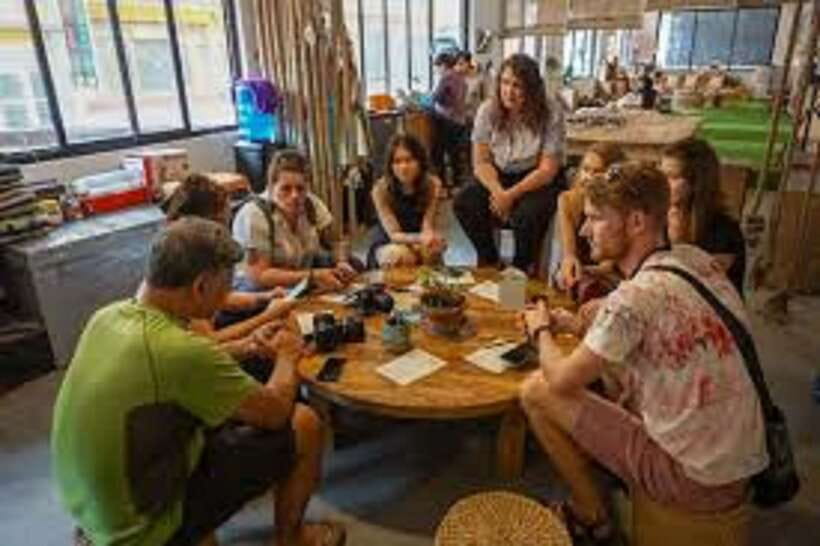
Pokhara is a place where it’s easy to fill your day with views, lakes, and short outings. This class gives you something different: a skill you can take home. In 3 hours, you’re not just eating Nepalese comfort food. You’re learning how momos are built—dough texture, how the filling stays put, and why the pleats matter.
The other reason I like this format: it’s structured. You move from preparing filling to making dough to rolling and shaping, then you end with steaming and tasting. That rhythm keeps the class from feeling like a long demo, and it helps you actually remember the steps later when you try again.
Do note the practical side. You’ll be working with food materials, and the class happens rain or shine. Bring the mindset that you might get a bit messy, and plan to dress for it.
You can also read our reviews of more tours and experiences in Pokhara.

Getting Picked Up and Reaching the Café Kitchen Setup
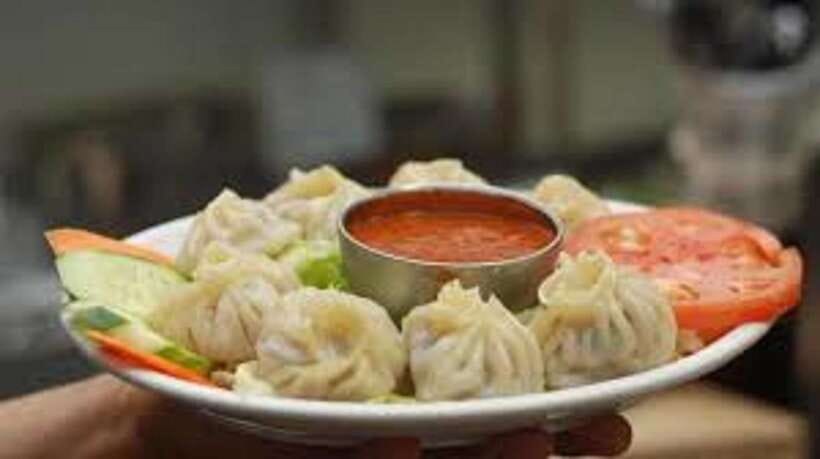
Pickup is included, and they’ll collect you within the Lakeside area. That matters because Pokhara’s main tourist strip can be a little spread out, and you don’t want to burn time figuring out transport right at the start.
Once you’re picked up, you’ll head to the local café where the class is run. One commonly used venue in past sessions has been Cafe Nirvana, which gives you a sense of the vibe: a regular neighborhood café setup rather than some tourist kitchen theatre. You’ll get a glass of cold drinks per person, which is a nice reset if you’re arriving after walking around Lakeside.
You should also plan for the “what to bring” basics. You’ll need a passport or ID card. And if you’re carrying luggage or large bags, this isn’t the right class to bring them. The class is for people traveling light and comfortable working in a food-prep space.
The 10-Minute Welcome: What You Learn Before Your Hands Start Moving
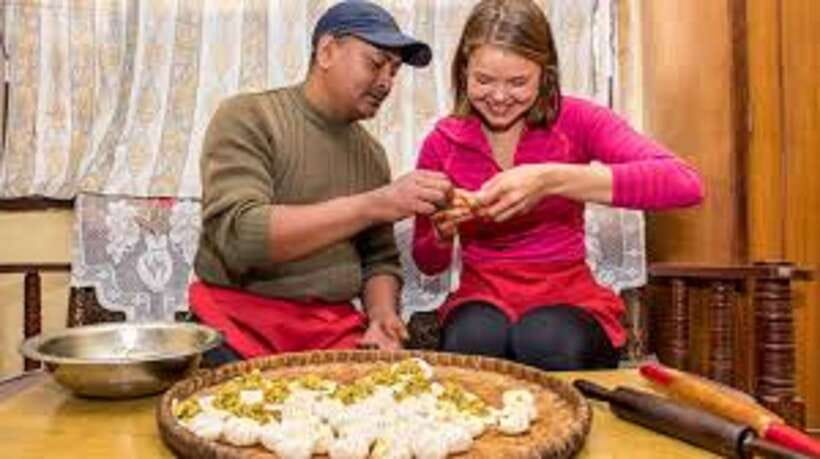
Before anyone touches dough, you’ll get a quick introduction. Expect a brief overview of momo and why they matter in Nepalese food culture. Then the instructor sets expectations by walking you through the ingredients and equipment you’ll use.
This part sounds small, but it’s useful. When you know what’s going into the filling and why the dough needs rest, the later steps make more sense. It also helps you follow instructions even if you’re new to dumpling-making.
Language support is built in. The instructor can work in English and Hindi, which makes a difference when you want to ask a question and actually get an answer that clicks.
Filling Creations: Choosing Your Style and Building Flavor
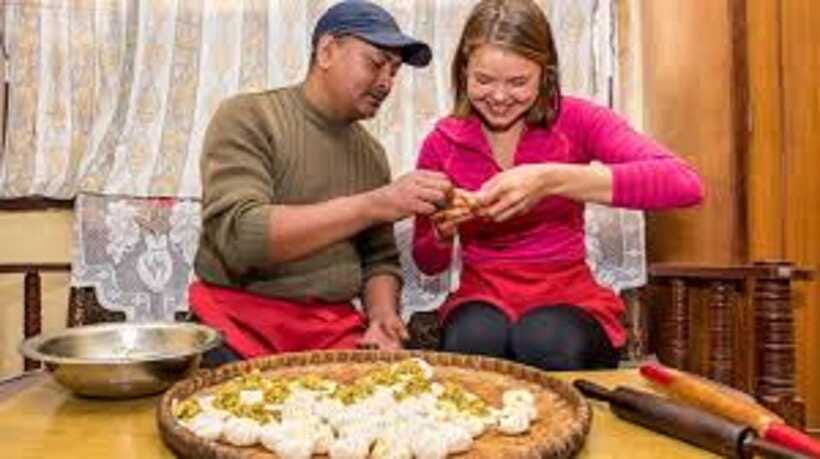
This class gives you clear filling options—vegetarian, chicken, or meat. In other words, you’re not stuck with one filling because you’re in a set menu situation. You can choose based on what you like, what you eat at home, and how adventurous you want to be.
The filling stage runs about 40 minutes. Here’s what makes it more than “chop and mix”:
- You get guidance on ingredients and how they work together
- You learn how the filling is prepared with your chosen option
- You get hands-on time, not just watching
If you’re vegetarian, this can feel especially satisfying because momos in Nepal often follow the same dumpling logic as meat ones—wrap, seal, steam—while the flavor comes from the filling balance. If you choose chicken or meat, you’ll likely notice how the filling prep focuses on getting good texture before it ever touches the wrapper.
Making the Dough: The Step That Determines Everything
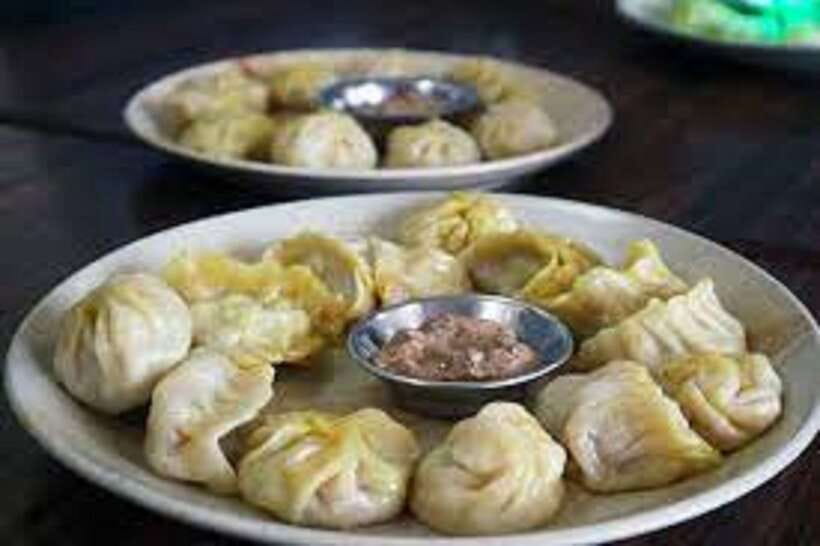
Next is making the momo dough, around 30 minutes. This is where dumpling beginners either gain confidence or get frustrated. The class helps you avoid the frustration by explaining the dough ingredients and why they matter.
You’ll knead and prepare the dough yourself, then let it rest for a few minutes. That rest period is key. Dough that’s rested handles differently when you roll it out, and it helps wrappers become easier to shape.
What to look for: dough consistency. You’re aiming for something that can roll without tearing and seal without springing apart. Since this is a hands-on class, you can ask questions as you go and adjust rather than guessing.
Rolling and Shaping: Pleats, Crescent Moons, and the Reality of Practice
Then comes the stage that most people remember: rolling and shaping the momos. This part is about 40 minutes and includes:
- rolling wrappers to the right thickness
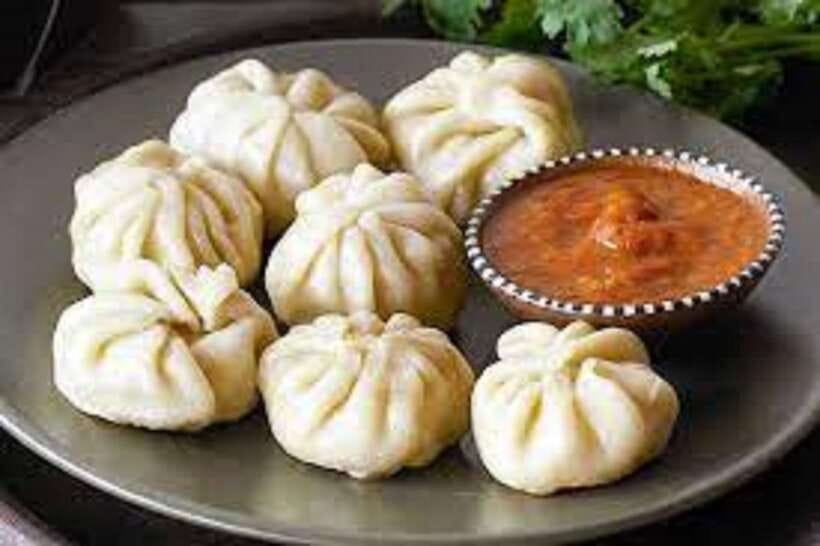
- shaping different styles (including traditional pleats and crescent-moon shapes)
- practicing your own versions
Here’s the truth: folding is a skill. Your first couple might look uneven. That’s normal. In past sessions, even people who struggled a bit with the fold still ended up with dumplings that looked great and tasted excellent once steamed and paired with sauce.
Why folding matters beyond looks:
- Good pleats help keep filling inside
- Consistent thickness helps cooking stay even
- Sealing technique affects how the dumpling holds together during steaming
If you’re the type who likes learning “why” as much as “how,” this stage is perfect. The instructor feedback loop is where you start understanding dumplings as a system, not just a recipe.
Steaming the Momos: How Cooking Changes the Dumpling
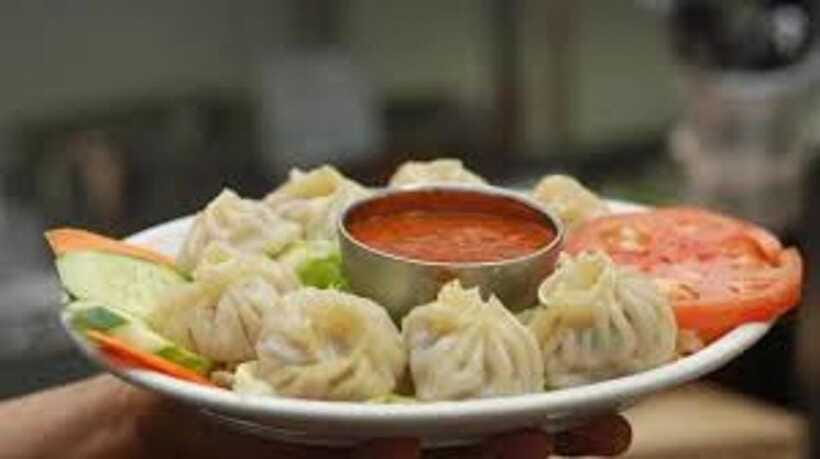
Once your batch is shaped, it’s time to cook. The standard plan includes steaming for about 20 minutes until the momos are fully cooked and tender.
Steaming isn’t just gentle cooking. It’s also a dumpling stress test. The dough needs to seal well, and the wrappers need to hold together under heat. That’s why the folding practice from earlier matters so much.
The instructor also explains the steaming process and tips on setting up a steamer. This is the kind of practical knowledge you can reuse at home later when you don’t have a Nepalese kitchen setup.
One extra note: some past sessions have included dumplings being steamed and also fried. The information you’re given for your class will guide you, but it’s worth knowing the experience may include more than steaming depending on the flow and setup.
Dipping Sauces: Make Your Own Spice Match
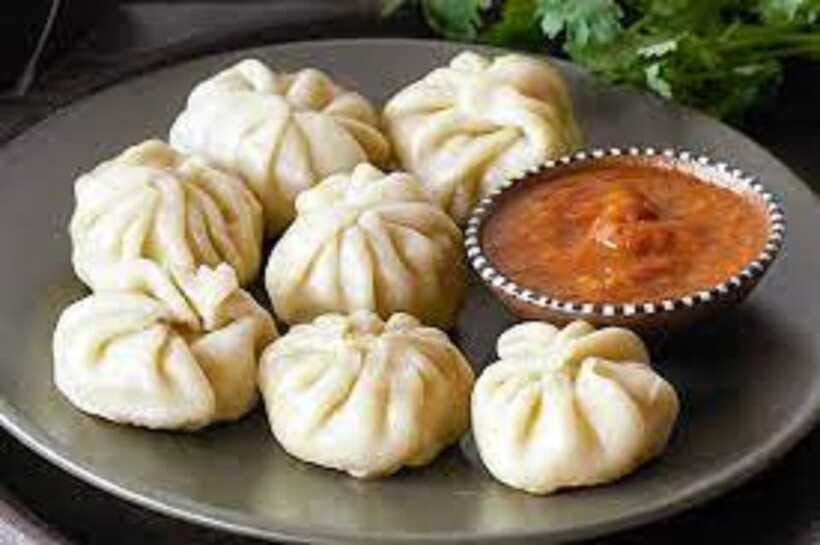
A momo class isn’t complete without sauce. This part runs around 15 minutes and includes:
- a look at different dipping sauce styles (spicy, mild, soy-based)
- demonstrations on how to prepare them
- hands-on sauce-making so you can customize
You’ll taste what you made with the sauces you created. That’s not just fun—it’s a smart learning tool. Different fillings can handle different spice levels, and the sauce affects the final balance more than many people expect.
If you’re cautious with heat, you can aim for mild. If you like punchy flavors, you can go spicier. And if you’re sauce-driven at home, this is where you’ll pick up ideas you can recreate later even if you never replicate the exact fold pattern.
The Tasting Extravaganza and Feedback Loop
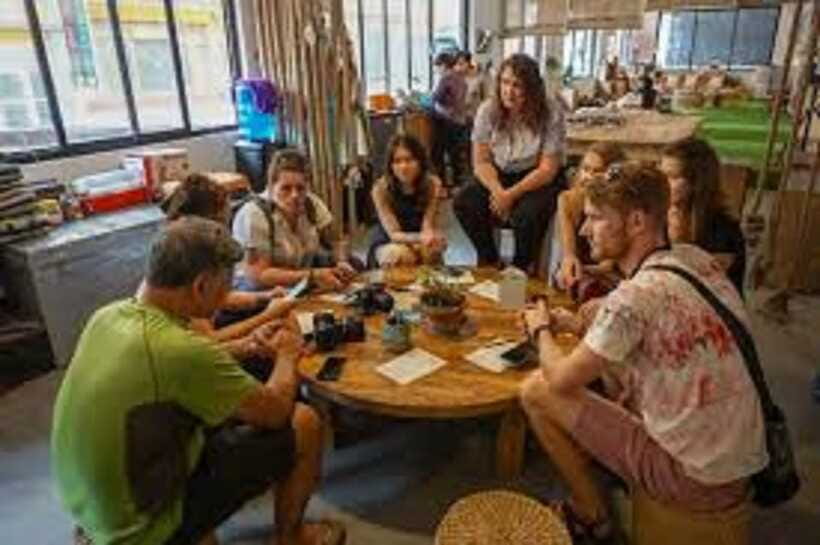
Your class ends with tasting, typically about 15 minutes. You gather and eat your momos, then the instructor provides feedback and answers questions.
This is a helpful moment because it turns your “I think I did it right” into actual information. If something didn’t work as expected—dough too thick, seal not great, sauce ratio off—you can get guidance in plain terms before you forget the lesson.
This is also where the class energy clicks. Dumplings are social food. Even if you’re quiet in group settings, you’ll have something concrete to focus on while you eat: texture, flavor, and whether your sauce choice works with your filling.
The last 10 minutes are open Q&A and wrap-up. You’ll get a recap of the steps and techniques learned, which makes it easier to remember the process later.
Price and Value: What $29 Gets You (and Why It’s Fair)
At $29 per person for 3 hours, this class is priced for real value, not just a quick snack stop. Here’s what’s included:
- hotel pickup and drop-off (from the Lakeside area)
- a glass of cold drinks per person
- all momo cooking materials
What’s not included:
- food and drinks for extra purchases (available if you want more)
The value comes from the fact that you’re not just watching or sampling. You’re doing multiple stages—filling, dough, shaping, and sauces—and you get to eat your own results. Many “food experiences” focus on tasting; this one focuses on making. That difference matters because it gives you something useful after the last bite.
Private group also helps. Even if you’re traveling with friends, the class being private can mean better time with the instructor rather than being one face in a crowded line.
Who This Class Suits Best (And Who Might Feel It’s Not for Them)
This experience is ideal if you:
- want an activity you can learn from quickly
- like hands-on cooking rather than only sightseeing
- want a meal with a story you can explain back home
- enjoy practical lessons you can repeat later
It’s also a great choice for couples or small groups because the class can be interactive. In at least one past experience, the class was just two people, which meant more focused instruction and less waiting.
On the other hand, it’s not a fit if you have mobility impairments. The class involves working in a food prep environment and moving through steps that aren’t described as accessibility-friendly.
What to Do Before and After to Get the Most Out of It
Before you go:
- wear comfortable clothes you don’t mind getting flour or dough on
- bring your passport or ID
- keep bags small since large luggage isn’t allowed
After the class:
- plan a relaxed meal or a short walk around Lakeside. You’ve already cooked and tasted, so you won’t need a huge dinner right away
- if you want to repeat the dumpling experience at home, write down what filling you chose and what sauce you liked most while it’s fresh
Also, remember this is weatherproof in spirit. It runs rain or shine, so have a light plan for wet weather around pickup and your café arrival.
Should You Book the 3-Hour Pokhara Momo Class?
If your goal is to leave with a real skill and not just a full stomach, I’d book it. The combination of hands-on dough, folding practice, and sauce-making gives you a complete dumpling workflow in a short window. At $29 with pickup, materials, and drinks included, it’s a straightforward deal.
Skip it only if you need accessibility support or you’d rather spend your time on a purely visual activity. If you enjoy cooking classes even a little, this is one of the more practical, memorable options in Pokhara—because you’re taking home something you can actually make again.
FAQ
How long is the Pokhara Momo cooking class?
The class duration is 3 hours.
Where does pickup happen?
Pickup is included and they will pick you up within the Lakeside area.
What’s included in the price?
It includes hotel pickup and drop-off, a glass of cold drinks per person, and all momo cooking materials.
What languages are the instructors?
The instructor speaks English and Hindi.
Do I need to bring anything with me?
You should bring your passport or ID card.
What is not allowed during the class?
Luggage or large bags are not allowed.
Is the class held in bad weather?
The class takes place rain or shine.
Is the class suitable for people with mobility impairments?
It is not suitable for people with mobility impairments.