REVIEW · CAGLIARI
Sardinia Cooking Class: Fresh Handmade Pasta
Book on GetYourGuide →Operated by Sardinia To Do · Bookable on GetYourGuide
Few things beat learning pasta at home.
This Sardinia cooking class takes you to Sinnai, just outside Cagliari, where you’ll make fresh handmade pasta with a local couple in their traditional Campidanese house, cats and a dog included. I like that it’s a small-group lesson capped at 10 people, so the teaching stays hands-on and personal rather than rushed.
What I like most is the real, lived-in feel: you’re not watching from the sidelines. You’ll spend real time shaping malloreddus and closing culurgiones the Sardinian way, then sit down to eat together with wine and typical products—often in the garden. The one thing to consider: this happens in a home with animals, so if you have an animal allergy, this isn’t for you.
In This Review
- Key takeaways before you go
- Sinnai near Cagliari: why this feels like a real Sardinian day
- The pasta lesson: malloreddus and culurgione (and how locals think about them)
- Malloreddus (the Sardinian gnocchi)
- Culurgiones (ravioli-style, closed the Sardinian way)
- What else you’ll taste
- Inside the 3–5 hour experience: a home-kitchen flow that stays practical
- Welcome and getting set up
- Mixing and shaping: your hands do the work
- Cooking and sitting down together
- Wine and typical products
- The meal: Sardinian hospitality at the table
- Value check: is $92 per person worth it?
- Who this is best for (and who should pass)
- Practical tips to get the most from your pasta class
- Should you book Sardinia’s fresh pasta class in Sinnai?
- FAQ
- Where is this cooking class located?
- How long does the class last?
- What pasta will I learn to make?
- How big is the group?
- What languages are the live guides speaking?
- What’s included in the price?
- Are there animals in the home where the class happens?
- What if I have dietary requirements?
- Can I cancel and pay later?
Key takeaways before you go
- Sinnai location: a small town near Cagliari, with traditional Campidanese houses and a community feel
- Two pasta types, done by hand: malloreddus (Sardinian gnocchi) and culurgione (ravioli-style, closed in a special way)
- Hands-on teaching: the hosts explain step-by-step and make sure everyone gets involved
- Eat what you make: you’ll cook the pasta and enjoy a shared meal with wine and typical starters
- Small group size: limited to 10 participants, so questions don’t get lost
- House pets on site: cats and a dog live in the home, which matters for allergies
Sinnai near Cagliari: why this feels like a real Sardinian day
This class is set in Sinnai, a quieter town just outside Sardinia’s capital, Cagliari. The setting matters. You’ll see the kind of Campidanese-style houses that still show up in the historic center—mud-brick walls with wooden roofs. That’s the vibe here: not a staged studio kitchen, but a lived-in home where the pace is slower and the conversation is part of the meal.
The home itself has a friendly, familiar feel because it’s run by a local couple and their family. One detail I’d file under practical: cats and a dog live in the house. If you’re comfortable around animals, it adds to the warmth. If you’re not, you’ll feel it quickly.
The pasta lesson: malloreddus and culurgione (and how locals think about them)
You’ll focus on two traditional shapes that Sardinia takes seriously:
Malloreddus (the Sardinian gnocchi)
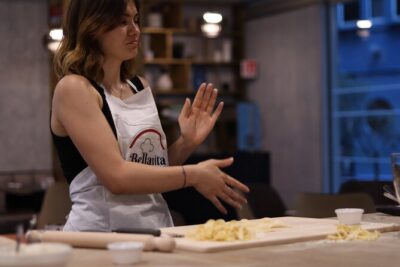
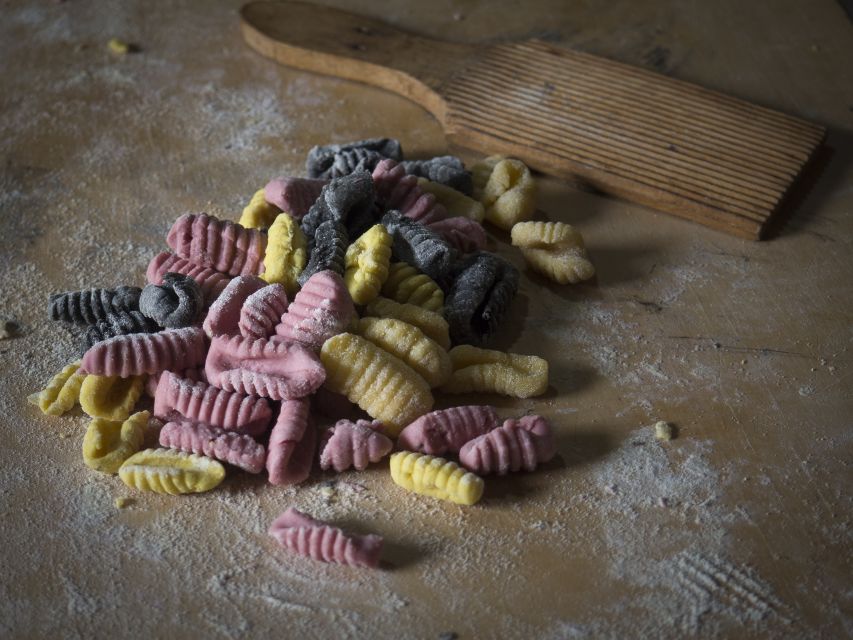
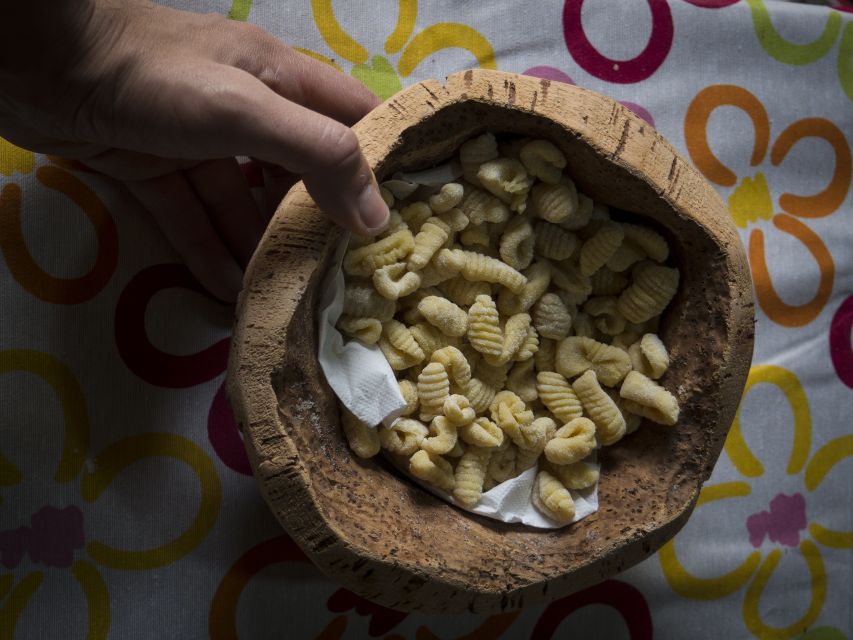
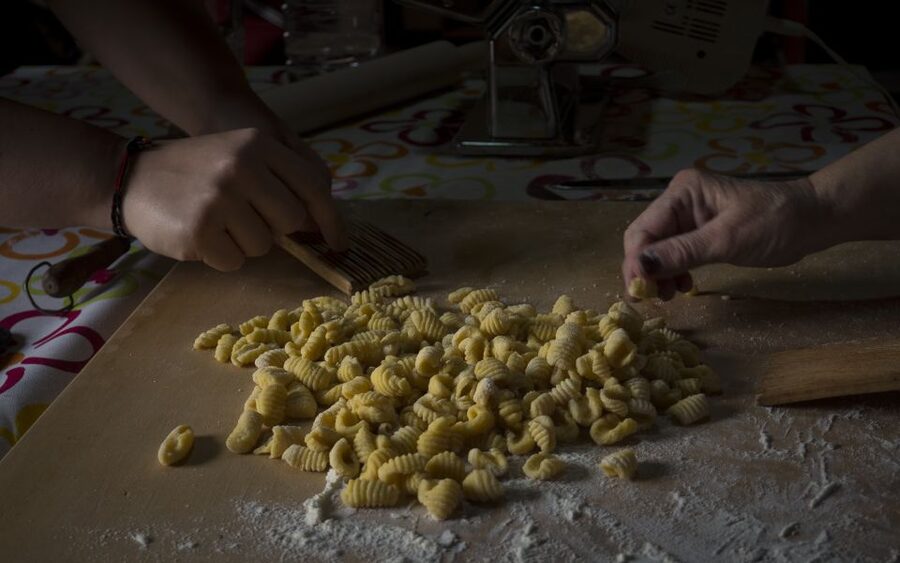
Malloreddus are often called Sardinian gnocchi, but they’re made as pasta—not potato dumplings. In class, you’ll learn how to shape them by hand and work the dough and texture so they cook up well. You’re not just forming shapes for show; the goal is a pasta that holds sauce.
Culurgiones (ravioli-style, closed the Sardinian way)
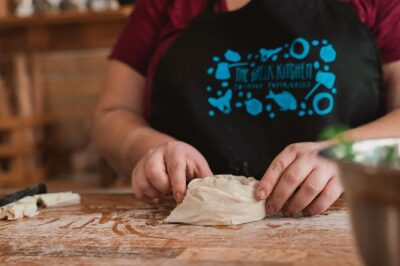
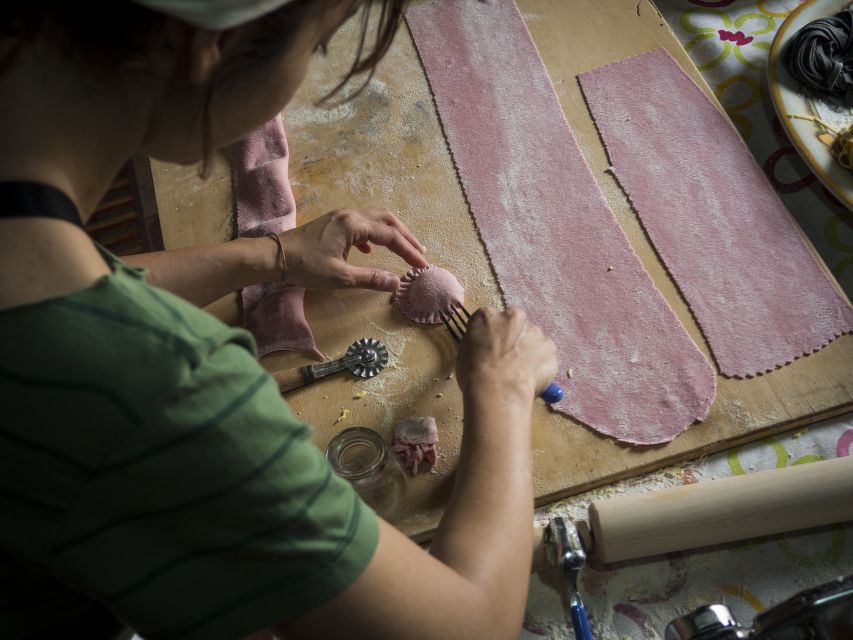
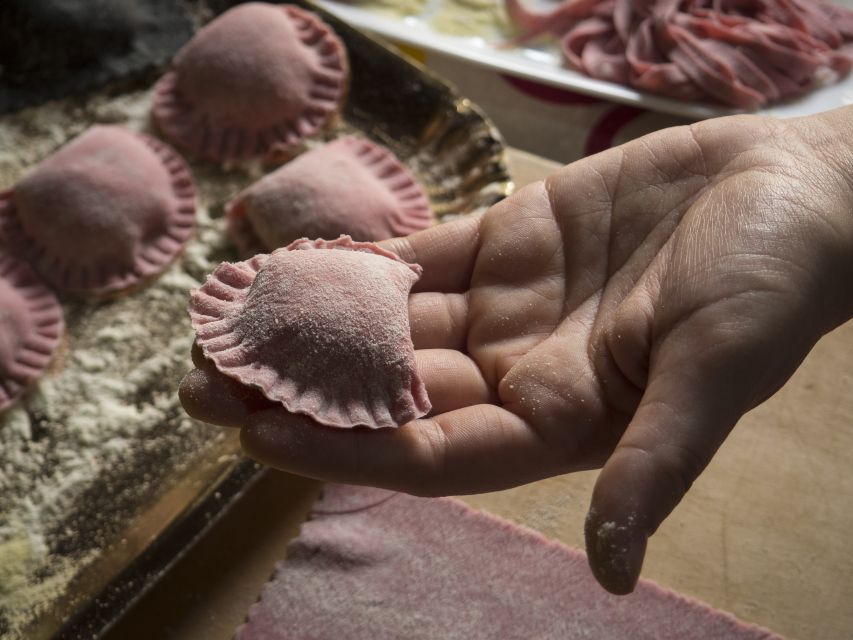
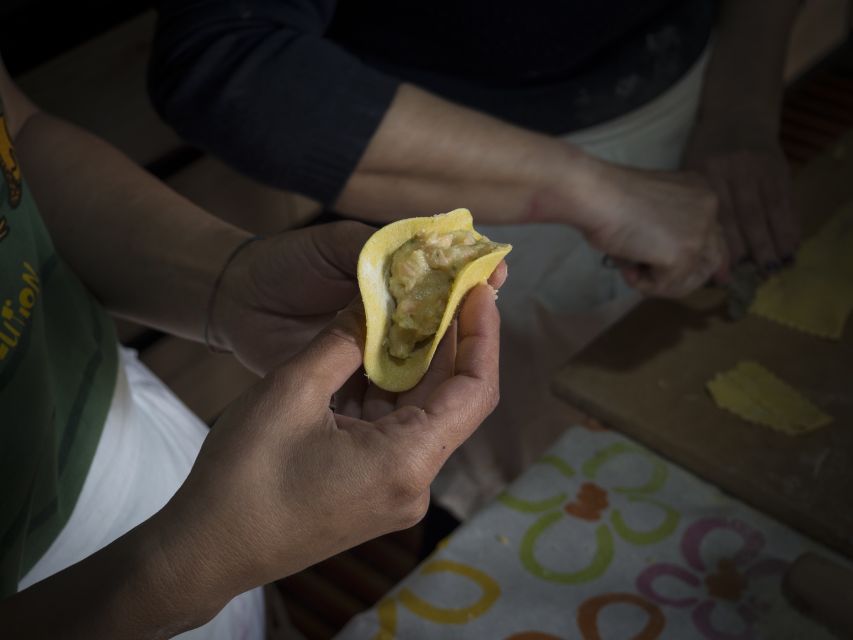
Culurgiones are ravioli-like pockets, but the closing method is the point. You’ll learn the “peculiar” way they seal them, which is part of why these are such recognizable Sardinian favorites. Even if you’ve made pasta elsewhere, the folding and sealing technique is usually the moment where you go from theory to real skill.
What else you’ll taste
In addition to what you make, you’ll taste Sardinian dishes as part of the meal—ravioli, culurgione, and malloreddus. This matters because it helps you understand how the same ingredients and pasta styles show up on a plate. You’ll get a clearer sense of what’s considered normal in the region, not just what you personally shaped.
Inside the 3–5 hour experience: a home-kitchen flow that stays practical
The day runs about 3 to 5 hours, and that time block is the sweet spot for learning something real without turning it into a full-day tour marathon.
Here’s the rhythm based on how the class is described and how people experience it:
Welcome and getting set up
When you arrive, expect a relaxed welcome and a light start—some groups mention aperitivo together outdoors, and others mention coffee and biscotti as a first step. Either way, you’re eased into the process before flour starts flying.
Mixing and shaping: your hands do the work
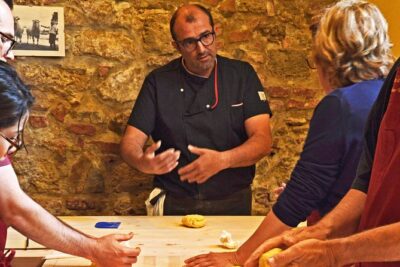
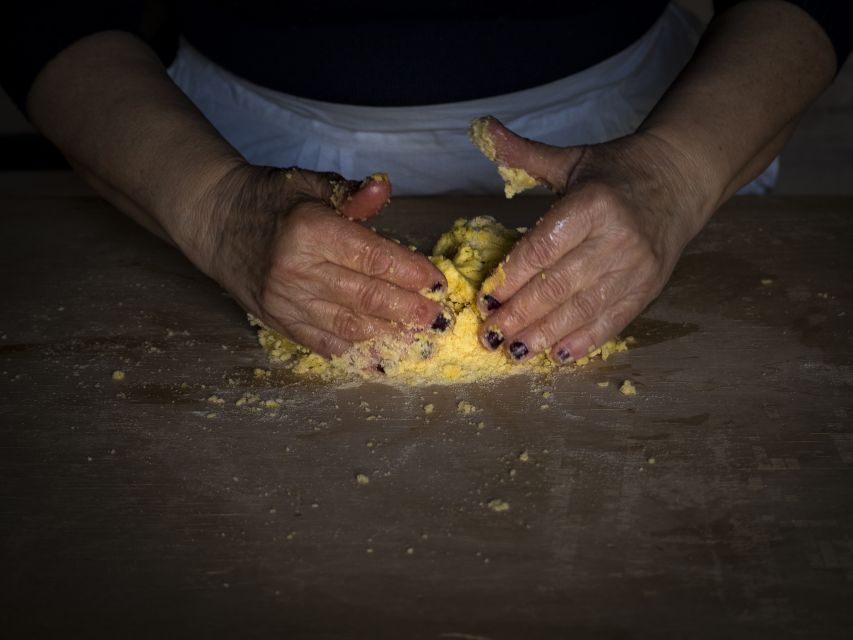
Then you get to the core lesson. The hosts explain each step patiently, and they’re actively checking in so you don’t get stuck. What people highlight most is the “everyone participates” feeling. Even if you’re not a confident cook, the teaching approach is built around small adjustments: how to handle the dough, how to work the filling, and how to form each pasta shape correctly.
If you want a quick mental prep: go in expecting to get flour on your sleeves and slow down. This is a do-the-work class, not a watch-a-demo class.
Cooking and sitting down together
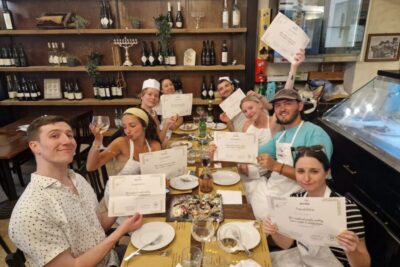
Once your pasta is shaped, the cooking happens and then you all eat together. Reviews often mention an outdoor patio moment—wine and antipasto—followed by lunch at a dining table, sometimes with views over the garden. That “cook, then share” structure is more than just nice. It connects the technique to the payoff. You see what a good closure looks like once it’s on the plate.
Wine and typical products
A glass of local wine is part of the experience, and lunch and wine are included if you select that option. You’ll also have other typical products. This is one of the best ways to understand regional food: you don’t only taste a dish once, you taste it in context, with the pasta you made as the centerpiece.
The meal: Sardinian hospitality at the table
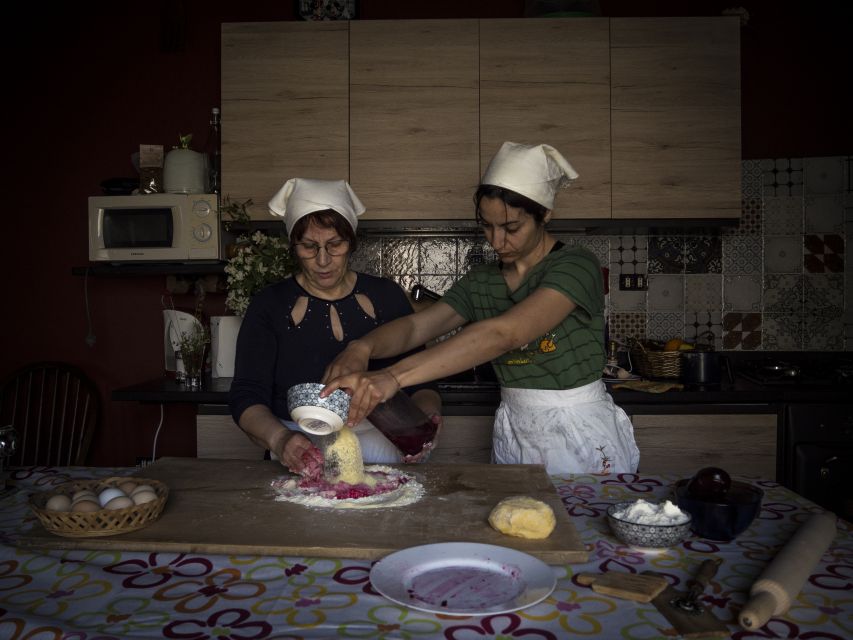
If you’re choosing a pasta class, you probably expect food. What you may not expect is how social the meal portion feels.
People describe the atmosphere as relaxed and welcoming, with real conversation and an almost family-style hosting approach. In many cases, you’re eating with the hosts’ family as well, which gives the meal weight. It’s not a transaction. It’s a shared lunch where the pasta you worked on is the main event.
And because this class includes wine and typical starters, you’re not left wondering what to do with your appetite after learning. Your work becomes dinner.
Value check: is $92 per person worth it?
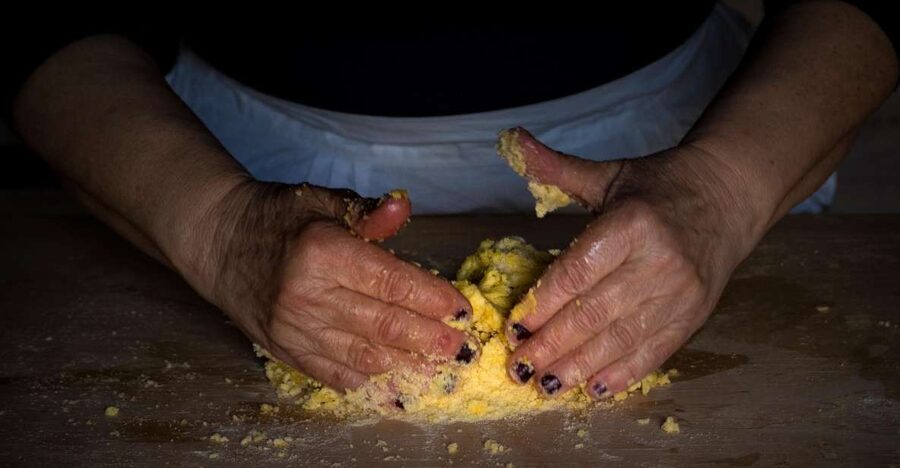
At $92 per person for a 3–5 hour class, the value depends on what you want from Sardinia.
Here’s why it can feel worth it:
- Small group (max 10): you get real instruction and attention. That usually means better learning and less waiting around.
- Hands-on cooking in a home: you’re inside a traditional house in Sinnai, not in a large commercial kitchen.
- You learn two local pasta styles: malloreddus and culurgione are not identical tasks, so you’re getting more than one “demo shape.”
- A meal is part of the package: lunch and wine are available with the option selected, plus local starters/typical products.
- Transfer on request (free pickup within 20 km of Cagliari area hotels): that can be a big deal if you’re staying outside the center.
One caution from experience-style feedback: a few people felt it might be overpriced because it’s hosted in someone’s private home. That’s the trade-off with authentic, home-based experiences. You pay for the access and hospitality, not a standardized facility. If you’re the type who wants a polished, impersonal workshop, you might feel the cost more sharply.
Who this is best for (and who should pass)
This is an especially good match if you:
- want a hands-on cooking class instead of a passive tasting
- like food experiences that are also cultural—history and everyday life through how pasta is made
- enjoy meeting people and learning with a small group
It also fits animal lovers, because cats and a dog are part of the setting. One practical takeaway: if you have animal allergies, this is not suitable.
If you’re traveling solo, this small group format can work well. You’ll be paired with others in a shared workspace, and you’ll sit down together afterward. If you’re traveling with kids, note that at least one participant described their 7-year-old granddaughter joining in. Still, you should judge based on your child’s comfort with hands-on food prep.
Practical tips to get the most from your pasta class
A few things I recommend based on how these classes function in real life:
- Ask about dietary needs when booking. The class asks you to advise dietary requirements ahead of time, and that’s your best shot at a comfortable meal.
- Wear clothes you can flour. Even with care, pasta-making gets messy.
- Plan for the full meal time. You’ll likely start with a welcome drink/snack, then work for hours, then eat. Don’t schedule anything tight right after.
- Bring curiosity, not perfection. The technique matters, but part of the fun is learning as you go, with patient help.
- Take your time with the shaping. Culurgiones’ sealing and malloreddus shaping are the real learning moments.
Should you book Sardinia’s fresh pasta class in Sinnai?
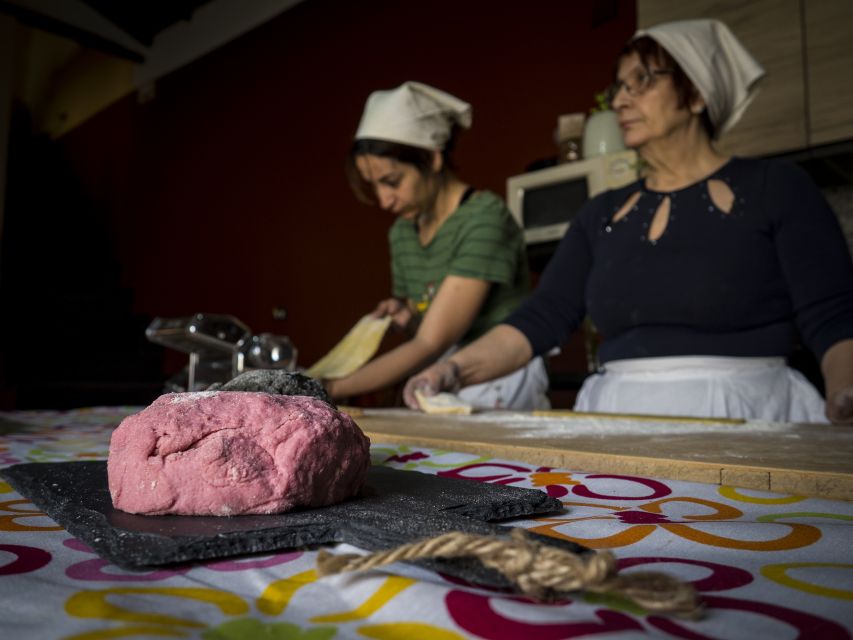
If you want an authentic Sardinian food experience, I think this class is a strong choice. The combo of two pasta types, small group size, and the fact that you eat with the hosts turns it from a “class” into a real local afternoon. The setting near Cagliari in Sinnai also helps you get out of the main city routine without losing convenience.
Book it if you’re comfortable around cats and a dog, and if you’re excited to do the hands-on work. Skip it if animal allergies are a concern, because the experience is literally in a home with pets.
If you’re on the fence, compare your priorities: do you want technique and a shared meal in a real house? Or do you want a fully commercial, allergy-controlled, no-surprises environment? If it’s the first, this is the kind of day you’ll remember.
FAQ
Where is this cooking class located?
It takes place in Sardinia, in the small town of Sinnai, near Cagliari.
How long does the class last?
The experience runs about 3 to 5 hours, depending on the starting time available.
What pasta will I learn to make?
You’ll make traditional Sardinian pasta including malloreddus and culurgiones (pasta closed in a distinctive way). You’ll also taste Sardinian ravioli, culurgione, and malloreddus as part of the meal.
How big is the group?
It’s a small group limited to 10 participants.
What languages are the live guides speaking?
The live guide offers Spanish, English, and Italian.
What’s included in the price?
A local guide is included. Lunch and wine are included if you select the option. Transfer is available on request, with free pick-up at hotels in the Cagliari area up to 20 km.
Are there animals in the home where the class happens?
Yes. The house has cats and a dog. It’s not suitable for people with animal allergies.
What if I have dietary requirements?
You should advise of any dietary requirements when booking.
Can I cancel and pay later?
You can reserve now and pay later. You can cancel up to 24 hours in advance for a full refund.