REVIEW · GALLE
Sea waves sri lankan cooking class
Book on Viator →Operated by Sea waves cooking class · Bookable on Viator
Curry lessons start at the beach market. This Sea Waves Sri Lankan cooking class in the Galle area takes you from ingredient shopping to cooking at a local family restaurant, then finishes with a meal you helped make. You cook in an open kitchen with jungle views, so you might spot monkeys and birds as you work, and the instruction is led by Susanthi, an English-speaking chef with more than 30 years of cooking experience.
Two things I like a lot: the hands-on market-to-kitchen flow (fish and vegetables chosen by you), and the fact that everything you need is provided—ingredients, tools, and guidance—so you’re not guessing. One thing to think about: it’s promoted as private, but it’s smart to confirm your exact group size when booking.
In This Review
- Key Things to Know Before You Cook
- Entering the Sea Waves Kitchen in Unawatuna
- Market Stop 1: The Fish Market and Picking Your Starting Point
- Market Stop 2: Vegetables, Choices, and the Flavor Logic
- Arriving at the Local Family Restaurant Kitchen
- Meet Susanthi: A 30+ Year Chef Teaching in Real Time
- The Cooking: Blending Spices and Building a Sri Lankan Curry
- Lunch at the End: Eating Your Own Work
- Price and Value: Is $59 Worth It?
- Logistics That Actually Matter (Time, Transport, Tickets)
- Weather and Outdoor Kitchen Reality Check
- Who This Class Is Best For
- Should You Book Sea Waves Sri Lankan Cooking Class?
- FAQ
- Where does the cooking class start?
- How long does the class take?
- How much does the experience cost?
- Is this a private cooking class?
- What’s included in the class price?
- Do you visit markets before cooking?
- What do you cook during the lesson?
- What time does the class begin?
- What happens if the weather is bad?
- What is the cancellation policy?
Key Things to Know Before You Cook
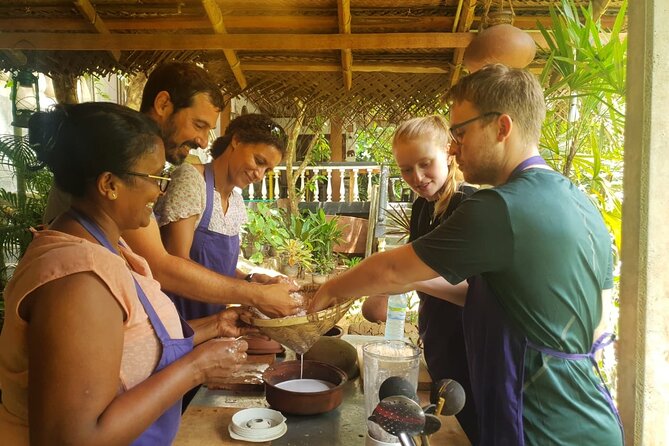
- Market shopping first: you visit a fish market and a vegetable market before you start cooking
- Choose your ingredients: you pick what you want to cook, then build your meal around that choice
- Open-air, jungle-view kitchen: cooking happens where you can see monkeys and birds
- Chef-led, English instruction: Susanthi guides you through the why and how of Sri Lankan dishes
- A full meal at the end: you sit down and dine on what you cooked, not just taste bits
- Fish or chicken option: your dish centers on five vegetables plus fish or chicken, based on preference
Entering the Sea Waves Kitchen in Unawatuna
The start point is Sea Waves Restaurant & Cooking Classes on Dunwella road in Unawatuna (Yaddehimulla), and the session runs about 3 hours starting at 10:00 am. This is designed as a small, friendly class at a family setup, not a big factory kitchen, so it feels more like being taught by someone who actually cooks at home.
You’ll also get a quick sense that the class is built around Sri Lanka’s everyday flavors. Instead of only teaching recipes, the chef helps you understand spice blending and cooking technique. That’s the part you’ll use again at home, whether you’re making curry for weeknight dinner or trying to recreate a taste you remember from the coast.
One more practical point: there are two sessions per day, so if you’re building a day around beach time, you’ve got options.
You can also read our reviews of more tours and experiences in Galle.
Market Stop 1: The Fish Market and Picking Your Starting Point
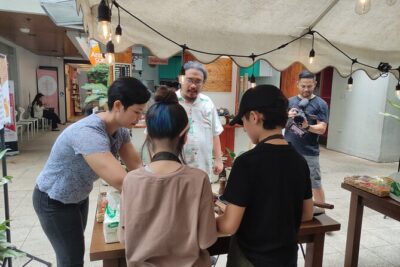
Before you cook, you’ll go to the fish and vegetable markets to choose ingredients. The fish part is where you get grounded fast. Sri Lankan cooking is tied to what’s fresh and seasonal, and starting with fish helps the whole lesson make sense.
What you can expect here:
- You’ll browse and select what you’d like to cook.
- The chef guides you on what to look for, so you don’t have to be a seafood expert.
- You’re setting up the main protein for your dish early, so your cooking plan becomes clear.
If you’re the type who likes to see where food comes from, this is a big win. And it’s not just sightseeing. The market choice shapes what you end up cooking, which turns the class into something you can repeat when you shop at home.
How it could go a little differently:
- The basic plan is fish market first, then vegetables. In at least some cases, people travel between stops by tuk tuk before heading to the restaurant. Don’t assume you’ll walk the whole way—expect some short transport between locations.
Market Stop 2: Vegetables, Choices, and the Flavor Logic
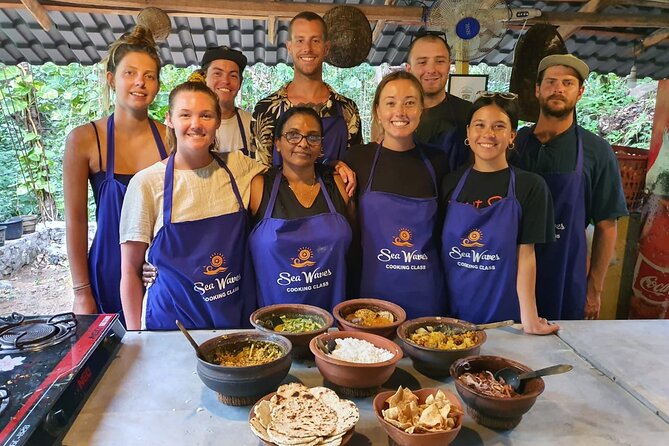
Next comes the vegetable market. This is where Sri Lankan cooking can feel especially approachable because you’re not stuck with a long list of rare ingredients. You’re picking from what’s available, and then the chef uses those choices to teach technique.
The class format matters here. Your final dish is built around five vegetables plus fish or chicken, based on your preference. That structure makes the cooking less mysterious. You’re learning how to combine and season vegetables in a Sri Lankan style, not just memorizing a single recipe.
A few reasons this stop is valuable:
- You’ll learn what different vegetables do in the curry (how they soften, how they hold flavor, and how they balance richness).
- You’ll see how spices work with vegetables, not just meat.
- You’ll get confident picking ingredients, because you’re choosing them yourself rather than copying a shopping list.
If you’re worried about language or confusion at markets, relax. The chef speaks fluent English and guides you through the choices during the experience.
Arriving at the Local Family Restaurant Kitchen
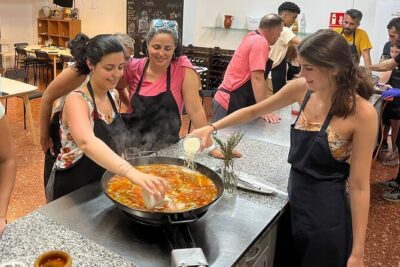
After the markets, you head to the family restaurant where the class happens. This is one of the biggest “quality signals” of the experience: it’s an open-kitchen setup tied to a small business, so you’re not learning in a sterile demo room.
You’ll cook in a space with a jungle view, and people note the atmosphere as part of the fun. Seeing monkeys and birds while you cook gives the whole experience a calm, local feel. It’s a different vibe than most tourist kitchens.
Also, since all ingredients and tools are provided, the class stays focused on cooking. You’re not spending your energy on finding equipment or translating cooking terms.
Meet Susanthi: A 30+ Year Chef Teaching in Real Time
Instruction is led by the chef at Sea Waves cooking classes, and Susanthi is specifically mentioned as an instructor in English by past participants. The chef has more than 30 years of cooking experience and teaches with clear guidance while you work in the kitchen.
Here’s what that means for you:
- You’re not watching from a distance. You’re learning by doing.
- You get explanations while you cook, especially about spices and how they blend.
- The chef helps you adjust as you go, so the dish stays on track.
I also like that the class is designed for small parties. When a cooking class is too big, you end up being a spectator. In this setup, you’re more likely to get individualized attention as questions come up.
The Cooking: Blending Spices and Building a Sri Lankan Curry
This isn’t just a one-dish class. The structure leads you through traditional Sri Lankan fare, and the chef helps you learn how to blend your own spices. That’s the skill behind the flavor.
Based on the class format, you can expect a process that looks like:
- prepping ingredients after market choices are locked in
- building flavor with spices (how much, when, and what to combine)
- cooking vegetables until they’re tender and coated in sauce
- finishing with fish or chicken depending on your preference
- shaping it into a dish the whole group will eat together afterward
Some cooking lessons are heavy on theory. This one is practical. You’ll see the steps in sequence and understand how coconut-based elements and spice mixes fit into the final bowl. (A number of participants specifically call out learning things like coconut milk and classic curry components.)
Even if you don’t know a single spice name, you can still follow along because the chef gives guidance in English and you’re working with provided tools and ingredients.
Lunch at the End: Eating Your Own Work
After class, you dine on what you made. This matters more than it sounds. A lot of cooking experiences end with a few tastes and a quick thank-you. Here, the meal is the payoff.
You’ll sit down and eat the curry and vegetable dish you cooked, with the protein you chose (fish or chicken). It’s a satisfying end point, especially because you’ve been making decisions since the market stops.
Food tastes better when you understand the steps. You’ll likely pick up little flavor cues while eating, like what’s balanced, what’s bold, and what’s next time you’d tweak at home.
Price and Value: Is $59 Worth It?
At about $59 for a roughly 3-hour private cooking class, this is one of those deals that works if you want both food and skill. The value comes from what’s bundled:
- Market visit(s) to select fish and vegetables
- All ingredients and tools provided
- Chef-led English instruction
- Private lesson for your group (as listed)
- A full meal at the end
If you try to recreate this on your own, you’d pay for ingredients plus time plus access to instruction. Cooking classes that include market shopping and a real meal usually cost more in many tourist-heavy areas. Here, the full package is the point.
One small value-related consideration: because sessions run and group format can vary, I suggest confirming your exact start time and group size when booking. You want the lesson to match what you paid for.
Logistics That Actually Matter (Time, Transport, Tickets)
- Start time: 10:00 am
- Duration: about 3 hours
- Meeting point: Sea Waves Restaurant & Cooking Classes, Dunwella road, Yaddehimulla, Unawatuna 80600
- End point: back at the meeting point
- Ticket: mobile ticket
- Weather: the class needs good weather
- Transport: it’s near public transportation, and you may use short transport between market stops
For scheduling, 3 hours fits well between beach stretches and dinner plans. If you’re staying around Galle or Unawatuna, you won’t need a big day-trip commute.
Weather and Outdoor Kitchen Reality Check
The experience requires good weather, which makes sense since you’re working in an open-kitchen setting with jungle views. If weather is poor, you’ll be offered a different date or a full refund.
This is worth factoring into your Galle schedule. Try not to book this on the only day you can’t change anything. But if you have flexibility, the class is a great use of a morning.
Who This Class Is Best For
You’ll probably love Sea Waves Sri Lankan cooking class if:
- you want a hands-on Sri Lankan curry lesson, not just a demonstration
- you like choosing ingredients and learning why they matter
- you want an English-guided experience led by Susanthi or the resident chef
- you care about atmosphere, like an open kitchen with jungle views
It may not be the best fit if:
- you prefer cooking with no market involvement at all (this class starts in the markets)
- you’re very sensitive to being outdoors during the session
- you expect a perfectly empty schedule and you don’t want any chance of mixed group logistics (it’s listed as private, so confirm your group size)
Should You Book Sea Waves Sri Lankan Cooking Class?
Yes, if your goal is to take home a real skill, not just a photo. The combo of market shopping, spice-focused instruction, and then eating what you made is exactly how you turn a “tour” into something practical.
Book it especially if you’re staying in or near Unawatuna and you want a morning activity that feels local. And since the format centers on five vegetables plus fish or chicken, you can tailor the main dish to your tastes.
Before you confirm, do one quick step: message the operator to confirm that your booked private group matches what you expect. Then show up hungry, ready to cook, and you’ll leave with flavors you can repeat.
FAQ
Where does the cooking class start?
It starts at Sea Waves Restaurant & Cooking Classes on Dunwella road, Yaddehimulla, Unawatuna 80600, Sri Lanka.
How long does the class take?
The class runs for about 3 hours (approx.).
How much does the experience cost?
The price is $59.
Is this a private cooking class?
It’s listed as a private tour/activity, meaning only your group participates.
What’s included in the class price?
All ingredients and tools are provided, you get private chef instruction, and you dine on your meal at the end of the class.
Do you visit markets before cooking?
Yes. Before the class, you go to the fish and vegetable market to choose what you would like to cook.
What do you cook during the lesson?
You learn to cook traditional Sri Lankan dishes. The class includes making a dish with five vegetables plus fish or chicken, based on your preference.
What time does the class begin?
The start time is 10:00 am.
What happens if the weather is bad?
The experience requires good weather. If it’s canceled due to poor weather, you’ll be offered a different date or a full refund.
What is the cancellation policy?
You can cancel for free up to 24 hours in advance of the experience’s start time for a full refund. Changes made less than 24 hours before the start time aren’t accepted, and refunds won’t be issued if you cancel within 24 hours.