REVIEW · ALCAMO
Sicilian cooking class in the historic baglio Florio Adamo
Book on GetYourGuide →Operated by Adamo Bio · Bookable on GetYourGuide
Cooking Sicily by hand beats any restaurant meal. In the historic baglio Florio Adamo, you cook inside the former Florio factory kitchen with fresh, seasonal ingredients and no shortcuts.
You’ll learn classic dishes like eggplant caponata/arancine and fresh pasta using Perciasacchi flour, plus a Sicilian dessert. You’ll also eat what you make with the family-style feel of wine, stories, and the estate’s old-world setting.
What I really liked: the lesson is machine-free, with techniques taught the slow, traditional way. I also loved the ingredient focus, especially Perciasacchi flour (ancient wheat produced by the estate), which makes the pasta taste genuinely different.
One thing to plan for: while pickup can be included, the class itself doesn’t include car rides on your own schedule. If you’re coming from farther out, you may need to coordinate separate transport.
In This Review
- Key highlights
- The historic baglio Florio Adamo kitchen: why it feels so real
- Meet Liliana and Vito: a family-team teaching you the Sicilian way
- Perciasacchi flour and garden herbs: the ingredient story you’ll actually taste
- Appetizers you’ll make: caponata, arancine, and classic Sicilian crunch
- Eggplant caponata
- Arancine
- Tomato bruschetta with herbs
- Fresh pasta with Perciasacchi: the hands-on part that sticks with you
- The Sicilian dessert lesson: ricotta cassatelle-style sweetness
- Lunch with wine: what the meal feels like, and how to maximize it
- Price and value: is $94 a good deal for 3.5 hours?
- Logistics in plain terms: pickup, car rides, and what to plan
- Who should book this class (and who might not love it)
- Should you book the Sicilian cooking class at baglio Florio Adamo?
- FAQ
- How long is the Sicilian cooking class?
- What will I learn to cook?
- Does the class include wine?
- Is the cooking done with machines?
- What ingredients are used?
- Is pickup included?
- Is a car ride included for everyone?
- What language is the guide?
- Is it wheelchair accessible?
- What if my plans change?
Key highlights
- Former Florio factory setting: cook in a historic kitchen tied to the Florio family legacy
- Hands-on, no machines: pasta and sauces made the traditional way
- Typical Sicilian menu: caponata/arancine, fresh pasta, and a ricotta dessert
- Seasonal ingredients: herbs from the garden plus fresh farm produce
- Wine with the meal: white and red wines served during the experience
- Take your food home: you can leave with what you cooked
The historic baglio Florio Adamo kitchen: why it feels so real
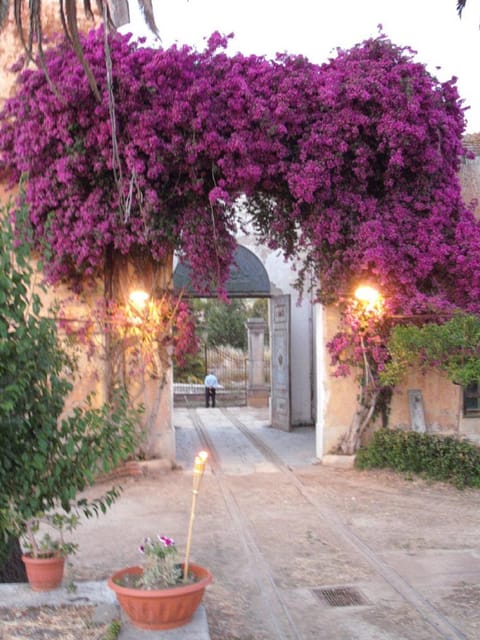
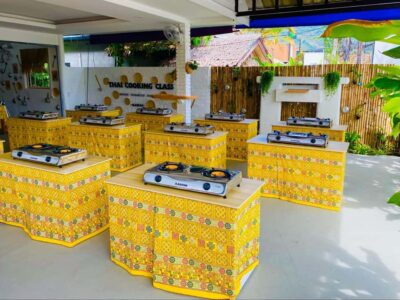
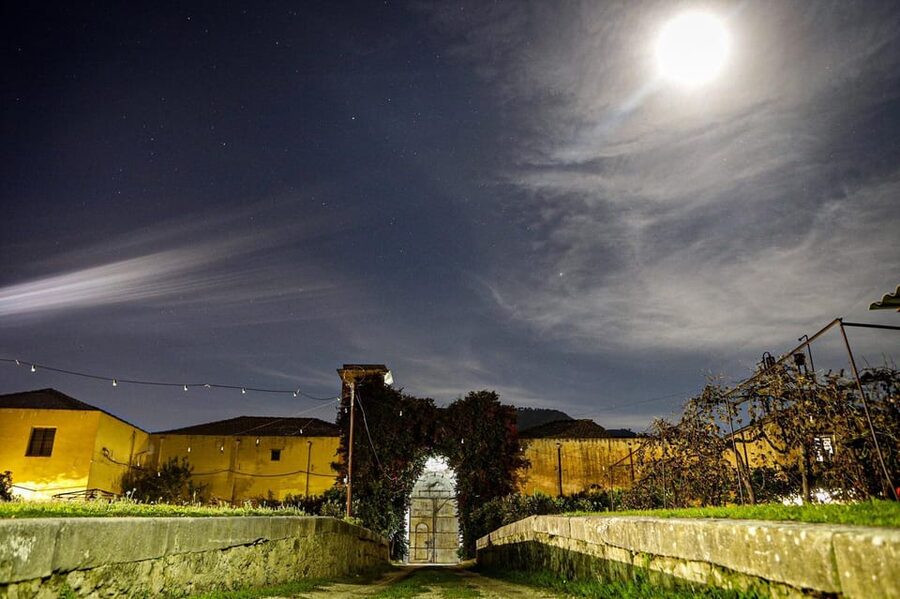
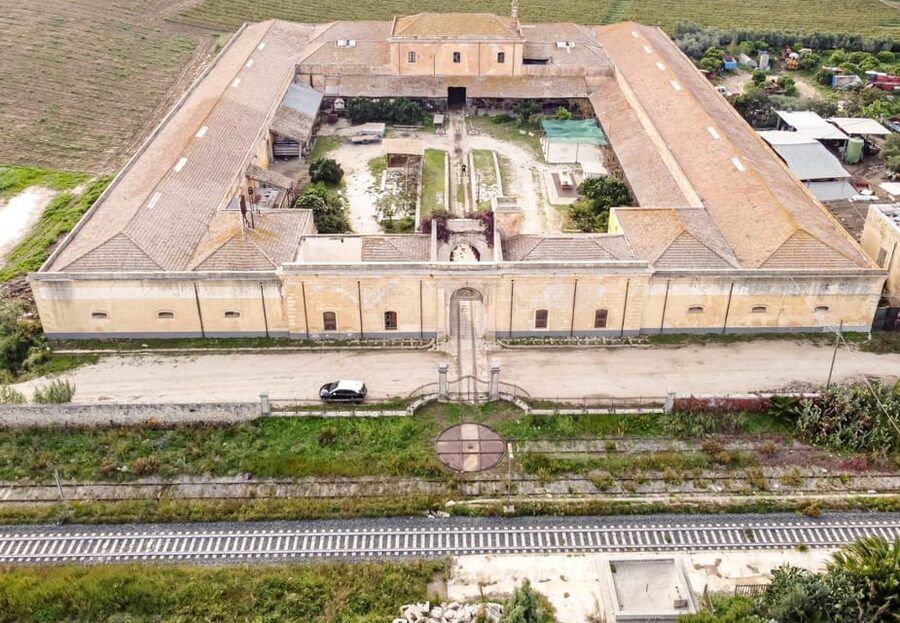
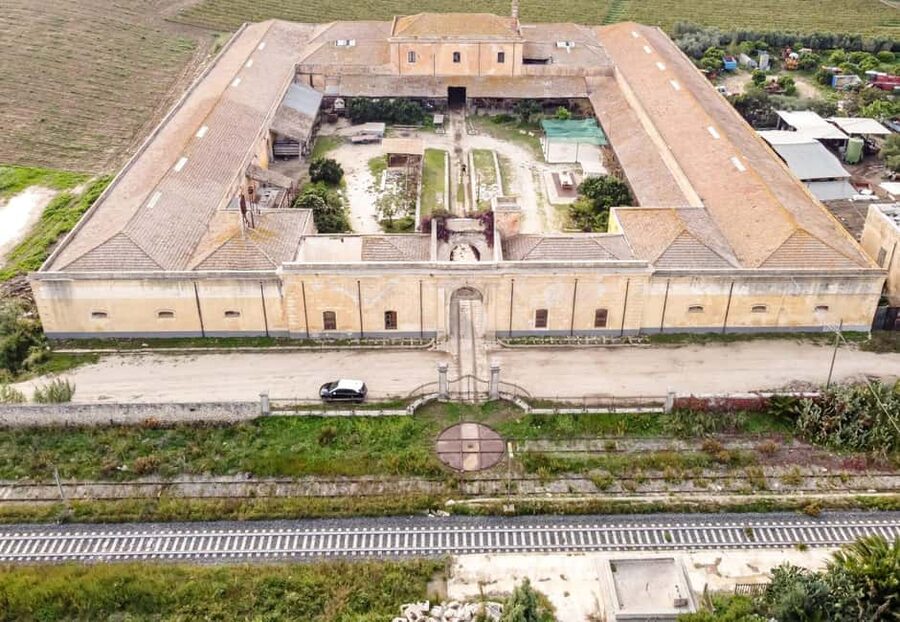
This cooking class isn’t staged in a city restaurant kitchen. You’re in the former Florio factory area, where the space itself sets the tone: old stone, an estate vibe, and that sense you’ve stepped into how people used to live and work here.
I like the “farm-to-table, but older” feeling. You’re using ingredients from the company’s fresh supply, and you’re working in a kitchen that matches the pace of hand cooking. If you’re the type who gets tired of glossy tourist food demos, this format tends to click.
It’s also the kind of place where you can relax and pay attention. When you’re measuring, chopping, stirring, and shaping, you stop thinking like a spectator and start thinking like a cook.
Meet Liliana and Vito: a family-team teaching you the Sicilian way
Liliana is the welcome face you’ll likely meet first, and she sets the tone right away. She walks you through the historical setting, then brings you into the kitchen area under the ancient porch where the real work starts.
On the cooking side, Vito is a name that comes up again and again. He’s described as friendly and patient, and the teaching style is hands-on rather than “watch and take notes.” One review also mentioned a host named Vincenzo handling pickup and adding history of the winery and its role for the family—so depending on timing, you might hear different pieces of the family story from different voices.
What matters for you: you’re not just handed a recipe card. You learn why the dishes work, which is the fastest way to cook them better later at home.
Perciasacchi flour and garden herbs: the ingredient story you’ll actually taste
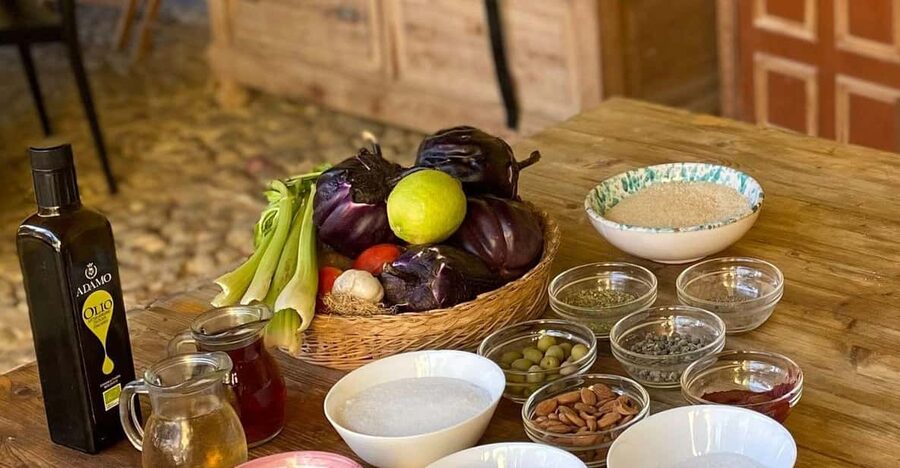
A lot of cooking classes say local and seasonal. Here, it’s tied to specific ingredients from the estate’s own production, which makes it easier to believe you’re getting more than marketing.
The headline ingredient is Perciasacchi flour, made from ancient wheat produced by the company. You’ll use it to make fresh pasta, and you’ll also learn how to match the dough with the right kind of dressing—like an almond pesto.
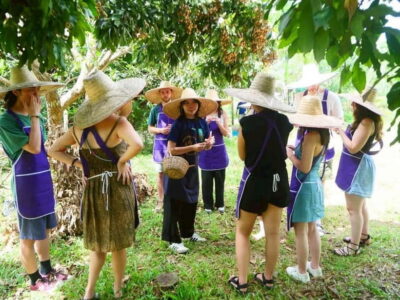
Then there are the garden herbs. The experience specifically calls out aromatic herbs like mint and basil used during the day, including in tomato bruschetta. That’s the difference between “good food” and food that tastes like Sicily right now.
If you like to understand flavor, this class gives you the building blocks: flour choice, herb choice, and the way Sicilians balance sweet, salty, and tangy flavors.
Appetizers you’ll make: caponata, arancine, and classic Sicilian crunch
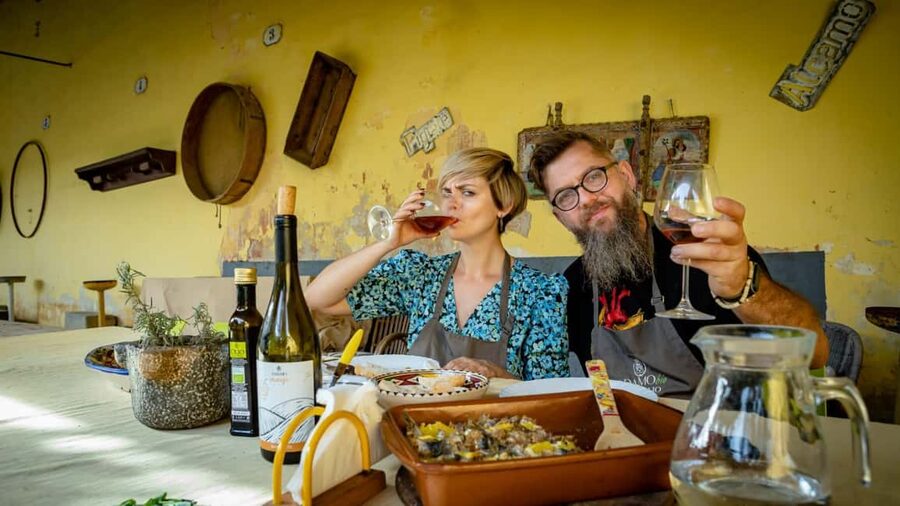
Expect to prepare at least two appetizers. The menu examples include eggplant caponata and arancine—and both are smart choices because they represent two big Sicilian cooking strengths: slow, saucy flavor (caponata) and golden, crunchy satisfaction (arancine).
Eggplant caponata
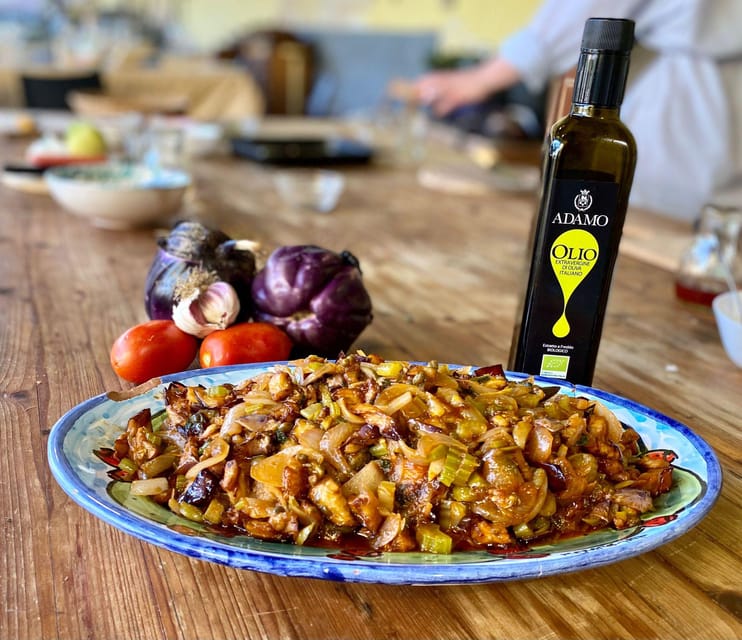
Caponata is one of those dishes people love for a reason: it tastes like it took longer than it really did, mainly because the flavors build in layers. You’ll work through the eggplant process, then combine it into the caponata mixture you can serve warm or at room temperature.
Why this appetizer is worth learning: you can reuse the skills. Once you understand how caponata gets its signature sweet-sour balance, you can adapt it later with what’s in season.
Arancine
Arancine are a hands-on favorite because shaping and frying (or pan-finishing, depending on the class flow) demands attention. The payoff is big: crispy outside, flavorful inside.
In one of the details shared from the experience, there’s also mention of an appetizer highlight featuring a fried apple. Even if your exact menu shifts slightly, it’s a reminder that Sicilian cooking often mixes “unexpected” fruit notes with savory dishes in a way that feels natural once you taste it.
Tomato bruschetta with herbs
You might also make tomato bruschetta using garden herbs like mint and basil. This isn’t fussy food. It’s a practical way to learn how aromatics change a simple dish.
Fresh pasta with Perciasacchi: the hands-on part that sticks with you
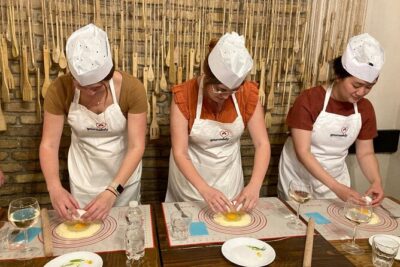
Here’s where the class earns its keep. You’ll make fresh pasta using Perciasacchi flour, and you do it without machines. That means you’ll learn by doing—pressing, shaping, handling the dough—so you understand the texture instead of just copying a step.
Then you’ll make a dressing example like almond pesto. Almond pesto is one of those sauces that feels very Sicilian: nutty, fragrant, and built to cling to pasta. Learning this pairing helps you avoid the common home-cook mistake of using a sauce that doesn’t match the pasta’s feel.
You also get a key lesson in timing. Fresh pasta has a short window between “ready” and “overworked,” and hand-done dough teaches you to move with purpose.
The Sicilian dessert lesson: ricotta cassatelle-style sweetness

No Sicilian cooking class feels complete without a dessert. The experience specifically mentions making a dessert like fresh ricotta cassatelle.
This is a good inclusion for you because it balances the day. Earlier you’re doing savory work—eggplant, frying, herbs, and dough. Then dessert shifts your focus to richness and tenderness, and you end up with a fuller sense of what “Sicilian” tastes like across the whole meal.
And yes, you’ll eat it. The experience is designed so the dishes you cook aren’t just homework—they become your lunch.
Lunch with wine: what the meal feels like, and how to maximize it
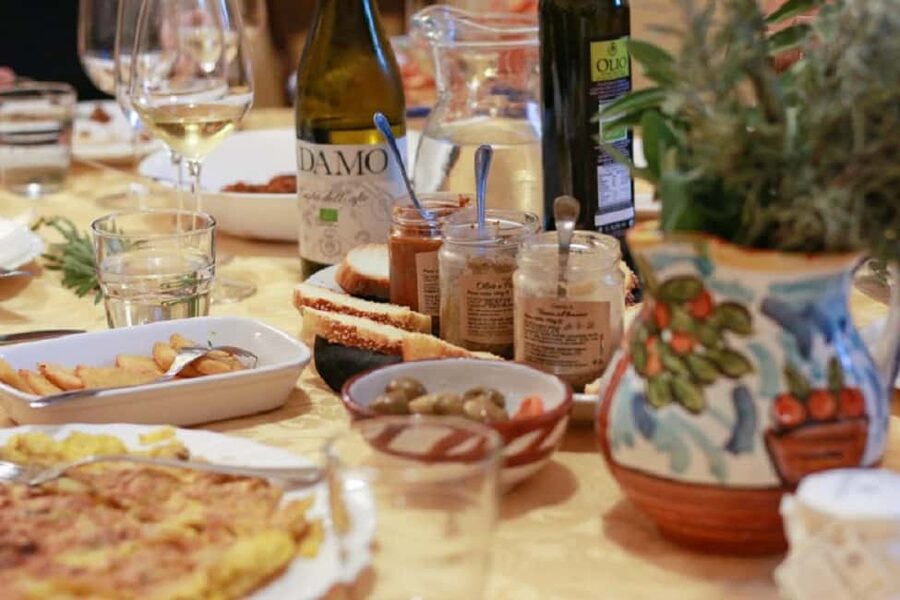
After cooking, you sit down to share steaming dishes. The experience mentions white and red wines, and the overall structure is family-table casual rather than stiff and formal.
This matters for value. Many cooking classes end with a quick taste and a polite goodbye. Here, the meal is the point where you confirm what you learned. You’ll see what worked best, notice textures and seasoning, and understand how Sicilian dishes fit together on a plate.
One useful detail from the experience: you can take everything you prepare together. So if you’re thinking ahead to dinner, plan on leaving with a realistic “what we’ll eat later” plan instead of relying on a random restaurant stop.
If you want to make the day easier, come hungry and pace yourself. Between appetizers, pasta, dessert, and wine, you can easily overshoot at the table.
Price and value: is $94 a good deal for 3.5 hours?
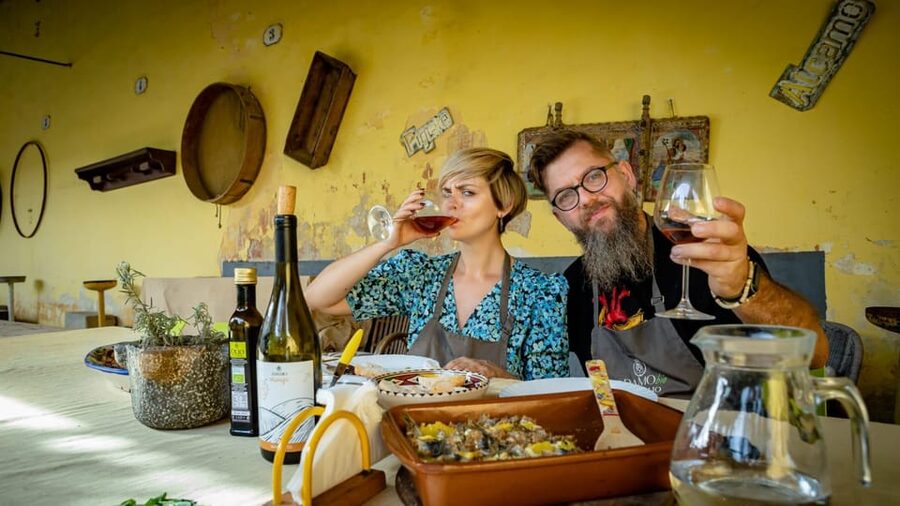
At $94 per person for about 3.5 hours, this class can be excellent value if you care about technique and ingredients—not just the final meal.
Here’s why I think it’s worth it:
- You cook multiple courses, not a single appetizer demo
- You use estate ingredients like Perciasacchi flour and herb work from the garden
- You get wine with the meal and a full sit-down lunch experience
- You leave with your food, which can offset at least one later meal
The time is also practical. Three and a half hours is long enough to learn real steps, but short enough to still enjoy other stops in western Sicily after.
The only “cost” is mental. Hand-cooking is slower than a restaurant rhythm. If you’re the type who wants instant gratification, you might find it takes patience. But if you’re here to learn how the food is made, that slower pace is the point.
Logistics in plain terms: pickup, car rides, and what to plan
The class is set up so you don’t have to drive yourself as the default plan. You’ll have pickup included, though the exact mode can change. You can share your location or a nearby reference point to help them find you.
One caution: while pickup exists, car rides on your own schedule aren’t included as a guaranteed private transfer service. The experience notes that car travel isn’t included, but you can contact them and arrange it separately if you need it.
So my advice is simple: message ahead with your hotel or a clear landmark and ask what’s easiest. Then you can relax during the class instead of worrying about timing.
Also, the experience is listed as wheelchair accessible, which is a big plus for travelers who need an estate experience without complicated stairs.
Who should book this class (and who might not love it)
This is a great fit if you want:
- hands-on cooking lessons in a historic setting
- classic Sicilian dishes like caponata and arancine
- ingredient details you can taste, like ancient wheat pasta and nut-based pesto
- a sit-down meal with wine after cooking
You might think twice if you strongly prefer an air-conditioned, ultra-modern cooking studio. This is an estate environment, and the feel is more rustic and lived-in. One detail from the experience also points to the estate being under renovation at the time of some visits, so you might encounter construction activity depending on when you go.
If you’re okay with that and you value real technique, you’ll likely enjoy it a lot.
Should you book the Sicilian cooking class at baglio Florio Adamo?
I’d book it if you’re the type who learns best by making food, not watching it. The Perciasacchi flour pasta, the no-machine approach, and the chance to cook multiple courses (plus dessert) make this feel like a full experience, not a quick snack lesson.
I’d also book it if you’re already planning a day in western Sicily and want one high-value activity that ends with a proper lunch and food to take home.
If you want, tell me your travel month and where you’re staying in Sicily (city or nearby area). I can help you think through whether timing and transport will be easy enough for your day.
FAQ
How long is the Sicilian cooking class?
It lasts about 3.5 hours.
What will I learn to cook?
You’ll learn to prepare at least two Sicilian appetizers, such as eggplant caponata or arancine. The experience also includes making fresh pasta with Perciasacchi flour and a Sicilian dessert like ricotta cassatelle.
Does the class include wine?
Yes. The experience mentions that you’ll share your meal with white and red wines.
Is the cooking done with machines?
No. The class is described as being done without machines, using traditional methods.
What ingredients are used?
You’ll use fresh, seasonal ingredients from the estate/company, including aromatic herbs from their garden (such as mint and basil) and Perciasacchi flour for the pasta.
Is pickup included?
Pickup is included, and they will pick you up by car (the mode can change). You can provide your location or a frame of reference.
Is a car ride included for everyone?
Car travel isn’t included, but if you contact them you can arrange it separately.
What language is the guide?
The live tour guide is English.
Is it wheelchair accessible?
Yes, the experience is listed as wheelchair accessible.
What if my plans change?
Free cancellation is offered up to 24 hours in advance for a full refund. There’s also a reserve now, pay later option.