REVIEW · CASABLANCA
Market Tour & Moroccan Cooking Class in Casablanca with Transfers
Book on Viator →Operated by Traveling Spoon · Bookable on Viator
Casablanca gets real fast when you start at the market with Chamsi. You’ll shop for ingredients with a local cook, then head to her home for a hands-on Moroccan cooking session in her open-space kitchen, ending with the lunch or dinner you helped make and a glass of wine.
What I like most is the private, local-market shopping with a real sense of how Moroccans buy produce and spices, not a generic list of items. I also love the at-home cooking experience, where you roll up your sleeves for about an hour, eat what you made, and finish with dessert options like milk pastilla, oranges with cinnamon, or Moroccan cookies.
One thing to consider: the market includes a meat market stop that can feel intense. Also, the menu can shift by season, and Friday morning markets may be slower since it’s a prayer day.
In This Review
- Key Highlights You’ll Feel in Day One
- Why This Casablanca Market Stop Beats Most Cooking Classes
- Chamsi’s Home Kitchen: Hands-On Cooking, Not a Performance
- What You’ll Eat: Seasonal Moroccan Meal, Wine, and Dessert
- Timing, Transfers, and How the Day Flows (About 5 Hours)
- Price and Value: How $190 Works Here
- Who This Tour Is Perfect For (and Who Might Want Another Option)
- Practical Tips Before You Go
- Should You Book This Casablanca Market and Cooking Class?
Key Highlights You’ll Feel in Day One
- Meet Chamsi and go from hotel to market with included pickup, so you don’t waste time figuring anything out
- A hands-on cooking session at Chamsi’s home (about an hour), not a sit-and-watch class
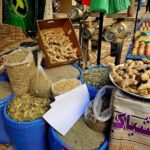
- Spice shopping with explanations, including what’s available and how it fits Moroccan cooking
- Wine with your meal, included as part of the experience
- Vegetarian and dietary requests supported, with advance notice
Why This Casablanca Market Stop Beats Most Cooking Classes
A lot of cooking classes start after the shopping. This one flips the order, and that change matters.
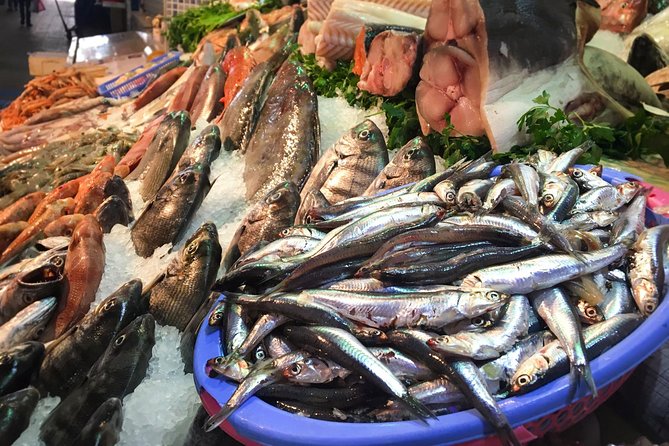
You meet Chamsi at your hotel concierge desk and head straight to the market. The goal is simple: you buy the ingredients together, and Chamsi points out where she gets fresh produce, shows you the spices on offer, and guides you through the layout like you’re learning her routine—not following someone else’s script.
That first stop is where you’ll pick up the small stuff that helps you cook at home later. It’s not just about buying a spice jar. You learn what’s sold, what looks best, and how Moroccans think about building flavor. If you’ve ever tried a Moroccan recipe at home and wondered why it didn’t taste the same, this kind of ingredient context is a big reason.
The meat market portion is a real local experience. It’s not described as polished or staged. If you’re sensitive about sights or smells, plan ahead for that reality. But if you want the full picture of how food culture works here, that stop gives you an honest look at the supply chain you rarely see as a visitor.
You can also read our reviews of more tours and experiences in Casablanca.
Chamsi’s Home Kitchen: Hands-On Cooking, Not a Performance
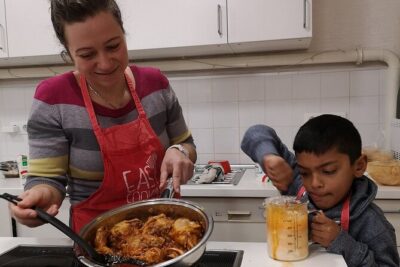
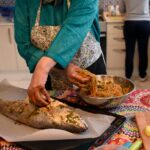
Once the market shopping is done, you ride back to Chamsi’s home by car and switch from buying ingredients to using them. The cooking happens in her open-space kitchen, which tends to make the whole experience feel less formal and more like helping out.
You’ll cook together for about an hour. Some preparation might already be done, so you’re not standing around chopping for the entire session. Still, you’re very much part of the process—working on the meal alongside your host, learning the steps as they go, and picking up practical habits that translate back to your own kitchen.
This is also where conversation becomes part of the lesson. Chamsi isn’t just teaching techniques; she’s sharing how Moroccan food fits daily life. That matters because cooking isn’t only ingredients and heat. It’s timing, comfort with flavors, and knowing what the meal is meant to do on a typical day.
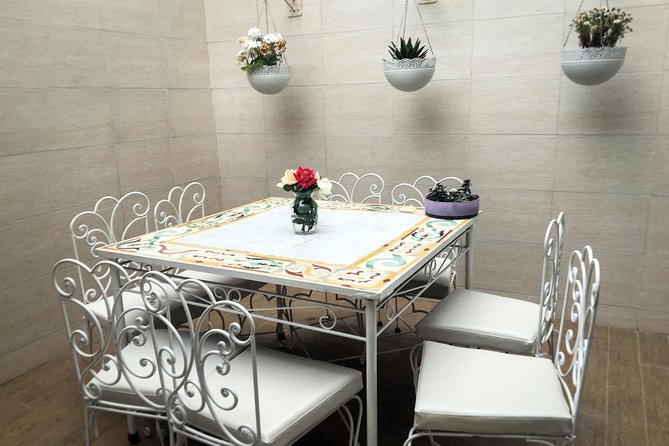
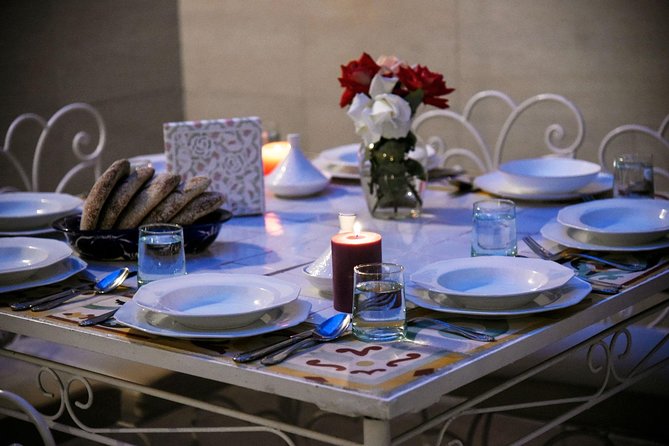
One extra plus for comfort: you’re eating in a home setting, so there’s no classroom feel, no cafeteria vibe, and you can ask questions in a relaxed way. If you enjoy learning through doing, you’ll likely feel right at home.
What You’ll Eat: Seasonal Moroccan Meal, Wine, and Dessert
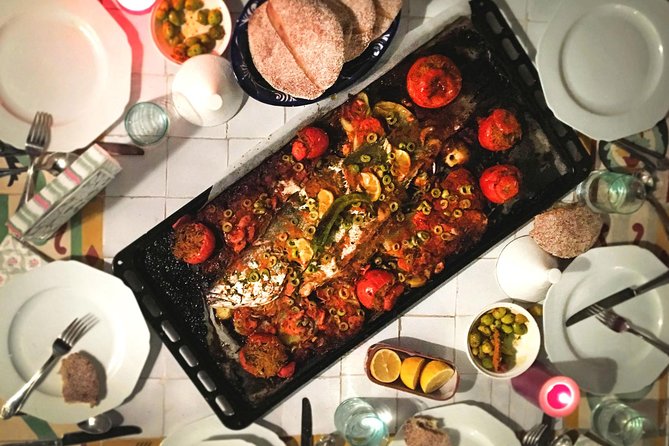
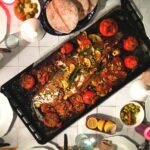
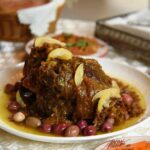
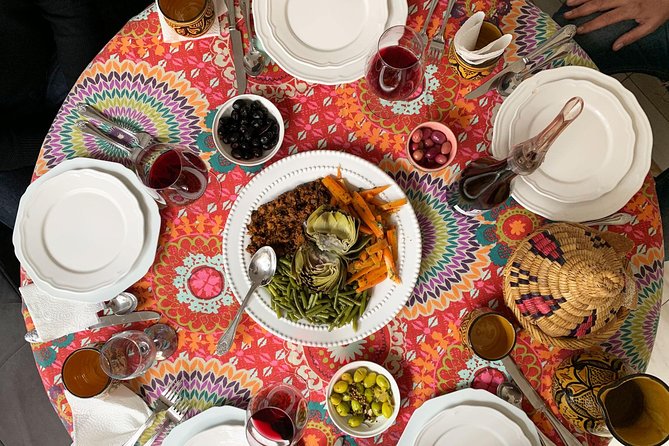
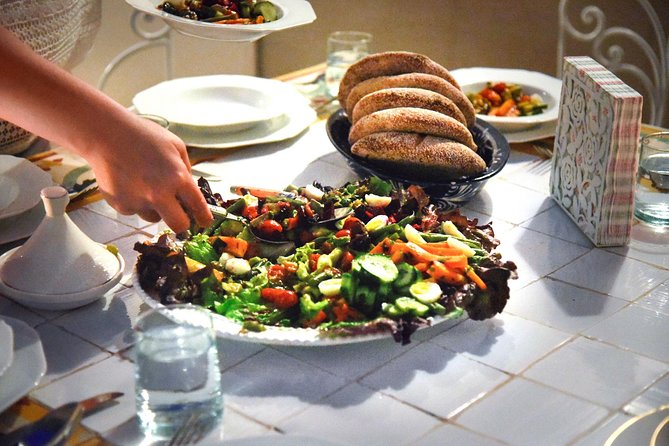
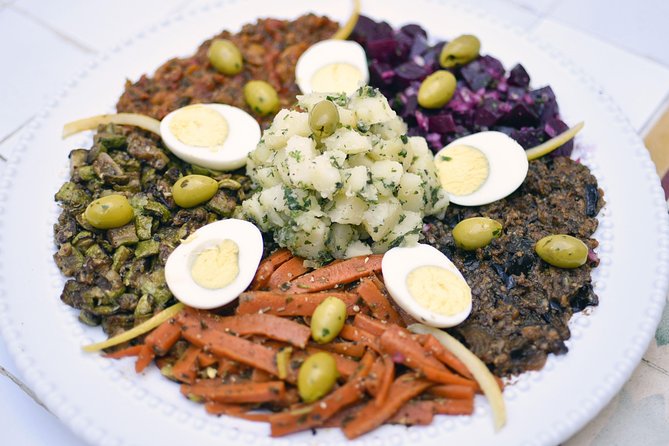
Your meal is a Moroccan lunch or dinner that you help prepare. The menu may vary depending on the season, so don’t expect one rigid recipe card. Instead, expect a real Moroccan menu that matches what’s available and what Chamsi feels is best at that time.
Wine is included with your meal. That’s not a small detail. It turns the meal into a true sit-down experience rather than a quick fuel stop between activities.
Dessert is part of the arc, and it’s described with clear examples: milk pastilla, oranges with cinnamon, or Moroccan cookies. The point isn’t just the sweet ending—it’s that Moroccan desserts often use warm spices and simple ingredients, so you learn another piece of the flavor logic, not just the main course.
Dietary needs are supported if you tell them ahead of time. Vegetarian meals can be prepared. For meat, it’s described as halal, and kosher meat can also be arranged if needed. If you have allergies or specific preferences, you should advise at booking—this is one of those experiences where details really help your host plan comfortably.
Timing, Transfers, and How the Day Flows (About 5 Hours)
This is designed to be easy logistically. You get hotel pickup and drop-off, and you meet Chamsi at the concierge desk. That reduces two common trip headaches: finding your meeting point and managing transport on your own.
The whole experience runs about 5 hours. In practice, that means a focused day, not a full-day commitment. You’ll do:
- Market shopping with Chamsi
- The drive back to the home kitchen
- About an hour of cooking together
- Time to sit down and enjoy the meal and dessert
One timing detail worth knowing: Friday is a prayer day. If your tour is Friday morning, the market might not be as active and some stalls may be closed. The evening Friday market tour is not offered, so plan around that if your schedule includes Friday. It doesn’t mean the experience disappears—it means you should expect the market portion to be a bit different.
This is also a private tour/activity. Only your group participates, so you’re not squeezed into someone else’s pacing or noise level. If you’re traveling as a couple, with friends, or even solo, private format usually means more direct attention and more room for questions.
Price and Value: How $190 Works Here
At $190 per person for about 5 hours, this isn’t a bargain-basement activity. But it also isn’t a stripped-down “cook two dishes and go” class.
Here’s what you’re paying for, based on what’s included:
- Private market tour and cooking class with Chamsi
- Hotel pickup and drop-off
- Home-cooked lunch or dinner
- Local wine
- All taxes, fees, and handling charges
- Gratuities
The only clearly listed extra cost is private purchases at the market. So if you buy spices, ingredients for later, or extras for dessert, that’s on you. But if you don’t go shopping beyond what you need for the meal, you can treat this as a set-price experience.
To judge value, think about what it replaces. In Casablanca, a guided food market visit on its own can cost a lot—especially when you add transport and a home meal. This experience stacks the market and the cooking into one day, plus wine and an at-home setting. For food-focused travelers, that structure tends to feel worth it.
It’s also booked fairly in advance—on average about 75 days—so if Casablanca is in your plans, don’t wait until the last minute.
Who This Tour Is Perfect For (and Who Might Want Another Option)
This experience works best if you want more than recipes.
You’ll likely enjoy it if:
- You love food and want to learn Moroccan cooking from the ingredient level up
- You enjoy meeting locals and asking questions in a real home setting
- You want a private format (your group only) with a focused time window
- You have dietary needs and want them handled in advance through a host who can plan
You might want to think twice if:
- You’re very sensitive to what a meat market stop can look or smell like
- You only want a polished, commercial-style cooking studio with no local market exposure
- You’re expecting the exact same menu every time, no matter the season (menus can vary)
If you’re traveling with kids, it’s not described as kid-specific. Consider your comfort with the market, the meat stop, and how long the full 5-hour day takes.
Practical Tips Before You Go
A few small things can make your day smoother.
First, if vegetarian, halal, kosher, or allergies matter, mention it at booking. The tour notes that dietary restrictions and preferences should be advised in advance, so use that opportunity.
Second, plan for a Thursday/Friday mood difference. Friday morning can have fewer active stalls because it’s a prayer day. If your heart is set on a specific ingredient, don’t assume every stall is open.
Third, bring a mindset shift. This isn’t only about food. It’s about watching how ingredients move from market to home kitchen, and learning the logic behind Moroccan flavors. If you go in expecting a shortcut, you may feel rushed. If you go in ready to pay attention, you’ll take home more than a tasty meal.
Should You Book This Casablanca Market and Cooking Class?
I’d book it if your trip needs one real, hands-on food day with a local host and a meal you helped make. The combination of market shopping with Chamsi, cooking in her home, and sitting down to eat with included wine hits a sweet spot: practical learning plus genuine hospitality.
Skip it if you’re uncomfortable with the meat market stop or you want a more formal, demonstration-only style class. And if you’re aiming for Friday morning, keep expectations flexible about market activity and menu variation.
If you’re the kind of traveler who loves learning through everyday routines—where locals buy food and how they cook it—this is a strong choice for Casablanca.