REVIEW · TAMARINDO
Traditional Cooking Class In Tamarindo
Book on Viator →Operated by DaviannaXperience · Bookable on Viator
A Tamarindo cooking class that feels like a home dinner. I love the small group setup and the chance to learn classic Guanacaste dishes hands-on, with Chef Astanda sharing stories while you cook. I also like that you can often choose from multiple dishes and then sit down for a three-course meal you helped prepare. The main drawback to plan for: the timing can stretch well beyond the stated window, and some of that time can be heavy on prep like chopping rather than full stovetop cooking for everyone.
If your goal is a fun food-and-culture evening more than a strict, timed cooking workshop, this experience can be great. But if you’re expecting to master everything start-to-finish on your own burners, go in with eyes open.
In This Review
- Key Things I’d Remember Before You Go
- What This Tamarindo Cooking Class Feels Like in Real Life
- The Chef’s Home Kitchen Setup (And Why It Matters)
- The Menu: What You Learn to Make in Guanacaste
- How the Cooking Class Actually Runs (Prep vs. Stovetop)
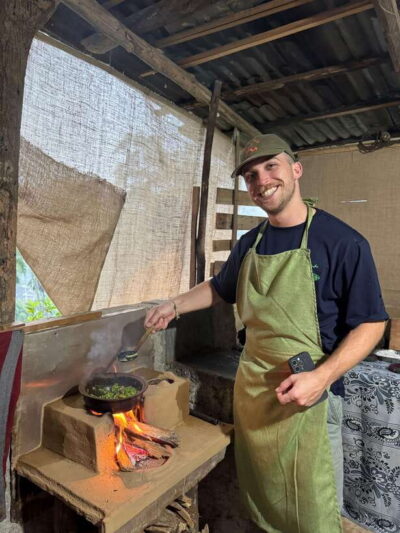
- Wood-Fire Cooking and the Pilón: The Technique Part You’ll Remember
- The Three-Course Meal: Plan to Eat a Lot
- Price and Value: Is $99 Worth It?
- Getting There in Tamarindo: Finding the Meeting Spot Fast
- Who Should Book This (And Who Should Think Twice)
- Should You Book This Tamarindo Cooking Class?
- FAQ
- How long is the traditional cooking class in Tamarindo?
- How many people are in the group?
- How much does it cost?
- What dishes can I expect to make or eat?
- Do I get to choose what I make?
- Is it a full meal at the end?
- Where is the meeting point?
- What if I have food allergies or dietary needs?
- Can I cancel if my plans change?
- Is the location easy to reach using public transportation?
Key Things I’d Remember Before You Go
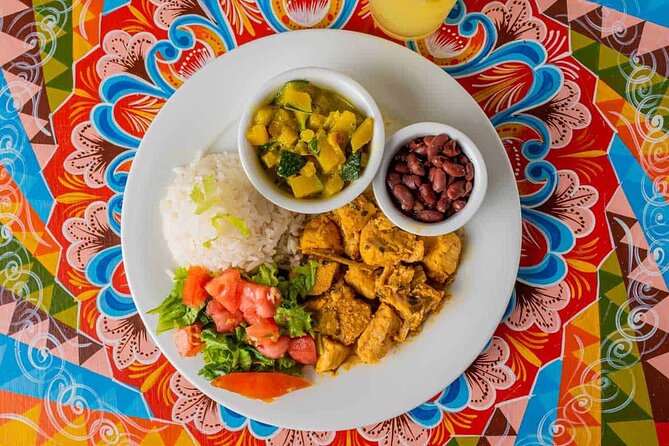
- Chef-led home-kitchen vibe: You’re cooking in a local setting with Chef Astanda leading the flow.
- Choose-your-dishes style: You can pick what you’d like to eat from several options or follow the chef’s seasonal plan.
- Guanacaste favorites on the menu: Look for tortillas, chorreadas, patacones fritos, Olla de Carne, arroz de maíz, and more.
- Classic techniques: You may work with wood-fire cooking methods and the pilón (traditional grinding/pounding).
- Small group (max 8): Easier to ask questions and actually talk with the chef and your group.
- Plan for an evening: Even when the class is listed as under 3 hours, some sessions run 4+ hours.
What This Tamarindo Cooking Class Feels Like in Real Life
Tamarindo is full of good tours, but this one has a different personality. You’re not just tasting Costa Rican food and snapping photos. You’re in a real home setup where the cooking is part lesson, part conversation, and part dinner with new people.
Chef Astanda’s hosting style comes through in the details: she explains what’s going into the food, shares the stories behind the recipes, and encourages you to ask questions as you go. You’ll also see how Costa Rican home cooking leans on technique, timing, and taste judgment more than strict measuring tools.
The structure matters for your expectations. This is best thought of as a traditional culinary experience with a strong hands-on component, not a “chef hands you a cutting board and you cook every step yourself” kind of class. Some guests get plenty of time on prep and assembly, while the chef and an assistant handle key stovetop or safety-sensitive parts.
The Chef’s Home Kitchen Setup (And Why It Matters)
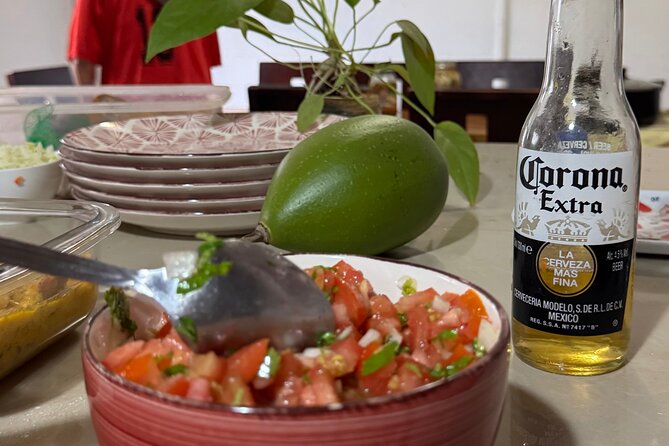
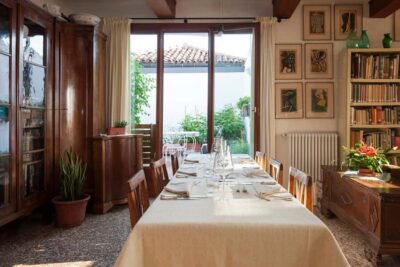
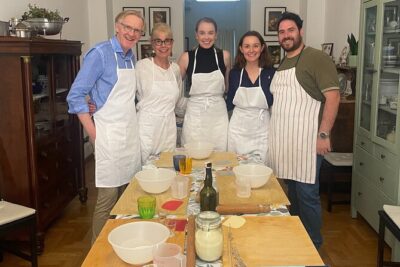
This isn’t a big cooking studio with 12 identical stations. The tour is designed for a maximum of 8 people, which keeps things personal and helps you actually hear instructions.
That home-style setup has two big effects.
First, it can make you feel relaxed. People describe it as warm, welcoming, and friendly, and that’s not an accident. When you’re sitting near the kitchen work zone, you naturally learn by watching and then doing the parts you can help with.
Second, it means there’s less room for everyone at once. Kitchen space is limited, and with a group near the top end of the size limit, attention from the chef can feel more “shared” than “private.” In other words: you’ll likely learn a lot, but you may not get constant, one-on-one coaching on every technique.
One more practical note: some kitchens don’t have the same “tour comfort” extras you’d expect elsewhere. People have mentioned small bathroom space and limited towel/napkin availability unless you ask. If you have one, bring a small hand towel.
The Menu: What You Learn to Make in Guanacaste
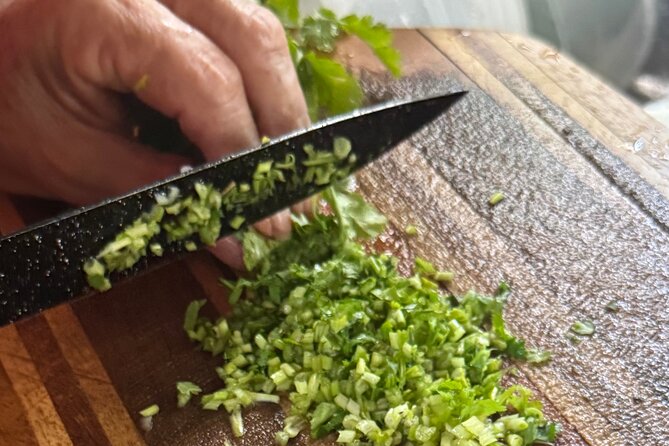
The heart of this experience is the food from Guanacaste. The menu is built around traditional staples, plus regional touches that you’re unlikely to see on every restaurant menu.
Depending on the seasonal selection or what you choose, you’ll likely cover dishes like:
- Tortillas (a core skill in Costa Rican and Guanacaste cooking)
- Chorreadas (often served as a creamy, savory component)
- Patacones fritos (fried plantain pieces)
- Olla de Carne (a classic hearty meat-and-vegetable stew)
- Arroz de maíz (corn rice)
- Plus other traditional items that round out a three-course meal
One dish detail worth knowing before you go: some versions of ceviche can be plantain-based rather than fish. That can sound surprising if you’re expecting seafood, but it’s actually part of the local food story—using citrus “cooking” effects to change texture without heat.
If you have dietary restrictions or allergies, it’s smart to communicate them ahead of time. The experience is described as being attentive to allergies, but you’ll do best when the chef has time to plan.
How the Cooking Class Actually Runs (Prep vs. Stovetop)
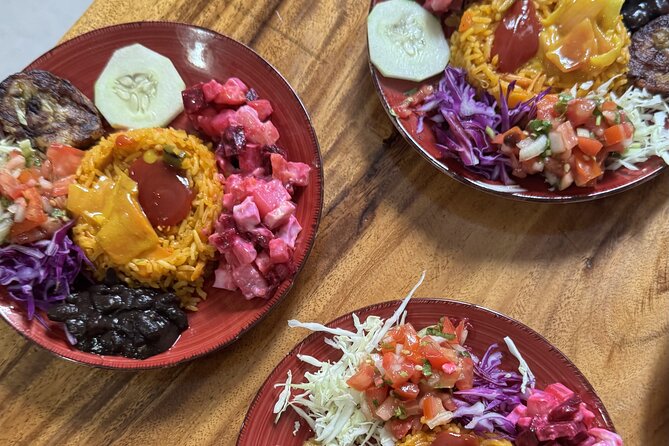
Here’s the big decision point for your expectations: how hands-on will you be?
This experience can be very participatory, but it’s not always a pure “you cook the whole dish” format. Many guests spend a lot of time on prep—chopping produce, working on components, and assembling elements—while the chef and assistant handle key parts on the stove or using tools that need careful heat control.
So you might be:
- cutting vegetables and fruits,
- helping with components for tortillas and sauces,
- working on plantain prep for patacones,
- assembling bowls or plates,
- learning by watching the chef complete the cooking steps.
Some guests felt they did more prep than full “start-to-finish cooking.” Others felt they had enough chances to see what’s happening and learned practical tips. Either way, you’ll leave with recipes and a clearer sense of traditional technique.
A fair warning: knife quality can vary. One guest mentioned knives that were serrated or dull with worn tips. If you’re picky about tools, keep your expectations realistic and consider bringing a basic small towel and focusing on learning the process rather than judging equipment like you would at home.
Wood-Fire Cooking and the Pilón: The Technique Part You’ll Remember
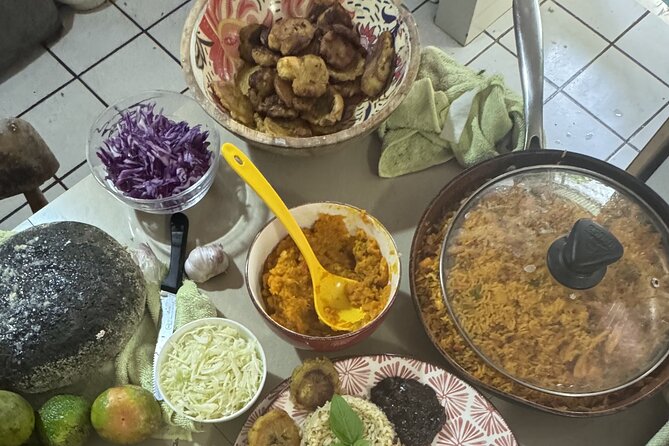
What makes this class more than dinner is the technique talk. You’ll hear why certain methods matter and how they fit local habits and available ingredients.
Two elements people highlight are:
- Wood-fire cooking: the idea that open flame and fire management affect flavor depth and texture.
- Pilón: a traditional grinding/pounding method used for certain ingredients. It’s hands-on, physical work, and it helps explain why many Costa Rican kitchens historically relied on these methods.
Even if you’re not doing every step at the fire or the stone, the chef’s explanation helps you understand what you’re tasting. That’s useful when you try to recreate recipes later. It’s the difference between copying ingredients and actually understanding technique.
The Three-Course Meal: Plan to Eat a Lot
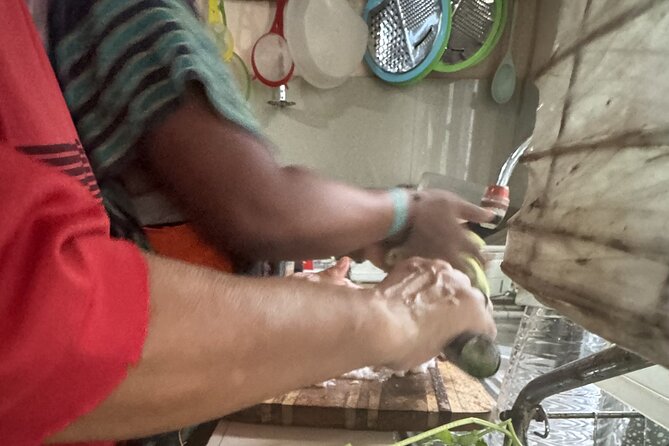
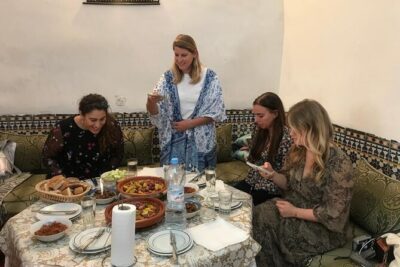
After the kitchen work, you sit down to the meal you made. People consistently describe the food as delicious and filling, and the overall vibe is that you finish with a real sense of having had dinner, not just a snack.
But again, timing matters.
The class is listed at around 2 hours 45 minutes. Still, multiple people reported longer sessions—about 4 hours and sometimes stretching close to the evening dinner window. One person mentioned arriving at 5 PM and not eating until 9 PM.
So here’s what I’d do if you want this to feel fun instead of stressful:
- eat a snack or light meal before you arrive,
- don’t book another tight plan for the same night,
- expect a relaxed pace that includes stories and chatting.
If you’re traveling with kids, be extra careful. Several comments describe the format as more adult-friendly, mainly because the prep time can run long.
Price and Value: Is $99 Worth It?
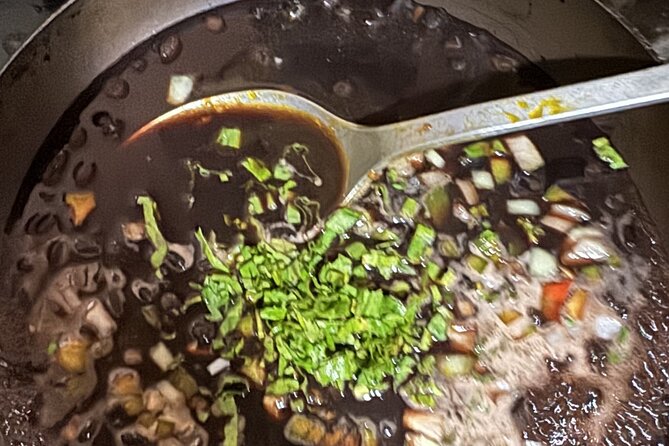
$99 per person is not “cheap eat” money, so it should earn its keep. Here’s how to judge value with this specific experience.
You’re paying for:
- a small group (max 8),
- a home setting rather than a commercial studio,
- Chef-led instruction and recipe handouts,
- multiple traditional dishes that end up as a full dinner,
- cultural storytelling around the food.
That can feel like a great value when the session flows quickly and you get meaningful hands-on coaching. Several people described it as one of the best meals in Tamarindo and said they’d repeat or cook the recipes at home.
But it can feel overpriced when:
- prep eats up most of the time without enough stovetop participation,
- the class runs long without enough “cooking instruction time,”
- the meal quality is uneven across courses (one guest cited cold or bland components while beans were excellent).
So my practical advice is to match the tour style to your goals. If you want a social, food-culture dinner with learning along the way, it can be worth it. If your main goal is strict hands-on mastery of every dish step, you may feel the $99 doesn’t match your expectations.
Getting There in Tamarindo: Finding the Meeting Spot Fast
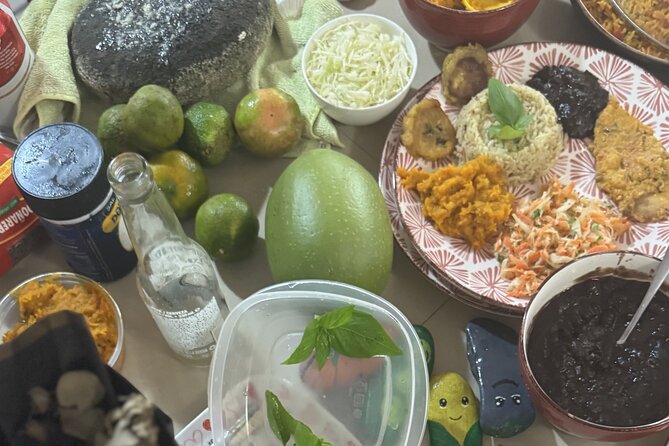
The meeting point is in central Tamarindo, and some people found it easily. Others said it’s hard to spot because signage is limited, especially if you’re not expecting it to be in a private home setting.
To reduce friction:
- use the exact meeting location coordinates,
- arrive a little early,
- if you’re using local transport, consider arranging a ride like people often do when they’re staying farther out.
Once you’re there, the difficulty usually ends quickly because the experience starts in that host’s home kitchen and the group size stays small.
Who Should Book This (And Who Should Think Twice)
This tour is a strong fit if you:
- like traditional cooking and learning the “why” behind recipes,
- enjoy cultural conversation with food at the center,
- want a dinner that includes actual work, not just watching,
- prefer small groups so you can ask questions,
- are excited about Guanacaste staples like tortillas, chorreadas, patacones, and Olla de Carne.
It’s a weaker fit if you:
- need a tight 2–2.5 hour schedule,
- want full stovetop control for each dish,
- get cranky when dinner is delayed,
- travel with very young kids who can’t handle an all-evening pace.
Should You Book This Tamarindo Cooking Class?
I’d book this if you want a hands-on, chef-led Costa Rican cooking night that ends with a real meal and recipe takeaways. The small group size and Chef Astanda’s storytelling are the kind of details that make food lessons stick.
I’d hesitate if you’re paying $99 mainly to “cook everything yourself” with lots of direct technique coaching. The format can lean toward chopping and prep participation, and timing can run long. If that sounds like a mismatch, choose a class with more explicit stovetop instruction or shorter pacing.
If you do book, go in hungry, bring your flexibility, and come ready to chat. That’s where the experience tends to shine.
FAQ
How long is the traditional cooking class in Tamarindo?
It’s listed at about 2 hours 45 minutes, but some sessions run longer, around 4 hours and sometimes close to the evening.
How many people are in the group?
The tour has a maximum of 8 travelers, which keeps the experience small and more conversational.
How much does it cost?
The price is $99.00 per person.
What dishes can I expect to make or eat?
You may learn and eat dishes such as tortillas, chorreadas, patacones fritos, Olla de Carne, and arroz de maíz, along with additional traditional items that can vary by season or by your choices.
Do I get to choose what I make?
You can choose what you’d like to eat from several options, or you can let the chef recommend a seasonal selection from local markets.
Is it a full meal at the end?
Yes. After the cooking work, you relax and enjoy a freshly prepared meal together, described as a three-course experience.
Where is the meeting point?
It starts at 855R+8V4, Guanacaste Province, Tamarindo, Costa Rica, and it ends back at the meeting point.
What if I have food allergies or dietary needs?
The experience is described as being aware of allergies, so it’s important to share your needs when booking so the chef can plan.
Can I cancel if my plans change?
Free cancellation is available up to 24 hours before the experience for a full refund.
Is the location easy to reach using public transportation?
It’s described as near public transportation, and some guests also recommend arranging local transport if you want it to be easier to find.