REVIEW · BANGKOK
Private Thai Home Cooking Lesson (since 2004)
Book on Viator →Operated by Thai Home Cooking Class · Bookable on Viator
Bangkok can feel like a food maze. This private Thai cooking class turns it into a clear plan: you shop, cook, and eat real home-style dishes, guided by Angsana and backed by PDF recipes for later.
What I like most is that it’s truly private (up to six people), so the class can match your skill level and your food preferences. I also like the focus on fresh ingredients with no preservatives and no MSG, so what you learn tastes like Thai home cooking, not an assembly line.
One consideration: you’re cooking on purpose, which means you’ll want to be ready to get hands-on for about four hours—great fun, but not the kind of activity where you can mostly watch.
In This Review
- Key things to know before you go
- A Private Thai Home Cooking Lesson That Feels Like Being Invited In
- Price and what you’re really paying for in Bangkok
- How the 4-hour flow works: BTS start, market stop, then home cooking
- Stop 1: Thai home cooking and choosing your dishes like a local
- The market stop at Onnuch Freshmart: how shopping improves your cooking
- Meeting point at On Nut BTS Station: simple access, fewer headaches
- What Angsana’s teaching style gives you during the cook
- What you get on the table: eat what you cook, then cook again later
- No preservatives and no MSG: the flavor lesson you’ll actually feel
- Who should book this Thai home cooking class
- Quick checklist: how to get the most out of the day
- Should you book this private Thai home cooking lesson?
- FAQ
- What’s included in the lesson?
- How long is the cooking lesson?
- Is this a private class or a group tour?
- Where does the class start?
- Is there a market visit?
- Can I choose what dishes to cook?
- Do you cook from scratch with fresh ingredients?
- Is the food cooked with preservatives or MSG?
- When do I meet for the class?
- What if I need to cancel?
Key things to know before you go
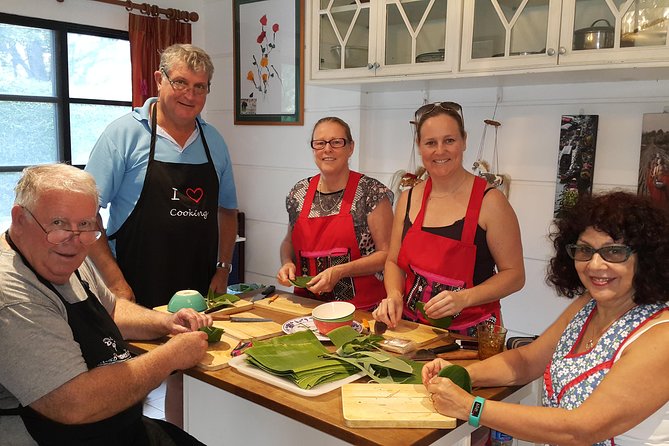
- Private, up to six people means you’ll get more direct attention while you cook
- Onnuch Freshmart adds real context so you know what to buy and why
- Choose dishes from 100+ family recipes so the menu can fit your taste
- PDF recipe copies help you repeat the dishes without guessing later
- Fresh, no preservatives, no MSG keeps the flavor clean and straightforward
A Private Thai Home Cooking Lesson That Feels Like Being Invited In
There’s something special about learning Thai food the way families actually make it: not as a vague “Thai flavors” concept, but as specific dishes built from real ingredients. This experience is designed around that idea. You start in Bangkok with Angsana, then you head into the shopping and cooking part of the day, choosing what you want to make from a big menu of family recipes.
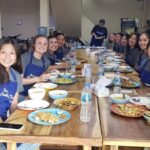
The best part is the personal feel. This isn’t a huge group show. It’s a private class that can handle up to six participants, which is a big deal when you’re trying to figure out things like how spicy to go, how to balance flavors, and what textures you should aim for. You’ll be cooking, not just photographing.
And because you get recipe PDFs afterward, you’re not stuck trying to reconstruct meals from memory. Thai home cooking often lives in small details—like how you prep aromatics or how you time a stir-fry. Having the written recipes later turns the lesson into something you can keep using.
You can also read our reviews of more tours and experiences in Bangkok.
Price and what you’re really paying for in Bangkok
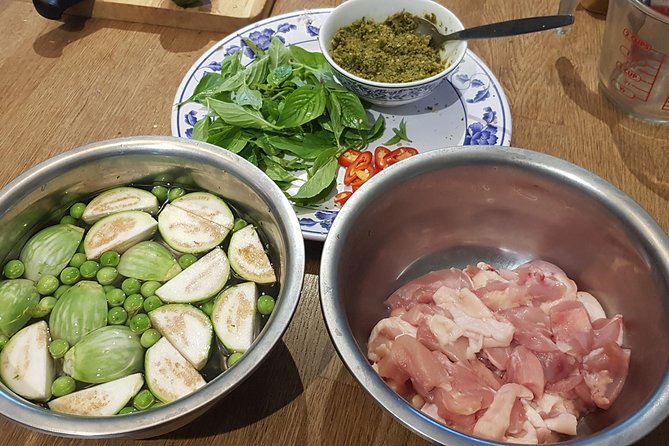
At $91.25 per person for about four hours, this may sound simple on paper, but the value comes from what’s included. You’re paying for a private teaching experience in a working home kitchen, plus the food and necessary equipment to cook the meal.
That inclusion matters. Bangkok cooking classes can jump in price when you add ingredients, tools, or anything “extra.” Here, the basics are covered—so your money goes toward the real point: time with a teacher, hands-on practice, and learning how to make the dishes from scratch.
Also, the class is built for flexibility. You can choose your starting time, and your dishes can be tailored from a collection of more than 100 family recipes. That means you’re not paying for a single fixed menu that may not match what you like eating.
One more practical angle: the description notes group discounts. If you’re traveling with friends or a small group, it’s often easier to justify the cost because the private format stays intact while you share the experience.
How the 4-hour flow works: BTS start, market stop, then home cooking
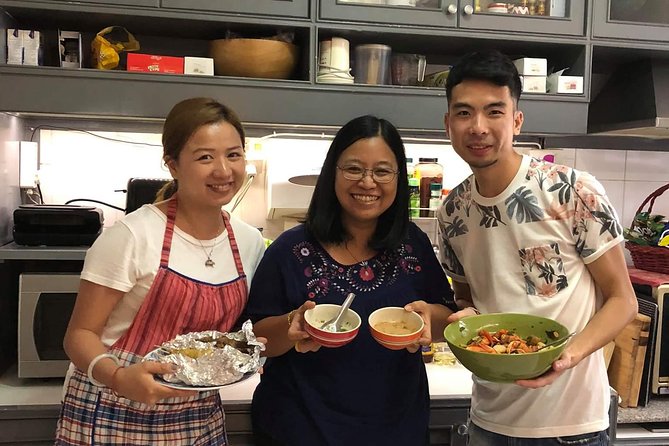
This experience is anchored at On Nut BTS Station. That’s helpful because you can reach the meeting point by public transport without needing a complex plan. From there, you’ll spend the day moving from shopping to cooking, and you’ll finish back where you started.
The day’s structure is straightforward:
- You spend time at Onnuch Freshmart
- Then you cook your chosen dishes at the Thai home kitchen
- You eat what you make
About timing: it’s around four hours, and you can pick your own starting time. That’s great in Bangkok, where the rest of your day might be built around heat, traffic, temple visits, or a ferry ride. Having a later start can help if you’re trying to avoid the hottest part of the afternoon.
Stop 1: Thai home cooking and choosing your dishes like a local
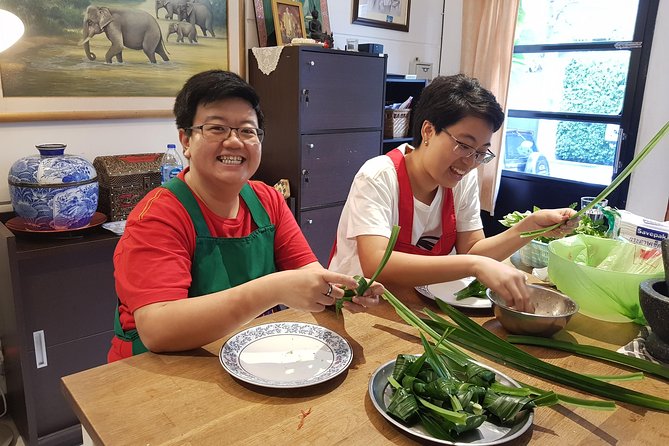
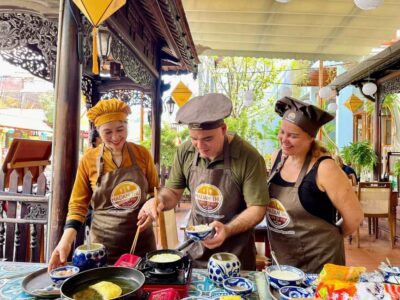
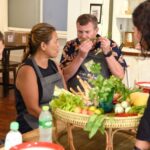
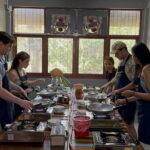
The cooking portion is where the class earns its keep. You prepare and cook Thai dishes from a selection of more than 100 family recipes. The key word here is selection. You’re not just following a script—you choose what you want to cook, then Angsana adapts the lesson to your interests.
This is especially useful if you’re coming in with questions. Maybe you know Thai food well but want technique. Maybe you’re new to cooking and just want a reliable way to recreate flavors. A private lesson lets you get answers without waiting your turn in a group setting.
You’ll learn to cook dishes from scratch using fresh ingredients. And it’s worth calling out the promise of no preservatives and no MSG. That doesn’t just mean a “healthier” label. It changes how the food tastes. When flavors come from real ingredients, you start to recognize the fundamentals:
- how aromatics set the base flavor
- how salty-sour-sweet balances
- how herbs and herbs oils show up near the end
Even if you don’t plan to cook Thai food at home constantly, learning that kind of framework helps you eat better while traveling. You’ll order dishes with more understanding. You’ll know what you’re tasting.
The market stop at Onnuch Freshmart: how shopping improves your cooking
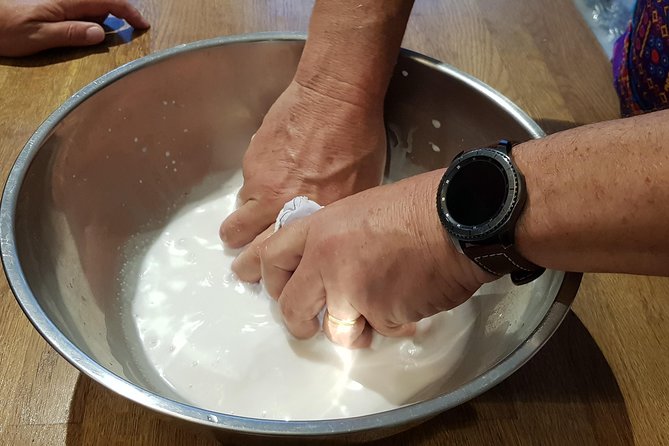
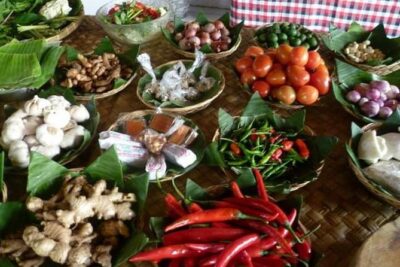
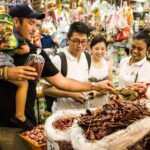
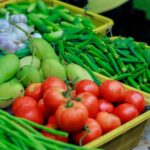
The market component can turn a cooking lesson from a classroom activity into something that sticks. On this day, you go to Onnuch Freshmart, which helps you understand what ingredients look like in real life—not just what they’re called on menus.
In practical terms, the market stop helps you:
- connect dish names to ingredient choices
- see what fresh should look like for herbs, aromatics, and produce
- understand how ingredients affect texture and flavor, not just color
This is also one reason the class is easier to repeat later. When you’ve seen the ingredient types in a market setting, you’re more likely to find comparable items at home. Even if you can’t source exactly the same Thai product, you’ll know what role it plays.
A small but important advantage: if you have questions about substitutions or what to buy, this is the moment to ask. Once you’re cooking, it’s all about speed and timing. The market is where you can slow down.
Meeting point at On Nut BTS Station: simple access, fewer headaches
The meeting point is On Nut BTS Station. In a city like Bangkok, that matters more than people realize. Getting to a cooking class through complex directions can eat up your energy—and then you walk into the lesson already stressed.
Starting near public transportation also makes it easier to coordinate the rest of your day. You can keep your plans flexible, and you don’t have to gamble on ride-share availability or traffic timing.
Once you meet, the rest of the day follows the class flow, and the activity ends back at the meeting point. That round-trip setup is convenient when you still have dinner plans or a night market to visit.
What Angsana’s teaching style gives you during the cook
From what’s consistently shared, Angsana comes across as warm, professional, and comfortable guiding people step by step. The tone matters in cooking classes. If the teacher is patient and funny, mistakes feel normal and learning speeds up.
A few teaching details stand out from the experience description and feedback themes:
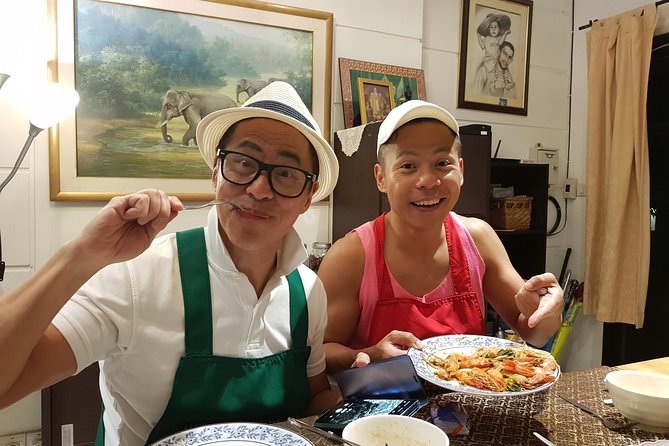
- you’ll cook and then eat your creations
- you can ask lots of questions during the lesson
- the meal plan can be built around what you want to learn
That last point is especially important. Thai cooking is broad. A class that only covers generic Thai dishes can leave you thinking you learned something, but you don’t necessarily know what to do with it later. Here, the recipe pool is large (100+ options), and you choose based on your interests.
So if you’re aiming for a specific style—something fragrant, something balanced, something spicy—you’re more likely to get a lesson that matches your personal taste.
And yes, there’s a friendly sense of humor in the whole experience. In a follow-up message after class, there’s even a joke about serving Nespresso coffee next time—small thing, but it’s part of the relaxed, welcoming vibe.
What you get on the table: eat what you cook, then cook again later
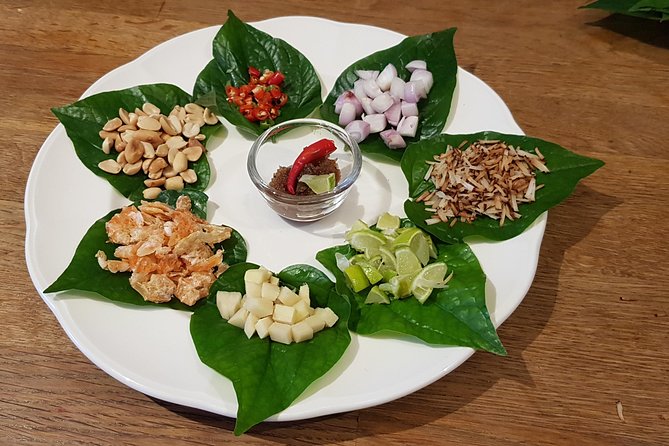
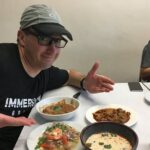
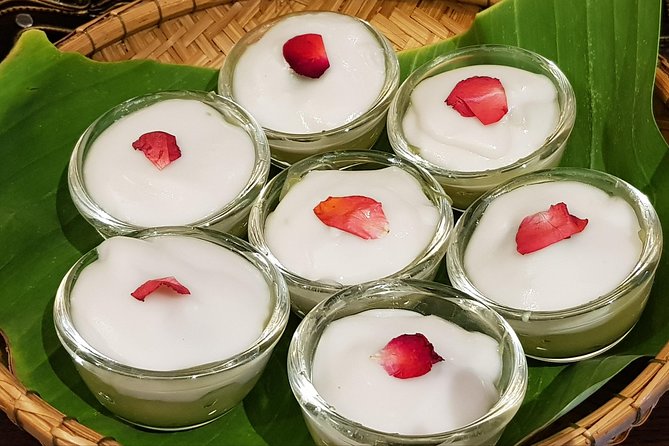
You’re not just making dishes; you’re eating them afterward. That sounds obvious, but it’s a real advantage. When you taste your own cooking right away, you understand what changes you might need for next time. You’ll notice if something needs more balance, more freshness, or a different timing window.
Then you get PDF copies of the recipes so you can repeat the meal later. This matters because Thai cooking doesn’t always translate perfectly from memory. Having the recipe format in front of you reduces the guesswork when you’re sourcing ingredients or adjusting seasoning.
If you’re the type of traveler who hates writing notes but loves recreating meals back home, this is your setup.
No preservatives and no MSG: the flavor lesson you’ll actually feel
Some food experiences teach theory. This one teaches flavor. The promise of no preservatives and no MSG helps keep the focus on ingredient-driven taste.
Here’s why you should care:
- You learn to rely on aromatics and balance, not on an artificial shortcut.
- You get a clearer sense of what each ingredient contributes.
- When you try the dish later, you’re less likely to chase the same “street-food” taste that some people expect from packaged seasoning.
Even if you’re not chasing a health angle, the instruction still benefits your palate. You become better at tasting and adjusting—skills that transfer to cooking any cuisine.
Who should book this Thai home cooking class
This works best if you want more than a quick demo and you like learning by doing. It’s a strong fit for:
- food lovers who want to understand Thai flavors, not just eat them
- first-time cooks who want a step-by-step guide in a private setting
- travelers who prefer market-to-kitchen experiences
- small groups (up to six) who want flexibility and personal attention
If you hate being hands-on in the kitchen, you might find this less relaxing than a half-day sightseeing tour. But if you want to bring home a real cooking skill—and a stack of recipes you can actually use—this class is built for you.
Quick checklist: how to get the most out of the day
A few practical moves will make the four hours smoother:
- arrive ready to cook (bring comfy clothes)
- think about what you want to learn before you go—spice level, favorite Thai dishes, or ingredient types
- bring questions for Angsana while you cook
- use the recipe PDFs afterward as your “ingredient and timing reminder,” not just a souvenir
Also, plan your other Bangkok activities with the afternoon/heat in mind. If you pick a starting time that avoids your worst fatigue, you’ll enjoy the cooking part more and you’ll taste better.
Should you book this private Thai home cooking lesson?
If you’re deciding between another food tour and a hands-on class, I’d book this when your priority is practical skills. The combo of private teaching, a market stop at Onnuch Freshmart, and PDF recipes makes it more than a one-day novelty.
Book it if:
- you want a teacher-driven experience rather than a big group run-through
- you like learning by shopping and cooking
- you want to repeat what you learned back home
Skip it if:
- you want a mostly passive activity
- you’re short on time and can’t spare the full four hours
Overall, this is one of those Bangkok experiences where you leave with food knowledge that keeps paying off. You eat well that day, and you get recipes you can use later—exactly what I look for when I’m trying to turn travel into something useful.
FAQ
What’s included in the lesson?
All food and necessary equipment are provided. You also receive PDF copies of the recipes so you can cook again later.
How long is the cooking lesson?
It’s about four hours.
Is this a private class or a group tour?
It’s private. Only your group participates, and it can accommodate up to six participants.
Where does the class start?
You start at On Nut BTS Station in Bangkok.
Is there a market visit?
Yes. The plan includes a stop at Onnuch Freshmart.
Can I choose what dishes to cook?
Yes. You choose from a collection of more than 100 family recipes, and the lesson can be customized to your interests.
Do you cook from scratch with fresh ingredients?
Yes. You’ll learn the dishes from scratch using fresh ingredients.
Is the food cooked with preservatives or MSG?
The class description says the cooking uses no preservatives and no MSG.
When do I meet for the class?
You can choose your own starting time, and confirmation is received within 48 hours of booking subject to availability.
What if I need to cancel?
Free cancellation is available up to 24 hours before the experience start time for a full refund.