REVIEW · JAIPUR
Jaipur: Cooking Class with a Local Family
Book on GetYourGuide →Operated by Jaipur Pink city Cooking Class · Bookable on GetYourGuide
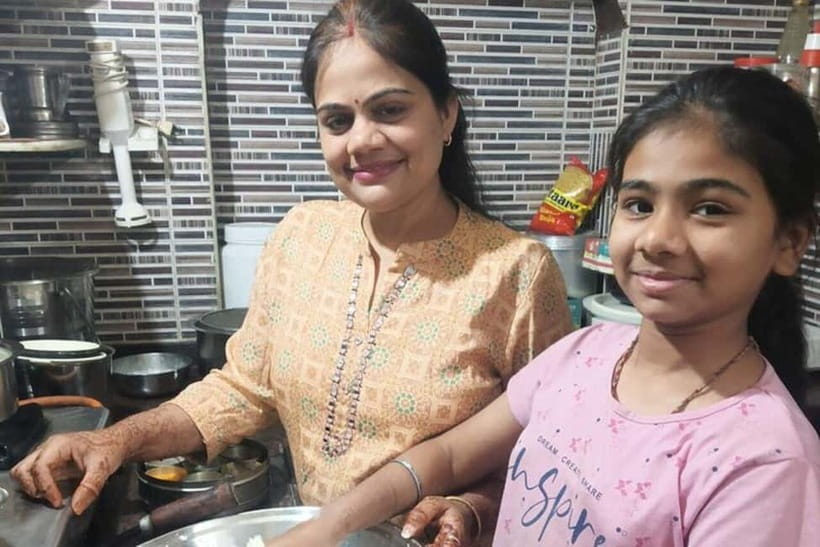
Spice stories start in a real Jaipur kitchen. In Swati’s home in the Pink City, you don’t just watch cooking. You learn, taste, and chat with the family while learning classic Rajasthan flavors.
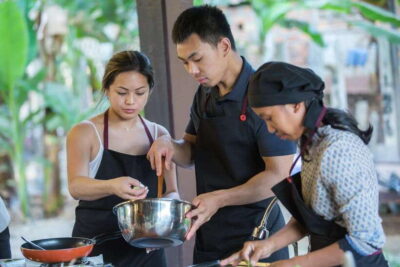
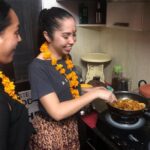
I love how hands-on it is. You’ll work on core skills like making chapatis and building vegetable curries, not just assembling a plate.
One thing to plan for: transportation to and from the class isn’t included, so you’ll want to handle that part on your own.
In This Review
- Key highlights at a glance
- Finding The Right Home in Jaipur’s Johari Bazar Area
- Chai, Welcome Drinks, and the Pace of Family Hospitality
- Spice and Ingredient 101: Why Each Flavor Has a Job
- The Core Cooking Skills: Chapatis and Vegetable Curries
- Rajasthan Dishes You May Cook (and How Menus Get Personalized)
- From Chopping Board to Shared Table: Tasting, Adjusting, and Getting It Right
- Desserts, E-Recipes, and the Part Where You Actually Keep the Learning
- Price and Value: What $19 Really Buys in Jaipur
- Who This Jaipur Home Cooking Class Is Best For
- Should You Book This Jaipur Cooking Class With a Local Family?
- FAQ
- How long is the Jaipur cooking class?
- Where is the meeting point?
- How many people are in the group?
- What languages does the instructor speak?
- What will I be cooking during the class?
- Can the host accommodate allergies or gluten-free needs?
- Is transportation or cooking equipment included?
Key highlights at a glance
- Small group (up to 6) for real attention and plenty of questions
- Hands-on cooking of chapatis and vegetable curries, with your menu choice
- Rajasthan classics like dal baati churma and ker sangri (plus other regional favorites)
- Spice and ingredient explanations, including what each flavor is for
- Dietary accommodation including gluten-free menus and allergy/intolerance support
- Digital take-home recipes (e-recipes) so you can cook again at home
Finding The Right Home in Jaipur’s Johari Bazar Area
This experience starts with an actual neighborhood entry point, not a fancy restaurant lobby. The meeting point is:
3664,motisingh bhomiyon ka rasta, fourth crossing johari bazar jaipur 302003
In practice, that means you’ll want your phone charged and maps working. Go early enough to find the right lane and number, because Jaipur streets can make you second-guess yourself. The good news is the class is designed to be friendly for small-group arrivals, and the host team communicates in a way that helps you get there without stress.
Also note what the class is and isn’t. This is a home kitchen experience. That’s why details like hygiene and comfort matter, and why the setup tends to be straightforward. If you’re the type who appreciates food made from scratch rather than reheated-for-tourism meals, you’ll feel at ease quickly.
One practical tip: if you have allergies or specific food needs, message that early. The class is set up to handle restrictions, but you’ll get the smoothest experience when the menu can be adjusted before you arrive.
You can also read our reviews of more tours and experiences in Jaipur.

Chai, Welcome Drinks, and the Pace of Family Hospitality
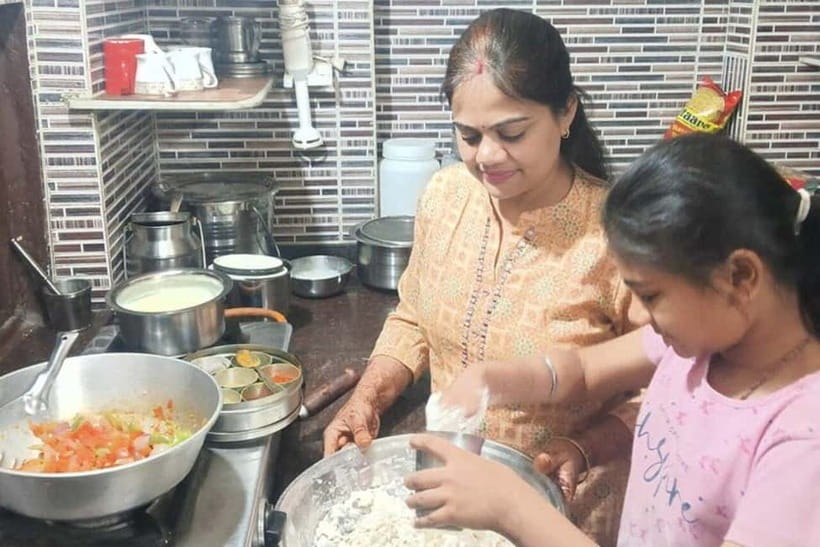
Before you touch a knife or a pan, the class starts the human way. You’re welcomed with drinks, and chai is a common first step. Many sessions begin with masala chai, where you can taste and talk before the cooking gets busy.
This part matters more than it sounds. Chai is a bridge: you learn how spices are used in everyday life, and you get a feel for how the family approaches food. In one account, the host was thoughtful about guest comfort even down to using mineral water for cooking when needed. That’s the sort of care that makes a home-cooking class feel safe and well-run.
Expect conversation to be part of the morning or afternoon rhythm, not a forced interview. You’ll likely chat about culture, ingredients, and what makes Indian cooking different from what you’ve had at restaurants. If you like your travel experiences to teach you while you relax, this is that.
Spice and Ingredient 101: Why Each Flavor Has a Job
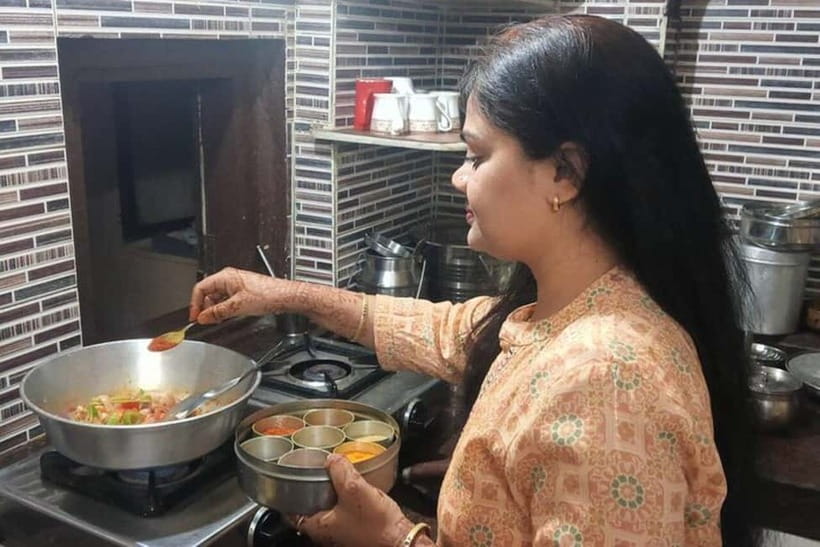
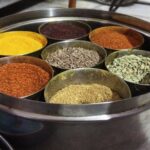
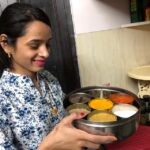
After the welcome, you shift into learning mode. The class includes an introduction to Indian spices and ingredients, and the explanations aren’t vague. You’ll hear what spices do in a dish and how they change flavor when cooked properly.
A key benefit here: you’re not just memorizing steps. You’re learning purpose. That helps later when you cook at home and your kitchen doesn’t match the exact equipment or ingredients you used in Jaipur.
Here’s what this means for you as a home cook:
- If you understand what a spice is doing (warmth, heat, aroma, depth), you can adjust later.
- If you learn how certain spices bloom in oil or get added at specific stages, your dishes will taste more like the version you loved in Jaipur.
- If you know which ingredients are essential versus flexible, you can recreate the dish even if your local grocery store is missing one item.
In short, the spice lesson is the difference between a “copy this recipe” class and a “now you can actually cook” class.
The Core Cooking Skills: Chapatis and Vegetable Curries
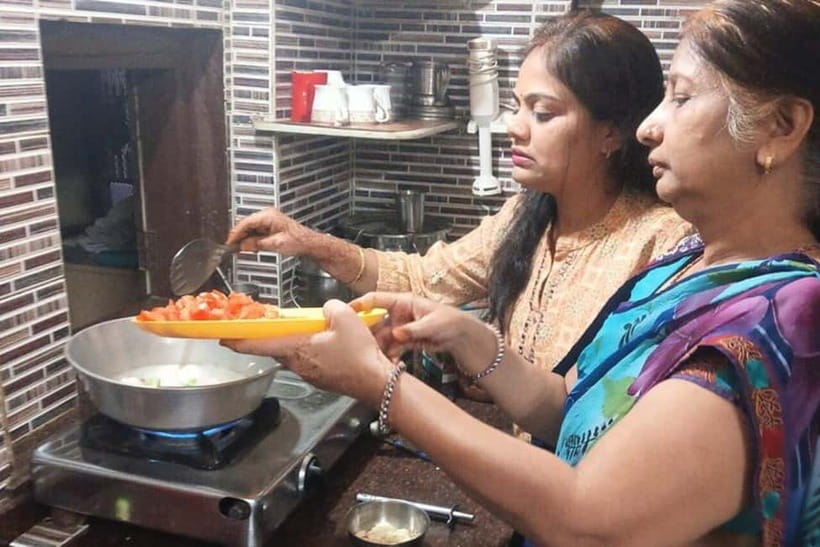
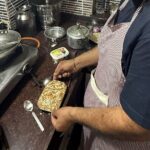
The hands-on portion includes making chapatis and vegetable curries. This is the skill foundation. Chapati dough is where many people get stuck at home, so seeing it done in a real kitchen, with real technique, is a practical win.
You’ll typically work through steps like:
- preparing the dough (and understanding texture cues)
- rolling and cooking chapatis properly
- learning how to keep them soft and not dry or uneven
For curries, you’ll learn how vegetables and spices work together. Vegetable curries show up in many forms across India, and Rajasthan has its own preferences. Even if you’re not cooking a full Rajasthan spread every night at home, the curry technique you pick up here will generalize to many meals.
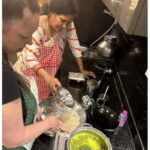
The class structure also lets you get more than one dish moving. That’s important for value: you’re not standing by while one person cooks. You’re learning the hands-on rhythm of Indian home cooking—prep, heat control, timing, and tasting as you go.
Rajasthan Dishes You May Cook (and How Menus Get Personalized)
The highlight dishes named for this experience include dal baati churma and ker sangri. But what you cook in your actual session can be tailored. One standout theme from recent classes is choice: you can often select what you’d like to learn.
In past menus, you may see a mix of Rajasthan-leaning and North Indian favorites such as:
- dal tadka / dal curry
- palak paneer
- aloo ghobi
- vegetable biryani
- cumin rice
- parathas and other breads
- dosa
- vegetable pakora
For dessert, Indian sweets are part of the deal. One common example is gulab jamun. Even if dessert sounds like an afterthought, this is actually useful learning: sweets often depend on timing, temperature, and syrup technique. Watching and tasting how it’s done helps you understand Indian desserts beyond the one version you’ve had in restaurants.
The menu tailoring is also where dietary needs get real attention. Some participants received gluten-free menus, and the host can accommodate allergies and intolerances. That can be a big deal if you’re used to “we’ll pick around it” solutions. Here, the class aims to adjust rather than just exclude.

From Chopping Board to Shared Table: Tasting, Adjusting, and Getting It Right
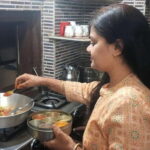
Cooking in a home changes the vibe. There’s no stage. You’re part of the flow. You’ll often sit down and eat together after the cooking phase, with time to chat and compare tastes.
This shared-table moment does two things:
- It shows you how the dishes balance on a plate, not as separate targets.
- It gives you a chance to ask quick questions that you would never think to ask while standing at a restaurant counter.
Also, you’ll usually taste as you go. That’s one of the underrated lessons of Indian cooking. You don’t wait until the end to discover the spice needs adjustment. You correct earlier, and you learn what the correction does to the flavor.
If you care about authenticity, this is where it clicks. Many restaurant versions are built for consistency and speed. A home version is built for flavor and for the people around the table. That’s exactly what you’re buying with a class like this.
Desserts, E-Recipes, and the Part Where You Actually Keep the Learning
After cooking and eating, you get more than memories. The experience includes Indian dessert and provides e-recipes of all cooked dishes.
In real life, that take-home part is what keeps the class from becoming a one-day story you forget. The recipes help you repeat what you learned, and they’re detailed enough to guide you back through technique and ingredient choices.
In past sessions, participants received recipes via WhatsApp or other digital methods, which is convenient if you want to revisit the steps while ingredients are still fresh in your mind.
One smart way to use the e-recipes:
- Cook one dish within a week, while you remember the aroma and texture cues.
- If you substituted anything due to availability (like a missing spice), note what you changed. Next time, you can refine.
This is also where the gluten-free and allergy accommodations pay off. When you have the adapted recipe in front of you, you can recreate it safely instead of winging it.
Price and Value: What $19 Really Buys in Jaipur
At $19 per person for about 3 hours, this class is priced like a local experience, not a tourist spectacle.
Here’s what’s included:
- welcome drinks
- cooking class with a local family
- spice and ingredient introduction
- hands-on chapatis and vegetable curries
- Indian dessert
- e-recipes of all cooked dishes
What’s not included:
- transportation to/from the activity
- personal cooking equipment
The value logic is simple. You’re paying for expert home teaching, small-group time, and real meal production. In many cooking classes, a big part of the cost goes to logistics, location overhead, and a scripted demo. Here, you’re in a family home setting, and the class format keeps you active.
The small group size (limited to 6 participants) also changes the math. More attention per person usually means faster learning. You’re more likely to ask follow-up questions and get corrected when something in the dough or spice balance needs tweaking.
If you’re traveling on a budget but still want “food with a story,” this is a strong fit.
Who This Jaipur Home Cooking Class Is Best For
This is ideal for you if:
- you want home-style North Indian and Rajasthan flavors, not just restaurant dishes
- you like learning how spices work, not only copying recipes
- you have dietary restrictions or you need ingredient care (including gluten-free and allergy/intolerance needs)
- you prefer small-group experiences where the host can answer your questions
It’s also a great match for solo travelers who don’t want to feel awkward in a bigger tour group. The family atmosphere helps people relax fast.
One note on expectations: this isn’t a hands-off tasting menu. If you want action and technique, you’ll likely enjoy it more. If you only want to watch and barely participate, you might still have a good time, but you may feel the class is geared toward doing rather than observing.
And since pets aren’t allowed, that’s something to keep in mind if you’re traveling with one.
Should You Book This Jaipur Cooking Class With a Local Family?
Yes, I’d book it if your priorities are real technique, real hospitality, and food you can repeat later.
Choose it now if you:
- want Rajasthan flavor with strong instruction (chapatis, curries, and named regional dishes like dal baati churma and ker sangri)
- care about dietary accommodation and want a class that can adjust the menu
- want digital recipes so you don’t lose what you learned after Jaipur
Skip it only if you hate the idea of traveling on your own to a home meeting point, or if you’re expecting a hotel-style, highly scripted tour. This is a living home experience, and that’s the point.
If you can make the timing work, it’s one of those Jaipur activities that turns meals into a skill.
FAQ
How long is the Jaipur cooking class?
The class runs for 3 hours.
Where is the meeting point?
The meeting point is 3664,motisingh bhomiyon ka rasta,fourth crossing johari bazar jaipur 302003.
How many people are in the group?
It’s a small group, limited to 6 participants.
What languages does the instructor speak?
The instructor can teach in English and Hindi.
What will I be cooking during the class?
You’ll have hands-on cooking time making chapatis and vegetable curries. The experience also focuses on Rajasthan favorites such as dal baati churma and ker sangri, and your menu may include other dishes like dal preparations, paneer dishes, biryani, rice, and Indian desserts.
Can the host accommodate allergies or gluten-free needs?
Yes. The class has accommodated gluten-free menus and can work around allergies and food intolerances.
Is transportation or cooking equipment included?
Transportation to and from the activity is not included, and personal cooking equipment is not included either.