REVIEW · NYDRI
Traditional Greek Cooking Class @ Lefkada Micro Farm
Book on GetYourGuide →Operated by Lefkada Micro Farm Experiences · Bookable on GetYourGuide
Eating starts with soil here. At Lefkada Micro Farm, you harvest organic produce, then cook iconic Greek dishes in an open-air kitchen tied to Slow Food values.
I really like the hands-on farm-to-table flow and the way the class explains what regenerative farming means in plain language before you pick a single herb. I also love the cooking setup, especially the wood-burning oven and the chance to taste and cook with award-winning, high-polyphenol olive oil.
The one thing to think about is price-to-value. At $123 for 4 hours, you’ll feel best if you want the full farm experience, not just a quick recipe dump.
In This Review
- Key highlights at a glance
- A 4-Hour Farmer’s Table on Lefkada Micro Farm
- Regenerative soil first: what you do before the cooking starts
- The open-air kitchen and wood-burning oven reality check
- The recipes you’ll make: bread, briami, tzatziki, Greek salad
- Olive oil and herbs: how flavor gets taught, not guessed
- The Farmer’s Table meal: Slow Food without the speeches
- Price and logistics: where $123 makes sense
- Small group energy: what it feels like with up to 10 people
- Who should book this class, and who might not
- Should you book the Lefkada Micro Farm cooking class?
- FAQ
- How long is the Traditional Greek Cooking Class @ Lefkada Micro Farm?
- What price should I expect to pay?
- Is the class taught in English?
- Is this a small group activity?
- What recipes or dishes will we cook?
- What is included in the experience?
- Can the class accommodate food allergies or dietary restrictions?
- Is it wheelchair accessible?
- What are the cancellation and payment options?
Key highlights at a glance
- Regenerative organic harvest right from the farm’s soil, guided end-to-end
- Wood-burning oven cooking for that classic Greek flavor and rhythm
- High-polyphenol olive oil you’ll learn to use, not just eat
- Small group of up to 10, so you get real interaction and questions
- Farmer’s Table shared meal, with the slow living Slow Food vibe
- Hands-on recipes including bread, briami, tzatziki, and Greek salad
A 4-Hour Farmer’s Table on Lefkada Micro Farm
This class works for me because it treats cooking as a chain, not an isolated skill. You start with the land, then you move to the kitchen, and finally you sit down together as a group that eats what it made.
You’ll spend about 4 hours total on-site, and the group stays small (10 people max). That matters because you’ll actually be able to ask questions while you’re working, instead of standing on the edge while everyone else moves.
The setting also helps. It’s an open-air setup on the farm, and it feels more like a day with the people behind the food than a staged demo. One review even mentions cats wandering around, which is the kind of detail that makes the whole place feel alive and not overly managed.
Regenerative soil first: what you do before the cooking starts
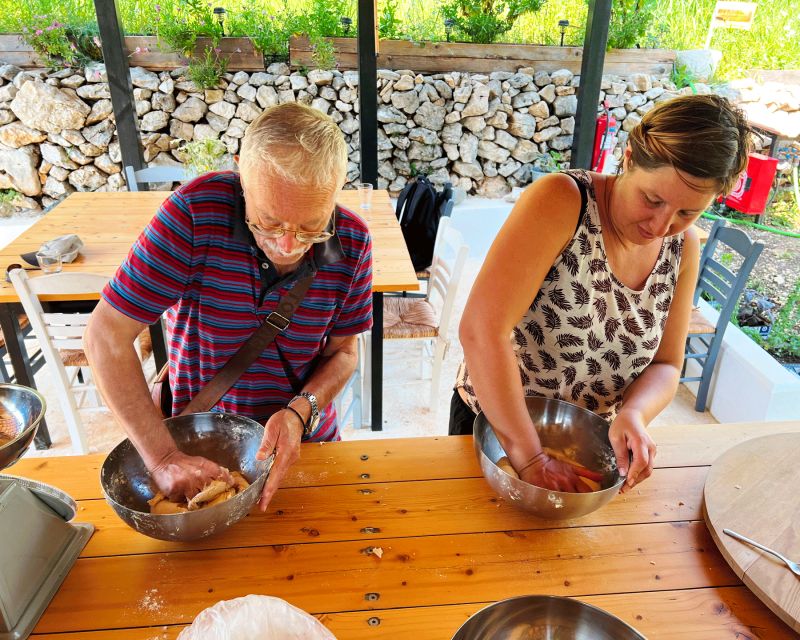
The class begins where you’d hope it begins: in the dirt. You learn about regenerative farming practices and how the farm aims to keep its ecosystem healthy. Then you harvest seasonal, organic ingredients that match what’s actually growing.
Why this part is worth your time: it changes how you cook afterward. When you understand why the herbs, vegetables, and grains were grown the way they were, you’re more likely to respect timing and simplicity once you get home. Greek food is not about complicated steps. It’s about getting the ingredients right and treating them gently.
Practical tip: go in ready to smell and touch. This isn’t a classroom where you only take notes. You’ll be on the farm, and you’ll move at a slow pace so you can learn what you’re picking and why it belongs in your meal.
If you have dietary restrictions, plan to flag them ahead of time. The course asks you to inform them of allergies and dietary needs, and that can affect what ends up on your plate. Better to handle this early than to hope it works out on the day.
The open-air kitchen and wood-burning oven reality check
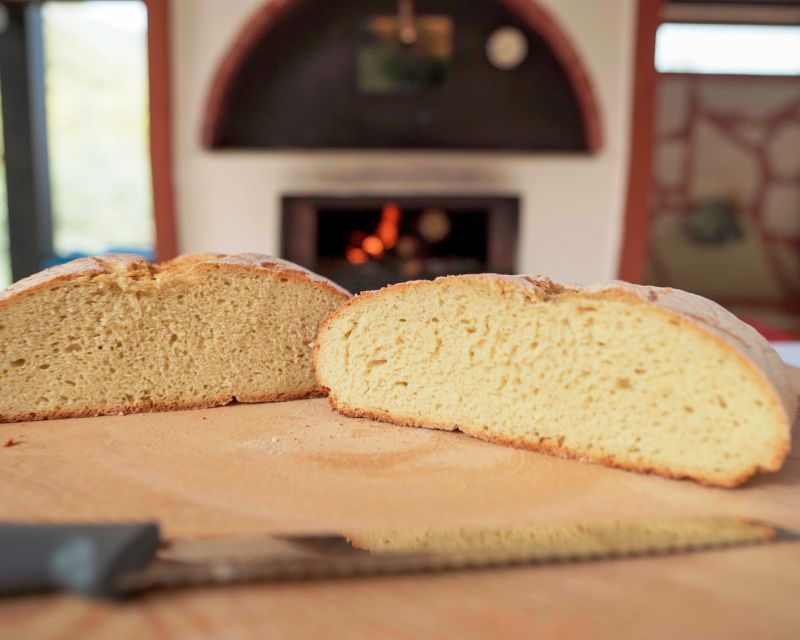
Next comes the kitchen, outdoors and functional. You’ll cook in an open-air space using a traditional wood-burning oven, with a focus on freshness, seasonality, and simplicity.
A wood-burning oven is not just a gimmick. It shapes the cooking rhythm. You’ll feel the heat, you’ll understand why timing matters, and you’ll pick up instincts that don’t show up in recipes written for a standard home oven.
You’ll also use the farm’s tools and get an apron, so you’re not scrambling for equipment on arrival. That makes the class feel low-stress even if you’re not an experienced cook.
Also, since the instruction is in English, it’s designed so you can follow the process and understand the ingredient logic, not just mimic steps.
The recipes you’ll make: bread, briami, tzatziki, Greek salad
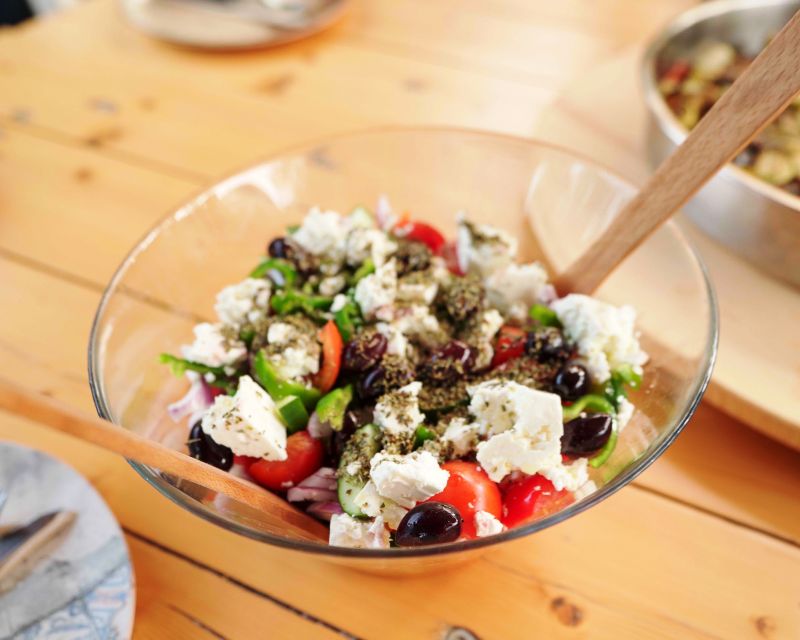
Here’s where the class earns its keep: you don’t just taste. You cook the meal. Based on what people have done in the sessions, your menu can include bread, briami, tzatziki, and Greek salad.
You’ll likely work across a few skill types:
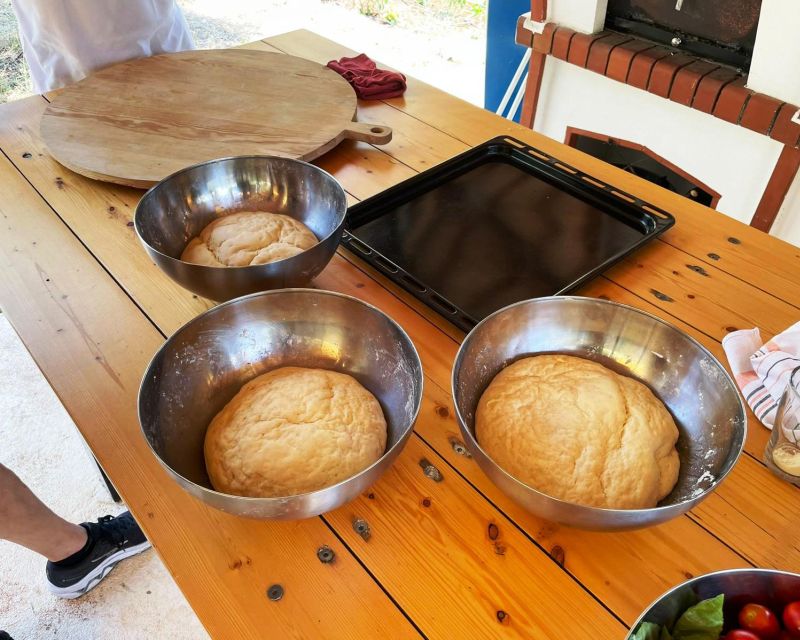
- Bread-making basics, which connect you to the broader Greek table tradition
- Briami, a vegetable-forward dish that rewards good olive oil and patient roasting
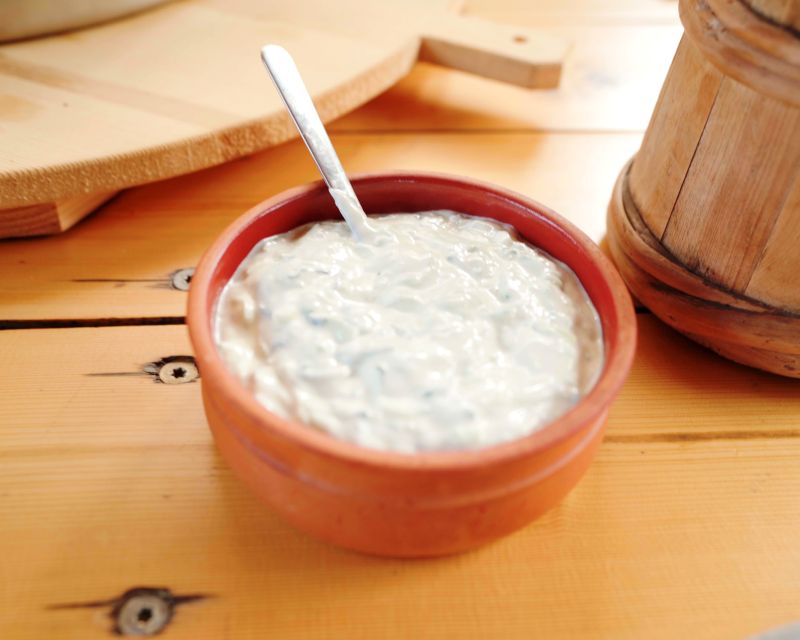
- Tzatziki, where herbs and freshness matter more than fancy technique
- Greek salad, the kind of dish that tastes simple only because the ingredients are done right
Even if you’ve cooked Greek food at home, I think you’ll notice the difference in method and quality. Fresh-from-the-garden ingredients hit differently, especially when you’re using olive oil that’s been treated as a key ingredient, not an afterthought.
If you’re the type who likes to take something home you can actually repeat, this menu is practical. These are common Greek favorites that also fit everyday home cooking, once you know what to prioritize.
Olive oil and herbs: how flavor gets taught, not guessed
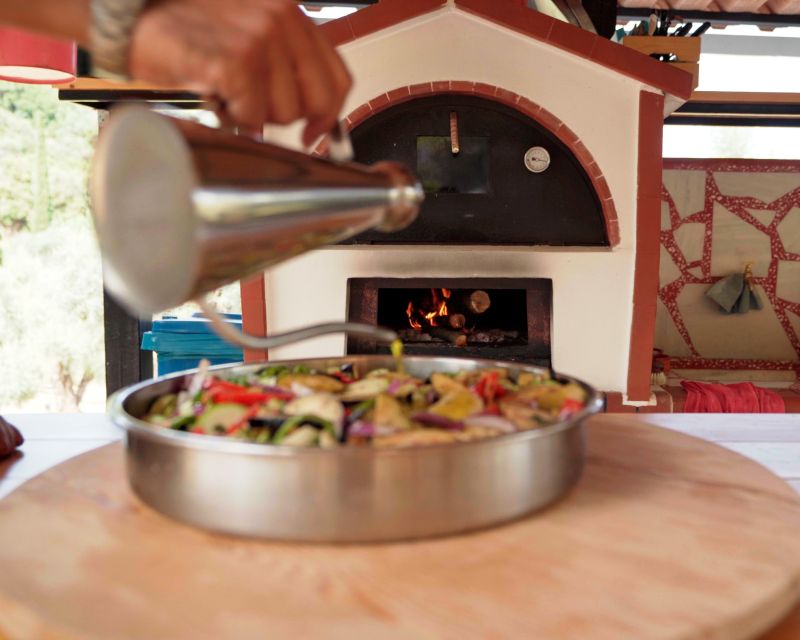
One of the strongest features here is the olive oil. The farm uses award-winning, high-polyphenol olive oil, and the class highlights it as a part of cooking philosophy, not just something to drizzle.
Why polyphenol oil matters (in everyday terms): it tends to taste more intense and grassy/peppery compared with milder oils. In practice, that means your salad and vegetable dishes taste more alive, and you’ll learn how much (and when) to use it.
You’ll also learn about herbs and ingredients in the context of the specific dishes you’re making. One session participant notes that the host talked through the herbs and traditional ingredients behind the recipes, and that kind of ingredient-focused explanation is exactly what helps you replicate the flavors later.
If you want a souvenir that’s not just a photo, olive oil is the obvious one. Even better, you taste and use it during the class, so you understand what you’re buying rather than hoping it’s good.
The Farmer’s Table meal: Slow Food without the speeches
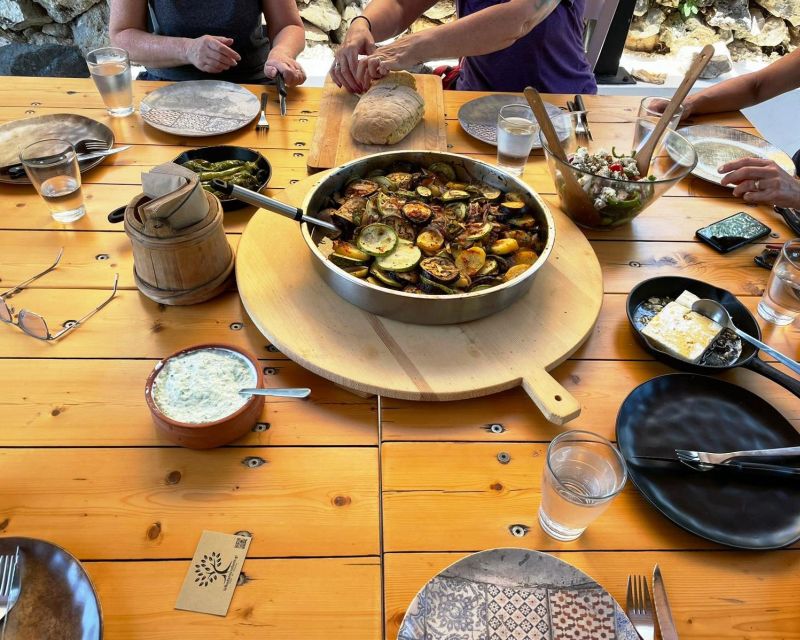
After cooking, you all sit together for the shared meal, often described as a Farmer’s Table. This is where the class moves from skills to spirit.
The Slow Food angle isn’t presented as a lecture. It shows up in how the food is treated: seasonal ingredients, honest preparation, and time to talk while you eat. A couple of reviews mention the feeling of eating together like family, including sharing the experience with other couples from different countries.
One detail that also helps: the meal is made from what you harvested and prepared. That makes the food feel earned, and it turns dinner into a story you can remember later.
For me, the real value of the final meal is that it makes the whole 4 hours feel complete. You’re not leaving with a recipe sheet and a half-finished dish. You’re eating the result, while the farm environment is still part of the day.
Price and logistics: where $123 makes sense
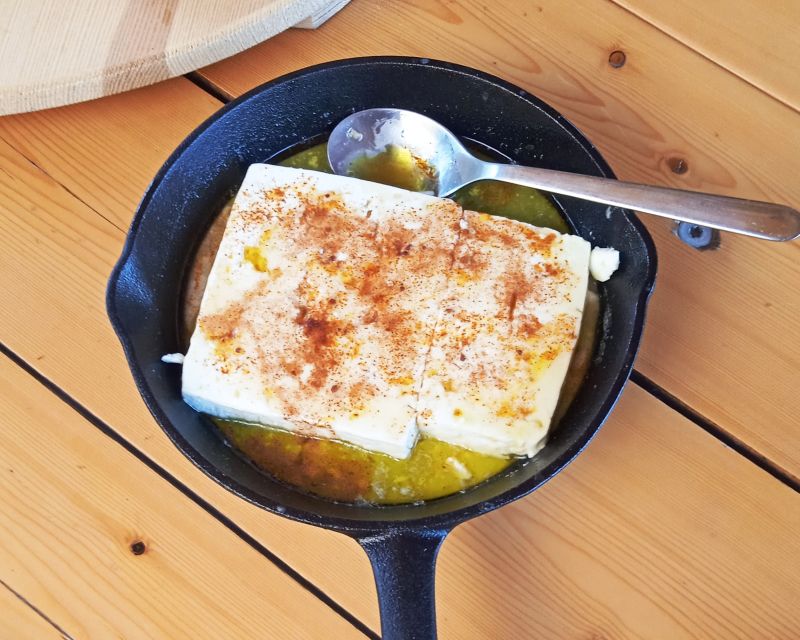
Let’s talk money honestly. $123 per person for 4 hours is not cheap. But it’s also not outlandish for a farm-based cooking class that includes:
- regenerative farm time and harvesting
- instruction in English
- wood-fired cooking with traditional gear
- tools and an apron
- a meal that reflects the work you did
The class can feel like a strong value if you want the full experience: land, cooking, and eating together. If you only want a casual cooking lesson, you might end up wishing you had paid less for purely culinary content.
One person specifically felt the price-to-performance wasn’t fully aligned with what they expected, even though they still enjoyed the organization and flow. That’s the best caution I can give: decide whether the farm part and the olive oil focus are central to what you’re looking for.
Small group energy: what it feels like with up to 10 people
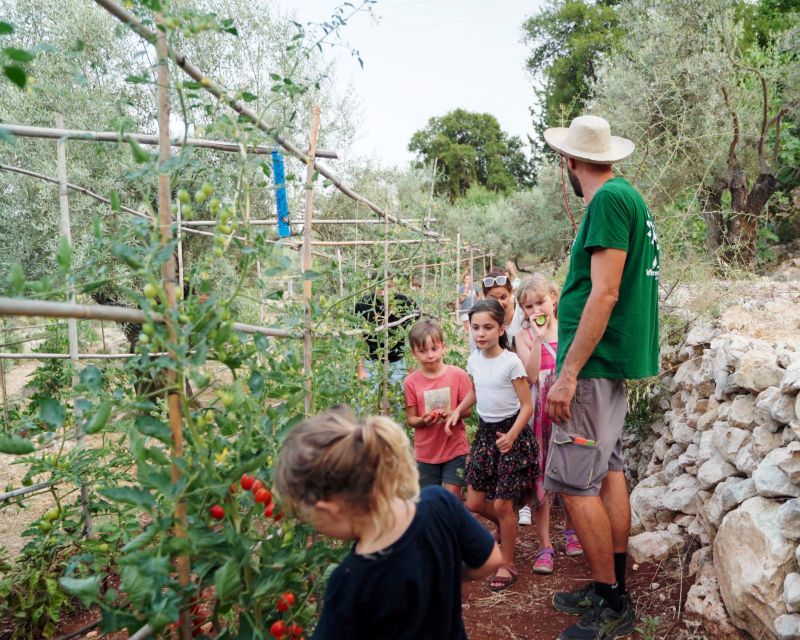
A maximum group size of 10 changes the tone. You can see what’s happening near the cooking stations, ask questions, and get more than one moment of attention.
It also makes the shared meal more comfortable. You’re not herded into a giant dining area. You’ll likely mix with people you didn’t come with, and conversation can happen naturally. One review mentions meeting people from other countries during the course, and that social element is often one of the unexpected perks of small-group cooking classes.
If you prefer quiet and minimal interaction, you may still enjoy it, but go in knowing this is a hands-on group activity where people talk while they work.
Who should book this class, and who might not
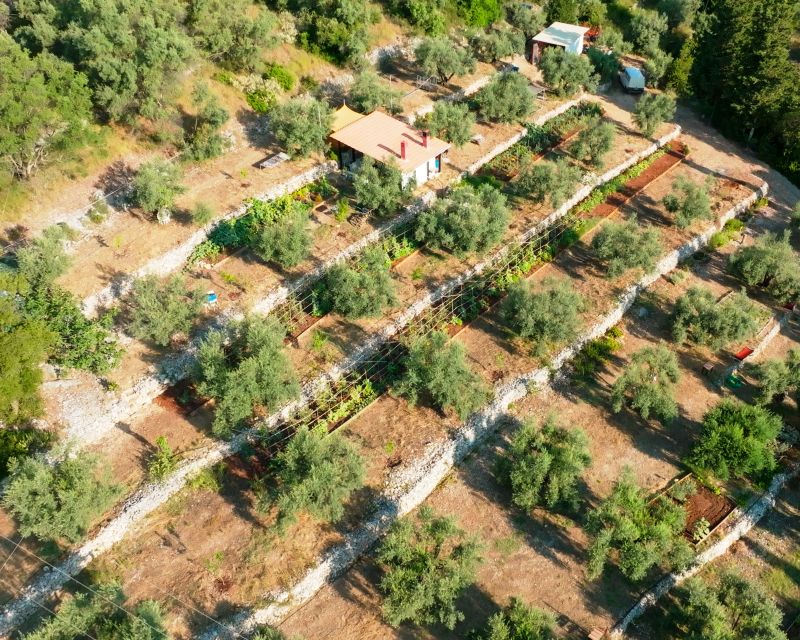
This is a great fit if you want:
- Farm-to-table cooking, not just cooking for the sake of cooking
- a Greek class that teaches ingredient logic and seasonality
- a traditional wood-fired setup and the chance to use excellent olive oil
It may be less ideal if:
- you’re only looking for fast recipes with minimal prep or farm time
- you’re extremely price-sensitive and want a shorter, cheaper class
- you have very specific dietary needs that require special accommodation beyond what’s available (the course does ask you to share restrictions, so they can try to help)
The people who seem happiest here are the ones who enjoy food as a connection. If that sounds like you, you’ll leave with both practical skills and a story.
Should you book the Lefkada Micro Farm cooking class?
I’d book it if you want a Greek cooking experience rooted in real growing. The combination of harvesting regenerative produce, cooking in a traditional wood-burning oven, and eating together at the Farmer’s Table is a rare match of hands-on learning and good dining.
Think twice only if $123 feels high and you’re mainly chasing a list of recipes. The class is more meaningful when you care about where ingredients come from and how they taste when they’re seasonal and treated with respect.
If you want a memorable day in Western Greece that feels authentic and practical at the same time, this is a solid choice.
FAQ
How long is the Traditional Greek Cooking Class @ Lefkada Micro Farm?
The class lasts 4 hours.
What price should I expect to pay?
It’s listed at $123 per person.
Is the class taught in English?
Yes. The instructor speaks English.
Is this a small group activity?
Yes. It’s a small group limited to 10 participants.
What recipes or dishes will we cook?
The class can include bread, briami, tzatziki, and Greek salad.
What is included in the experience?
You’ll be provided with cooking utensils and an apron.
Can the class accommodate food allergies or dietary restrictions?
You should inform the provider of any food allergies or dietary restrictions ahead of time.
Is it wheelchair accessible?
Yes, it is listed as wheelchair accessible.
What are the cancellation and payment options?
You can cancel up to 24 hours in advance for a full refund, and there’s a reserve now & pay later option so you can book without paying immediately.