REVIEW · CHIANG MAI
Half-Day Thai Cooking Class on a Local Farm Near Chiang Mai
Book on GetYourGuide →Operated by Smile Organic Farm Cooking School · Bookable on GetYourGuide
A Thai cooking class where you also visit a farm? That’s the real pull. This half-day experience near Chiang Mai pairs an organic farm tour with a practical hands-on cooking workshop, so you’re not just eating food—you’re learning how it’s made.
I especially like two parts. First, you get to shop the ingredients at a local market with a clear cooking purpose, which makes the rest of the class feel grounded. Second, you can pick seasonal fruit right from the trees, then use fresh flavors as part of the day’s rhythm. One thing to keep in mind: the schedule moves at a farm pace, so if you want a slow, purely relaxing day, this one is more hands-on than laid-back.
In This Review
- Key highlights you’ll actually care about
- How pickup and timing set the tone in Chiang Mai
- Local market stop: learn to choose ingredients the Thai way
- Organic farm countryside: herbs, trees, and a calmer pace
- The cooking workshop: curry paste to spring rolls, step by step
- Pad Thai and Tom Yum Goong: two dishes that teach balance
- Pool chill-out time: a real break after cooking
- E-book recipes and a photo album you can actually use
- Price and value: $28 for a 6-hour farm-to-kitchen day
- Who this experience is best for
- Booking sanity checks (quick and practical)
- Should you book this Thai cooking class on an organic farm?
- FAQ
- What’s the duration of the Thai cooking class?
- How much does it cost?
- Is pickup included, and where do you pick up?
- What time does the pickup happen?
- What language is the instruction in?
- Do I get the recipes to take home?
- What dishes can I expect to cook?
Key highlights you’ll actually care about
- Market visit that teaches you what to choose for Thai cooking, not just what to photograph
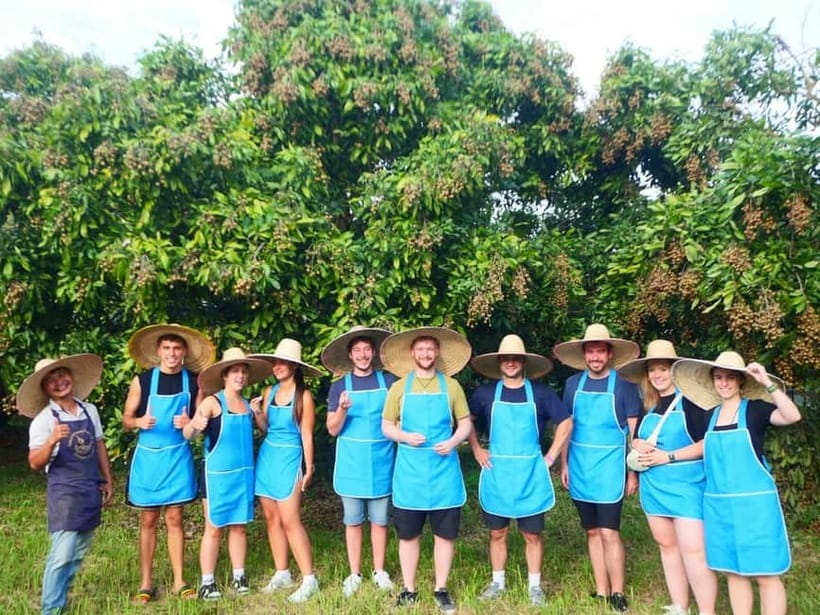
- Fruit picking from the farm (longans and mangoes depending on season)
- Herb garden stroll where you see what goes into common Thai flavors
- Cooking curry paste, curry, stir-fry, soup, and spring rolls with step-by-step guidance
- Pool chill-out time after the cooking (you can cool down or just lounge)
- English instruction and recipe e-book so you can recreate dishes later
How pickup and timing set the tone in Chiang Mai
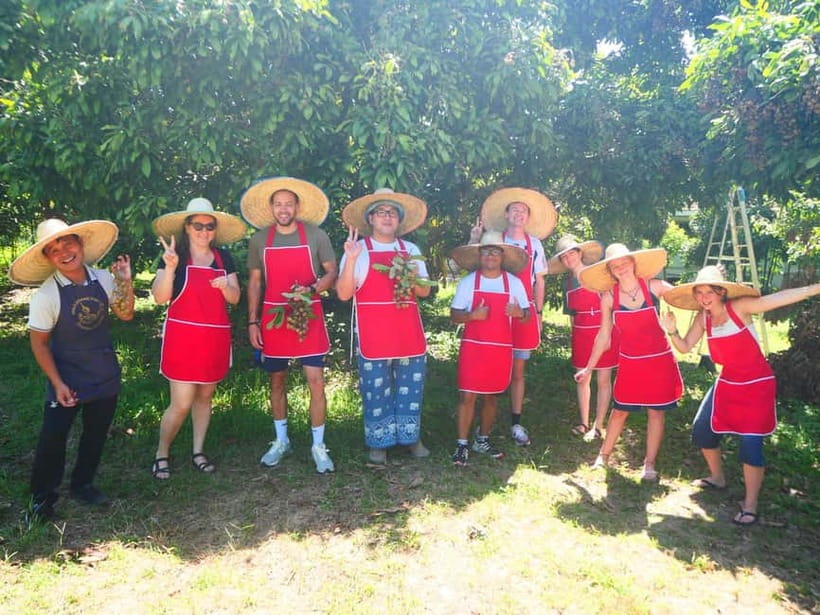
This class is built around a simple rhythm: morning or afternoon, with hotel pickup included. You’re collected in a small window—either 8:00–8:30am for the morning course or 3:00–3:30pm for the evening course—within about 3 kilometers of Chiang Mai Old City.
Why that matters: timing is everything in Chiang Mai heat. The air-conditioned vehicle helps you start the day (or reset after lunch) without turning the trip into a sweaty waiting game. Also, because it’s about 6 hours total, you get the full farm + cooking arc without feeling like you’ve signed up for the whole day.
You can also read our reviews of more tours and experiences in Chiang Mai.
Local market stop: learn to choose ingredients the Thai way
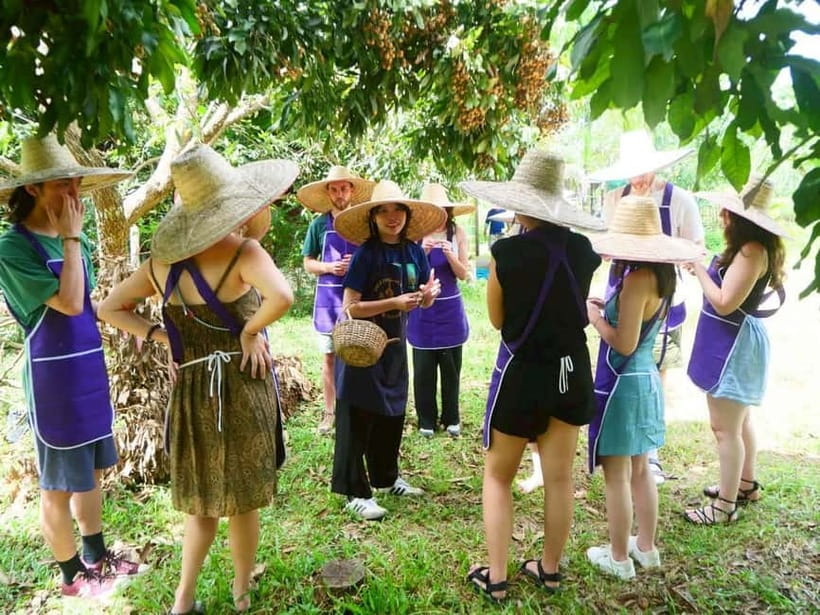
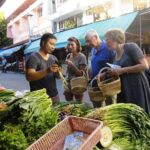
Your day begins with a visit to a local market. The focus isn’t vague sightseeing. You’ll explore fresh ingredients, then learn how to pick what’s best for Thai cooking.
What I like about this approach is that it changes how you eat afterward. Thai dishes hinge on key flavors—things like herbs, aromatics, and the balance between sour, salty, and spicy. When you see ingredients up close at the market, you understand what the finished dish is built from.
A practical note: markets can be busy and warm, and you’ll likely walk a bit. Wear breathable clothes and comfortable shoes. If you’re sensitive to strong food smells, you may want to eat lightly before you go, then come ready to cook.
Organic farm countryside: herbs, trees, and a calmer pace
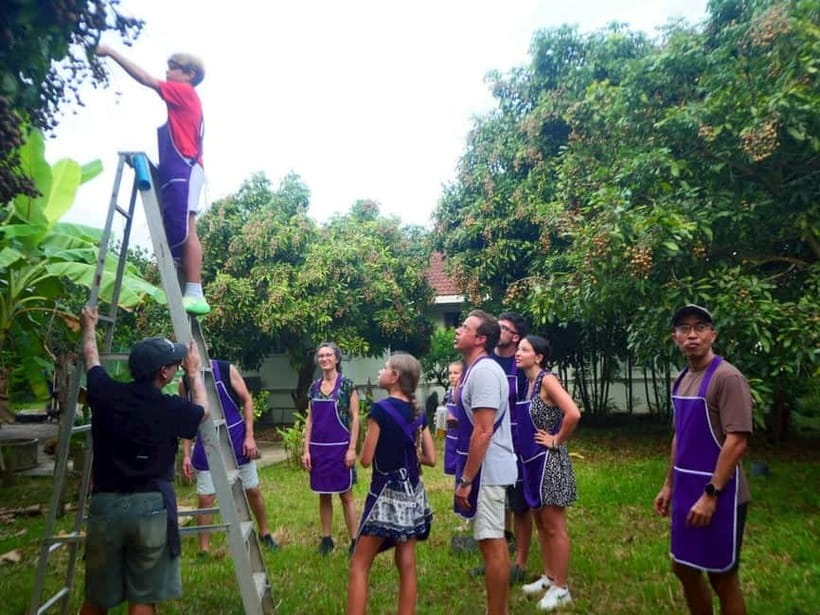
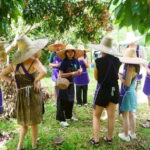
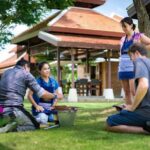
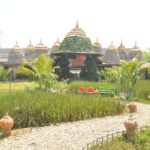
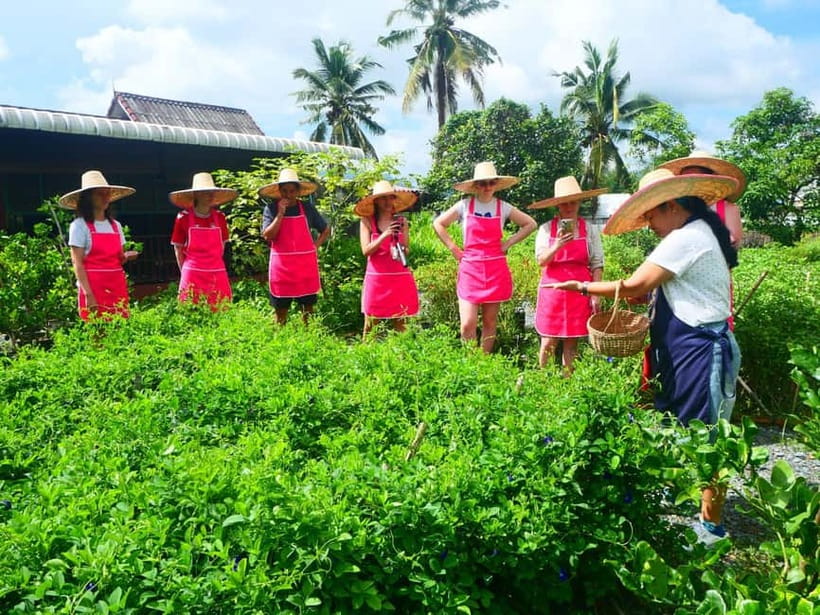
After the market, you head out to the farm area just outside Chiang Mai. This is Smile Organic Farm Cooking School, and the emphasis is on an organic setup in the countryside, with time to actually look around.
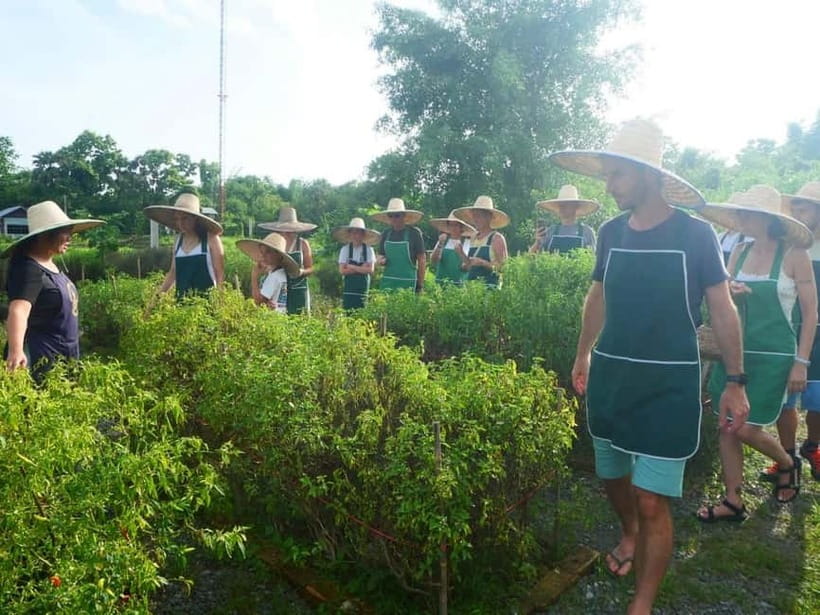
The herb garden stroll is one of the best “bridge moments” in the day. You’re shown the herbs and ingredients you’ll use later, so the cooking class feels like it has a real foundation instead of being just a sequence of recipes.
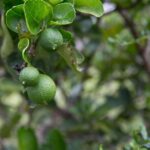
Then comes a special farm moment: fruit picking. If you’re there in the right season, you can pick:
- Longans (July–August)
- Mangoes (March–May)
Why it’s valuable: this isn’t just a fun photo stop. It turns fruit into a flavor reference point. Even when you’re not cooking with the fruit directly, you start noticing sweetness and aroma in Thai dishes and sauces more clearly.
The cooking workshop: curry paste to spring rolls, step by step
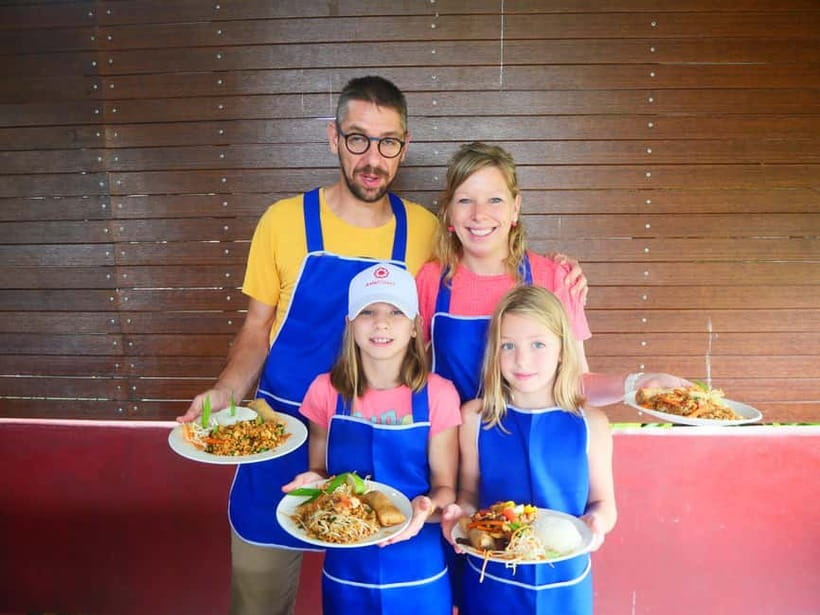
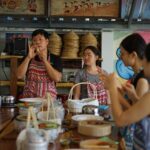
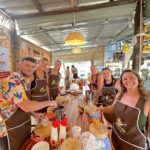
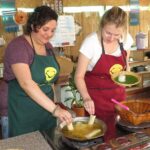
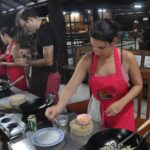
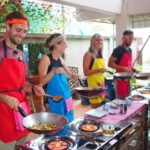
Back in the workshop area, you’ll join a fun, hands-on Thai cooking class. Expect to cook several classic styles, including key basics that show up across Thai cuisine.
You’ll work with dishes such as:
- Curry paste (the flavor engine)
- Curry
- Stir-fry
- Soup
- Spring rolls
The best part of a class like this is that you don’t just watch. You learn the logic: how aromatics get processed, how seasoning is layered, and how textures shift as you cook. That’s the difference between tasting Thai food and understanding Thai food.
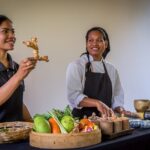
Also, the instructor is English-speaking, which matters when you’re learning knife work, paste texture, or timing. In at least one recent session, the guide Louna was noted for being friendly and always smiling while helping if needed. That kind of support makes a big difference if you’re new to Thai cooking.
Pad Thai and Tom Yum Goong: two dishes that teach balance
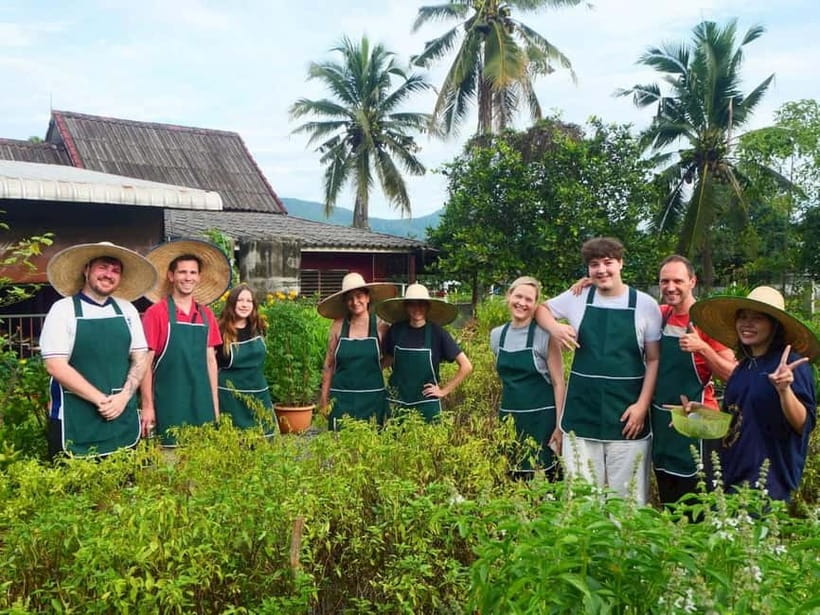
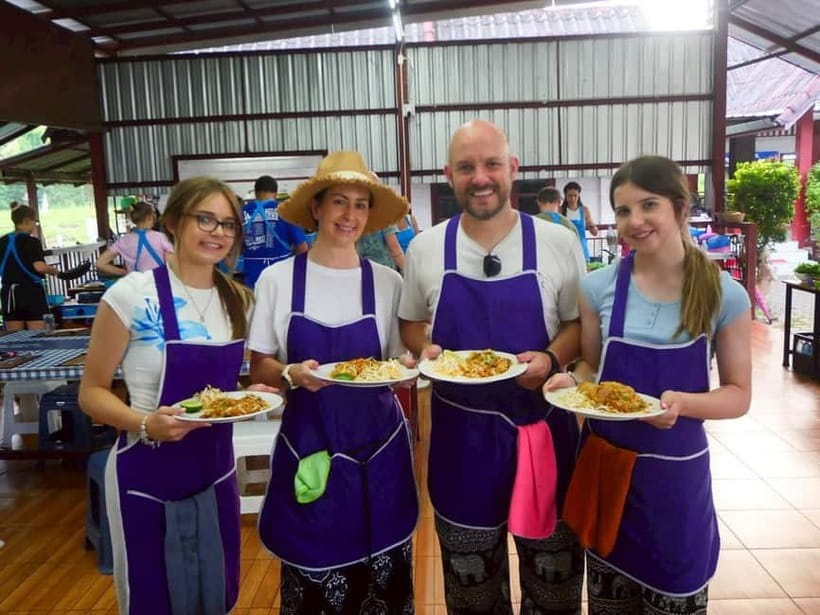
The class includes well-known dishes like Pad Thai and Tom Yum Goong (spicy prawn soup). These are great choices because they teach two different kinds of Thai flavor balance.
Pad Thai tends to rely on a sweet-salty-tang mix, plus the way sauces cling to noodles. With hands-on instruction, you’ll learn how the sauce goes from separate elements to something cohesive in the pan.
Tom Yum Goong is about bold contrast—heat, sour, and savory. Even if you adjust spice to your taste, you’ll learn what gives the soup its bite and brightness. That’s useful because it’s not just a single recipe. It’s a method you can reuse for future Thai-inspired soups.
Practical tip: Tom Yum is often spicy. If you’re sensitive, tell your instructor you prefer it milder. You’ll still learn the core flavors without feeling punished.


Pool chill-out time: a real break after cooking
After you cook, you get time to relax. There’s a chill-out area by the swimming pool, and you can take a refreshing dip if you want.
This matters because Thailand cooking classes can run warm and active. Having a place to cool down makes the whole day feel less like a sprint. It also gives you a chance to slow down and enjoy the farm atmosphere after the intensity of chopping, mixing, and tasting.
E-book recipes and a photo album you can actually use
Included with the experience:
- An e-book with recipes for what you made
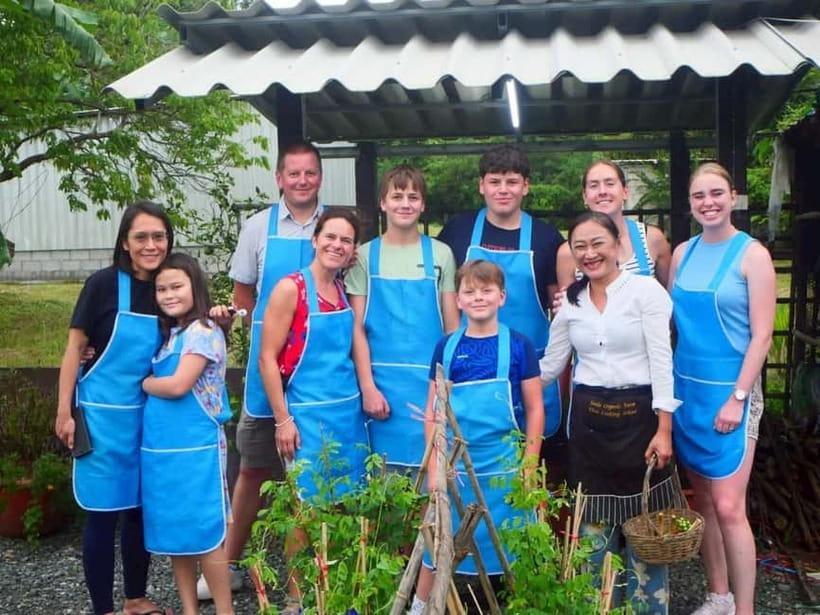
- A photo album on Facebook
This is small, but it’s smart. Cooking classes are only as valuable as what you can reproduce later. With recipes in a digital format, you’re more likely to cook again at home instead of relying on blurry memory.
If you don’t use Facebook much, you might still appreciate the recipes e-book even without checking the album.
Price and value: $28 for a 6-hour farm-to-kitchen day
At $28 per person, you’re getting a lot of moving parts in one package:
- Hotel pickup (within the Old City area radius)
- Market visit tied to ingredient choices
- Organic farm visit plus herb garden time
- Fruit picking when in season
- All ingredients for the cooking class
- English instruction
- Air-conditioned vehicle
- E-book recipes
For Chiang Mai, that price is especially reasonable when you compare what you’d usually pay for a market tour plus a separate cooking class. The value here is in how the day connects: the market teaches selection, the farm shows ingredients, and the workshop translates it into real meals.
One last value note: transport gets strong feedback (with 92% of reviewers scoring it perfectly). When you’re spending time in transit, comfort and reliability change your whole impression of the day.
Who this experience is best for
This class is a great fit if you:
- Want Thai food learning that’s more than watching
- Like farm settings and want a calm escape from the city
- Prefer practical classes where you’ll cook multiple dishes
- Enjoy ingredient-focused experiences (market + herb garden)
- Want something structured but not overwhelming—about 6 hours total
If you’re traveling with kids, it can work as a family activity because it’s hands-on and includes time to relax by the pool. If you’re strictly looking for a purely cultural tour with lots of history facts, you might find the format more food-forward than museum-style.
Booking sanity checks (quick and practical)
The experience runs with free cancellation up to 24 hours in advance for a full refund, so you’re not locked in if plans shift. You can also reserve now and pay later, which is handy if you’re still tweaking your Chiang Mai itinerary.
Just note that starting times vary by morning vs evening course, so double-check which slot you’re selecting.
Should you book this Thai cooking class on an organic farm?
Yes, if you want a Thai cooking class that feels like you earned the meal. The combination of a market visit, an organic farm herb garden, and hands-on cooking of dishes like Pad Thai and Tom Yum Goong gives you more than a cookbook-style experience. Add seasonal fruit picking and pool time, and it becomes a full little reset day near Chiang Mai.
Book it especially if $28 feels like a fair trade for a guided day with ingredients handled, dishes taught, and recipes you can use later. If you hate spice, tell your instructor early and choose your pace during the cooking.
FAQ
What’s the duration of the Thai cooking class?
The experience lasts about 6 hours.
How much does it cost?
It’s listed at $28 per person.
Is pickup included, and where do you pick up?
Yes. Pickup is included from your hotel or accommodation within 3 kilometers of Chiang Mai Old City.
What time does the pickup happen?
Pickup is between 8:00–8:30am for the morning course and 3:00–3:30pm for the evening course.
What language is the instruction in?
The instructor teaches in English.
Do I get the recipes to take home?
Yes. You’ll receive an e-book with the recipes, and there’s also a photo album on Facebook.
What dishes can I expect to cook?
You’ll learn classic Thai dishes such as curry paste and curry, plus items like stir-fry, soup, spring rolls, and favorites including Pad Thai and Tom Yum Goong.