REVIEW · ADDIS ABABA
Market Tour and Cooking Class with a Coffee Ceremony at a Home in Addis Ababa
Book on Viator →Operated by Traveling Spoon · Bookable on Viator
A coffee-and-cooking day feels like family. In Addis Ababa, this market-to-home experience turns everyday food into something you can taste, learn, and understand through real routines.
I love the chance to learn injera from people who do it for their own kitchen, not from a staged demo. And I love how the day ends with a proper coffee ceremony, with freshly roasted beans and the kind of slow pacing that makes you stop checking your watch.
One thing to consider: there’s no hotel pickup, and the home stop can be a longer ride depending on where you’re staying, so build in extra travel time.
In This Review
- Key highlights to know before you go
- Addis Ababa market-to-home: how you get your bearings
- Traveling to the market without the usual tourist friction
- Cooking in Daniel and Tigist’s home: injera and more
- What you’ll do during the cooking portion
- Why this style of cooking lesson is worth your time
- The coffee ceremony: the slow ritual that finishes the meal
- Lunch or dinner: choose based on your Addis schedule
- Price and value: what $168 buys you
- Group size and the comfort factor
- What to say when you book (so the day goes smoothly)
- How to make the most of it in Addis Ababa
- Should you book Traveling Spoon’s Addis market, cooking, and coffee ceremony?
- FAQ
- What’s included in the experience?
- Do I need to pay extra for the coffee ceremony?
- Is there a vegetarian option?
- Can the hosts accommodate allergies or dietary restrictions?
- How long is the tour?
- Do they pick you up from your hotel?
- Is this a large group tour?
- Are there any restrictions for participation?
- What’s the cancellation policy?
Key highlights to know before you go
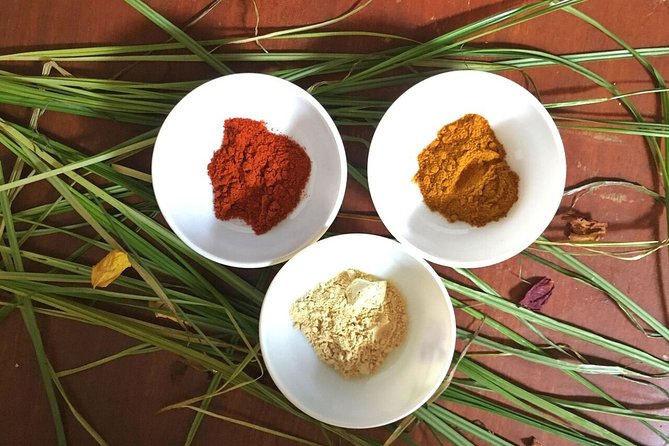
- Market first, then cooking: you start with ingredients and context, not just recipes.
- Daniel and Tigist teach in their home kitchen: it’s intimate, not a classroom.
- Hands-on Ethiopian cooking: expect lessons centered on injera and traditional dishes.
- A full coffee ceremony: freshly roasted coffee is part of the meal flow.
- Lunch or dinner option: choose the timing that fits your Addis schedule.
- Private, just your group: you won’t be mixed into a big bus crowd.
Addis Ababa market-to-home: how you get your bearings
The best way I’ve found to understand a food culture is to see where it starts. Here, the day begins with a market tour before you step into the kitchen. That ordering matters. You’re not memorizing steps from a book; you’re connecting ingredients to the hands that use them every day.
The focus is Addis Ababa’s everyday food world, and that’s why this works even if you’ve never cooked Ethiopian before. You get a guided look at what people buy, how they think about staples, and what shows up in a typical meal. It also helps your senses during the cooking part because you already know what’s what.
You’ll also get that subtle comfort that comes from being with hosts, not a rotating lineup of strangers. With Daniel and Tigist (and their family), the vibe is friendly and grounded. The goal is shared culture, not performance. That’s why this kind of experience feels more real than a commercial cooking class.
You can also read our reviews of more tours and experiences in Addis Ababa.
Traveling to the market without the usual tourist friction
There’s no mention of hotel pickup, so you’ll need to make your own way to the meeting point area in Addis Ababa. If you’re staying somewhere central, you might find the logistics easy. If you’re not, plan for a longer ride and a little extra buffer before the start time.
On the upside, the experience is near public transportation, so you’re not stuck if you don’t want to rely on a taxi for every leg. A mobile ticket is included, which also helps on the day itself. You’ll get confirmation at booking, so you can approach the morning with less stress.
One more practical note: this is described as near public transportation, and it’s a home visit. That usually means you should dress in a comfortable, easy-to-move way. You don’t need to dress like a cook, but you should be ready for a normal home environment.
Cooking in Daniel and Tigist’s home: injera and more
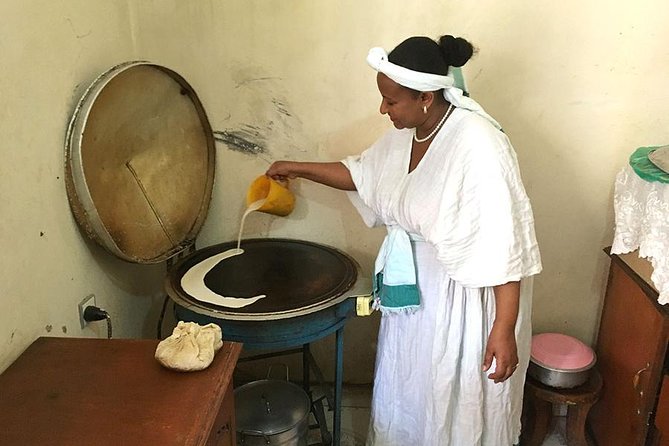
The heart of the experience is learning Ethiopian cooking in an actual home kitchen. This matters. Restaurant kitchens and cooking studios are designed for speed and spectacle. A home kitchen is about rhythm—what happens first, what simmers while you prep the rest, and why certain dishes get made in certain ways.
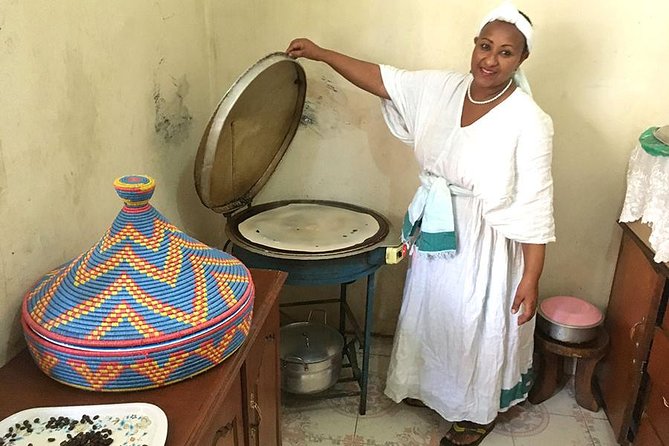
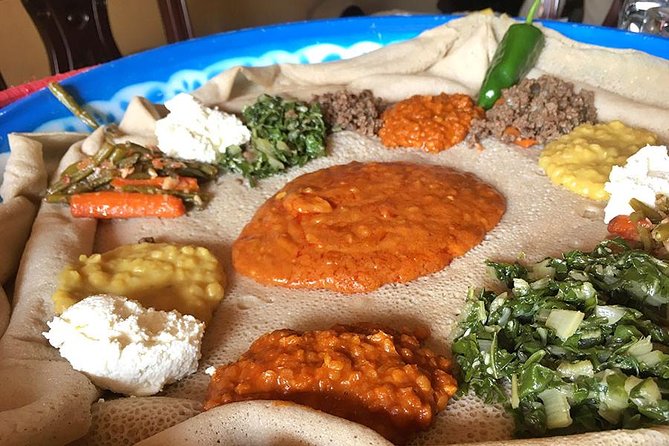
You’ll learn how to cook traditional Ethiopian dishes, with injera called out as a key lesson. Injera is more than a flatbread here. It’s fermented, it’s foundational, and it sets the tempo for how meals are served. Even if you’re not an expert, the way this is taught helps you understand what makes it different from regular bread.
Expect instruction that’s patient and practical. The experience is specifically framed as not a commercial cooking class. Instead, it’s a visit to meet locals who are expert cooks and share their kitchen knowledge. That usually leads to a more personal pace, with time to ask questions.
What you’ll do during the cooking portion
Exact menus can vary by season, but you can count on the structure: market ingredients lead into cooking, and cooking leads into eating. The hosts teach you the dishes, and you eat what you make as part of the experience flow.
If you have dietary preferences, tell the organizers when booking. A vegetarian option is available, and you can request it ahead of time. If anyone in your group has allergies or dietary restrictions, make sure you share those details during booking as well, since menus may vary.
Why this style of cooking lesson is worth your time
This isn’t about collecting a list of recipes to cook later. It’s about understanding cooking as a lived skill. When you learn injera and traditional dishes alongside the people who make them for their own meals, you get context that you just can’t get from watching a 10-minute video.
And because you’re in a home kitchen, you also get more than food technique. You learn habits: how people talk about ingredients, how they adjust for what’s available, and how meals connect with hospitality. That’s the main reason this day feels like culture, not content.
The coffee ceremony: the slow ritual that finishes the meal
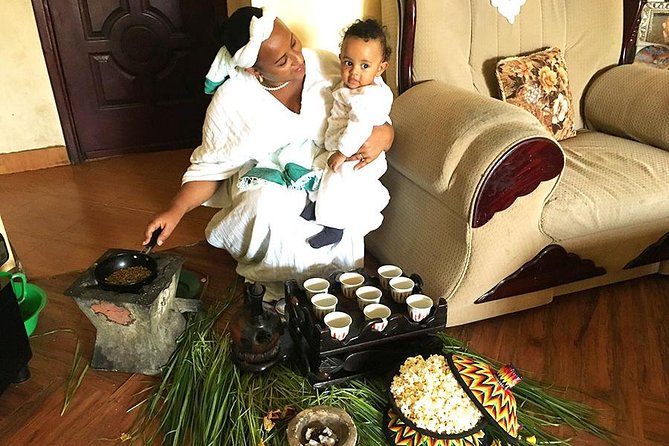
Then comes the coffee ceremony, and it’s not treated like a quick add-on. It’s part of the experience arc. The coffee is made from hand-roasted beans, and the ceremony is included as a full segment after you’ve cooked and eaten.
Why do I care about this part so much? Because Ethiopian coffee culture is tied to how time is spent together. The ceremony gives you a natural pause after cooking, and it turns the meal into something more ceremonial than just eating.
In practical terms, you can expect a guided introduction to the ritual. You’ll learn how the coffee is handled and roasted, and you’ll experience it as part of the home’s routine. If you enjoy food experiences where the finish matters, this hits the mark.
Also, beverages are included in the overall experience. So you’re not worrying about what to drink while you’re learning and cooking.
Lunch or dinner: choose based on your Addis schedule
You have a choice between a lunch or dinner tour. That’s not a small detail. Addis Ababa daytime and evening schedules can feel different, especially if you’re planning other activities around the city.
- If you want the cooking experience early and a full afternoon free, lean toward lunch.
- If you want a slower day and prefer an evening meal with the coffee ceremony, choose dinner.
Either way, the total time is about 3 hours 30 minutes. Plan for that block, plus travel time to get to the meeting point. This is one of those experiences that works best when you don’t schedule five other things right next to it.
Price and value: what $168 buys you
At $168 per person, this isn’t the cheapest thing you can do in Addis. But the value is in the format: a market tour plus a home cooking class plus a coffee ceremony, taught by hosts in their own space.
What you’re paying for:
- Local market time before cooking
- Hands-on cooking instruction in a home kitchen
- A full meal and coffee ceremony as part of the flow
- A private setup where only your group participates
- Included beverages, plus all taxes, fees, and handling charges
- Included gratuities (so you’re not doing mental math at the end)
This also tends to be a popular experience, since it’s commonly booked well ahead. The average booking window is about 89 days in advance, so if you’re traveling during a busy season, it’s smart to lock it in early.
Group size and the comfort factor

This experience is described as private and personalized, with only your group participating. That changes the feel compared with many group tours where you’re constantly waiting your turn or trying to get the instructor’s attention over noise.
In a home setting, privacy can also make a big difference emotionally. You’ll likely feel more relaxed asking questions, and you’ll get more attention during the cooking portion. You’re there to learn a household skill, and the setup supports that.
If you’re traveling with friends or family and you want something that feels special without being stiff, this format fits well.
What to say when you book (so the day goes smoothly)
When you book, don’t keep your preferences vague. The organizer explicitly asks you to advise about allergies, dietary restrictions, and cooking preferences at the time of booking, and the menu can vary by season.
Here’s the simplest way to prepare:
- If you’re vegetarian, request the vegetarian option when booking.
- If you have allergies or strict restrictions, list them clearly.
- If you have a cooking preference (for example, wanting extra focus on injera), you can note that as a preference.
This type of tour works best when the hosts can plan ahead. Since you’re eating what you help make, it’s fair to make sure the food works for everyone in your group.
How to make the most of it in Addis Ababa
A home kitchen experience is easiest when you treat it like visiting someone’s family home, not like a studio. You’ll get the best day if you keep your expectations realistic and your curiosity high.
A few practical tips:
- Wear comfortable clothes you can move in, and shoes that handle normal indoor/outdoor movement.
- Bring a curious mindset. This isn’t just about copying recipes; it’s about learning why the food is made the way it is.
- Ask questions about the coffee ceremony. It’s a ritual with meaning, and the guided explanation is part of the payoff.
- If you’re coming from farther away, give yourself time for the ride since pickup isn’t included.
If your goal is authentic Ethiopian food in a setting that feels personal, this tour is designed for that.
Should you book Traveling Spoon’s Addis market, cooking, and coffee ceremony?
You should book if:
- You want an authentic home-based meal experience rather than a commercial cooking show.
- Ethiopian coffee culture and injera are on your must-do list.
- You’d rather learn from hosts in their kitchen than from a standardized class setting.
- You value a private, family-style atmosphere with plenty of conversation.
You might skip or reconsider if:
- You strongly prefer schedules with hotel pickup and minimal travel time.
- You’re looking for a quick, low-cost activity and not willing to pay for market time plus a full guided meal and ceremony.
If you’re visiting Addis Ababa and you want food to be more than sightseeing, this is one of the best ways to do it. The combination of market context, hands-on cooking, and a complete coffee ceremony gives you a full snapshot of daily life at the table.
FAQ
What’s included in the experience?
You get a private market tour, a cooking class, and a coffee ceremony with your hosts Daniel and Tigist. Beverages are included, and all taxes, fees, and handling charges and gratuities are included.
Do I need to pay extra for the coffee ceremony?
No. The coffee ceremony is included as part of the experience.
Is there a vegetarian option?
Yes. A vegetarian option is available. You should request it at the time of booking.
Can the hosts accommodate allergies or dietary restrictions?
They ask you to advise about allergies, dietary restrictions, or cooking preferences at booking. Menus may vary depending on the season, so it’s best to share details in advance.
How long is the tour?
It lasts about 3 hours 30 minutes (approx.).
Do they pick you up from your hotel?
No hotel pickup and drop-off is included. The activity meets at a meeting point in Addis Ababa and ends back at the meeting point.
Is this a large group tour?
No. It’s private, and only your group participates.
Are there any restrictions for participation?
Most travelers can participate. Service animals are allowed.
What’s the cancellation policy?
You can cancel up to 2 days in advance for a full refund. If you cancel less than 2 full days before the experience start time, the amount paid is not refunded.