Piadina lessons beat another museum morning. This small-group Emilian cooking class in Ravenna is built around true Romagna piadina on a terracotta pan and fresh pasta skills like passatelli, taught in a real home setting rather than a show kitchen. I like that the meal is not just a finish line; it’s tied directly to the methods you learn, plus you’ll get a bottle of wine and infusions as part of the experience. The one thing to consider is getting to the home: the exact address has been a snag for some people, and you may not have everything nailed down until close to the start.
You’re looking at about 3 hours in English with a maximum of 8 travelers, so you should expect real hands-on time and plenty of questions. The overall vibe is convivial, and the chef experience is a big part of why this works, including chef Alberto, who comes across as genuinely welcoming. Just plan ahead for the location details so you’re not scrambling right before you sit down to cook.
In This Review
- Key highlights you should care about
- Romagna cooking in a local home, not a demo kitchen
- Piadina on the terracotta pan: IGP-style, squacquerone, and cold cuts
- Passatelli pasta: cheese strands, making them, then learning the best way to serve
- What’s on your table: bruschettas, tagliatelle or linguine, stuffed pasta, and Zuppa Inglese
- Price and value: why $129 is more than a meal
- Meeting point in Ravenna: Via dell’ Almagià and planning for the exact home address
- Who should book this class (and who might not love the fit)
- Should you book the Emilian cooking class in Ravenna?
- FAQ
- How long is the cooking class?
- What language is the class offered in?
- Is lunch or dinner included?
- Does the price include drinks?
- Where do I meet, and do I return there?
- Is hotel pickup or drop-off included?
- How big is the group?
- Can I bring dietary restrictions?
- What is the cancellation policy?
Key highlights you should care about
- Terracotta-pan piadina with an IGP-style approach, served with typical cold cuts and cheeses like squacquerone
- Passatelli (cheese strands) pasta-making, with help on serving options and ingredient sourcing
- A class that turns into your meal, with lunch or dinner included plus a bottle of wine and infusions
- Small-group format (up to 8) that usually means you can actually participate, not just watch
- Chef Alberto’s friendly teaching style, which makes the whole thing feel personal
Romagna cooking in a local home, not a demo kitchen
Ravenna is famous for mosaics, sure. But if you want a different kind of Ravenna memory, this kind of class changes the pace. You’re not just learning what Emilian food is. You’re learning how it’s made, in the kind of setting where recipes are part of daily life.
The format matters. With a maximum of 8 travelers, the session stays focused. That size also helps the chef keep an eye on what you’re doing, especially when the work moves from rolling and shaping to cooking and timing. And since you’ll be working in English, you can follow along without doing mental translation while your hands are busy.
The included meal is another key piece. Many food tours end with a tasting platter. Here, you’re expected to cook, then eat what you made, in a convivial atmosphere. That changes the value in a practical way: you leave with techniques, plus a satisfying sit-down result.
Piadina on the terracotta pan: IGP-style, squacquerone, and cold cuts
The first main skill is piadina. And not the generic, flat fast-food idea of it. The class is framed around the heart of Romagna cuisine and the piadina you’d expect from the region’s own traditions.
Here’s what you’ll do and what you’ll learn:
1) You’ll learn how to prepare real Romagna piadina according to the IGP recipe.
2) You’ll cook it on a traditional terracotta pan.
3) You’ll serve it in the regional way, with typical cold cuts and cheeses, especially squacquerone.
That sounds straightforward until you consider what terracotta changes. A terracotta pan is part of the texture story, and piadina is the kind of food where small differences in heat and timing can show up fast. Learning the method in the context of the pan is the difference between copying a recipe and understanding how the dough and cooking process behave.
Also, pay attention to the serving component. The course is not just bread. It’s bread plus filling logic: cheese and cold cuts are not random toppings here. Squacquerone is front and center, and that matters because it shapes the flavor profile you’re aiming for.
If you’re the type who loves food details, this is the section where you’ll notice them most: ingredient choices, how you handle the dough, and how the pan affects what happens in the end.
Passatelli pasta: cheese strands, making them, then learning the best way to serve
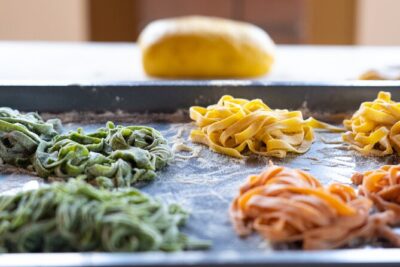
After piadina, the class switches gears to pasta fresca. The focus is on a specific handmade format: passatelli, often described as cheese strands of pasta.
The key things you’ll take from this part:
- How to make passatelli from scratch as fresh pasta
- How to think about serving options
- How to source better ingredients, not just follow steps blindly
Passatelli works because it’s more than a shape. The mixture and technique are what determine whether it comes out with the right texture. If you’ve ever tried a pasta recipe at home and ended up with something that tasted fine but didn’t match the feel, this is the kind of instruction that helps you correct course. Even without a long lecture, the focus on method and ingredient sourcing gives you a stronger path for future cooking.
Serving options are also included, which is practical. Pasta is rarely just about getting the dough right. It’s about what goes with it and how you present it. This part helps you translate the technique into something you can repeat at home, not just a one-time class product.
What’s on your table: bruschettas, tagliatelle or linguine, stuffed pasta, and Zuppa Inglese
This experience doesn’t stop at cooking the two headline items. Your meal is set up in a way that reflects what a traditional Emilian table might look like in practice.
From the provided sample menu, here’s what you can expect as part of your included lunch or dinner:
- Seasonal bruschettas
- A pasta course option that may include hand-rolled tagliatelle or linguine, plus stuffed pasta
- Zuppa Inglese for dessert
- A piadina main that may be authentic handmade piadina or a stuffed version called crescione
- Dessert to finish
A quick note on how to interpret this: the class skills are piadina and passatelli, but the meal itself can include additional pasta courses. That’s good news for you because it gives you more tasting range while you’re learning. You don’t have to choose between learning and eating.
If you care about desserts, Zuppa Inglese is listed clearly. This kind of finish matters because it turns your effort into a full outing, not just a snack after a workshop.
And because bottle of wine and infusions are included, you’re not constantly scanning for where to buy drinks during the 3-hour block. That boosts comfort, especially if you want to focus on cooking rather than logistics.
Price and value: why $129 is more than a meal
At $129 per person, this isn’t the cheapest way to eat in Ravenna. But it’s also not priced like a basic restaurant lunch either. The value comes from the mix of what’s included:
- Hands-on cooking instruction
- Lunch or dinner
- A bottle of wine
- Infusions
- A small-group format (max 8)
For me, the best way to judge value is to ask what portion of your time is structured instruction versus just eating. Here, your time is organized around learning piadina and making passatelli, then you eat in the same flow. That’s different from paying for a meal where you don’t gain skills.
The lack of hotel pickup and drop-off also affects value, but it doesn’t automatically make it worse. It simply means you should plan your own arrival to the meeting point. The payoff is that you’re paying for the class and meal, not a bundled transport service.
If you want a souvenir that lasts longer than photos, techniques are the real currency here. The menu choices and the included drink make sure that skill-building ends with a proper sit-down.
Meeting point in Ravenna: Via dell’ Almagià and planning for the exact home address
You start at Via dell’ Almagià, 48122 Ravenna RA, Italy, and the activity ends back at that same meeting point.
Two practical things to know:
- The tour is near public transportation, which helps if you’re moving around Ravenna without a car.
- Finding the actual home for the class can be tricky, and the exact address has not always been clear until around two days before for some participants.
So here’s your smart move: once you book, watch for the details about where the cooking happens and confirm it early. If you’re the type who likes to arrive and breathe before you start, give yourself a buffer. That way you’re not trying to interpret directions while hunger and cooking nerves are both kicking in.
If you’re traveling with someone else, note there’s a minimum of 2 people per booking. That’s usually fine, but if you’re a solo traveler, it can affect whether the class is running when you want it.
Who should book this class (and who might not love the fit)
This class is a strong choice if you want more than a food stop. You should especially like it if you care about:
- Regional differences within Italian cuisine
- Hands-on cooking with specific local methods, like terracotta-pan piadina
- Learning a pasta shape like passatelli that you might not cook often at home
- Getting a full included meal with wine and infusions
It might be less ideal if you want purely hands-on from start to finish. One concern that comes up is that some people felt the session leaned a bit more toward eating than preparation at certain moments. That doesn’t ruin it, but it’s worth keeping your expectations grounded: it’s still a cooking class, yet the timing may include time for tasting and dinner flow.
It’s also a good fit for groups who can stay small. With max 8 travelers, this tends to work best when everyone is there to cook, ask questions, and enjoy the table.
Should you book the Emilian cooking class in Ravenna?
If you’re in Ravenna and you want a local perspective that goes beyond mosaics, I’d book it. The biggest reasons are the specific skills you’re learning: piadina on a terracotta pan and passatelli pasta-making, plus the meal that follows with dishes like bruschettas, a pasta course option, and Zuppa Inglese.
I’d also book it if you value a structured, small-group setup where you get instruction in English and end up eating something you helped create. The one caveat is location clarity for the home venue, so plan for that and keep an eye on the address details once you receive them.
If you want cooking plus comfort, wine, and a full table experience in about 3 hours, this is the kind of class that makes Ravenna feel like it has a heartbeat.
FAQ
How long is the cooking class?
The class lasts about 3 hours.
What language is the class offered in?
The experience is offered in English.
Is lunch or dinner included?
Yes. The experience includes lunch or dinner, depending on the session.
Does the price include drinks?
Yes. A bottle of wine and infusions are included.
Where do I meet, and do I return there?
You start at Via dell’ Almagià, 48122 Ravenna RA, Italy, and the activity ends back at the same meeting point.
Is hotel pickup or drop-off included?
No. Hotel pickup and hotel drop-off are not included.
How big is the group?
The group size is limited to a maximum of 8 travelers.
Can I bring dietary restrictions?
You should advise any specific dietary requirements at time of booking.
What is the cancellation policy?
Free cancellation is available up to 24 hours in advance for a full refund. Changes within 24 hours of the start time are not accepted.