REVIEW · KANDY
Kandyan Hut Cooking Class
Book on Viator →Operated by Kandyan Hut Cooking Class · Bookable on Viator
Food lessons in Sri Lanka are best when you’re doing the work, not just watching. This class at Kandyan Hut Cooking Class puts you in a traditional-style kitchen in Kandy, with local chefs walking you through classic dishes and sharing what each one means. You can even pair it with a market visit so you start by picking ingredients and spices that shape the whole meal.
I like two things most: the step-by-step coaching (it’s interactive, so you actually cook), and the flavor-focused recipes that help you recreate Sri Lankan meals at home, not just eat them in one sitting. The small, friendly vibe also matters—people remember teachers by name, including Anu, plus Upul and Asha.
One possible drawback: if you want a totally flexible menu or lots of time to linger, this is a tight schedule. Also, spice levels can be strong in Sri Lankan cooking, so if you’re sensitive, tell your chef early so they can steer you.
In This Review
- Key moments you’ll remember
- Kandyan Hut Kitchen: what you’re really signing up for
- Before you start: the optional market visit and why it’s worth it
- In the kitchen: how the coaching works (and what to look for)
- The dishes you’ll learn: egg hoppers, sambol, dhal, and more
- Egg hoppers: why this one matters
- Coconut sambol: the balancing act
- Dhal curry and rice-and-curry: building blocks for repeat meals
- Spice stories and tradition
- Tea, local sweets, and your shared meal at the end
- Price and value in Kandy: is $22 a fair deal?
- Where it fits in your Kandy schedule
- Who this cooking class is best for
- Practical tips so you get more out of the 2½ hours
- Should you book Kandyan Hut Cooking Class?
- FAQ
- Where does the class start and end?
- How long is the cooking class?
- How much does it cost?
- What dishes will you learn to cook?
- Is tea and local sweets included?
- Do you eat the food you cook?
- Is there an option to visit the market?
- Is it a private experience?
- What is the cancellation policy?
Key moments you’ll remember
- Private group experience: only your group participates
- Option for a market visit: pick produce and see ingredient culture up close
- Hands-on dishes: you’ll learn items like egg hoppers and coconut sambol
- Curry basics you can repeat: dhal curry and aromatic rice-and-curry style meals
- Tea and local sweets included: part of the food story, not an afterthought
- Take-home recipes: useful if you actually plan to cook again later
Kandyan Hut Kitchen: what you’re really signing up for
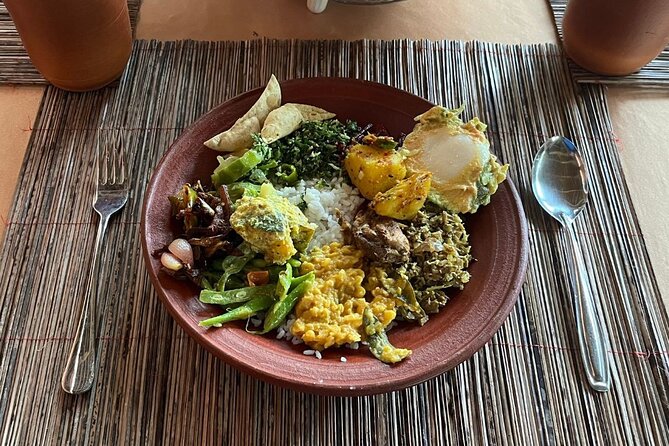
Kandyan Hut Cooking Class is one of those Kandy experiences that feels practical. You’re not just tasting Sri Lankan food—you’re learning the methods behind it, using fresh, locally-sourced ingredients with guidance from local chefs.
This matters because Sri Lankan cooking isn’t one “mystery sauce.” It’s a set of techniques and spice blends that build flavor in layers. When you learn those basics in a working kitchen—mixing, shaping, tempering, and timing—you understand why the food tastes the way it does. And if you’ve ever tried to copy a dish at home and it came out bland (or way too spicy), this kind of lesson is what closes the gap.
The class runs about 2 hours 30 minutes and starts at the address on Peradeniya Rd in Kandy (No: 662/3A, Peradeniya Rd, Kandy 20000). It ends back at the same meeting point. That simple flow is great if you’re juggling a busy Kandy itinerary.
You can also read our reviews of more tours and experiences in Kandy.

Before you start: the optional market visit and why it’s worth it
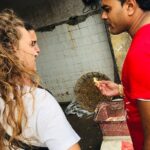
At Kandyan Hut, you may have the chance to add a market visit option. If you choose it, you’ll go with your host and pick seasonal produce while learning why specific ingredients matter in Sri Lankan cooking.
Even if you think you already know what you’ll eat, the market part changes how you cook later. You’ll see the ingredients you hear about—coconut, lentils, herbs, and vegetables—and it helps you understand how quickly fresh items translate into taste. It also gives you context. Sri Lankan dishes are built around ingredients that don’t behave the same way once they’ve been sitting for days, so buying and recognizing them matters.
What to consider: the market option may add some walking and decision-making. If you’re traveling with limited time, or you just want to jump straight into cooking, you can choose the class-only route and still get plenty out of it.
In the kitchen: how the coaching works (and what to look for)
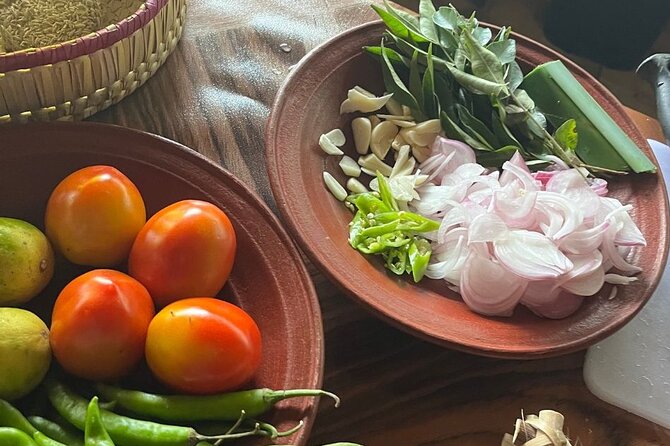
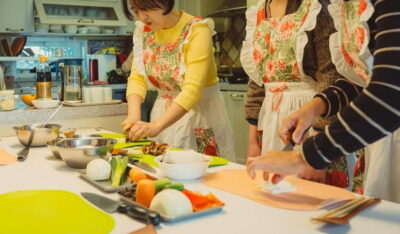
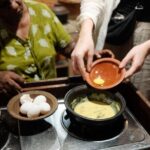
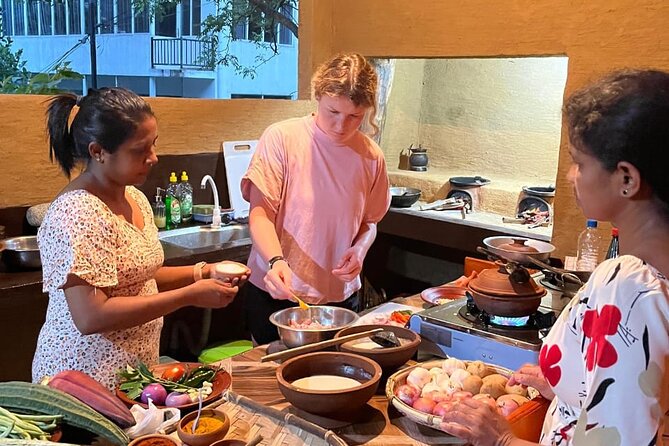
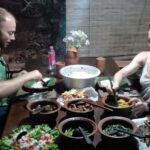
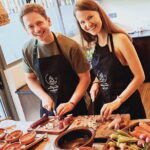
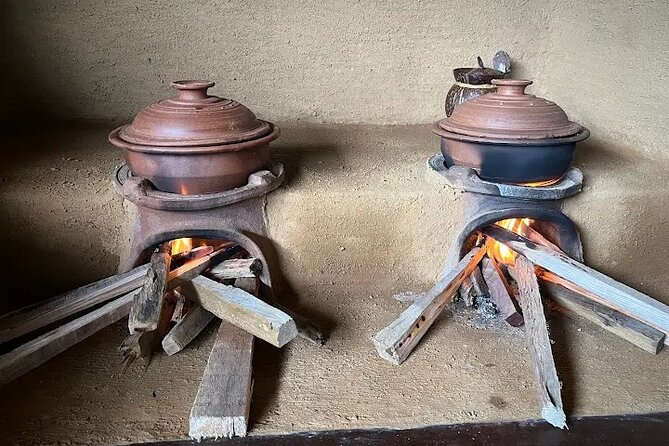
When you arrive, you’re welcomed into a traditional-style kitchen. Then the class shifts from explanation to action. The chefs guide you step-by-step, so you’re not waiting while someone else does the work.
That “doing it yourself” piece is the heart of why this class has such strong word-of-mouth. In the feedback people shared, you see a theme: the instructors are patient and helpful—especially noted with Anu, who’s described as kind and careful with participants. You’ll also see praise for Upul and Asha and their team, which says something about the tone you can expect: friendly, not intimidating.
Here’s what you can watch for while learning:
- Whether the chef corrects your technique as you go (that’s usually the difference between a good lesson and a memorization session).
- Whether you get to handle key parts—mixing, assembling, and cooking—rather than only observing.
- How they explain the “why,” like what a spice does in a curry or how batter texture affects egg hoppers.
If you’re the kind of person who likes to ask questions, this is a good place to do it. The class includes stories about traditions and the history behind recipes, so your questions will likely connect to real cooking choices, not just trivia.
The dishes you’ll learn: egg hoppers, sambol, dhal, and more
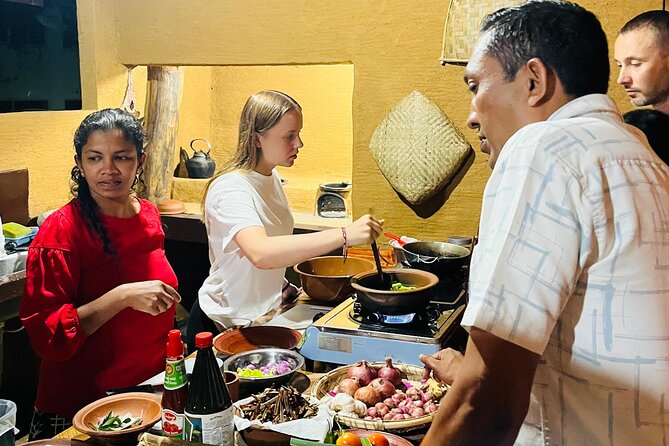
The best thing about Kandyan Hut’s menu is that it teaches you both everyday comfort food and signature Sri Lankan flavors. You’ll commonly prepare classics such as coconut sambol, dhal curry, egg hoppers, and aromatic rice and curry combinations.
You may also hear about or cook dishes like kottu roti and other coconut-based curries, depending on how the session runs. The broader theme stays consistent: you’ll cover the major flavor pillars—coconut, lentils, spices, and the starch base that carries everything.
Egg hoppers: why this one matters
Egg hoppers are a Sri Lankan classic for a reason. They’re not just a dish; they’re a technique test. You’re learning how batter behaves, how heat changes texture, and how the egg sets in the middle. When you get this right, you understand why Sri Lankan breakfasts and snacks taste the way they do.


Coconut sambol: the balancing act
Coconut sambol teaches you balance. It’s not only about coconut—it’s the blend with spices and acidity that makes it pop. Learning this is useful because you can reuse the idea of balancing coconut richness with sharpness in other dishes later.
Dhal curry and rice-and-curry: building blocks for repeat meals
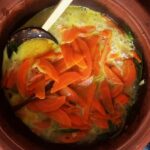
Dhal curry is where you learn how lentils become creamy and flavorful, and how spice layers show up in the final taste. Pair that with an aromatic rice-and-curry style meal, and you’ll have a framework for cooking at home even if you don’t remember every step perfectly.
Spice stories and tradition
One of the big educational touches is that the chefs share the traditions and stories behind recipes. That doesn’t just make for a nicer experience. It helps you remember the “reason” for ingredient choices, which means you’re more likely to replicate results outside the classroom.
Tea, local sweets, and your shared meal at the end
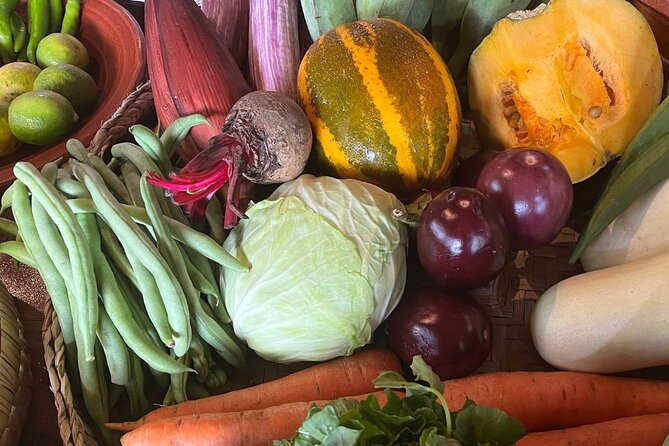
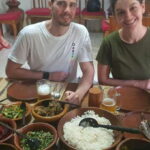
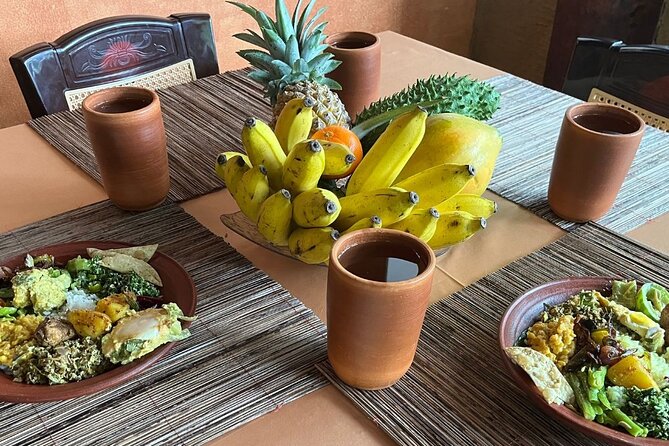
After the cooking, you sit down and eat what you made. It’s served in a friendly, home-style setting, which helps keep the experience relaxed. You’re not rushing to finish and leave; you’re eating while the food is still fresh and the class energy is still there.
You’ll also enjoy traditional tea and local sweets during the experience. Tea in Sri Lanka isn’t just a beverage—it’s part of the rhythm of hospitality. And sweets give you another lens on the meal. The goal here isn’t to overwhelm you with dessert; it’s to show that Sri Lankan food culture includes sweet notes alongside savory dishes.
What I like about this setup: the meal isn’t separate. It’s the natural closing chapter that lets you taste your own cooking with context.
Price and value in Kandy: is $22 a fair deal?
At $22 per person, this class is priced like a smart food activity rather than a luxury show. The value comes from what’s included:
- Hands-on instruction with local chefs
- A meal built from what you cook
- Tea and local sweets
- Recipes to take home
- The option (if you pick it) to add a market visit
For the time—about 2.5 hours—you’re getting more than a tasting. You’re getting a set of practical cooking lessons you can reuse. If you’re planning to eat out in Kandy anyway, this can be a better use of a half-day than spending that same money on multiple restaurants without learning anything transferable.
Also, the fact it’s private to your group can make a difference. You’ll tend to get more attention than in a crowded group setting, and you won’t be trying to cook while strangers talk over your questions.
Where it fits in your Kandy schedule
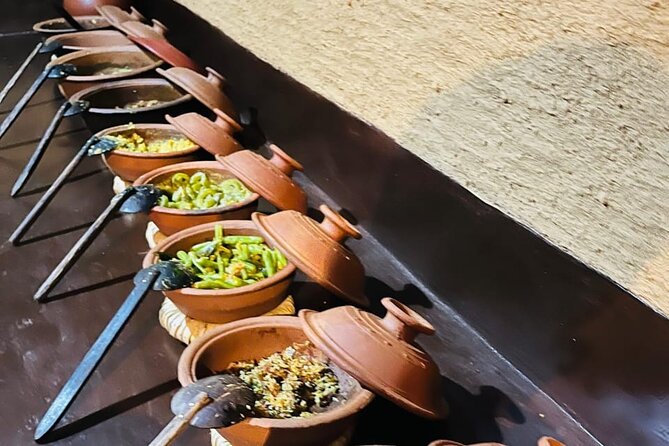
Kandy’s a city where it’s easy to pack too much. This cooking class is a good anchor.
Plan around the opening window: 9:00 AM to 10:00 PM. That gives you flexibility. If you’re coming from sightseeing earlier in the day, the class can be a break from temples and traffic. If you’re a late riser, there’s still room to fit it later.
Because the class runs about 2.5 hours and ends back at the start, it’s easier to slot into the city without complicated transfers. And since it’s near public transportation, you’re not locked into hiring a car just to make it happen.
Who this cooking class is best for
This is ideal if you want food learning with real participation. You’ll likely enjoy it if:
- You love spicy, coconut-forward cooking and want to understand the balance
- You want recipes you can actually cook again
- You like culture told through food, not through lectures
- You prefer a private, small-group style experience
It may be less ideal if you’re only interested in tasting (no hands-on interest), or if you want a long, slow cooking day. The class is designed to fit into a short window, so you won’t have hours to experiment freely.
Practical tips so you get more out of the 2½ hours
A few simple things will help you leave with skills, not just memories.
- Wear comfortable clothes you don’t mind getting a little cooking residue on. You’ll be in a real kitchen.
- If you have dietary needs or spice sensitivity, tell your chef early during introductions. Sri Lankan food can be bold.
- Ask at least one question while you’re working, not just at the end. Timing matters in cooking, and chefs can answer faster while they’re guiding you.
- Pay attention to the texture and timing cues. With items like egg hoppers and curry bases, technique is everything.
- Use the take-home recipes right away. If you wait weeks, ingredients and methods blur.
Finally, use the names you hear. If Anu is your instructor, she’s been specifically praised for patience. If you’re with Upul and Asha and their team, lean into their guidance—this experience works best when you treat it like a conversation, not a script.
Should you book Kandyan Hut Cooking Class?
If you’re in Kandy and you care about getting beyond “I ate well,” I think this is a strong booking. The ingredients, the step-by-step instruction, the tea and sweets, and the chance to take recipes home create a satisfying value loop: you learn, you eat, and you can recreate.
Book it especially if:
- You want a hands-on Sri Lankan food lesson in a short time
- You’re okay with learning spice-and-coconut dishes like sambol and dhal curry
- You’d like a private group experience and a relaxed home-style meal
I’d only hesitate if you’re not interested in cooking at all, or if you need a completely gentle, non-spice-heavy experience. In that case, clarify your preferences up front so your chef can adjust your guidance.
FAQ
Where does the class start and end?
It starts at Kandyan Hut Cooking Class at No: 662/3A Peradeniya Rd, Kandy 20000, Sri Lanka, and it ends back at the same meeting point.
How long is the cooking class?
The duration is approximately 2 hours 30 minutes.
How much does it cost?
It’s priced at $22.00 per person.
What dishes will you learn to cook?
The class focuses on Sri Lankan dishes such as coconut sambol, dhal curry, and egg hoppers, along with aromatic rice and curry combinations. You may also see dishes like kottu roti and coconut curries included depending on the session.
Is tea and local sweets included?
Yes. You’ll have traditional tea and local sweets as part of the experience.
Do you eat the food you cook?
Yes. After cooking, you relax and enjoy the meal you created together in a home-style setting.
Is there an option to visit the market?
There is an option to add a market visit where you can pick seasonal produce with your host before cooking.
Is it a private experience?
Yes. It’s listed as a private tour/activity, and only your group will participate.
What is the cancellation policy?
Cancellation is free. You can cancel up to 24 hours in advance for a full refund, with no refund if you cancel within 24 hours of the start time.