REVIEW · ZANZIBAR CITY
Spice tour and cooking class (local food)
Book on Viator →Operated by Nungwi adventures and safari · Bookable on Viator
Spices, cooking, and a farm walk in one day. I love choosing ingredients at a local spice market and learning how spices grow before I touch a single spoon. I also like cooking traditional dishes with a guide like Sultan and an interpreter who keeps every step clear. The only catch: the experience requires good weather, so you’ll want a backup plan for timing if conditions change.
This is the kind of day that fixes restaurant fatigue fast. You’ll get hands-on with the cooking, and then you sit down to enjoy what you made—no waiting, no guessing what’s inside, and no mystery sauces.
Because it’s a private setup (up to 2 people per group), the pace stays friendly and you can ask questions without feeling rushed. Pickup is offered, and the full experience runs around 8 hours, so wear comfortable shoes and plan for a full day out.
In This Review
- Key things you’ll notice right away
- Why this Zanzibar spice tour feels different from a typical class
- The full day rhythm: from pickup to the first smells of the farm
- Picking ingredients at the spice market (and why it’s worth it)
- Walking the spice farm: smell, taste, and that banana moment
- The cooking lesson: hands-on prep and a focus on local methods
- Cooking with an interpreter: clear steps, real questions
- What you’ll eat at the end (and how the meal feels different)
- Value check: is $155 per group up to 2 really fair?
- Logistics that matter: timing, weather, and comfort
- Who should book this spice tour and cooking class
- Should you book? My practical call
- FAQ
- How long is the Zanzibar City spice tour and cooking class?
- Is pickup included?
- What does the tour include?
- Is this a private tour?
- How many people can be in a group?
- Is there an interpreter during the class?
- What if the weather is bad?
- What’s the cancellation window?
Key things you’ll notice right away
- Ingredient picking at a spice market: you choose what goes into your cooking, then connect it to what you see on the farm
- A real spice farm walk: you’ll tour the plants and trees and smell, taste, and learn as you go
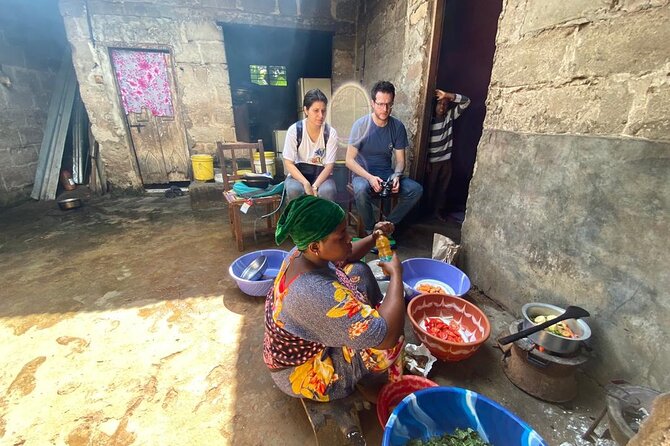
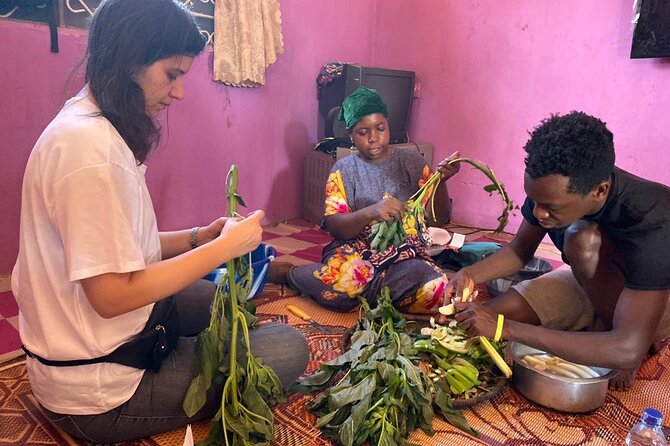
- Traditional cooking with local women: you cook in a home-style way, with help and step-by-step guidance
- Interpreter-supported instruction: explanations are clear, including for specific techniques and ingredients
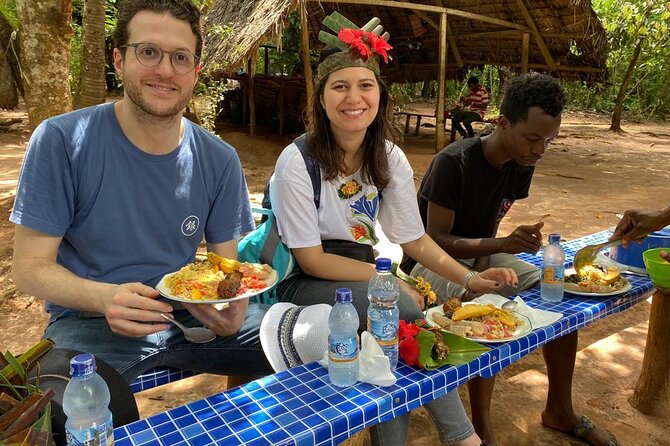
- Home-cooked food you make yourself: you prepare dishes and eat together at the end
- Private group of up to 2: a more personal experience than a big group bus tour
Why this Zanzibar spice tour feels different from a typical class
In Zanzibar, people sell plenty of food tours. This one is different because it starts where the ingredients actually come from, then turns into a cooking session you’re part of, not just watching.
I like how it blends three things in one day: a spice farm walk, ingredient selection, and a cooking lesson that ends with a meal. It’s a rare mix that makes the spices feel practical, not just pretty in a jar.
You can also read our reviews of more tours and experiences in Zanzibar City.


The full day rhythm: from pickup to the first smells of the farm
The experience is built around a simple flow. You’ll start after pickup (if you choose it) in the Zanzibar area and head toward Nungwi, where the spice farm and cooking take place.
Once you arrive, you don’t jump straight into the kitchen. You begin with a walking tour of the farm, getting close to the plants and learning what each spice is and how it’s used.
After that, you move into the lesson. You’ll cook with local-style methods, and you’ll be guided while you handle the steps—then you eat what you made. The whole thing runs about 8 hours, which is long enough to feel like a real day out, not a quick taste-and-run.
Picking ingredients at the spice market (and why it’s worth it)
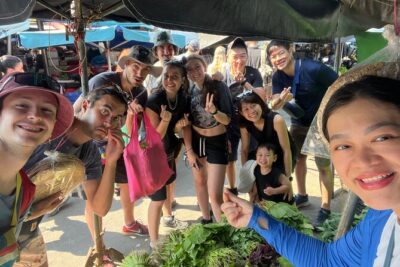
A lot of cooking classes hand you a list and hope you trust the instructor. Here, you’re doing more than observing—you’re selecting ingredients at a local spice market as part of the experience.
That matters because spices on paper are one thing. Spices in your hands are another. When you choose what goes into your cooking, the flavors make sense later, when you smell them again during prep and taste them in the food.
It also keeps the class grounded. Instead of memorizing a lecture, you’re learning by linking a plant you saw to what you put in your dish.
Walking the spice farm: smell, taste, and that banana moment
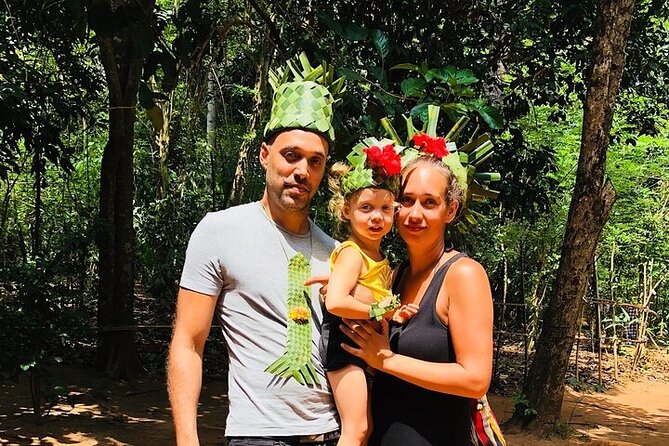
The farm time is a standout because it’s not just a walk through fields. It’s guided, sensory, and very focused on how spices and plants show up in everyday cooking.
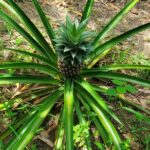
You’ll tour the farm and get a close look at plants and trees. Expect plenty of time for smelling and sampling. In at least one past session, guests were genuinely surprised by the number of banana varieties—yes, multiple types—so you may come away seeing everyday foods in a new way.
This is also where your brain starts to connect. When you later cook with spices, coconut, and local ingredients, you’re not guessing. You’ve already seen where they come from.
The cooking lesson: hands-on prep and a focus on local methods

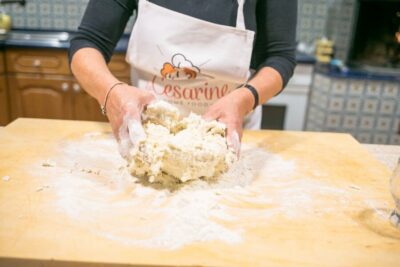
Now for the fun part: cooking. The lesson centers on traditional techniques, and it’s set up so you’re active in the process.
You’ll work with local foods and spices, including a dish built around spice rice and a coconut sauce style preparation. You’ll receive instructions as you go, and you’ll do the prep and cooking steps rather than only tasting bits along the way.
In past sessions, cooking has happened in a front-porch, home-style setting, with local women leading and sharing how they cook. That kind of setup changes the feel immediately. It’s not a studio kitchen built for tourists. It’s practical food work that happens where people actually live.
Cooking with an interpreter: clear steps, real questions
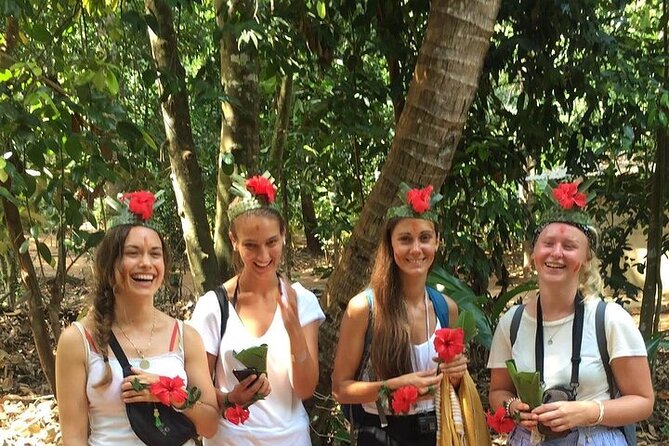
Language can make or break a class. Here, you get interpreter support, so the process stays understandable even if you don’t know the local food terms.
I like this because it reduces awkward guessing. If you want to ask why something gets added at a certain time, or how a spice is used, you have a channel to get a straight answer.
You’re also not stuck with a rigid script. Clear translation means you can follow along and adjust your questions as you learn.
What you’ll eat at the end (and how the meal feels different)
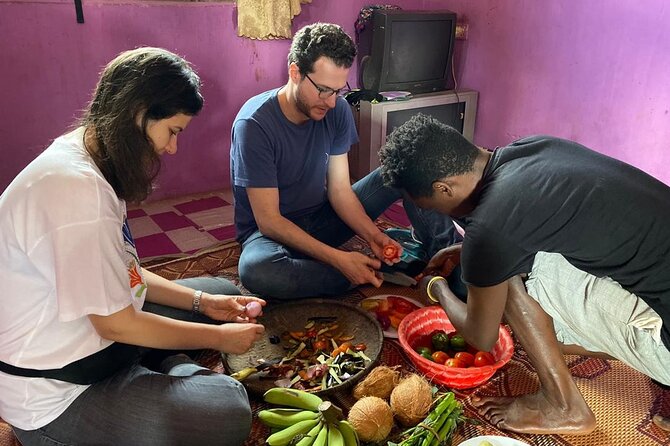
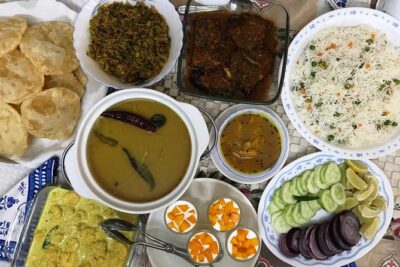
This tour ends with a shared meal built from what you prepared. That means you’re not simply sampling someone else’s idea of Zanzibar cuisine—you’re tasting your own work.
The food is built around local ingredients and the cooking approach you practiced. Expect flavors tied to spices, coconut, and the local-style rice preparation mentioned in the class focus.
In the best moments, the meal becomes a conversation. People tend to compare what they thought an ingredient would taste like versus what it really tasted like after cooking. That feedback loop is one of the reasons this type of class sticks with you.
Value check: is $155 per group up to 2 really fair?

At $155 per group (up to 2 people), you’re paying for a private, hands-on day—not a mass-market group event. For me, the value depends on what you want to get out of Zanzibar.
If you only want a quick meal and a couple of photos, this can feel pricey compared with street food. But if you want a skill—how spices connect to dishes, how traditional methods work, and a meal you can repeat later—then it starts to make sense.
You also get more than the cooking class itself. You’re including the farm walk and ingredient selection as part of the learning. Add pickup being available, and the day becomes a full experience rather than a short workshop.
Logistics that matter: timing, weather, and comfort
This experience runs about 8 hours, and it takes place outdoors for part of the day. That’s why the provider notes that good weather is required.
If you’re planning around tight vacation schedules, you’ll want to book with some breathing room. Otherwise, you may feel the day get stretched or shifted if conditions aren’t ideal.
Comfort matters too. You’ll be walking on a farm and standing during prep. Wear shoes you don’t mind getting a little dirty and bring water, especially in Zanzibar heat.
Who should book this spice tour and cooking class
This is a strong pick if you:
- love cooking or want to learn a Zanzibar-style method you can reuse later
- get tired of only eating out and want a meal you helped make
- enjoy food learning that starts at the source (the farm and the market)
- like smaller, private experiences where you can ask questions
It’s less ideal if you:
- only want a quick activity and don’t care about cooking
- hate being hands-on for a long day
- are traveling on days when you can’t handle a possible weather-related change
Should you book? My practical call
If your goal is authentic Zanzibar flavor with more than a photo stop, I’d book it. The combo of spice farm walking, ingredient picking, interpreter-supported instructions, and a meal you cook yourself gives you real take-home value.
My main reason to hesitate is the weather factor and the length of the day. If you’re booking for a day where rain would wreck your schedule, aim for a flexible window.
If you want a cooking day that feels personal and grounded in how food actually grows, this is the kind of tour that turns spices from a souvenir into something you understand.
FAQ
How long is the Zanzibar City spice tour and cooking class?
It lasts about 8 hours.
Is pickup included?
Pickup is offered.
What does the tour include?
You’ll do a spice farm walking tour, then a cooking lesson with local foods and spice rice with coconut sauce, and you’ll eat the food you made at the end.
Is this a private tour?
Yes. It’s private, and only your group participates.
How many people can be in a group?
The price is listed per group for up to 2 people.
Is there an interpreter during the class?
In past experiences, an interpreter has explained the steps during cooking.
What if the weather is bad?
The experience requires good weather. If it’s canceled due to poor weather, you’ll be offered a different date or a full refund.
What’s the cancellation window?
You can cancel for a full refund if you cancel at least 24 hours before the experience starts.