REVIEW · TURIN
Turin: Pasta & Tiramisu Cooking Class at a Local’s Home
Book on GetYourGuide →Operated by Cesarine · Bookable on GetYourGuide
Fresh pasta, right at someone’s table, sounds good. This Piedmont class from Cesarine teaches you to roll sfoglia by hand and make tiramisu, then you eat what you cook with an Italian aperitivo. It’s one of those evenings where Italy feels practical, not just picturesque—flour on your hands, wine in the glass, and real technique passed from person to person.
Two things I really like: you learn the core pasta skill (rolling fresh dough) and you also master tiramisu, not just watch it happen. One catch to keep in mind: it’s in a private local home, so you only get the full address after you book, and you’ll need to plan your way there.
In This Review
- Cesarine Home Kitchens: What Makes This Class Work
- Key Moments You’ll Actually Remember
- Entering the Local Home: Aperitivo and First Cues
- Rolling Sfoglia by Hand: The Pasta Skill That Changes Everything
- Two Pasta Types From Scratch: More Than One Way to Eat Well
- Tiramisu, Done Like a Home Cook: Sweet Skills You Can Use Later
- Sharing the Table: Talking Food With People Who Care
- What’s Included (And Why It Changes the Value)
- Timing, Instructor Language, and How to Prepare
- Price and Logistics, Without the Headaches
- Should You Book This Pasta and Tiramisu Cooking Class?
- FAQ
- How long is the Turin pasta and tiramisu cooking class?
- Where does the class take place?
- What do you learn during the class?
- Is the class taught in English?
- What drinks and food are included?
- Will I taste what I cook?
- Is this experience suitable for wheelchair users?
- What should I do if I have food intolerance or allergies?
- What is the cancellation policy?
Cesarine Home Kitchens: What Makes This Class Work
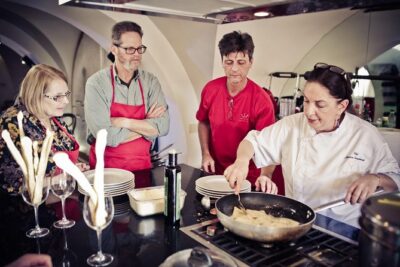
This is a Cesarine cooking class, which means you’re not booking a “tour with props.” You’re booking into someone’s actual home cooking routine. Cesarine describes itself as Italy’s oldest network of home cooks, available in more than 500 cities, and the idea is simple: local cooks open their doors so you can learn the way Italian families really cook.
You’ll be working with an Italian host, with English support from the instructor (Italian and English are listed for the class). That matters because the skills here are hands-on. With fresh pasta, small cues—how elastic the dough feels, when it’s ready to rest, how thin to roll without tearing—can’t be learned from a script.
Also, this is designed to match you with the right home cook. When you book, you provide details like food intolerance or allergy and where you’re staying, plus how you plan to travel to the host home. That reduces the “awkward logistics” factor and helps the cooking side go smoother. If you have dietary needs, this is one of the better setups because you’re asked up front rather than sorting it out last minute.
Key Moments You’ll Actually Remember
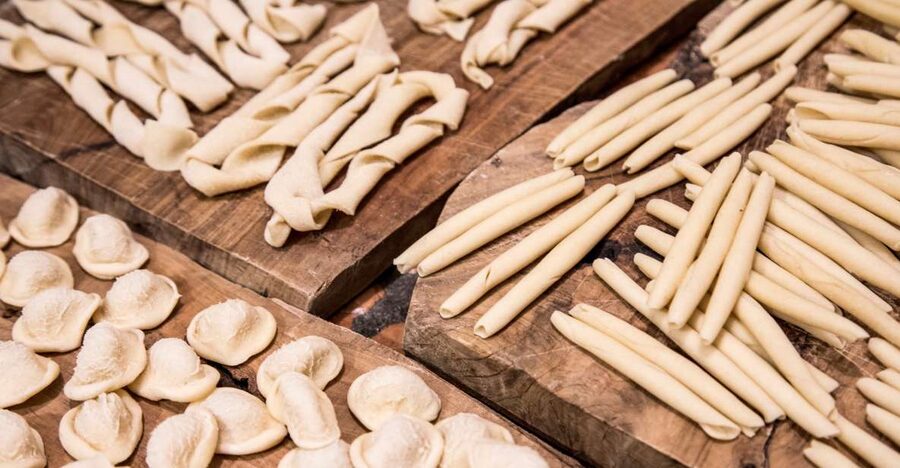
- Roll sfoglia by hand and understand how fresh dough should behave
- Make two different pasta types from scratch, with a local’s approach
- Learn tiramisu beyond basic assembly, with practical method tips
- Warm up with an Italian aperitivo (prosecco and nibbles)
- Taste everything you make during the class so it feels complete
You can also read our reviews of more tours and experiences in Turin.

Entering the Local Home: Aperitivo and First Cues
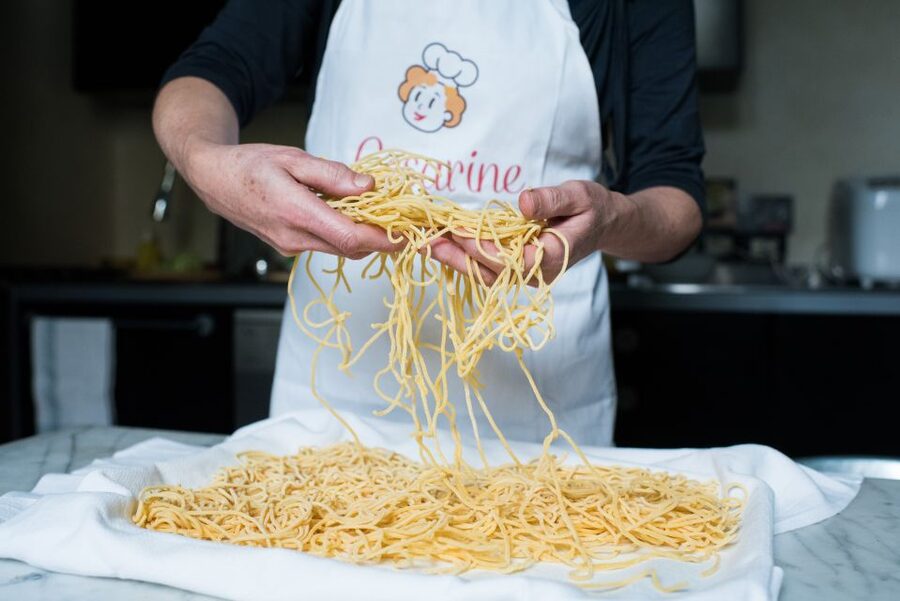
The class starts at a local home. For privacy, you don’t get the full address until after you book. It’s a very normal setup for home-host experiences in Italy, but it does change how you should handle arrival.
Plan to arrive with a calm mindset: you’re not meeting at a big public building, so it’s smart to give yourself buffer time. Once you book, you’ll receive the host details including telephone and the full address, so you can confirm your way if anything feels unclear.
Before you start cooking, there’s an Italian aperitivo: prosecco and nibbles. This isn’t just a “free drink.” It’s a social warm-up that helps you settle in and start the evening the Italian way—talk first, then cook. It also sets a friendly tone if you’re coming solo or you’re a bit rusty in the kitchen.
You’ll likely get a rundown of what you’re making and how the evening flows: fresh pasta first, tiramisu after. That order makes sense. Pasta dough and cooking steps take momentum, and tiramisu benefits from being assembled carefully so it sets up nicely.
Rolling Sfoglia by Hand: The Pasta Skill That Changes Everything
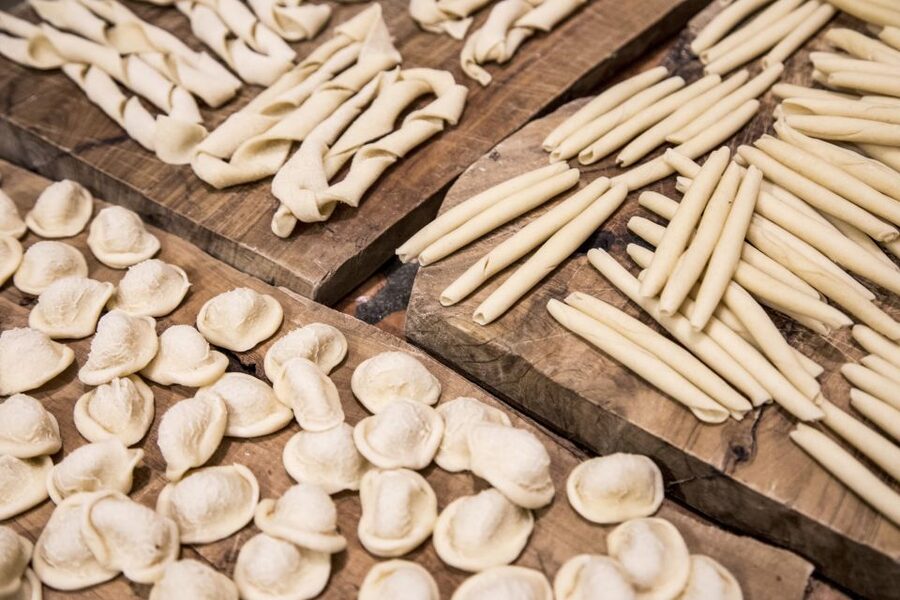
The headline skill here is rolling sfoglia by hand. Fresh pasta isn’t just about ingredients. It’s about feel.
Here’s what I’d expect you to focus on during the lesson:
- Working the dough so it becomes elastic rather than fragile
- Rolling thin enough for texture, but not so thin it turns into chaos
- Getting the timing right so dough doesn’t dry out while you’re learning
Even if you’ve eaten pasta your whole life, this is where things click. In a home kitchen, you’ll learn why Italian cooks care about thickness and how dough behaves at different stages. You’re not just copying shapes—you’re learning the process.
And because the class is hosted in a real kitchen, you’re able to ask the basic questions people usually don’t think of until they’re holding a rolling pin. Why does my dough crack? What should it feel like? How do I adjust when it’s humid or dry? That kind of “in-the-moment” help is the whole point of a class like this.
This is also a skill you can use again later. Once you understand rolling fresh pasta dough, you can recreate the experience at home. Not perfectly, maybe. But close enough that you’ll feel proud rather than defeated.
Two Pasta Types From Scratch: More Than One Way to Eat Well
You don’t just learn one pasta. You’ll make two simple different kinds of pasta from scratch. The exact shapes aren’t listed in the info provided, but the emphasis is clear: you’re learning two recipes, not just a dough technique.
This matters for value. Many cooking experiences teach one thing deeply and leave the rest generic. Here, the evening is built around two pasta recipes plus a tiramisu lesson, which means you get more “finished product” time and more variety in what ends up on the table.
How it usually plays out in a class like this:
- You start with sfoglia (fresh pasta dough)
- You prepare two pasta types, each with its own method and finishing steps
- You taste what you cook as part of the class
The biggest win for your brain is the comparison. You’ll feel how different pastas can be made from the same foundation dough. That makes you a better cook, not just a well-fed visitor.
If you’re the type who likes to understand what you’re doing, this is especially satisfying. You’ll likely learn why one pasta shape works better with a certain texture or why one preparation step changes the final bite.
Tiramisu, Done Like a Home Cook: Sweet Skills You Can Use Later
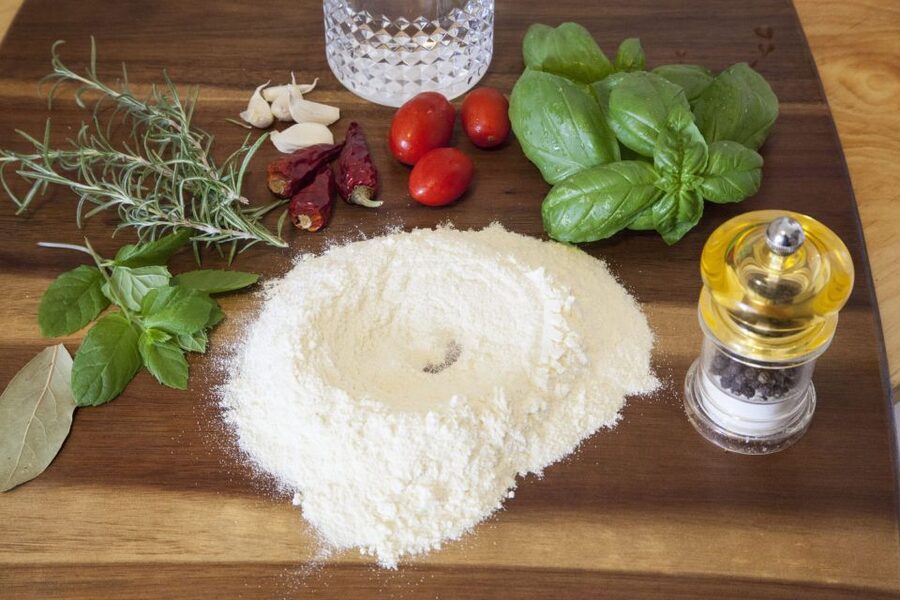
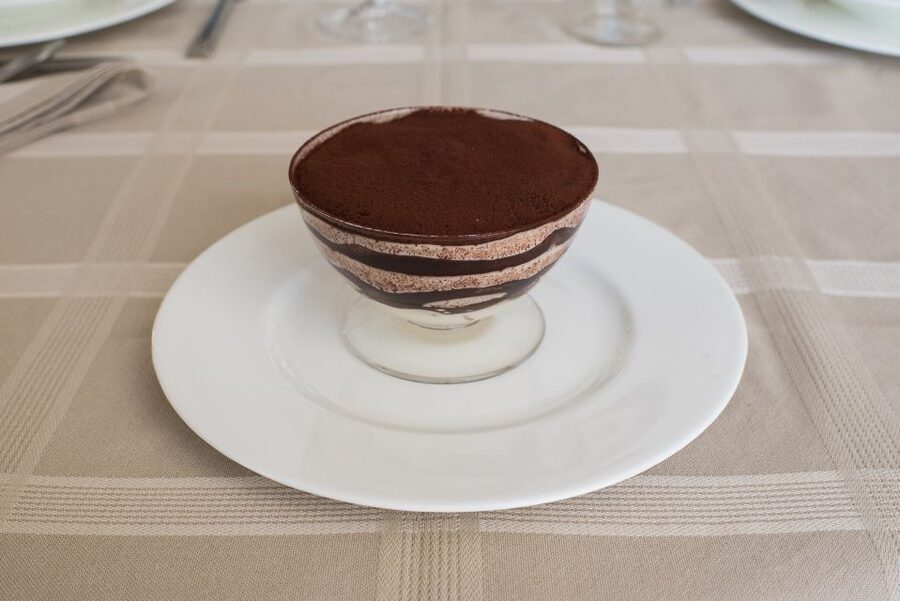
Then comes tiramisu, the iconic dessert that almost everyone wants to make but few people truly understand. The class includes a tiramisu-making session as the “icing on the cake,” and that’s not marketing fluff. This is where you learn assembly steps and timing—things that matter even if you’ve made tiramisu before.
What I like about this setup is that you’re not just learning a recipe. You’re learning the logic behind the dessert:
- How to combine components so it tastes balanced
- How to assemble it carefully so it holds up
- How to get the texture right, not just the sweetness
Tiramisu can go from perfect to soggy if you miss a detail. In a home-host class, you’re able to ask for corrections immediately, while your dessert is still on the counter and fixable.
And because the class includes a tasting of the pasta recipes and the tiramisu, you can check your results without waiting days for a home trial. That “make, eat, learn” cycle is what makes it feel like a real cooking lesson.
Sharing the Table: Talking Food With People Who Care
One of the quiet highlights is the social part. The class is set up so you share your passion for Italian cuisine with other lovely guests. That usually means you’ll be in a group format at a home table—chatting while you cook, comparing questions, and picking up little technique tips from how others handle the dough.
I’ve seen strong praise for hosts like Jenni and her husband, Barbara, and Bernardetta. The common thread in the way the hosts are described is warm hospitality and a calm teaching style. In other words, you’re likely to feel comfortable even if you’re not a confident cook.
That comfort matters because fresh pasta asks for a bit of hands-on play. If you feel rushed or judged, you’ll tense up and the dough will get harder. A good host keeps you moving without turning your kitchen session into a classroom.
What’s Included (And Why It Changes the Value)
This class includes more than instruction. You also get:
- Italian aperitivo: prosecco and nibbles
- Beverages: water, wines, and coffee
- Local taxes
- Pasta and tiramisu-making class
- Tasting of the two pasta recipes and the tiramisu
So you’re paying for a three-hour evening that functions like a full food experience. You’re not just buying a recipe download. You’re buying ingredients, guidance, tastings, and drinks served during the session.
Price is listed as $146.14 per person. For a hands-on cooking class in a local home, with aperitivo, wines, and a completed meal (pasta plus tiramisu), it can feel fair. The reason is that the class isn’t only “time.” It includes a lot of food and drink you’d normally pay for separately.
Is it cheap? No. But it’s also not a generic “walk-through.” You’re paying for technique, for a private kitchen setting, and for the pleasure of eating something you made yourself.
If you’re comparing value, look at what you’re actually getting: two pasta recipes from scratch, a full tiramisu lesson, and tastings—plus coffee. That’s a full evening meal with training attached.
Timing, Instructor Language, and How to Prepare
The duration is 3 hours, with starting times depending on availability. The instructor is listed as Italian and English, so you can expect help even if your Italian is limited.
Before you go, I’d recommend you think about two practical things:
1) Your dietary needs. You’re asked to share food intolerance and allergies at booking time so they can match you with the right host.
2) Your travel plan to the host home. When you book, you provide your neighborhood and how you plan to travel. That helps with the “where do I go” part, since you’ll receive the full address later.
Also, this experience is listed as not suitable for wheelchair users. If mobility is part of your planning, you’ll want to choose another option.
Price and Logistics, Without the Headaches
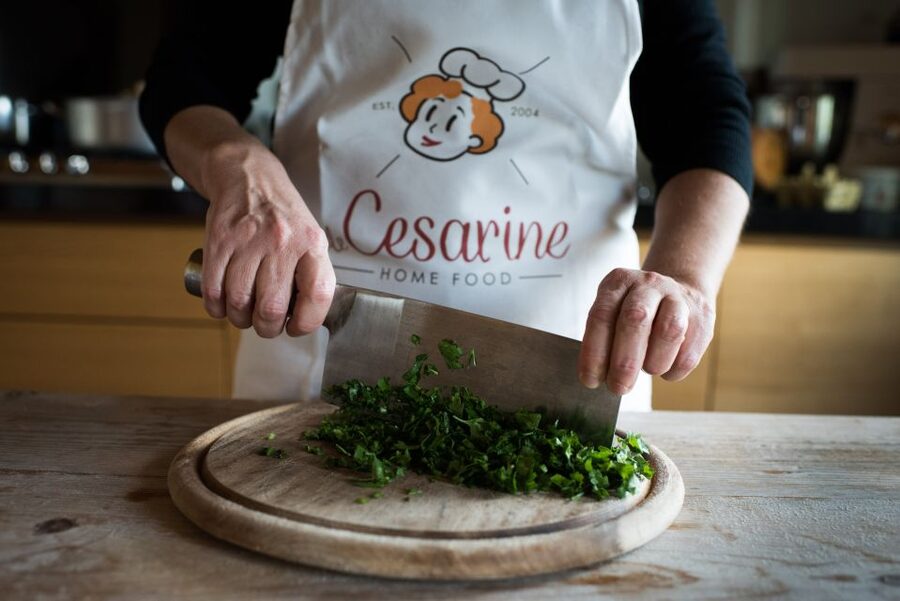
Home-based classes are great, but they do demand a little patience. The biggest logistical difference is that you don’t get the full address until after booking. That’s normal for privacy reasons.
Once booked, you receive the host’s telephone number and full address. Use it. If you’re running late or unsure where to park or walk, a quick message can save the evening from stress.
And remember: this is held in a local’s home. Don’t show up with a need for formality or a hotel-like vibe. Come ready to be in someone’s kitchen, follow the flow, and enjoy the fact that it’s personal.
Should You Book This Pasta and Tiramisu Cooking Class?
Book it if you want real technique, not just a nice dinner. This is a smart pick if you:
- Love pasta and want to learn sfoglia rolling by hand
- Want a full dessert skill set with tiramisu
- Prefer a small, local-home setting over a big public venue
- Enjoy sharing food with other guests while you cook
Skip it if you mainly want to watch from the sidelines, or if the idea of a private-home meeting point feels stressful for you. Also, if you need wheelchair accessibility, note that it’s listed as not suitable.
For me, the best part is that the evening ends with tasting your own work: two pasta recipes plus tiramisu, paired with aperitivo and drinks. It’s a very Italian deal—eat what you make, learn as you go, and leave with more than just photos.
FAQ
How long is the Turin pasta and tiramisu cooking class?
The class lasts 3 hours.
Where does the class take place?
It’s held in a local’s home in Piedmont, Italy. For privacy, you only receive the full address after booking.
What do you learn during the class?
You’ll learn to roll fresh pasta dough (sfoglia) by hand, make two simple kinds of pasta from scratch, and make the iconic tiramisu.
Is the class taught in English?
Yes. The instructor is listed as Italian and English.
What drinks and food are included?
Included are water, wines, and coffee, plus an Italian aperitivo with prosecco and nibbles.
Will I taste what I cook?
Yes. The class includes tasting of the two pasta recipes and the tiramisu.
Is this experience suitable for wheelchair users?
No, it is listed as not suitable for wheelchair users.
What should I do if I have food intolerance or allergies?
You’ll be asked for this information when booking (and you can also email details with your booking reference). The goal is to match you with the right home cook.
What is the cancellation policy?
Free cancellation is available up to 24 hours in advance for a full refund.