REVIEW · TOKYO
Private Tsukiji Market Visit and Cooking Class in Junko’s Home
Book on Viator →Operated by Traveling Spoon · Bookable on Viator
Tokyo food becomes real fast. A private visit to the Tsukiji outer market and a cooking class in Junko’s home turns Japanese flavors into something you can actually make yourself. What I like most is the hands-on cooking pace and Junko’s easy teaching style, plus the chance to learn what locals look for when they shop.
Second, you get a meal that’s more than one dish. Think miso soup, teriyaki chicken, tamagoyaki, and even a mocha option, depending on the season. The only drawback is that this isn’t a “walk and watch” experience all the way through. You’ll do real shopping and real cooking, so it helps if you’re comfortable with a hands-on day and a short subway ride or two.
In This Review
- Key Points You’ll Care About
- Tsukiji Outer Market: The Real Starting Line
- Getting From Market Energy to Junko’s Small Apartment Kitchen
- The Cooking Class: Real Techniques, Not Just Recipe Reading
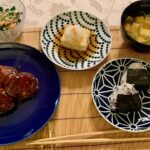
- What You’ll Eat: A Lunch Spread That Feels Like a Home Meal
- The Full Tokyo Arc: teamLab Planets, Hama Rikyu Gardens, and Ginza
- teamLab Planets TOKYO
- Hama Rikyu Gardens
- Ginza
- Price and Value: What $104 Buys You
- Who Should Book This Junko Cooking Day
- Tips for Getting the Most Out of the Experience
- Should You Book This Private Tsukiji Market Visit and Cooking Class?
- FAQ
- Is this tour of the inner Tsukiji fish market?
- What recipes will I learn to cook?
- How long is the cooking class?
- Does the price include lunch?
- Do I need hotel pickup?
- Where do I meet Junko if I choose not to do the market tour?
- Is this experience suitable for children?
Key Points You’ll Care About
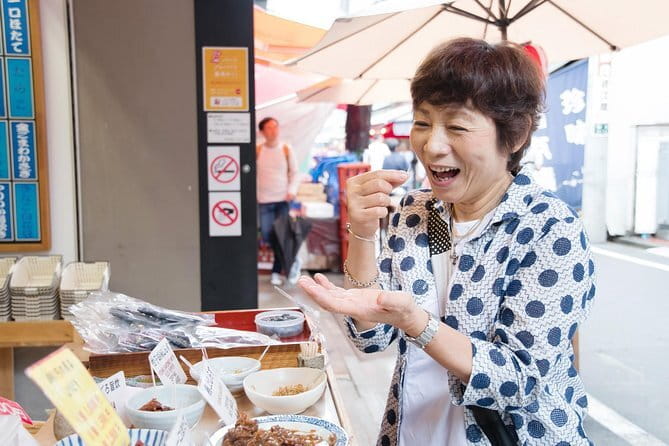
- Tsukiji outer market only: you’ll focus on the outer market experience, not the inner market that moved to Toyosu.
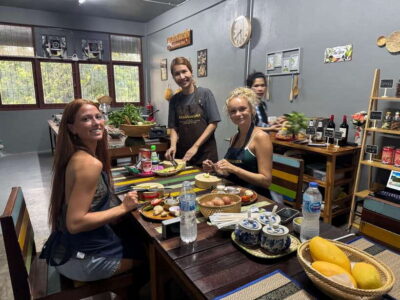
- Private cooking in Junko’s home: step-by-step help, then you sit down and eat what you cooked.
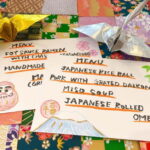
- Up to four recipes with seasonal ingredients: examples include teriyaki chicken, eggplant with dengaku miso, tamagoyaki, and miso soup using homemade miso.
- Lunch is included: this isn’t a snack stop, it’s a full meal with your host.
- A Tokyo day plan mixed with big sights: the schedule can include teamLab Planets TOKYO, Hama Rikyu Gardens, and Ginza.
- Best for adults and serious food lovers: it’s not suitable for children under 10.
Tsukiji Outer Market: The Real Starting Line
If you’ve been curious about how Tokyo cooks, starting at Tsukiji makes sense. But here’s the key detail: this tour is built around the outer Tsukiji market, not the inner fish market. The inner market closed and moved to Toyosu, so your experience is designed around what’s still happening at Tsukiji now—plus a seafood-focused stop that imitates the old market setup.
You’ll meet Junko near Tsukiji and then work your way through the outer market stalls and specialty shops. This is where your eyes learn faster than your phone. You’ll see seafood trade up close, along with produce like vegetables and fruit, and you may also spot practical shopping finds like knives and ceramics. Junko’s role is important here: she doesn’t just point at items. She helps you understand what to choose and why, in a way that’s meant to carry over into cooking at home.
Another thoughtful touch is the stop at Namiyoke Shrine, the guardian deity of Tsukiji Market. It’s short, but it frames the whole place as more than a tourist photo set. You’re stepping into a working culture.
One more thing: Tsukiji is active and not set up like a museum. This is why the experience isn’t suitable for children under 10. It’s also why good footwear matters. You’ll be moving through market areas where crowds and uneven surfaces are normal.
You can also read our reviews of more tours and experiences in Tokyo.
Getting From Market Energy to Junko’s Small Apartment Kitchen
After shopping, you don’t just head back to your hotel and call it a day. Junko takes you by subway or bus to her home and shifts the mood from lively market browsing to calm cooking.
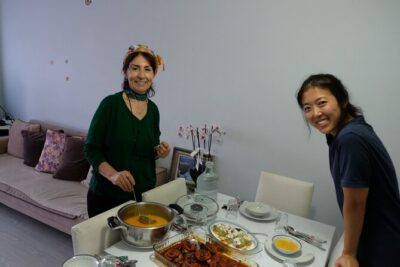
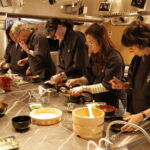
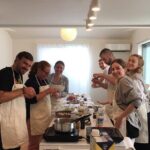
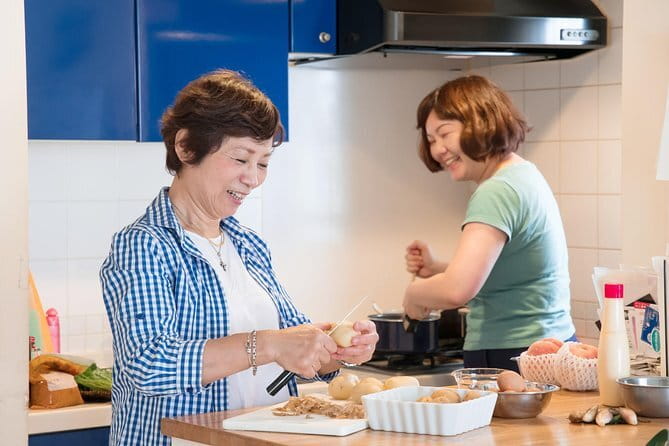
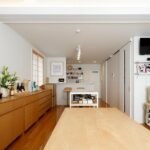
The setting is an apartment—small and simple—which is exactly why the class feels personal. You’re not crammed into a commercial studio with a dozen people waiting their turn. In this format, Junko can give personalized attention, and she can actually slow down when something needs explaining. The tone comes through in how the instruction is described: Junko is patient, and she guides you through each step rather than dumping a recipe and hoping you keep up.
This portion also helps you connect what you bought to what you’ll cook. When you shop at Tsukiji, ingredients are just items. When you cook with them, they become decisions: what goes in first, what gets seasoned, how things are timed, and what “done” looks like in Japanese home cooking.
The cooking class takes about 1.5 hours, and then you sit down together to share the meal. Lunch isn’t an add-on afterthought; it’s the payoff.
The Cooking Class: Real Techniques, Not Just Recipe Reading
The class is built around making 3–4 savory Japanese dishes from scratch using seasonal ingredients. Junko’s menu can vary depending on the season, but the examples give you a strong sense of style: classic, comfort-food Japanese dishes that lean practical and flavorful.
You’ll cook dishes that cover different techniques, so you don’t just learn one trick. That matters because Japanese cooking is often about method—timing, texture, and balancing salty, sweet, and savory flavors.
From the menu examples, here’s what you should expect in terms of technique and flavor:
- Teriyaki chicken: a sweet-savory approach that teaches glazing and heat control.
- Eggplant with dengaku miso: seasoning and texture work, with miso doing the heavy lifting.
- Tamagoyaki: rolled Japanese omelet style, where timing and consistency matter.
- Miso soup with homemade miso: understanding how miso carries depth in a simple bowl.
- Mocha option: yes, a mocha appears as part of the menu examples, which suggests you won’t be stuck in only the savory world.
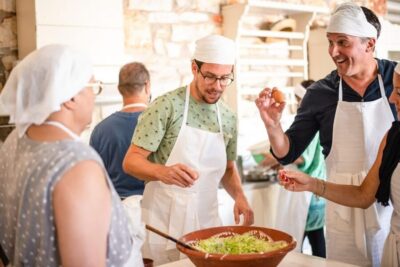
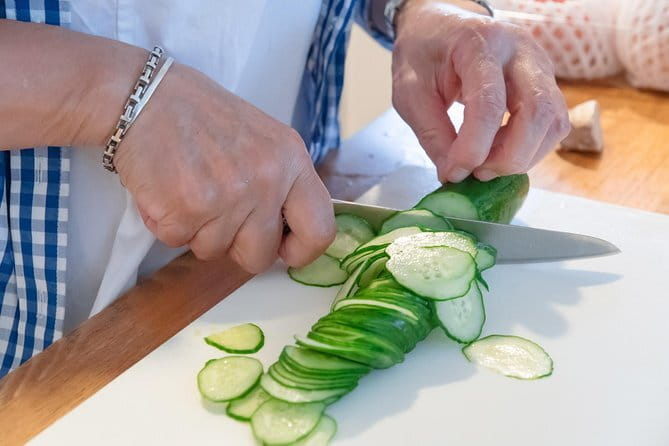
Junko also runs this as a “watch and then do” experience. You’ll see live demonstrations and then master up to four recipes through hands-on cooking. That’s a big value point. Watching someone cook is nice. Cooking alongside a teacher is how you actually learn.
And because it’s private, questions don’t get lost in a crowd. You can ask about substitutions, seasoning levels, or what to look for at the next market you visit.
What You’ll Eat: A Lunch Spread That Feels Like a Home Meal
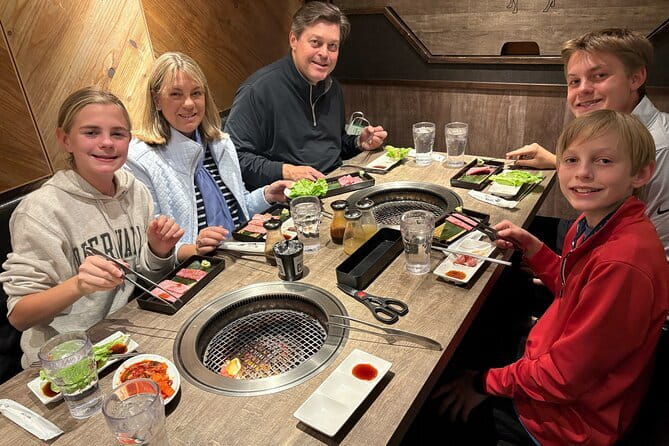
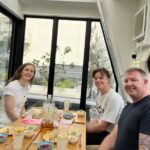
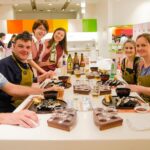
The included lunch is one of the best reasons to book. You’re not paying for ingredients you’ll never taste. You’re cooking your meal and then eating it with Junko.
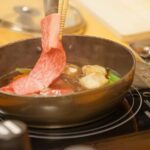
The structure is also important: the meal is described as multiple dishes. That means you get variety across flavors and textures, not just one main course. In practice, this is what makes Japanese home meals satisfying. You get one bowl, one main, maybe a side, and a warm sauce rhythm that ties everything together.
If you enjoy the “I want to eat what I learned to make” style of travel, this is exactly that. It’s also a strong option if you’ve never cooked Japanese food before. The recipes are classic enough to be recognizable, but the class format helps you avoid common beginner mistakes like over-seasoning or cooking miso too aggressively.
Dietary needs can be handled in advance. If you have allergies, dietary restrictions, or cooking preferences, you should advise Junko at booking so the menu can be adjusted within what’s possible.
The Full Tokyo Arc: teamLab Planets, Hama Rikyu Gardens, and Ginza
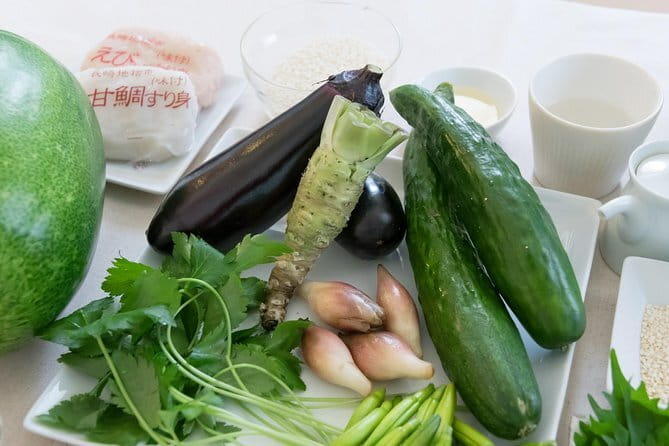
This experience isn’t only about food. Your host also shares top local must-do activity recommendations, and the itinerary includes time for major Tokyo highlights.

teamLab Planets TOKYO
If you include the teamLab stop, you’re stepping into a different kind of “Tokyo wow.” The point here isn’t food-related technique. It’s mood and design. teamLab Planets is typically best when you treat it as a change of pace: lights, space, and movement instead of market lists and meal prep.
Hama Rikyu Gardens
Then you shift from digital wonder to garden calm. Hama Rikyu Gardens is a good counterweight after shopping and cooking intensity. It’s a place where you can breathe, slow your pace, and reset before the last part of the day.
Ginza
Finally, you roll into Ginza. That’s where modern Tokyo shows itself, with shopping streets and a polished feel. Even if you’re not buying much, Ginza is useful for perspective. You can see how the city’s “everyday elegance” works after experiencing Tsukiji’s working side.
The nice part is that Junko’s day planning is personal. You’re not stuck sprinting between sights alone. You’re traveling with someone who understands timing and flow, and who can steer you toward what’s actually worth your limited time.
Price and Value: What $104 Buys You
At $104 per person, this can look like a lot at first glance—until you break down what’s included.
You’re paying for:
- A private Tsukiji outer market tour with Junko (if you choose that option)
- A private cooking class in her home
- Live demonstrations plus hands-on cooking of up to 3–4 recipes
- Lunch included
- Junko’s personal recommendations and local guidance
The big value lever is personalization. In a group class, you often spend half your time waiting. In a private setting, you get coaching as you cook. That matters because Japanese technique can be precise, and feedback helps you get it right on your first attempt.
Also, you’re not just getting “a recipe.” You’re learning how to shop, what ingredients matter, and how flavors work together in a real meal. That turns the money into an experience you can repeat later.
If you’re the type who likes food but hates wasted time, this is one of those tours that respects your energy.
Who Should Book This Junko Cooking Day
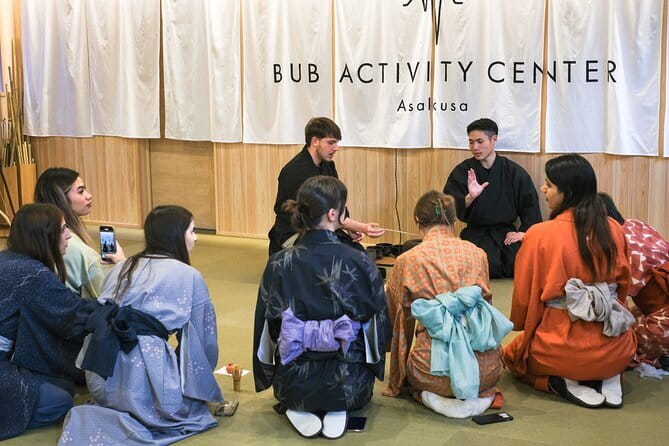
This fits best if you:
- Want a Japanese cooking class in Tokyo that feels like a real home experience
- Like learning by doing, not just watching
- Enjoy classic dishes like miso soup, teriyaki chicken, and tamagoyaki
- Want a guide to help you navigate Tsukiji’s outer market logic
- Prefer private, question-friendly instruction
You might want to skip it if you’re looking for a purely sightseeing day with minimal interaction. This is a cooking-focused experience. Even if you’re excited about Tsukiji, you’ll still spend time cooking and sharing a meal.
It also isn’t designed for kids under 10, since the market setting is not considered suitable for that age group.
Tips for Getting the Most Out of the Experience
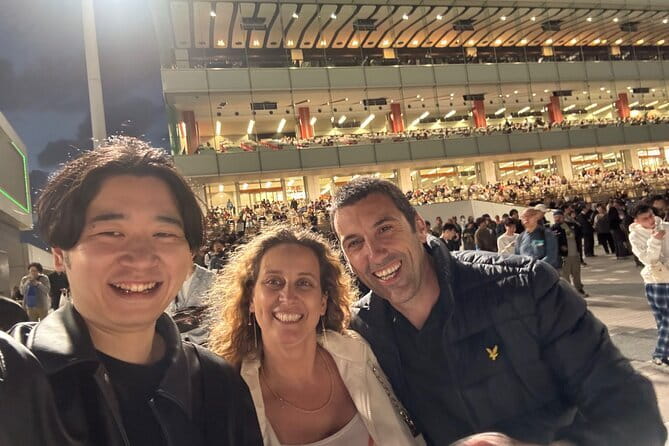
A few practical things will make your day smoother:
- Wear comfortable shoes for market walking and garden strolling.
- If you have allergies or dietary restrictions, tell Junko clearly at booking so adjustments can be planned.
- Bring your appetite. The meal is included, and it’s part of the learning loop.
- Go into the cooking class ready to ask questions. Private tours are all about that back-and-forth.
Finally, treat the whole day as one connected lesson: shop with purpose, cook with confidence, then eat what you made. That’s the structure that makes it feel different from a standard tour.
Should You Book This Private Tsukiji Market Visit and Cooking Class?
I’d book this if you want more than a photo at Tsukiji and more than a quick cooking demo. The mix of outer Tsukiji market context plus a private home cooking class is a smart way to turn Tokyo into something you can take home: flavors, technique, and the confidence to cook Japanese dishes later.
Skip it only if you want a low-effort, sightseeing-only itinerary. This experience asks you to participate, and it shines when you do.
If you like the idea of learning up to four recipes, eating a real lunch you made, and doing it with a guide who keeps the day moving, Junko’s class is the kind of booking that pays off fast.
FAQ
Is this tour of the inner Tsukiji fish market?
No. This is a tour of the outer Tsukiji market, not the inner fish market. The guide also includes a seafood section that imitates the old Tsukiji market setup, plus a stop at Namiyoke Shrine.
What recipes will I learn to cook?
You’ll cook 3–4 dishes (up to four recipes). Examples of dishes include miso soup, teriyaki chicken, eggplant with dengaku miso, tamagoyaki, and miso soup made with homemade miso. A mocha may also be included depending on the menu.
How long is the cooking class?
The cooking class takes about 1.5 hours.
Does the price include lunch?
Yes. Lunch is included, and you eat the meal you help prepare with Junko.
Do I need hotel pickup?
No. The experience does not include hotel pickup and drop-off.
Where do I meet Junko if I choose not to do the market tour?
If you choose the cooking class option with no market tour, meet Junko outside the ticket gate of Tsukishima station on the Toei Oedo line.
Is this experience suitable for children?
It is not suitable for children under 10 years old.
If you’d like, tell me your travel dates and whether you want the Tsukiji market option, and I’ll help you decide the best fit based on your style of travel.