REVIEW · SRI LANKA
Udawalawe: Farm to Table Cooking & Authe: Village Experience
Book on GetYourGuide →Operated by OwinRich Hospitality · Bookable on GetYourGuide
A village kitchen in Sri Lanka teaches faster than any cookbook. In Udawalawe, this 2-hour experience at the Ceylon 1850 reconstructed village mixes cinnamon tea, an ancient gem mine, and hands-on cooking you can actually eat. You’ll get a real feel for how daily life used to work in a traditional agricultural village in Sabaragamuwa Province.
What I like most is the way the day is built around active work: you pick vegetables from the garden, then you cook with local women in a traditional kitchen using age-old methods. I also like the gem and spice stops because they add context to what you’ll taste later, especially the cinnamon peeling segment.
One consideration: beverages with the meal may not be included, and some people have reported paying much higher drink prices than they expected. If you’re a soda, juice, or water-with-every-course person, ask what’s included before you sit down.
In This Review
- Key things to know before you go
- A 200-Year-Old Village Setting Near Udawalawe
- First Stop: Cinnamon Tea Welcome and the Ancient Gem Mine Lesson
- Cinnamon Peeling by Hand: The Spice Skill You Can Smell
- From Garden to Pot: Vegetable Picking and Village Kitchen Cooking
- Vegetable garden picking
- Traditional kitchen cooking class
- Your Village Feast: What You’ll Eat and How the Meal Works
- Mela Time: Music, Crafts, and Everyday Snacks
- Price, Time, and What You’re Actually Getting for $30
- Practical Tips That Make This Tour Easier (and Better)
- Is This Tour Right for You?
- Should You Book the Udawalawe Farm-to-Table Village Experience?
- FAQ
- How long is the Udawalawe Farm to Table Village Experience?
- Where is the meeting point?
- What does the price include?
- What kind of welcome drink do you get?
- Is there a cooking class, or is it just watching?
- Do you pick vegetables yourself?
- Do you visit the gem mine?
- Is it wheelchair accessible?
- What language is the guide?
- Is cancellation possible if plans change?
Key things to know before you go
- Cinnamon tea welcome sets the tone before you start walking and learning
- Ancient gem mine visit explains how older mining worked
- Hand-peeled cinnamon with artisans shows why the spice matters
- Garden-to-plate vegetable picking makes the cooking class feel real
- Village meal you helped make, shared communally afterward
- Local melas add music, crafts, and everyday snack flavor to close the day
A 200-Year-Old Village Setting Near Udawalawe
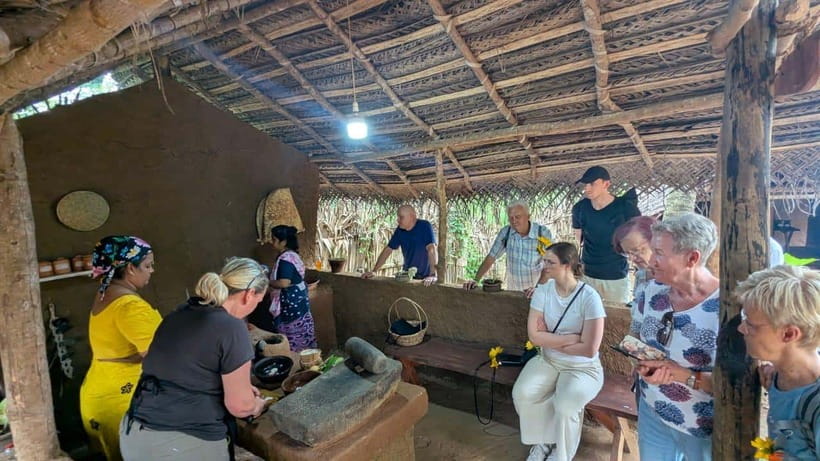
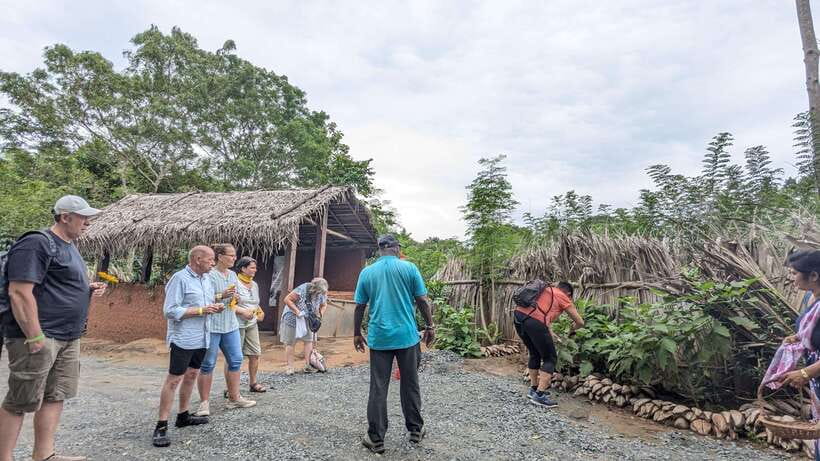
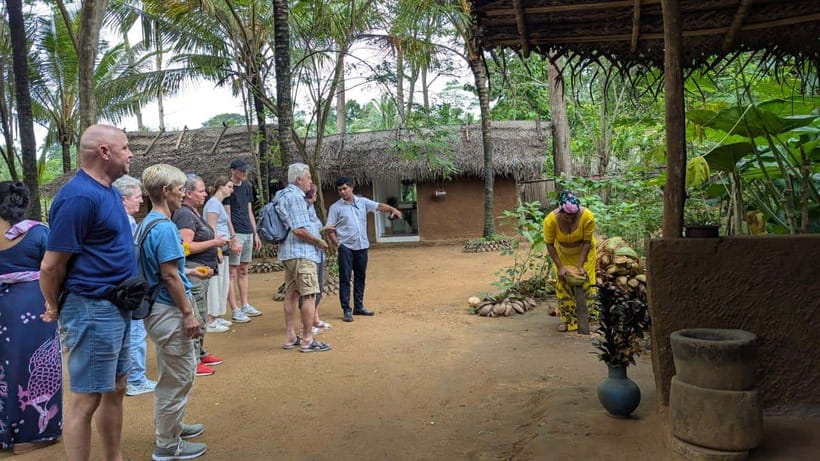
This experience takes place at a reconstructed traditional village called Ceylon 1850 We Reconstructed 200 Years Old Traditional Village for Your Explore. It’s designed to help you picture how people lived and worked around Udawalawe long before modern conveniences.
You’ll also appreciate the location choice. The meeting point is only about 1.2 km from the Udawalawe Elephant Orphanage, so it’s easy to pair with a day that already involves wildlife in the area. If you’re planning your Udawalawe route, this makes a nice change of pace: elephants one side of your day, village life and food on the other.
Timing-wise, plan for about 90 minutes of walking within the overall 2-hour experience. You’re not doing a marathon trek, but it’s still active enough that comfy shoes matter.
First Stop: Cinnamon Tea Welcome and the Ancient Gem Mine Lesson
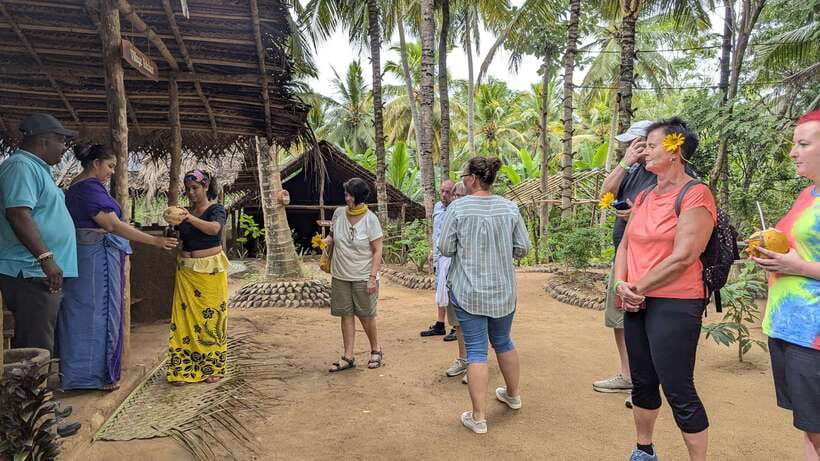
The day starts with a welcome drink of cinnamon tea, and you may also be served a king coconut drink as part of the welcome. It’s a simple start, but it works—spice and coconut are two major Sri Lankan flavor cues, and both show up in the kinds of foods you’ll learn to make later.
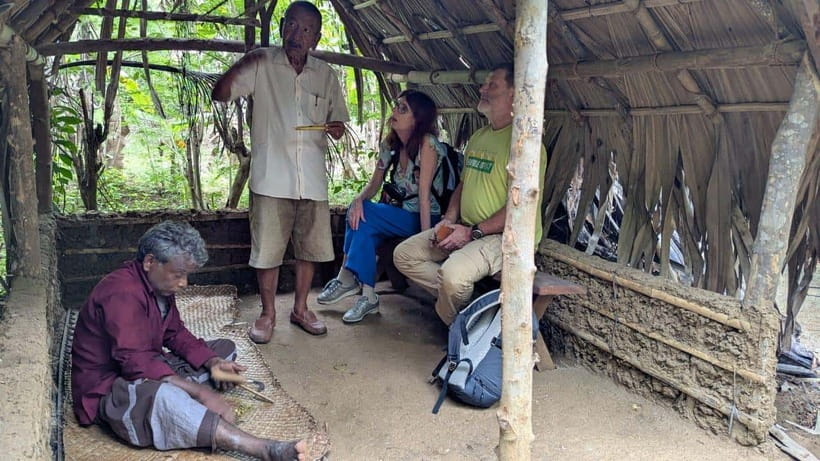
Then you head to an ancient gem mine for a guided look at how gem mining worked in older times. You won’t just get a story you can skim past. The guide explains the mining process and introduces you to the techniques used by miners of the past, so you understand why Sri Lanka’s gem industry has such a strong cultural and economic footprint.
Why this matters for your day: when you learn about local spices and food afterward, the whole schedule starts to feel coherent. You’re seeing three parts of the same “working village” system:
- spice processing (cinnamon)
- land produce (vegetable garden)
- extractive industry history (gem mining)
Cinnamon Peeling by Hand: The Spice Skill You Can Smell
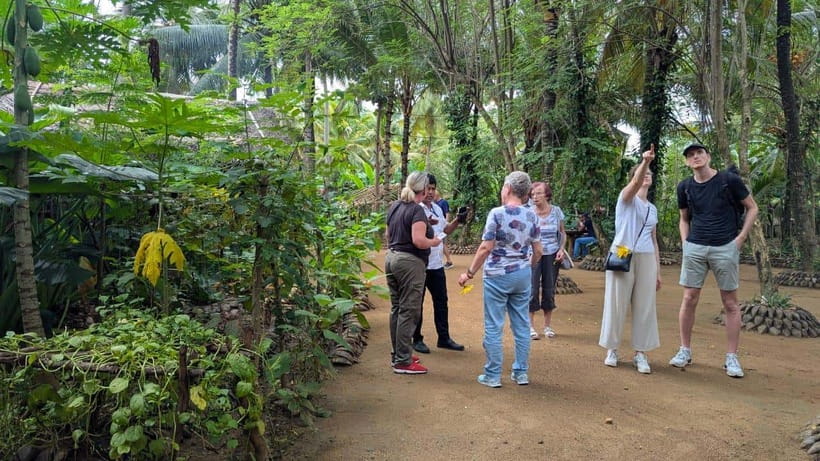
One of the most memorable segments is the cinnamon peeling demonstration by skilled artisans. This isn’t a quick photo stop. You watch the peeling process and learn why cinnamon is so important in Sri Lankan culture and economy—down to the work it takes to turn bark into the sticks you see in shops.
Even if you think you know cinnamon, seeing it handled up close changes how you think about it. Freshly peeled cinnamon has a different intensity than the jarred kind. And once you’ve watched someone do it by hand, the spice stops being background flavor and becomes a skill.
This segment also helps you cook better. When you later grind spices and cook on the stove in a village kitchen, you’ll understand how aroma changes based on prep, not just based on what’s in the bowl.
From Garden to Pot: Vegetable Picking and Village Kitchen Cooking
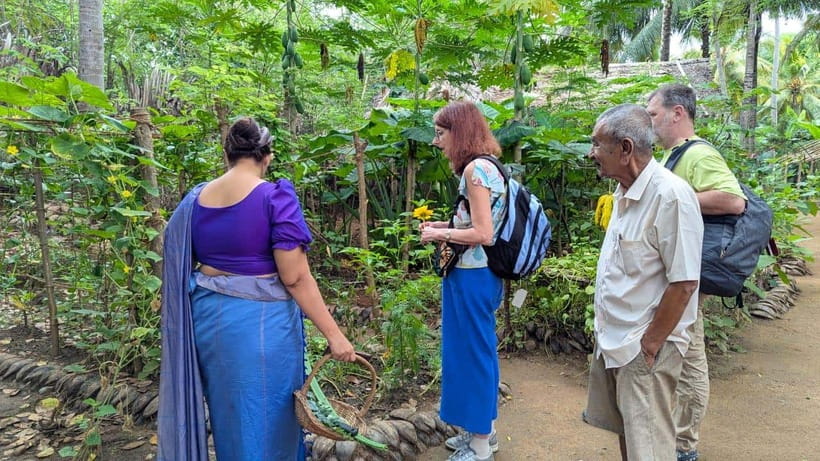
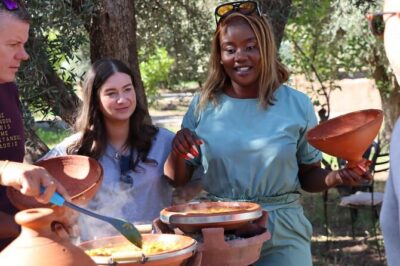
Next comes the part that most people really come for: you pick vegetables from the garden and then cook in a traditional village kitchen with local women.
Vegetable garden picking
The garden stop is practical. You’re not browsing a market counter. You’re selecting produce to use in your meal. That makes the cooking class feel connected to the land rather than a scripted demo.
A few practical notes for your comfort:
- expect some uneven ground and bending
- wear shoes that handle dirt and small stones
- bring light layers if it’s warm, because you’ll be moving
Traditional kitchen cooking class
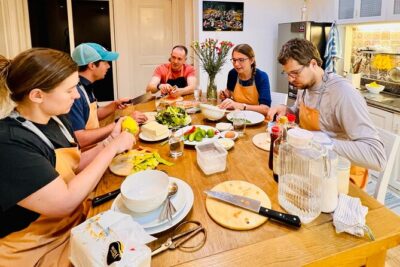
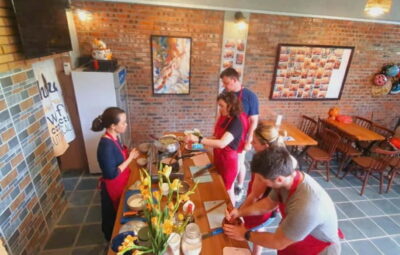
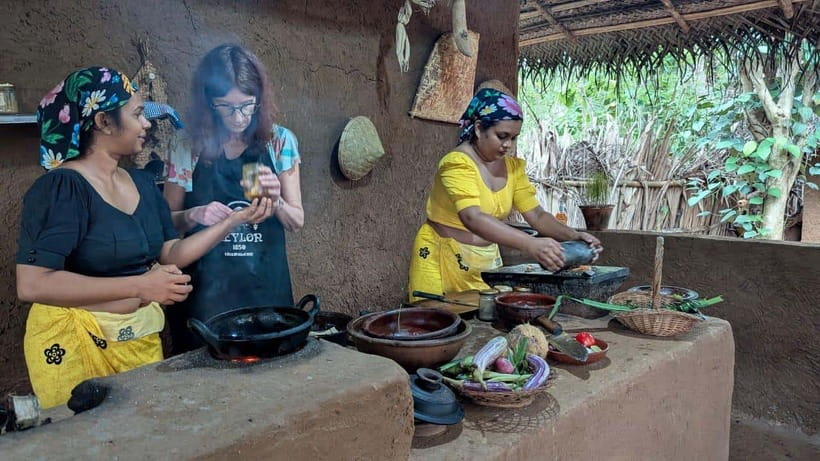
In the kitchen, you’ll cook with age-old techniques. The experience includes everything from grinding spices to cooking on traditional heat (including cooking over an open flame). You’ll also see the flow of a household kitchen—how spices are prepared first, how the stove rhythm works, and how dishes come together when multiple people are working.
This is where the day becomes more than a tour. You’re participating, not just watching. And since the meal is based on what you cook, you learn in a way that sticks.
From the cooking results you hear about afterward, coconut-forward dishes and lentil staples tend to be the highlight—especially coconut sambal and dahl, which people have praised as some of the best versions they’ve had in Sri Lanka.
Your Village Feast: What You’ll Eat and How the Meal Works
After cooking, you sit down for the local meal featuring dishes prepared during the class. The format is communal, which is part of the value. You’re eating as the village does—together—so the meal feels like the natural ending to the work you just did.
What you can expect in terms of flavor and style:
- spice-forward curries and sides
- coconut flavor showing up in sambal-style preparations
- lentil-based dishes like dahl
- simple, home-style cooking rather than restaurant plating
Now for the practical bit. One caution that can affect your budget: drinks during the meal may be charged separately, and some people have reported getting surprised by drink prices after the fact. Before you order anything with your meal, ask what’s included and what isn’t. It’s an easy step that prevents an awkward end to a day that’s otherwise warm and welcoming.
Mela Time: Music, Crafts, and Everyday Snacks
The tour finishes with participation in local melas, traditional fairs where you’ll find music, dance, crafts, and local delicacies.
This part is often the most fun because it’s less formal. In the cooking class you follow steps; at a mela you follow senses—sound, movement, the smell of snacks cooking nearby. Even if you don’t stay long, it gives you a snapshot of community life beyond the food demonstration.
It’s also a nice way to practice being present with the day’s new knowledge. After learning how spices and produce are handled, you’ll be better at noticing what ingredients show up in the food at the fair.
Price, Time, and What You’re Actually Getting for $30
At $30 per person for about 2 hours, the value depends on how you like to travel.
This isn’t a low-cost street-food snack stop. You’re paying for multiple built-in experiences inside a single timeframe:
- cinnamon tea and a village welcome
- guided visit to an ancient gem mine
- cinnamon peeling demonstration
- garden vegetable picking
- hands-on cooking class in a traditional kitchen
- your own meal afterward
- mela participation with crafts and local delicacies
For me, the main value is the hands-on part. A lot of Sri Lanka “culture” tours are mostly watching. Here, the structure pushes you to participate: picking vegetables and cooking. If you enjoy learning-by-doing, $30 starts to make sense quickly.
But if you’re mostly after a quick cultural glance, it may feel like you’re paying for several stops you don’t care about equally. In that case, focus on whether you genuinely want the cooking class and the gem/spice lessons. Those are the anchors.
Practical Tips That Make This Tour Easier (and Better)
Here are the small, real-world things that help this day go smoothly.
Wear shoes you can walk in
You’ll be doing a full walking portion (about 90 minutes), and the garden and village paths can be rough.
Ask about drinks before the meal
Since some people have experienced sticker shock on beverages, confirm what comes with the food. If you want anything extra, ask the price clearly before ordering.
Go in hungry
You’ll cook, then eat. If you’ve had a heavy lunch right before, you might feel less satisfied by the meal.
Bring a curious mindset
The best part of this tour is connection: cinnamon peeling links to spice use, the gem mine links to how industries shape life, and cooking links it all into what you can taste.
Plan around your Udawalawe day
Because it’s close to the Udawalawe Elephant Orphanage, it’s easy to fit into a larger itinerary. If your day includes elephant viewing, schedule this meal-and-culture stop so you aren’t rushing.
Is This Tour Right for You?
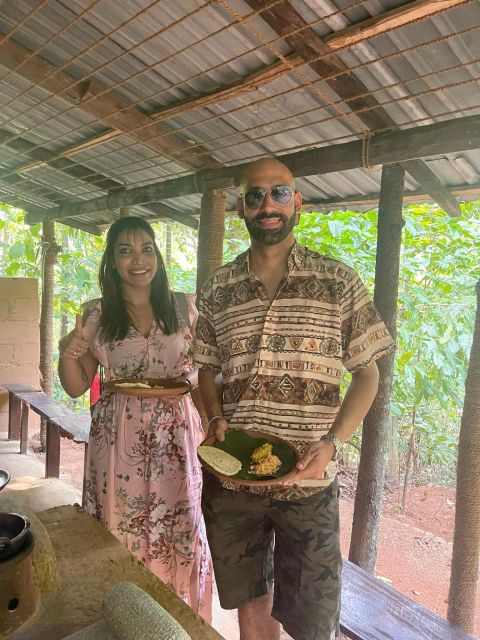
This fits best if you want food culture, not just food photos.
You’ll likely enjoy it if:
- you like hands-on cooking and learning kitchen methods
- you want a structured cultural day in Udawalawe
- you enjoy spice work and want context for how cinnamon and other flavors are prepared
- you want a village-style meal that feels like part of the community, not a show
You may want to skip it if:
- you need wheelchair accessibility (it’s not suitable for wheelchair users)
- you dislike walking for about 90 minutes
- you’re not interested in cooking or spice demonstrations
The best match is someone who likes practical travel: you come away with skills, flavors, and real texture of daily life.
Should You Book the Udawalawe Farm-to-Table Village Experience?
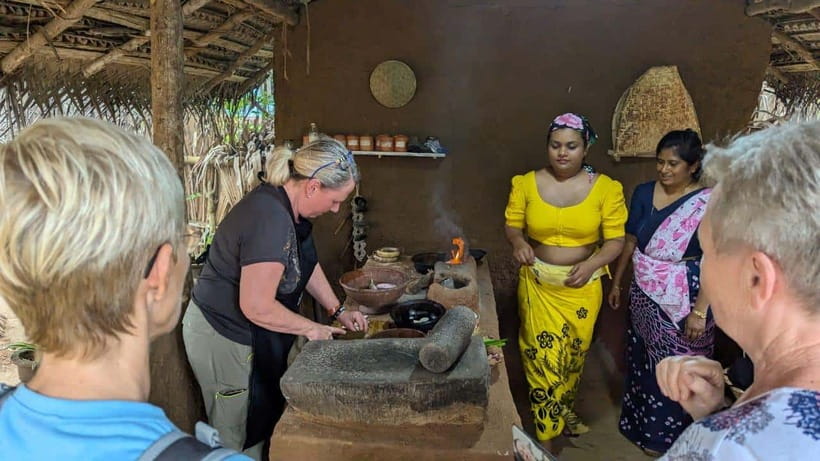
I’d book this if you’re in Udawalawe and want more than a one-note tour. The combination of cinnamon tea, an ancient gem mine explanation, garden picking, and a village cooking class gives you multiple ways to understand Sri Lankan life—through spice, land, and work.
My advice for a confident decision:
- If cooking class and the vegetable garden are must-dos for you, this is a strong value at $30
- If you’re picky about drink costs, ask what’s included before the meal
- If you need wheelchair access or want a totally seated experience, look for another option
If your travel goal is authentic food culture with participation built in, this one lands well.
FAQ
How long is the Udawalawe Farm to Table Village Experience?
The experience runs for about 2 hours overall, with around 90 minutes of walking.
Where is the meeting point?
It’s located about 1.2 km from the Udawalawe Elephant Orphanage.
What does the price include?
It includes a welcome drink, a guided tour of an ancient gem mine and gem mining process demonstration, a cinnamon peeling demonstration, vegetable picking from the organic garden, a traditional cooking class with local women, the meal you prepare, and participation in local melas.
What kind of welcome drink do you get?
You start with a cinnamon tea welcome, and the included information also mentions king coconut as part of the welcome.
Is there a cooking class, or is it just watching?
There is a hands-on cooking class where you cook in a traditional village kitchen with local women.
Do you pick vegetables yourself?
Yes. You’ll pluck vegetables from the organic garden and then use them in the cooking class.
Do you visit the gem mine?
Yes. You’ll get a guided visit to an ancient gem mine and learn about the gem mining process.
Is it wheelchair accessible?
No, it is not suitable for wheelchair users.
What language is the guide?
The live guide speaks English and Singhalese.
Is cancellation possible if plans change?
Free cancellation is offered up to 24 hours in advance for a full refund, and you can reserve with pay later to keep your plans flexible.