REVIEW · INDONESIA
Seminyak : cooking class traditional food bali
Book on GetYourGuide →Operated by Summerinbalitour · Bookable on GetYourGuide
Your kitchen in Bali starts at the market. In this Seminyak cooking class, you cook 12 Balinese dishes and I like that you can start with a morning market tour in the morning session. The main trade-off is simple: if you choose the afternoon class, there’s no market tour and you’ll handle your own transport.
I also like the way the class fits different travel styles. It’s set up for solo travelers, friends, couples, and families, and it runs Monday to Saturday with English-speaking instruction.
One more thing to plan for: the menu can be regular or vegan depending on the day. Before you book, ask what’s scheduled so you know what you’ll be cooking.
In This Review
- Key things that make this cooking class worth your time
- Morning vs Afternoon: Market Tour and Your Meal
- Pickup in Seminyak, Kuta, and Legian: How Transport Works
- The Morning Market Tour: Why It Changes How You Cook
- Cooking 12 Balinese Dishes: From Spice Pastes to Banana-Leaf Plates
- Regular Menu vs Vegan Menu: Ask What’s Scheduled
- Lunch or Dinner Included: How the Meal Fits the Class
- The Certificate and Cook Book: What You Really Take Home
- Price and Value: Is $129 Per Group a Good Deal?
- Practical Tips: What to Bring and What to Plan For
- Should You Book This Seminyak Cooking Class?
- FAQ
- How long is the cooking class?
- When does the morning class run?
- When does the afternoon class run?
- Do I get pickup in Seminyak?
- Is there a market tour in the afternoon class?
- What meals are included?
- How many dishes will I cook?
- Do they offer vegan options?
- What should I bring, and what’s not allowed?
- Do I receive a certificate and cook book?
Key things that make this cooking class worth your time
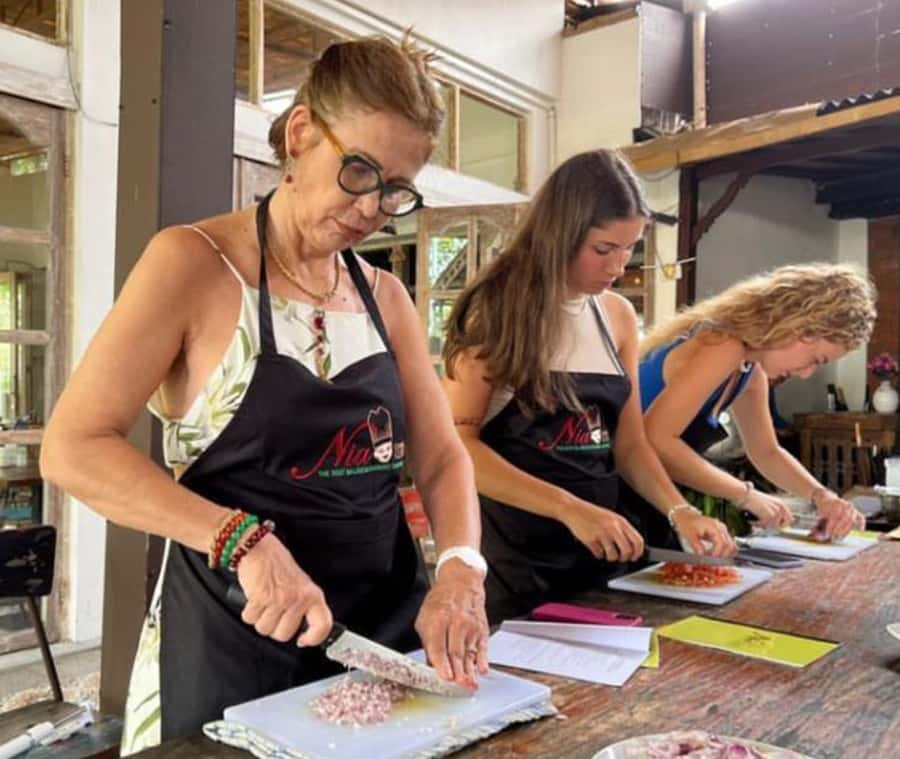
- Morning market tour (only in the morning class)
- Cook 12 dishes, including recognizable Balinese favorites and spice pastes
- Free Seminyak, Kuta, and Legian pickup for the morning class only, with no drop-back
- Lunch or dinner included, based on which time slot you pick
- You leave with a certificate and a cook book to recreate the flavors later
Morning vs Afternoon: Market Tour and Your Meal
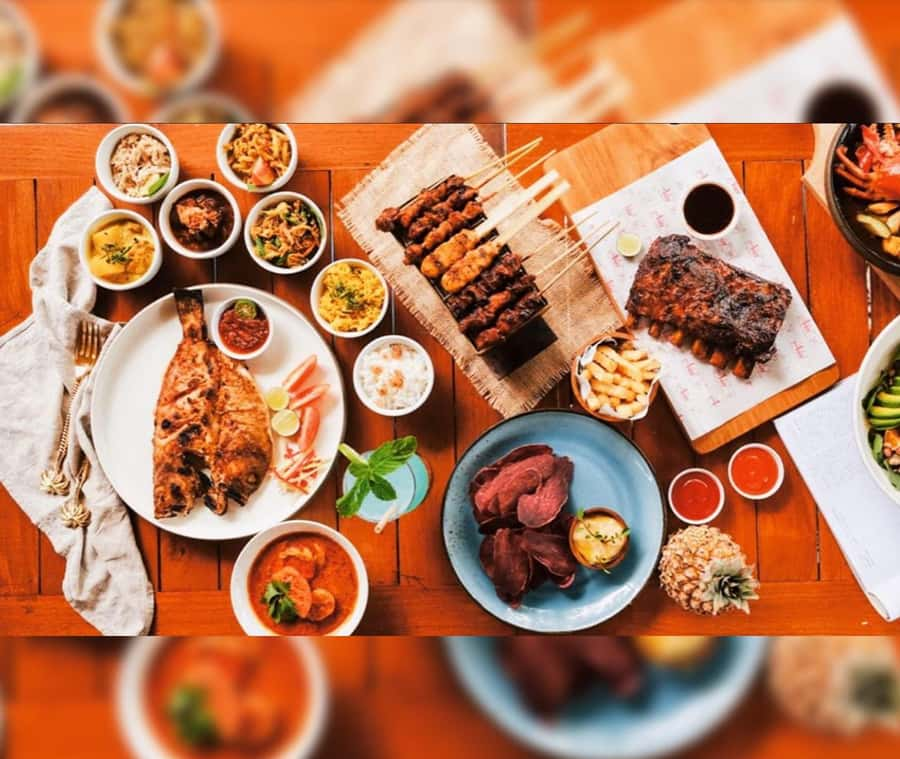
This class is offered in two blocks, and they feel different even if the theme is the same: practical Balinese cooking. The morning class runs from 08:00 to 13:00, so you get a fuller rhythm, including the market tour and lunch. The afternoon class runs from 15:00 to 18:00, and it’s a tighter session focused on cooking and dinner.
If you like context, the morning option is the one you’ll enjoy most. You don’t just learn recipes; you also see ingredients before you start cooking, via the morning market visit. That market timing matters because many spice and produce choices are easier to spot early in the day.
If you’re already sightseeing hard and want a shorter hit of cooking, the afternoon class can work well. You’ll still cook 12 menu items and eat dinner, but you won’t get the market component.
My simple advice: pick morning if you want the “from ingredient to plate” flow. Pick afternoon if you want the cooking and the meal, without the extra tour.
You can also read our reviews of more tours and experiences in Indonesia.

Pickup in Seminyak, Kuta, and Legian: How Transport Works
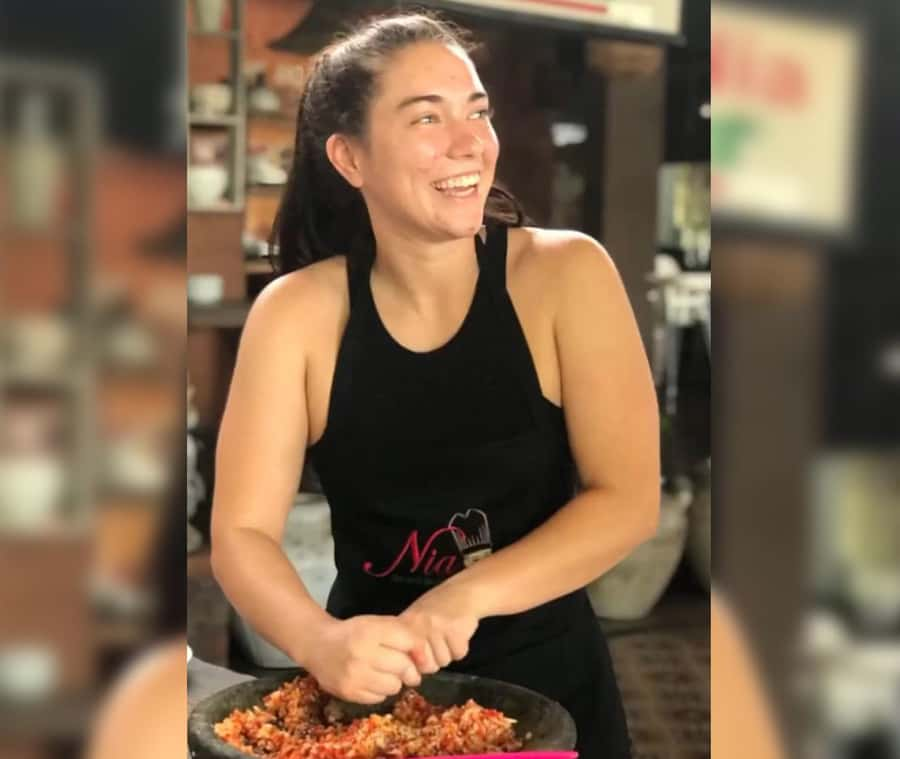
Transportation is where this tour needs a bit of your attention. Morning classes include free pickup in the Seminyak, Kuta, and Legian area. But there’s an important catch: there is no drop-back after the class.
That means you should plan a clean follow-up step for yourself. For example, decide where you’ll go after the class ends (another restaurant, a ride you arrange next, or time to wander nearby). If you don’t like transport surprises, have a plan before the class starts.
For the afternoon session, there’s no pickup and no drop-back. You’ll need to come on your own to the meeting point if you’re outside the listed pickup zone.
Also keep in mind the provider asks you to book at least one day before your class start. That’s the kind of practical rule that keeps the day smooth.
The Morning Market Tour: Why It Changes How You Cook
In the morning class, you start with a market tour. This isn’t only sightseeing; it’s ingredient education you can feel while you cook. You’ll be moving from stalls and fresh produce ideas straight into the kitchen mindset.
Why it matters: Balinese flavors are often built on spice pastes and fresh aromatics, not just sauces. When you see the ingredients in the morning light and you learn what goes together, it’s easier to understand what you’re tasting later. You also get a head start on deciding what you want to make again when you’re back home.
You’ll also start the class with a welcome snack and drink, which helps set you up for the hands-on work that follows.
One practical drawback: the market tour is only included in the morning option. If market browsing is a big part of your travel enjoyment, don’t expect it in the afternoon class.
Cooking 12 Balinese Dishes: From Spice Pastes to Banana-Leaf Plates
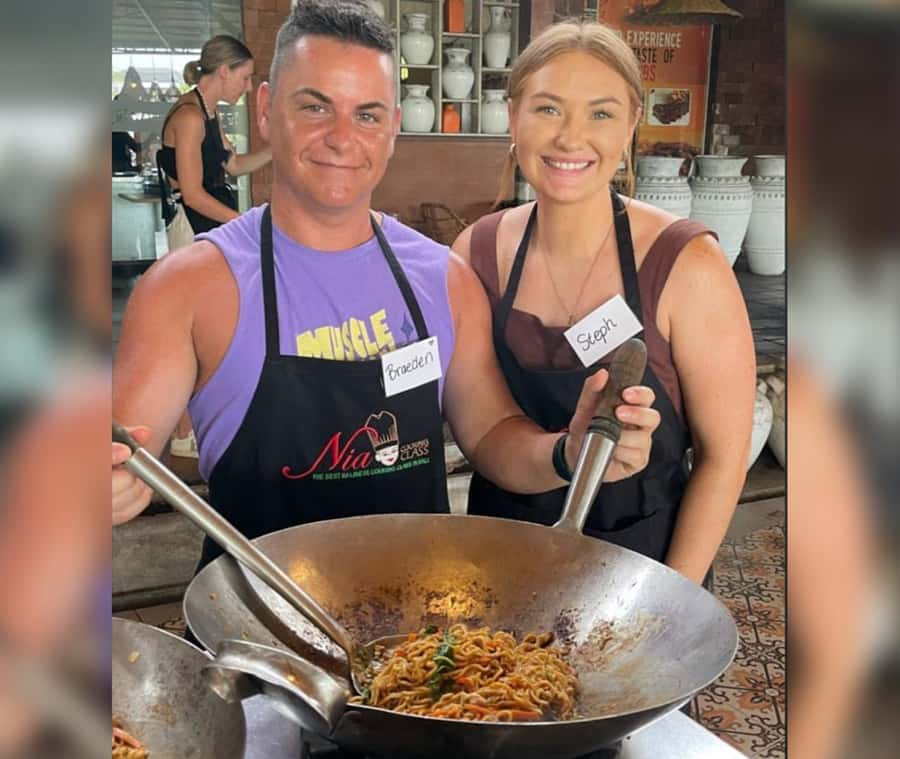
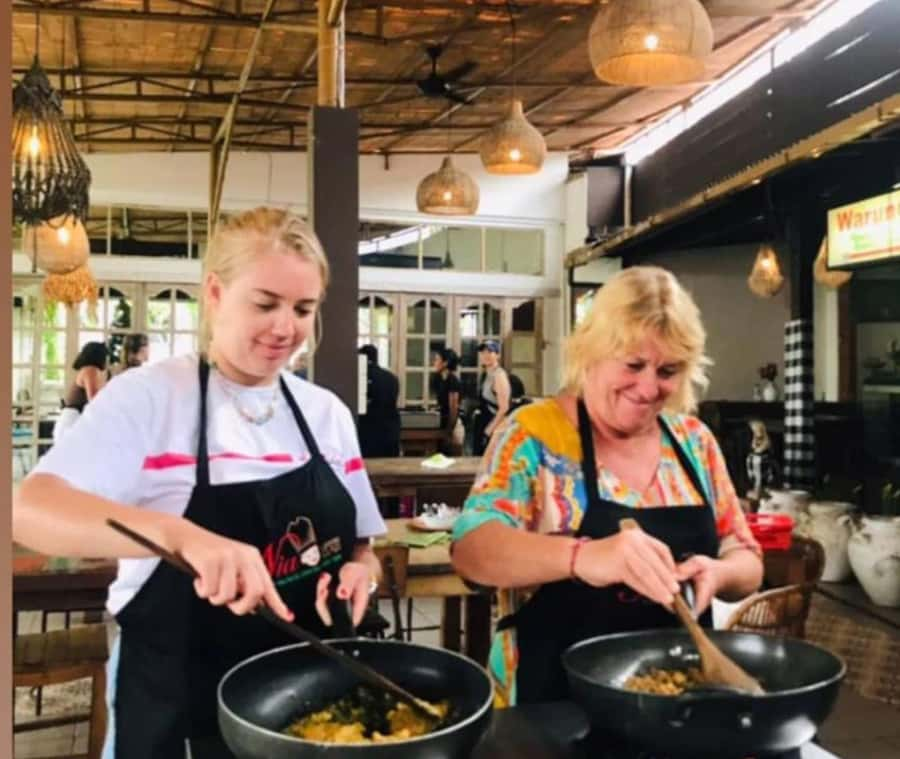
The headline is straightforward: you cook 12 menu items. In my view, this is where the value comes from. Many cooking classes teach a couple of dishes well. This one has a bigger “rotation,” so you leave with a broader sense of Balinese cooking.
The regular menu includes items that show how Balinese food is built. You’ll work with spice pastes and different flavor bases that guide the cooking. Some examples from the regular set include:
- Spice paste for seafood with a base called be pasih (orange in appearance)
- Spice paste for chicken using be siap (yellow in appearance)
- Ayam betutu bali, roasted chicken in banana leaf
- Pork with sweet soy sauce, listed as be celeng base manis
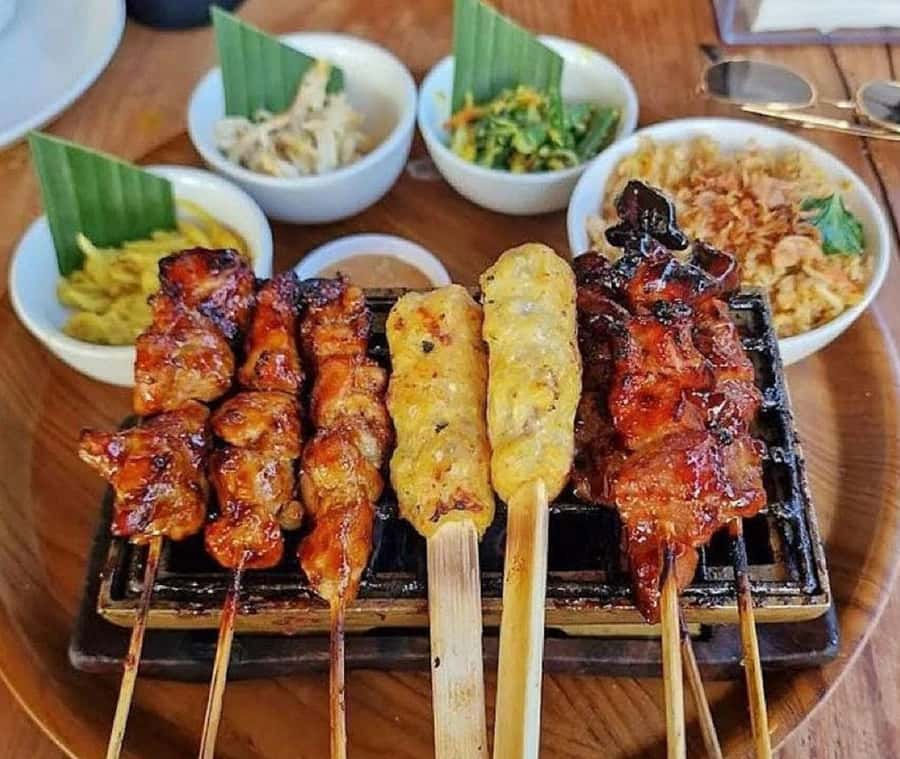
- Chicken satay (sate ayam) and peanut sauce (base sate)
- Seafood satay called sate lilit ikan
- Tum ayam, minced chicken in banana leaf
- Green papaya salad with chicken, plus vegetable salad in peanut sauce
- Sweet corn coconut snack (urab jagung) and chicken fried rice (nasi goreng ayam)
That’s a mix of grilling, salads, paste-based cooking, and banana-leaf wrapping. It’s also a good range if you’re the type who wants to understand flavors, not just follow steps.
If you’re cooking with friends or family, this format also gives you conversation. Each dish offers a new taste lane—so the table doesn’t get boring.
Regular Menu vs Vegan Menu: Ask What’s Scheduled
Here’s the smart planning note: the class can run either a regular menu or a vegan menu. Sometimes you’ll cook the regular set, and sometimes you’ll cook vegan items. The schedule can change, so you should ask what’s on the menu before you book.
The vegan menu follows the same “12 items” idea, but shifts ingredients and techniques. It includes items like a basic spice paste, tempeh curry and sweet crunchy tempeh, mushrooms in banana leaves, tofu fritters, and vegan-friendly noodle preparation (mie goreng) with peanut sauce. You’ll also see vegetable dishes with spicy coconut dressing and peanut dressing, plus a steamed pumpkin cake.
Why this matters: vegan travel can get tricky when a class assumes you’re okay with fish sauce or small substitutions. Having a full vegan menu set means you should be able to enjoy the cooking experience without guessing.
Even if you eat everything, I like knowing you’ll have the option. It’s a clear signal the class is flexible, not rigid.
Lunch or Dinner Included: How the Meal Fits the Class
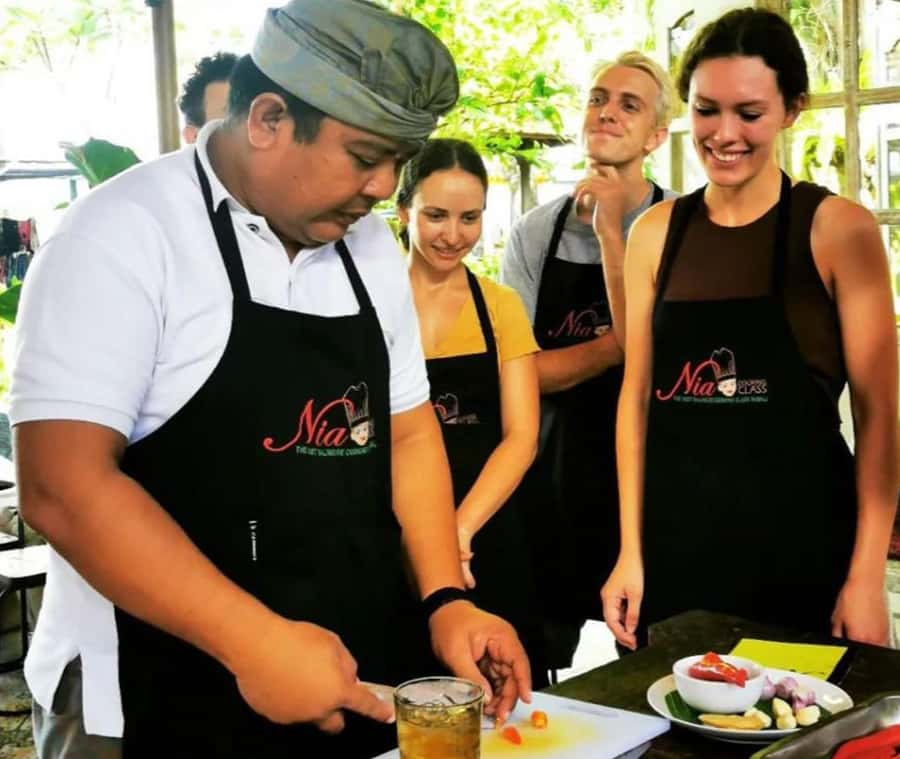
Your meal depends on which time slot you pick. The morning class includes lunch, while the afternoon class includes dinner. Since you’re cooking 12 dishes, the included meal isn’t a small side. It’s part of the event structure.
This is practical for your day. You don’t have to plan food around a cooking session in Seminyak where choices can be plentiful but also time-consuming. You also get to eat what you made, which helps you understand what worked and what you’d adjust.
Another nice touch: you start with a welcome snack and drink. That small energy boost is useful because cooking days can run long even when the clock looks reasonable.
The Certificate and Cook Book: What You Really Take Home
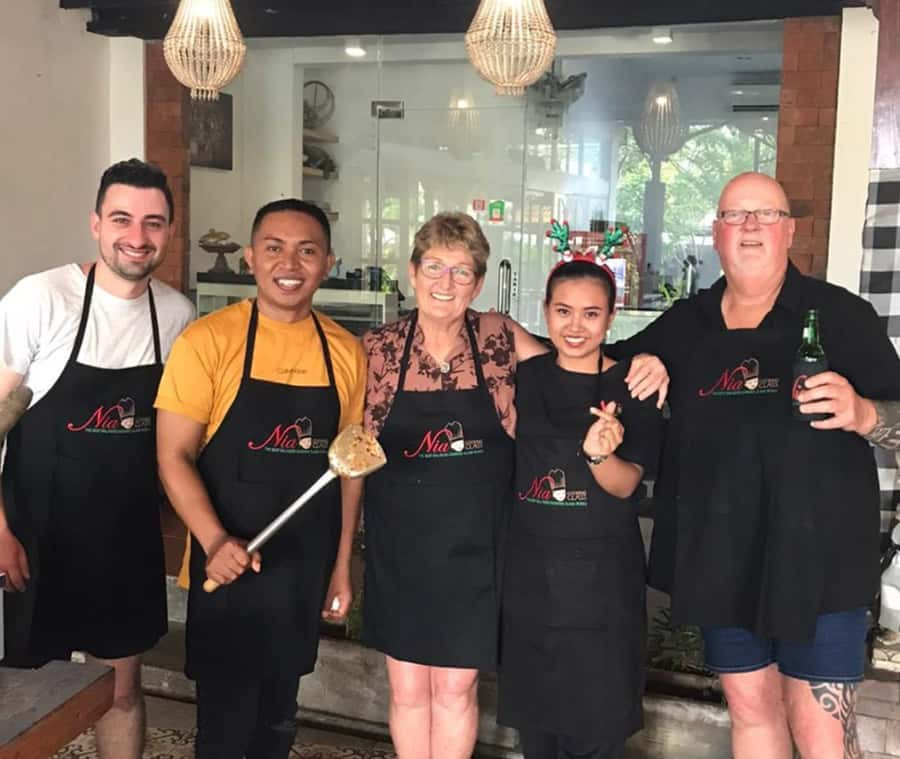
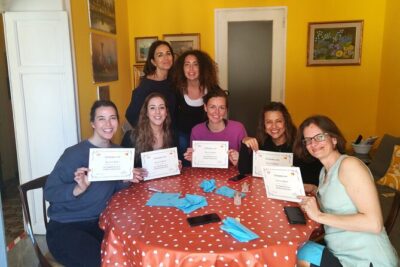
At the end, you get both a certificate and a cook book. I find this matters more than people expect. Cooking in Bali is fun, but your real win is the ability to recreate flavors later.
The cook book gives you a written path back to those dishes, so you’re not stuck relying on memory. And the certificate is a simple keepsake that makes the experience feel official, not casual.
If you’re the kind of traveler who likes to bring a piece of a place home, this is the right kind of souvenir. It’s useful, not just decorative.
Also, the class is described as private group. That can be a comfort factor if you want a more focused experience, especially if you’re cooking with kids (note: children under 7 aren’t suitable).
Price and Value: Is $129 Per Group a Good Deal?
The price is listed as $129 per group up to 2, and the class runs 3 to 5 hours depending on the slot you pick. For that money, you’re not just paying for one dish. You’re paying for a full cooking session with 12 menu items, a welcome snack and drink, and a full meal (lunch or dinner).
Then add the extras that change the value equation:
- Morning pickup from Seminyak, Kuta, and Legian (no drop-back)
- Certificate and cook book included
- English instruction
- The market tour included in the morning class
If you’re traveling as two people, this price looks especially fair because you share a group rate while still getting a broad menu. If you’re a solo traveler, you may still feel it’s a strong deal because you’re not paying extra for extra dishes. The key value check is your time: the morning class is more “full experience” thanks to the market, while the afternoon class is more “focused cooking.”
Bottom line: this is value-forward because the cost covers more than cooking. It covers ingredient context (in the morning), hands-on practice across 12 dishes, and a meal you didn’t have to organize.
Practical Tips: What to Bring and What to Plan For
Keep it simple and you’ll enjoy it more.
Bring cash. The activity notes cash is needed, and that’s the kind of detail that can save you from a last-minute scramble.
There are also clear rules about what not to do: alcohol and drugs aren’t allowed. If you’re coming straight from a night out, plan a calmer arrival.
Age matters here. It’s not suitable for children under 7. If you’re traveling with kids older than that, this could still be a fun family activity, especially because the class can welcome different age groups and the experience is described as friendly and organized.
One last practical point: you book at least one day in advance. That gives the provider time to confirm your schedule and, importantly, the menu type (regular or vegan).
Should You Book This Seminyak Cooking Class?
Book it if you want a hands-on Bali food experience with real structure: market (morning), cooking across 12 dishes, then lunch or dinner. I’d also book it if you care about taking something home, since you get both a certificate and a cook book.
Skip or reconsider if you hate logistics. Morning pickup comes with no drop-back, and the afternoon class has no pickup and no market tour. If you don’t want to manage meeting points and transport, plan ahead.
Most importantly: message ahead and ask what menu you’ll cook. With regular and vegan menus possible, that one question can make the difference between a perfect class and a day that isn’t what you expected.
FAQ
How long is the cooking class?
The class runs about 3 to 5 hours, depending on whether you choose the morning or afternoon session.
When does the morning class run?
The morning class runs from 08:00 to 13:00, Monday through Saturday.
When does the afternoon class run?
The afternoon class runs from 15:00 to 18:00, Monday through Saturday.
Do I get pickup in Seminyak?
Yes, free pickup is included for the morning class for Seminyak, Kuta, and Legian areas, but there is no drop-back after the class.
Is there a market tour in the afternoon class?
No. The market tour is included only in the morning class.
What meals are included?
Morning class includes lunch. Afternoon class includes dinner.
How many dishes will I cook?
You’ll cook 12 menu items in both morning and afternoon classes.
Do they offer vegan options?
Yes, there can be a vegan menu option. The class schedule may switch between regular and vegan menus, so it’s best to ask before you book.
What should I bring, and what’s not allowed?
Bring cash. Alcohol and drugs are not allowed.
Do I receive a certificate and cook book?
Yes. You receive a certificate and a cook book at the end of the class.