REVIEW · NARA
Nara: Cooking class, learning how to make authentic sushi
Book on GetYourGuide →Operated by 梅守寿司学校 · Bookable on GetYourGuide
Sushi class in Nara feels like a mini ceremony. You get hands-on coaching to make shari the right way, then wear a rental happi outfit while you build and eat your own sushi.
I especially like the way the class is designed for beginners, with ingredients prepped ahead. I also like that you do more than roll sushi for a snack—you learn the core technique so you can recreate it at home.
One heads-up: the schedule can run longer than the listed 90 minutes. One past participant said their 1.5-hour class stretched to nearly 3 hours due to the diploma and photo/ceremony steps, which could affect your afternoon plans.
In This Review
- Key things that make this sushi class worth your time
- Shari is the real lesson (and you start there)
- From pre-cut prep to your first sushi pieces
- The fish-and-cut option (how to level up without stress)
- What makes the class feel different: happi outfits and Japanese spirits
- You’ll eat 8 pieces made by you
- Dietary needs and allergy adjustments are built in
- Price and value in Nara: what $113 really covers
- Logistics in Nara: finding the place and planning your afternoon
- What’s included versus what you should budget extra for
- Who this sushi class is best for (and who should skip)
- Should you book this Nara sushi class?
- FAQ
- FAQ
- Is the sushi class vegetarian or vegan friendly?
- Can they accommodate allergies?
- How long is the class?
- How many pieces of sushi will I eat?
- Are drinks included?
- Do I get to choose toppings?
- What should I wear, and do I get traditional clothing?
- Where do I meet the instructor?
- Is the activity accessible for wheelchair users?
- Is the class held in bad weather?
Key things that make this sushi class worth your time
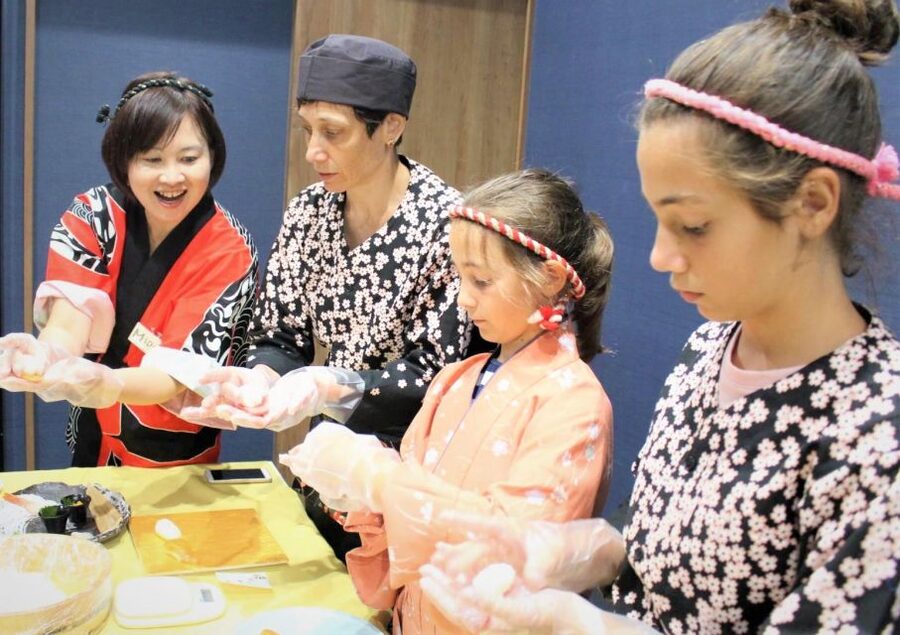
- Shari/sumeshi basics first: you learn the rice-vinegar method and the mixing trick that makes sushi rice work
- Beginner-friendly setup: many ingredients are already cut, so you spend time learning, not prepping
- Optional fish-cut coaching: you can ask about fish cuts if you want to level up
- Costume + Japanese spirit element: you rent a happi and experience a Japanese-styled presentation as part of the class
- You eat what you make: the meal includes 8 pieces of sushi made during the lesson
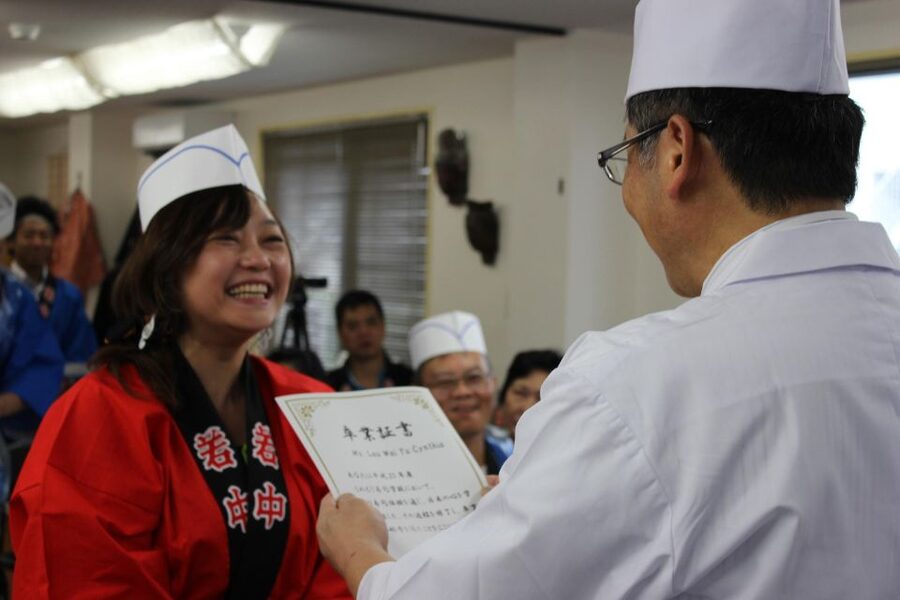
- Certificate, graduation ceremony, and souvenir photos: the class ends with a completion moment you can take home
Shari is the real lesson (and you start there)
In most sushi experiences, people focus on the fish and forget the foundation. Here, the foundation is the rice. Before you touch toppings, you learn how to make shari (also called sumeshi)—sushi rice flavored with a specially blended vinegar.
That matters for you because sushi rice is where most at-home attempts go wrong. If the rice is too dry, too wet, or not mixed evenly, the rolls feel mushy or fall apart. The class teaches you the vinegar ratios and, more importantly, the trick to mixing it well. Even if you never make fancy rolls again, learning that process is the kind of skill that actually sticks.
They also use freshly cooked rice, then you mix in the sushi vinegar while you get the texture right. The big idea: you’re not just copying a look. You’re understanding what to do so the result feels like sushi rice, not just rice with vinegar.
You can also read our reviews of more tours and experiences in Nara.
From pre-cut prep to your first sushi pieces
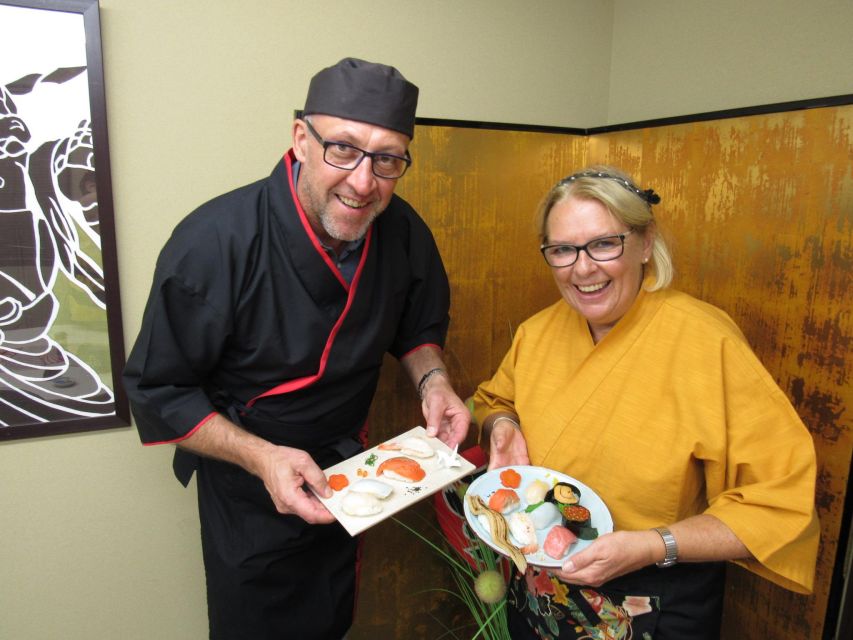
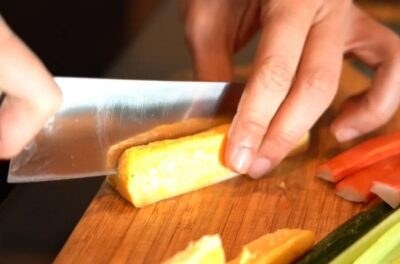
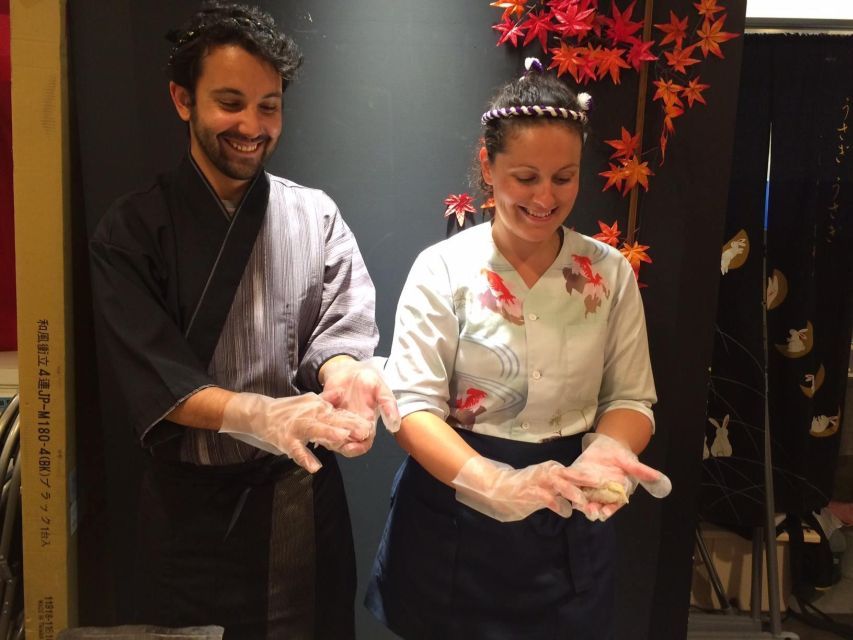
Once the rice is underway, the workshop shifts into action. You’ll assemble sushi pieces with the toppings they prepare for you. A great beginner-friendly detail: many ingredients are already cut, and the instructor explains what you’re doing as you go.
You should expect a steady flow of small steps rather than one “master” demonstration. You’ll learn how to handle the components, how the rice should behave, and how to place toppings so you get tidy, believable sushi rather than something that looks like it survived a minor earthquake.
Toppings include choices like green onion and ginger (and other options), and you can pick what you like. Since topping ingredients can vary by season, don’t be surprised if the menu changes a bit depending on when you go.
The fish-and-cut option (how to level up without stress)
This is the part where you can tailor the class. The experience includes the core sushi-making workflow, but they also mention that if you want to learn fish cuts, you can ask the instructor.
For practical travelers, this is a smart way to handle different skill levels. You get a safe, guided experience even as a first-timer, but you also have an opening to ask questions if you’re curious about technique—especially if you’re the type who wants to understand how restaurants get the results.
If your goal is purely to enjoy the meal and learn the process, you can keep it simple. If you want a souvenir you can cook with later, those fish-cut questions are where you’ll start building real confidence.
What makes the class feel different: happi outfits and Japanese spirits
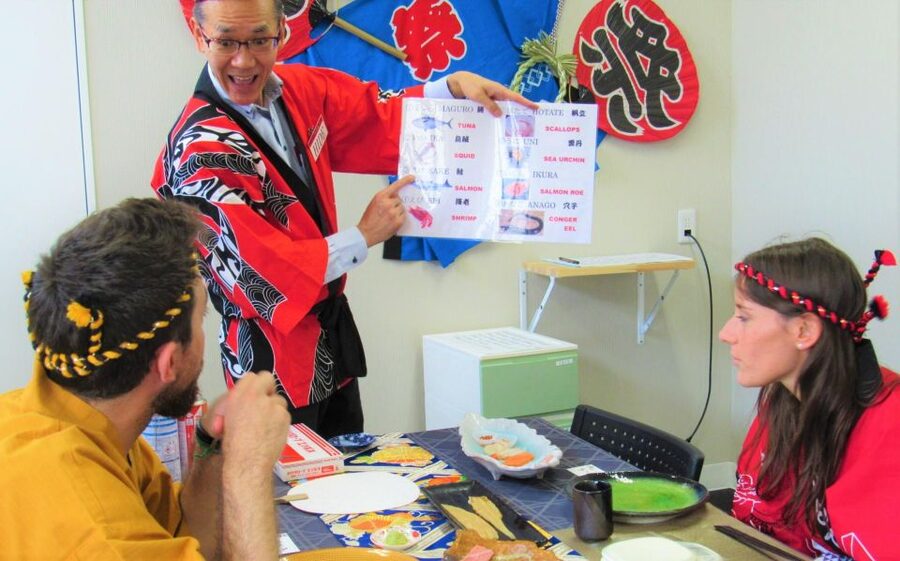
Sushi is fun. But what makes this class memorable is the added cultural framing. You’ll wear traditional Japanese cloth—happi—and you’ll have an experience related to Japanese spirits as part of the lesson.
For me, that’s not just decoration. It helps you treat the class like a craft with respect, not like a rushed food activity. When you’re in a happi outfit, your brain slows down. You pay attention to small details: rice texture, topping placement, the rhythm of the steps. The “spirit” component is basically the lesson’s tone shift—more ceremony, less assembly-line.
And yes, you’ll probably end up taking photos. The experience includes souvenir photography, and the day closes with a completion moment.
You’ll eat 8 pieces made by you
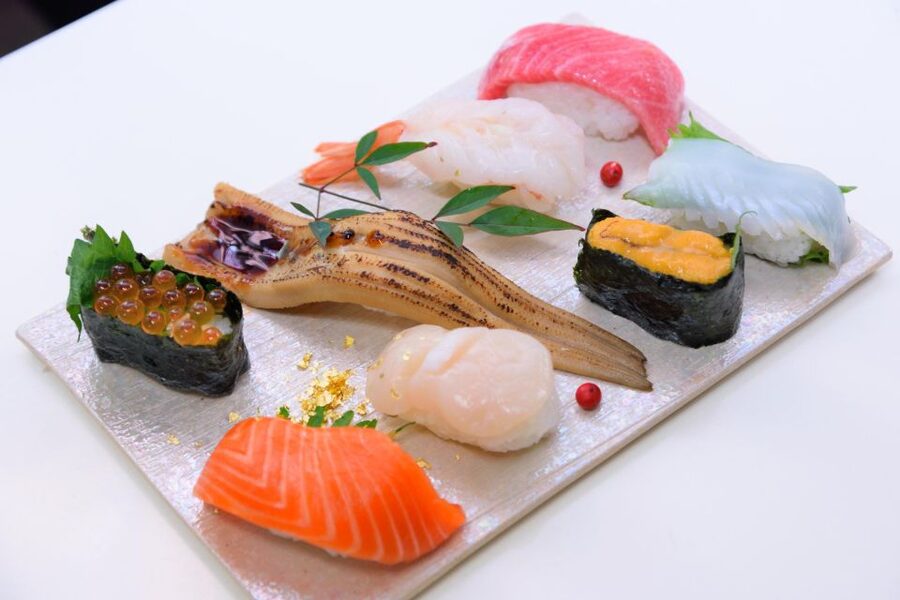
The meal is included: 8 pieces of sushi made during the class. This is a big value point for you. A lot of cooking classes end with a tiny taste, or they feed you something adjacent. Here, you get to eat the actual output of your work.
Because you choose toppings such as green onion and ginger, your final plate feels personal. It’s also a good way to learn what flavor combinations work for you. You can taste the balance between rice, vinegar, and toppings right away, not weeks later when your memory is blurry.
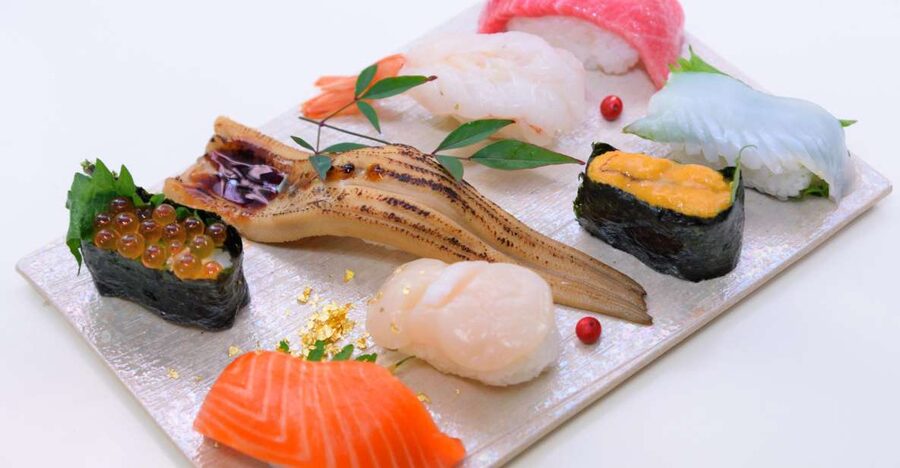
They also note that ingredients like tuna and shrimp can be special, and the class may include gourmet-style options such as extra fatty tuna or sweet, almost creamy fresh red shrimp (season and availability can affect what you get). Even if you don’t know your sushi ingredients yet, being exposed to these differences can help you shop smarter at home.
Dietary needs and allergy adjustments are built in
This class is explicitly set up to be friendly to different diets, including vegetarian, vegan, and Muslims. They also say that allergies are available for accommodation.
That’s a practical relief. If you’re worried about hidden ingredients, you’re not stuck with a generic plate. Shellfish allergies are especially worth noting: one past participant said the team adjusted for them.
They also mention other options like non-raw, gluten-free, and other accommodations. If you have a specific requirement—gluten-free, shellfish allergy, or a non-raw preference—plan to communicate it ahead of time so the instructor can set you up correctly.
One more detail: they don’t have special infant meals, so if you’re traveling with very young kids, check age fit carefully (children under 3 are not suitable).
Price and value in Nara: what $113 really covers
At $113 per person for a 90-minute class, it’s not a cheap snack activity. But it’s also not just a performance. You’re paying for:
- English-speaking instruction plus guidance throughout the hands-on steps
- All ingredients and sushi components, including toppings
- Rental costume (you choose from various clothes)
- Souvenir photography
- A certificate of completion and graduation-style ceremony
You’re also getting a skill you can reuse: sushi rice technique, plus the workflow of assembling sushi correctly.
Is it “worth it” if your only goal is eating sushi in Nara? Maybe not. You can always buy sushi locally. But if your goal is learning how sushi rice works and leaving with a repeatable home method, the price starts to make sense.
Just keep your expectations realistic on timing. The class is listed as 90 minutes, but one participant said it ran nearly 3 hours due to ceremony and diploma/photo/framing steps. If you’re on a tight schedule, treat this as a “half-day” commitment rather than a quick stop.
Logistics in Nara: finding the place and planning your afternoon
The meeting point is detailed and easy to follow if you like certainty. Get off at the south entrance of Shin-Omiya Station on the Kintetsu Line. Turn right into the narrow street, walk until you see a railroad crossing, then turn right again. The school is in front of the Nara Loyal Hotel area, behind a parking area.
It’s near public transportation, and the class runs no matter the weather. That’s helpful when Nara gets unpredictable.
One practical note: there’s no elevator. Staff can help elderly or disabled visitors up the stairs, but if you rely on an elevator for mobility, plan accordingly.
Also, this is an indoor activity with a clear rule: no smoking indoors. Pets are not allowed, though assistance dogs are allowed.
Finally, check what’s not included: drinks aren’t included, and optional extras like warm udon are not part of the base price. If you like to pair activities with coffee or tea, plan to grab it before or after.
What’s included versus what you should budget extra for
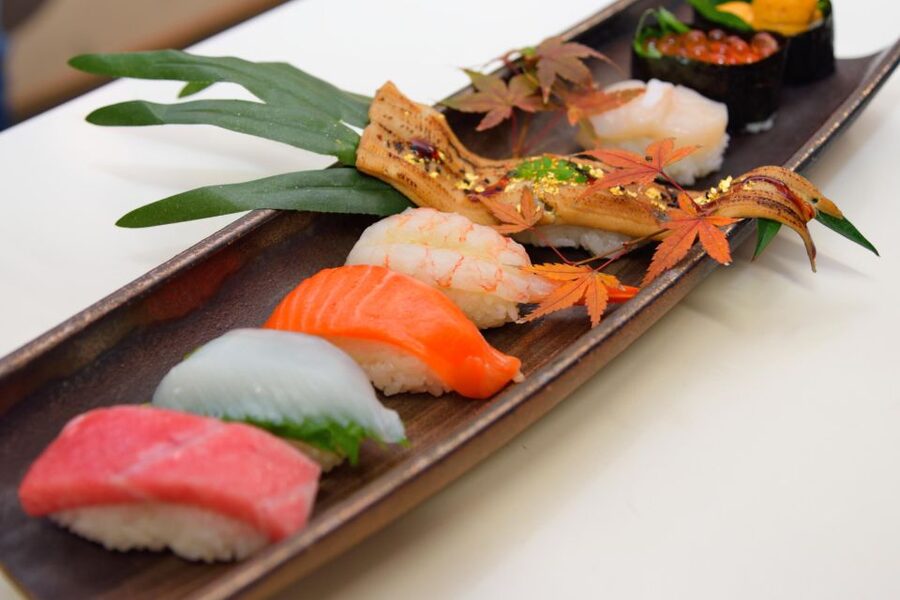
Here’s the trade-off to understand up front: the main value package includes instruction, rice and sushi-making ingredients, and what you eat. What you likely won’t add is a full Japanese meal.
Included:
- Lecture on how to make sushi
- Japanese spirit experience
- Rental happi and choice of cloth
- Toppings and components (including items like green onion and ginger)
- 8 pieces of sushi
- Certificate and graduation ceremony
- Souvenir photography
- English-speaking instructor
Not included:
- Drinks
- Optional warm udon
- Other meals like tempura, tofu dishes, pork shabu-shabu, and other add-ons
If you’re hungry afterward, you’ll want a plan for dinner or a nearby snack spot. If you’re not sure what you’ll eat at the end, remember: you do get sushi, but you don’t get an entire second course.
Who this sushi class is best for (and who should skip)
This class makes the most sense for you if:
- You want to learn the rice technique (not just “how to roll”)
- You’re a beginner and like guided steps
- You care about hands-on food that becomes a real at-home skill
- You want a cultural add-on via happi and ceremony
- You need dietary support such as vegetarian/vegan or allergy adjustments
You might choose a different activity if:
- Your schedule is extremely tight (the class may run longer than the listed time)
- You dislike photo/ceremony components and would rather spend every minute strictly on cooking (one participant suggested skipping diploma and framing parts to save time)
- You want a multi-dish Japanese dinner style experience (this is sushi-focused, and other foods are optional and not included)
Should you book this Nara sushi class?
If you want a sushi lesson that’s practical, structured, and still fun, I’d say yes. The strongest case for booking is the combination of shari training, beginner-friendly prep, and a real payoff: you eat 8 pieces you made.
If you’re worried about timing, buffer your afternoon. If you have dietary needs, this is one of the better options because they explicitly mention vegetarian/vegan/Muslim-friendly menus and allergy adjustments. And if you like the idea of wearing a happi and finishing with a completion certificate and photos, this class will feel like more than a cooking demo.
FAQ
FAQ
Is the sushi class vegetarian or vegan friendly?
Yes. The menu can be friendly to vegetarians and vegans, and they also mention options for Muslims.
Can they accommodate allergies?
They say allergies are available as an option, and they also mention gluten-free and other options.
How long is the class?
The duration is listed as 90 minutes.
How many pieces of sushi will I eat?
You’ll eat 8 pieces of sushi.
Are drinks included?
No. Drinks are not included.
Do I get to choose toppings?
Yes. The class includes various toppings such as green onion and ginger, and you can choose your favorites.
What should I wear, and do I get traditional clothing?
You’ll get a rental cloth, and you can choose from various kinds of clothes. The experience includes wearing a happi outfit.
Where do I meet the instructor?
Meet at the south entrance of Shin-Omiya Station on the Kintetsu Line, then walk as directed toward the Nara Loyal Hotel area behind a parking area.
Is the activity accessible for wheelchair users?
It is listed as wheelchair accessible. However, there is no elevator, and staff can help elderly or disabled visitors go up the stairs.
Is the class held in bad weather?
Yes. The tour is held no matter what the weather is.