REVIEW · NARA
Udon and Tempura Cooking Class in Nara
Book on Viator →Operated by 手打ちうどん&天ぷら料理教室 · Bookable on Viator
Handmade noodles beat store-bought every time. In this Nara class, you go beyond watching: you’re guided by a skilled local craftsman to knead, roll, and cut fresh udon dough using Japanese wheat, then fry tempura with locally sourced vegetables before eating the results right away.
I especially like that the class is hands-on from start to finish, and the payoff is immediate: your meal is built from what you made, with hot, crispy tempura served on your homemade udon. One possible drawback is that the whole experience runs about 1 hour 30 minutes, so you’ll be moving at a steady pace—great if you like action, less ideal if you want a long, slow “cook and chat” session.
In This Review
- Key Highlights You’ll Actually Care About
- Nara Udon and Tempura in One Class: Why This Works
- Getting to the Class: Pickup, Meeting Point, and Timing
- From Japanese Wheat to Fresh Udon: What You Do Step by Step
- Practical tips while you’re cooking
- Tempura With Nara Vegetables: Frying Technique and Timing
- What you should expect when tempura is cooking
- The Best Part: Eating Your Tempura Udon While It’s Hot
- Price and Value: Is $53.33 Fair for a 90-Minute Class?
- Who This Class Fits Best in Your Nara Plan
- Logistics in Plain Terms: Mobile Ticket and Getting Started
- Tips to Get the Most From Your Udon and Tempura Session
- Should You Book It? My Honest Recommendation
- FAQ
- How long is the udon and tempura cooking class in Nara?
- Is pickup included?
- What’s included in the price?
- Is alcohol included?
- Where does the class start and end?
- How many people are in the group?
- Will I receive confirmation after booking?
- Is the tour suitable if I’m using public transportation or traveling with a service animal?
Key Highlights You’ll Actually Care About
- 100% Japanese wheat udon: you work the dough yourself, from kneading to cutting
- Local Nara vegetables for tempura: you fry what you’ll eat right after
- Small group size (max 10): more time to get help and fewer wait times
- Pickup in an air-conditioned vehicle: you start from a clear meeting point and get transported
- Meal included: you eat your own tempura udon while it’s hot and crisp
- Optional sake add-on: toast your trip if you want to include alcohol (extra cost)
Nara Udon and Tempura in One Class: Why This Works
Nara has a way of making everyday things feel special, and food is the easiest door in. This experience hits two big favorites—udon and tempura—without pretending you’ll learn everything about Japanese cuisine in 90 minutes. Instead, you get a clear, practical goal: make noodles, fry vegetables, then eat what you produced.
The most satisfying part is that the class is built around a full loop. You start with ingredients and technique, you finish with a meal that’s served hot, and you get to taste your work while the textures are at their best. In other words, it’s not a passive souvenir. It’s a real cooking session with a real plate at the end.
You can also read our reviews of more tours and experiences in Nara.
Getting to the Class: Pickup, Meeting Point, and Timing
The tour includes pickup by car in an air-conditioned vehicle, which is a big help in Nara. The session starts at リハビリデイサービスアイリス632-2 Hōrenchō, Nara, 630-8113, Japan, and it ends back at the meeting point.
This setup matters because cooking classes often fall apart if you arrive flustered. Here, transportation support means you can focus on the cooking rather than hunting for the place. The experience is also described as near public transportation, so you’re not completely stuck if you need to make your own way to the pickup point.
Duration is about 1 hour 30 minutes, and the group is capped at 10 travelers. That combination usually means: you’ll be helped quickly, and you won’t spend most of your time waiting your turn.
From Japanese Wheat to Fresh Udon: What You Do Step by Step
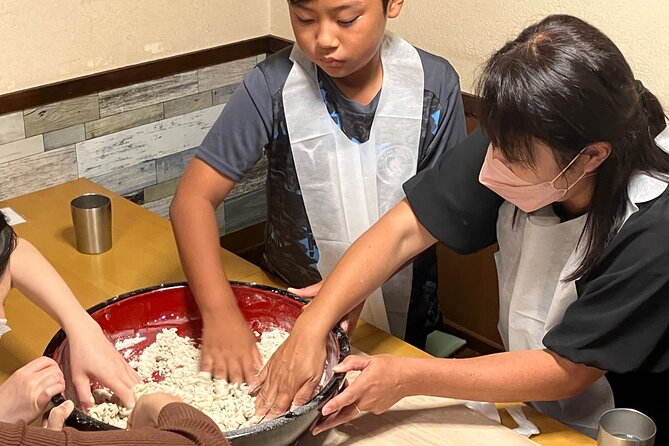
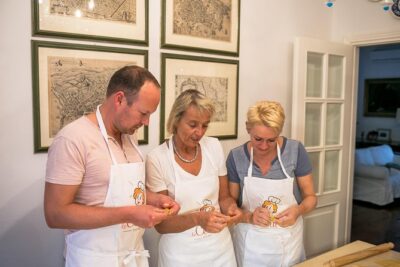
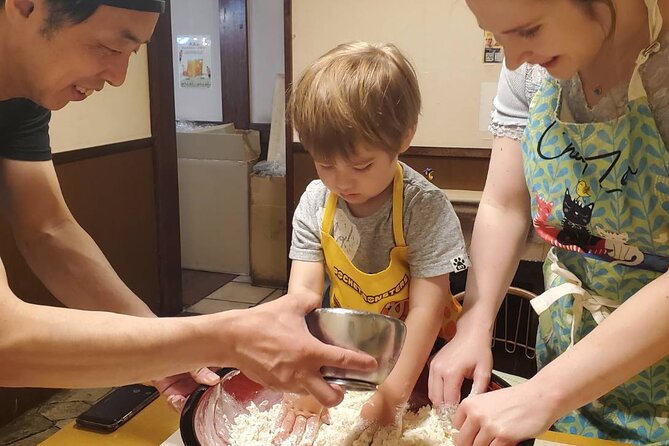
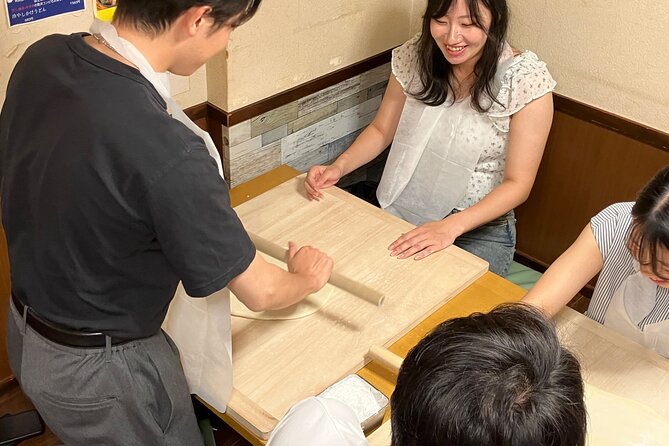
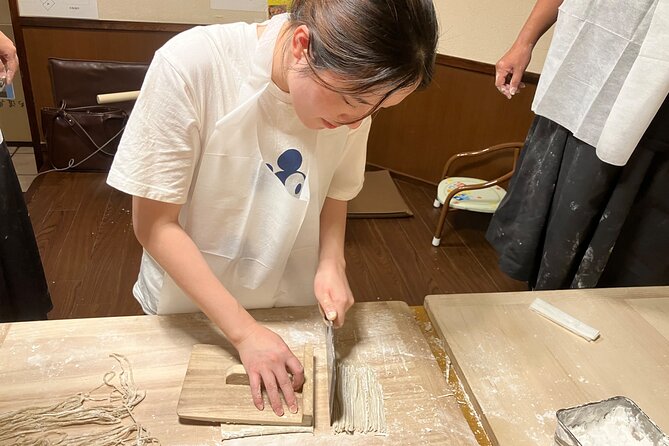
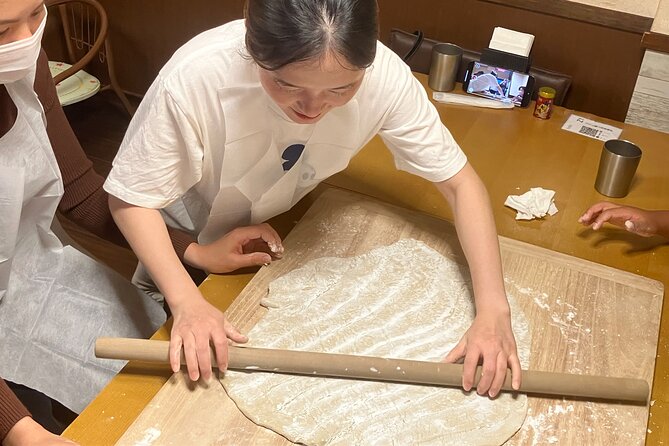
The heart of the class is handmade udon. You’ll use 100% Japanese wheat flour, and you’ll learn how to knead, roll, and cut the dough into fresh udon noodles. A key point: you’re not only assembling ingredients—you’re practicing the physical steps that affect texture.
In a small class, the difference between good dough and frustrating dough shows up fast. Kneading isn’t just tradition; it’s how the dough becomes workable and elastic. Rolling affects thickness, and cutting affects how the noodles cook and how they feel when you eat them. You’ll get guidance on what to aim for, and you can ask questions while you’re in the middle of the process, not after the dough is already cooked.
In one example from the class experience, the instructor greeted international guests warmly, then asked them to wash hands and remove shoes before getting started. Even if the exact routine varies slightly by day, it’s a good idea to expect a clean, rules-following kitchen setup. Think: comfortable socks or easy-to-follow hygiene steps, and be ready to follow instructions without arguing with the process.
You’ll be taught by a skilled local craftsman from Nara. One named example from the class experience is Masakazu Sakaguchi, and the tone described is exactly what you want from a hands-on teacher: welcoming, direct, and focused on getting you to do the work correctly.
Practical tips while you’re cooking
- Listen first, then move: the first few minutes set your pace for the rest of the class.
- Go with the dough’s feedback: if it feels too stiff or too sticky, say so.
- Plan for steady hands: rolling and cutting go best when you slow down just a touch and follow the guide’s pace.
Tempura With Nara Vegetables: Frying Technique and Timing
After the udon prep, the class shifts to tempura. You’ll use locally sourced vegetables from Nara, fry them together with the chef, and enjoy the tempura hot and crisp.
Tempura has a reputation for being delicate, and that’s fair. The goal is light, crisp batter and vegetables that stay tasty rather than greasy. The advantage of this class format is that you aren’t left to guess at the temperature or timing alone. You fry with the chef, so you can copy what works instead of learning through trial-by-burn disaster.
Because your vegetables are local, they’re part of the day’s flavor plan. That matters: tempura isn’t just about technique; it’s also about how the produce tastes before batter ever touches it. When your vegetables are fresh and then fried well, the result is less “fried snack” and more “hot, crisp meal component.”
What you should expect when tempura is cooking
- The pace is faster here than in the dough stage.
- Timing matters: crispy tempura is at its best right after frying.
- You’ll learn by doing: you’re meant to participate, not just watch the chef work.
The Best Part: Eating Your Tempura Udon While It’s Hot
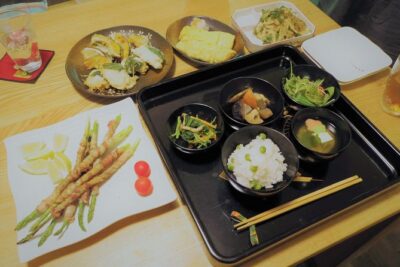
This class is designed so you eat immediately after cooking. You’ll savor your handmade udon served with freshly fried tempura—basically your finished product, while it’s still warm and the textures are where they should be.
This is one of those travel moments that’s hard to fake with photos. With udon and tempura, the difference between good and great is partly temperature and crunch. Eating right after frying means you don’t have to imagine it—you taste the correct outcome.
If you want to make the meal even more fun, you can order local Nara sake at an additional cost and toast your journey. That’s not required, but if you like small rituals at the end of an activity, it’s a nice option.
Also note what’s included: meals and all ingredients and cooking tools are covered. That’s real value. You’re not paying for the ingredients and then spending extra on basic supplies.
Price and Value: Is $53.33 Fair for a 90-Minute Class?
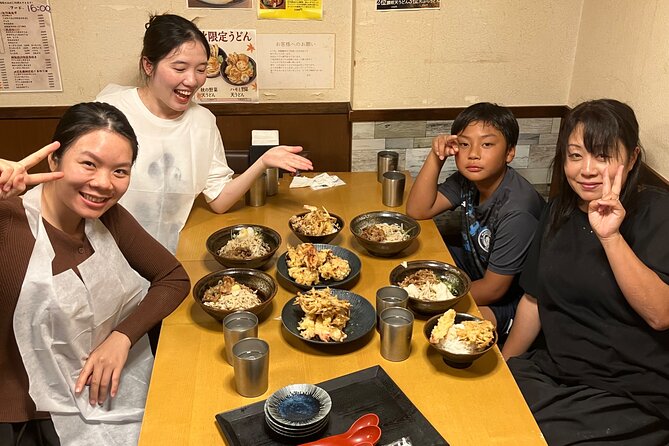
At $53.33 per person, this sits in a range that can feel either reasonable or steep depending on what’s included. The key here is that you get more than instruction. You get pickup, you get all ingredients and cooking tools, and you get an actual meal—udon plus tempura—made from your own work.
Most importantly, the price buys time with a teacher and a structured kitchen experience. With a small group (max 10), you don’t have to fight for attention. That matters because cooking classes often become “watching others cook” when the group is too large. Here, the format supports hands-on participation, which is where the value shows up.
Is it a long class? No, it’s about 1 hour 30 minutes. But for many travelers, that’s a sweet spot: enough time to learn and taste your results without consuming your entire day.
Who This Class Fits Best in Your Nara Plan
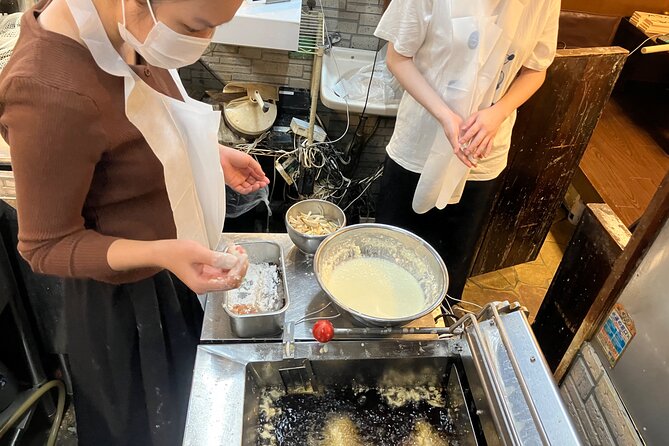
This is best for you if you like food that you can explain after the fact. You’ll know what you did—knead, roll, cut, fry—and you can taste why each step mattered. It also suits travelers who want something more active than temple sightseeing, but still rooted in local culture.
It’s also a strong choice if you prefer smaller group experiences with practical guidance. The max of 10 travelers keeps things from turning into a production line.
If you’re the type who hates getting your hands involved, you might find the class too physical. But if you’re curious and willing to follow directions closely, this is a very straightforward way to experience Nara food culture with real results on your plate.
Logistics in Plain Terms: Mobile Ticket and Getting Started
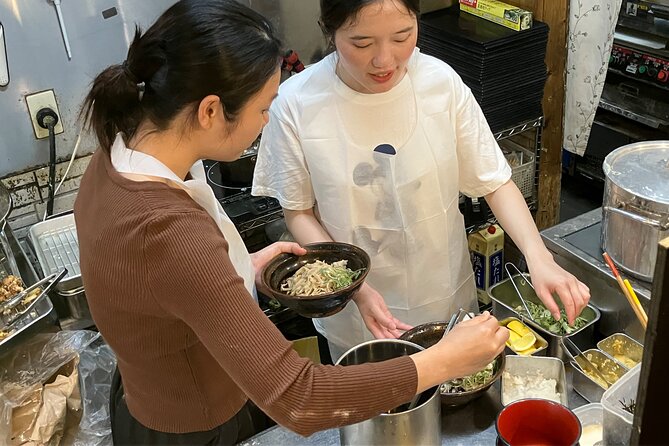
You’ll use a mobile ticket, and confirmation is received at the time of booking. Service animals are allowed, and the meeting area is described as near public transportation, which gives you backup options if you’re not using the pickup.
One more small but useful detail: because the class is hands-on, wear clothes you’re comfortable moving in. You’ll likely be working at a counter and handling dough. You don’t need fancy cooking attire—just something that won’t stress you if you get a little messy.
Tips to Get the Most From Your Udon and Tempura Session
A good cooking class doesn’t just happen to you—it rewards how you show up. Here are a few ways to get the most from the 1 hour 30 minutes:
- Arrive ready to start: be at the pickup point on time so you don’t lose your first steps.
- Ask questions mid-process: if you wait until the end, you’ll miss the chance to correct technique while it still matters.
- Focus on texture: udon dough and tempura batter both respond to feel and timing more than you’d think.
- Don’t treat it like a photo op: you’ll learn more if you prioritize doing the steps over filming every second.
- If you want sake, decide ahead: it’s an optional add-on, so if alcohol is part of your plan, you’ll enjoy the toast more smoothly.
Should You Book It? My Honest Recommendation
If you want a hands-on Nara experience where you leave with both skills and a plate of food you made yourself, I think you should book this class. The combination of udon noodle-making and tempura frying, plus pickup and an included meal, makes it feel like a full value package rather than just a short activity.
Skip it only if you know you don’t like cooking with your hands or you’re hoping for a long, slow workshop. The class is designed to move, learn, and eat within about 90 minutes. For most people, that’s exactly the point.
And if plans change, there’s free cancellation up to 24 hours in advance for a full refund, so you can book with less stress than you might expect.
FAQ
How long is the udon and tempura cooking class in Nara?
The experience lasts about 1 hour 30 minutes.
Is pickup included?
Yes. You can be picked up in an air-conditioned vehicle.
What’s included in the price?
All ingredients and cooking tools are included, along with the meal.
Is alcohol included?
No. Alcoholic beverages like sake or beer are not included, but local Nara sake can be purchased for an additional cost.
Where does the class start and end?
It starts at リハビリデイサービスアイリス632-2 Hōrenchō, Nara, 630-8113, Japan and ends back at the meeting point.
How many people are in the group?
The class has a maximum of 10 travelers.
Will I receive confirmation after booking?
Yes. Confirmation is received at the time of booking.
Is the tour suitable if I’m using public transportation or traveling with a service animal?
It’s described as near public transportation, and service animals are allowed.