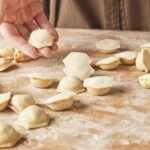
REVIEW · SIENA
Cesarine: Home Cooking Class & Meal with a Local in Siena
Book on Viator →Operated by Cesarine: Cooking Class · Bookable on Viator
Cooking in someone else’s home changes your whole day in Siena.
You’ll join a small-group morning or afternoon class where you make three Sienese dishes with a local host, from pasta dough to dessert. Then you sit down together and eat what you just learned, often with a glass of local wine.
I especially like the hands-on approach and the fact that you’re learning local technique, not just following steps like a worksheet. One thing to keep in mind: the class may happen a bit outside the historic center, so plan for a short ride or ask about pickup.
In This Review
- Key things to know before you go
- A small-group class in a real Siena home
- What you’ll cook: Sienese dishes you can repeat at home
- Pasta skills you’ll actually use
- Dessert that feels less mysterious than it looks
- Starter-to-table timing: how the 3 hours usually flow
- The wine and meal part: why you come back for a second course
- Siena center vs. countryside kitchens: transport and meeting reality
- Learning with named hosts: the teaching style you want
- Diet needs and comfort in the home kitchen
- Price and value: what $203.61 buys you
- Who this is best for (and who should pick something else)
- Should you book Cesarine: Home Cooking Class & Meal in Siena?
- FAQ
- How long is the cooking class?
- Is the class offered in English?
- How many people are in the group?
- What dishes will I make?
- Will utensils and ingredients be provided?
- Does the class include wine?
- Where do I meet, and where does it end?
- Is it always in the center of Siena?
- What if I have gluten or nut allergies?
Key things to know before you go
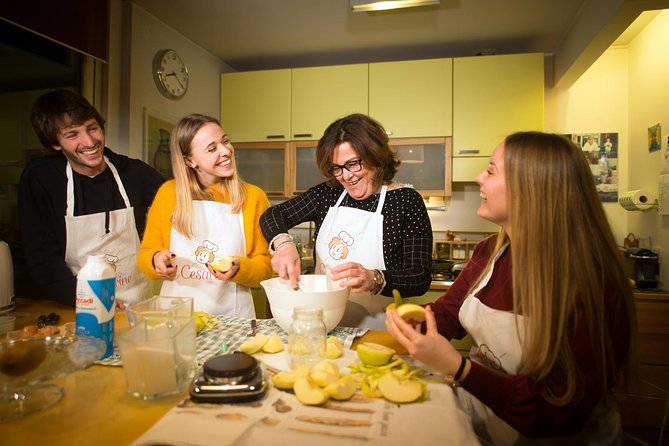
- Small group (up to 10): You get real attention while you’re working, not just standing around.
- Three Sienese dishes: Your hands stay busy the whole time, from starter to dessert.
- Utensils and ingredients included: You don’t need to bring tools or worry about what to buy.
- Eat what you cook: This is both the lesson and the meal, served family-style in a home setting.
- English is available: You can follow along without guessing what’s happening in the kitchen.
- Sanitary care is part of the setup: The homes provide basics like hand sanitizer and paper towels, plus guidance about distance.
A small-group class in a real Siena home
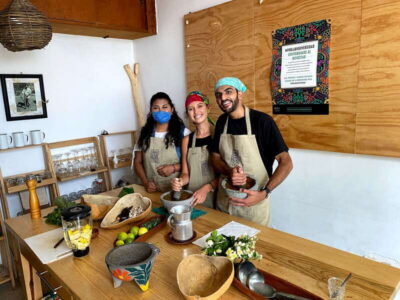
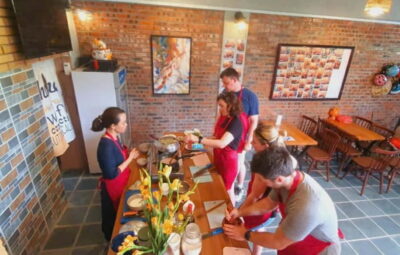
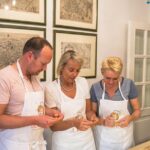
Cesarine’s cooking class is the kind of experience that feels simple on paper, but special in practice. You’re not at a busy cooking school with a line of identical aprons. You’re in a real Tuscan household, working at a real kitchen pace, with a host who knows how to teach without making you feel rushed.
The class usually runs about three hours, and you can pick a morning or afternoon slot. That matters because Siena days can fill up fast. With a set time window, you can plan the rest of your sightseeing without guessing when dinner will actually happen.
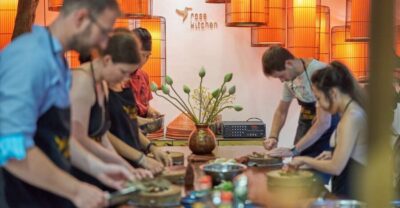
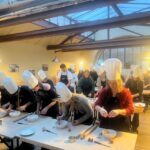
The group size is capped at 10, which is a big deal for comfort and learning. When you’re shaping pasta or figuring out dough texture, it helps to have space and a clear view of what your host is doing. It also makes the meal afterward more fun, since you end up talking with people instead of just clinking glasses with strangers.
You can also read our reviews of more tours and experiences in Siena.

What you’ll cook: Sienese dishes you can repeat at home
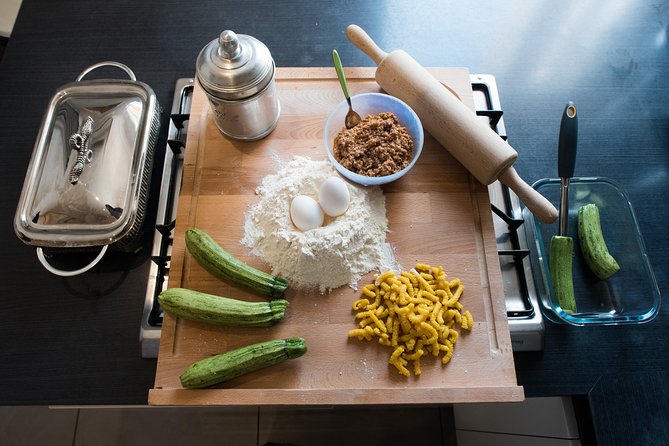
The menu is designed around three courses, with choices that keep the session focused but not cookie-cutter. You’ll typically make:
- Starter (seasonal starter)
- Main (regional pasta such as pappardelle, pici, or gnudi)
- Dessert (options like rice pudding, castagnaccio, cantucci, tiramisu, or similar)
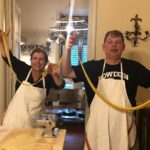
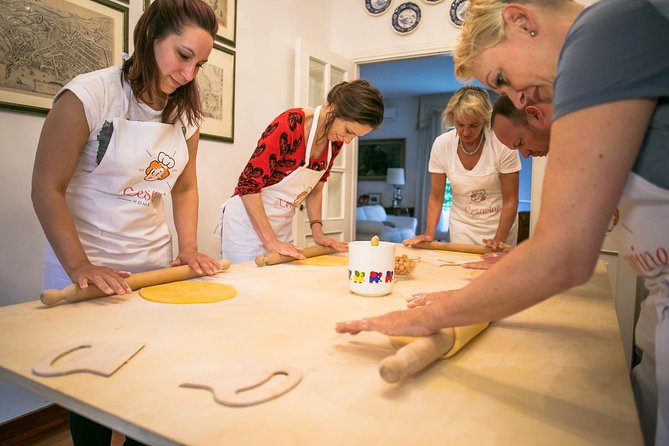
In real-life classes, the exact pasta can vary. I saw examples where hosts taught pasta from scratch like tagliatelle and spinach-stuffed ravioli, plus tiramisú. Other classes included pici and antipasti, and some hosts shared multiple pasta variations during the same session.
That flexibility is useful. It means you’re not stuck hoping for one exact dish. Instead, you can expect classic Sienese technique: dough made with intention, fillings balanced to taste, and desserts that rely on pantry-friendly ingredients rather than fancy shortcuts.
Pasta skills you’ll actually use
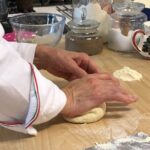
This is the part that turns a fun activity into something you’ll remember cooking again. You’re guided step by step, and the instruction tends to work for beginners and teens, as long as you’re willing to get your hands a little messy.
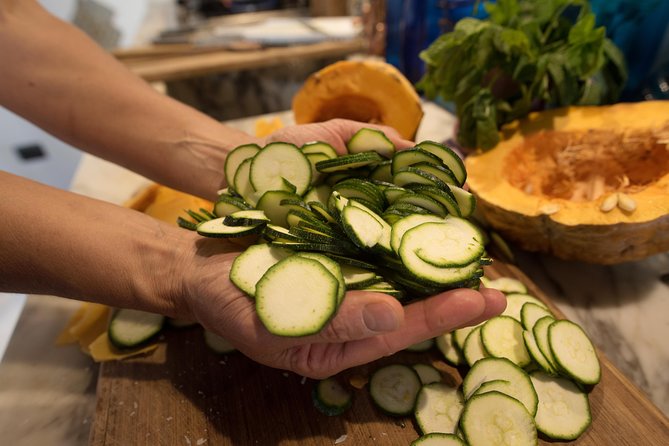
A detail I love: several hosts bring garden or recently harvested ingredients into the kitchen. One host described tomatoes used for sauce as coming from garden sources, and another shared sage from her garden for a butter-and-cheese sauce. Even if you can’t replicate the exact herb conditions at home, you’ll understand how those flavors behave and why the sauce tastes the way it does.
Dessert that feels less mysterious than it looks
Dessert options can change, but the method stays approachable. I’ve seen classes end with tiramisú, and others mention cantucci or castagnaccio-style sweets. The result is that you go from tasting to understanding, instead of leaving with only a recipe card you might never trust.
Starter-to-table timing: how the 3 hours usually flow
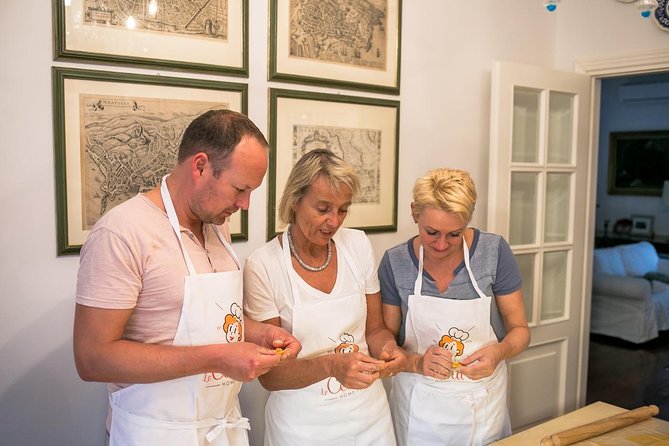
Even when dishes differ, the rhythm is usually the same. Here’s what you can expect, in plain terms.
First, you’ll be welcomed into the kitchen and shown the workspace and tools. Then you’ll start on the starter. This early course helps everyone warm up: you learn how your host explains flavors and timing, and you get comfortable with the pace before pasta gets more hands-on.
Next comes the main event: pasta preparation. Whether it’s pappardelle, pici, gnudi, or filled ravioli, the goal is the same. You work with the dough, shape it, and understand when it’s ready. Hosts also guide sauce choices so the pasta doesn’t become a separate project. It’s all connected: dough texture plus sauce style.
Finally, dessert. This is where the session shifts from work mode to payoff mode. You’ll see how hosts build sweetness and structure with simple ingredients, then you’ll plate up and take your seat.
At the end, you eat together. One of the best parts is that the meal is not an afterthought. It’s the reason the class works. You’ll be tasting with context, knowing exactly what you did to create that flavor.
The wine and meal part: why you come back for a second course
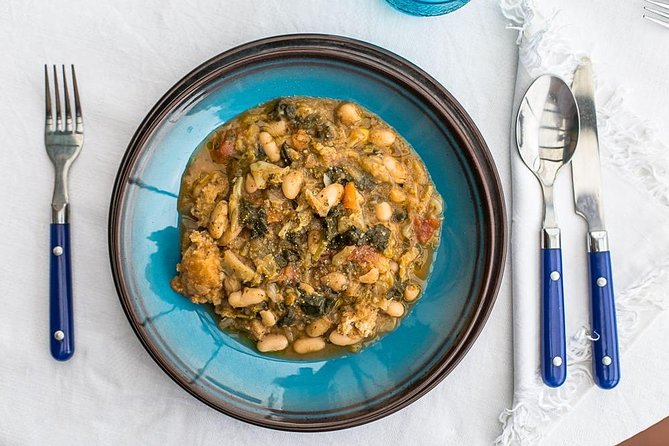
Food lessons are nice. Shared meals are what make this class memorable.
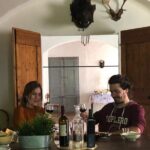
Along with your meal, you’ll have a glass of local wine. Some classes also include more local touches, like vin santo served with dessert. That combination matters: it turns what could have been a quick, instructional snack into a full Tuscan-style lunch.
What you’re really tasting is confidence. When you make pasta from scratch, you learn how the dough behaves and how sauce clings differently. Then when you sit down and taste it, everything makes sense in a way that a restaurant meal never teaches.
A few details that show up in these experiences: hosts have served homemade bread, and in some cases offered more than one kind of pecorino cheese. You might also get to try homemade olive oil, described as freshly pressed only a couple days earlier. The point isn’t that you’ll repeat every ingredient at home; it’s that your taste memory becomes sharper, so you’ll cook better later.
Siena center vs. countryside kitchens: transport and meeting reality
The meeting point is in Siena, and the activity ends back there. That sounds straightforward. The detail that changes your planning is that the class location might be outside the historic center.
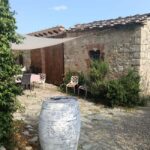
In one example, the home was about a 30-minute car ride from Siena proper. The host’s husband offered to pick up and drop off participants, which made the distance feel effortless. In another class, a tip came up that having a car or using group transport helps because the home may not be walkable from the center.
So here’s my practical advice: before you go, confirm the exact address and how you’ll get there from your Siena base. If you’re staying in the center and don’t want to coordinate taxis, ask whether pickup or a ride arrangement is possible. If you like the idea of countryside views while you’re traveling, that outside-center location can actually be part of the charm.
Also note the class is near public transportation. That’s helpful, but it doesn’t remove the possibility of a short ride from where you’re dropped.
Learning with named hosts: the teaching style you want
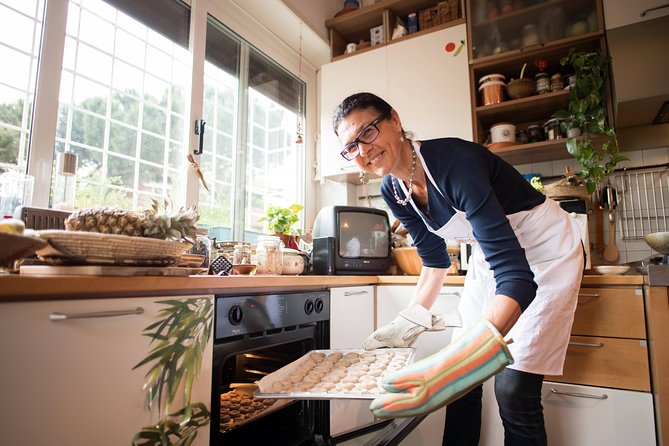
One reason these classes earn such high praise is the human part. You’re guided by the host in their own home, not by a scripted routine.
I saw names like Genny, Ilaria, Enza, Patrizia, and Barbara connected to different classes. Even when the menu changes, the teaching style shows up as patient, friendly, and practical. Several accounts mentioned step-by-step help when needed, and a feeling of being treated like family rather than like a paying customer in a demo kitchen.
Language can be a factor, so it helps that English is offered. Some sessions also included translators, like Antonina, which made it easier to follow along and ask questions.
If you have teens, beginners, or both in your group, this kind of small-room teaching tends to work well. The pace can feel approachable because there’s time to correct and guide as you work.
Diet needs and comfort in the home kitchen
Food allergies deserve real attention, not vague reassurance.
One class example specifically mentions accommodation for both gluten and nut allergies, with the host ensuring everyone could eat what was prepared. That’s a strong sign that dietary needs can be handled, but it still means you should share details when you book. Don’t assume all substitutions will be identical across hosts.
Also, because you’re in a home, comfort depends on the household’s setup. The experiences note that hosts are careful with sanitary rules, including distance guidance. Homes provide essentials like hand sanitizer and paper towels.
If you’re cautious about close contact, you’ll likely appreciate the clear focus on distance and the availability of sanitary supplies.
Price and value: what $203.61 buys you
At about $203.61 per person for roughly three hours, this doesn’t compete with the cheapest tours. But it’s also not a generic “watch someone cook” class.
You’re paying for:
- Hands-on instruction in a real home
- Ingredients and utensils included
- Three courses you eat during the session
- Local wine during the meal
- A small group setting that makes teaching practical
When you think about it this way, the value becomes clearer. A restaurant meal gets you taste. This class gets you technique plus taste, and you leave with the ability to cook at least part of what you learned.
The best value comes if you’re planning to cook again later. If pasta making sounds fun, or if you want a dessert you can recreate, this is a very direct way to turn money into skills.
Who this is best for (and who should pick something else)
This experience is ideal if you like food, hands-on learning, and meeting people through shared work.
It’s especially good for:
- Families with teens who want something active but not overly technical
- Absolute beginners who learn best by doing, not reading
- Couples who want a memorable “one day” experience outside standard sightseeing
- People who care about local flavors and want to understand how they’re made
It might not be ideal if:
- You hate the idea of driving or using taxi transport to reach an outside-center home
- You want a very structured, high-speed class with lots of seating and minimal movement
- You’re only interested in eating, not cooking (this is hands-on first)
Should you book Cesarine: Home Cooking Class & Meal in Siena?
I’d book it if you want a class that feels like dinner at a friend’s house, with real teaching in between.
My biggest reasons to choose it:
- Small group size means you learn instead of just observing.
- You make three dishes and then eat them, so the lesson lands.
- Hosts bring real local ingredients and technique, not just generic Italian cooking.
- It fits a Siena schedule because it’s a clear three-hour block.
If you’re staying right in Siena’s center, do one quick check first: where exactly is the home, and how will you get there. If there’s pickup help, or if you’re comfortable arranging transport, you’re set.
If you want the best chance of a smooth day, write down any dietary needs and bring your curiosity. Then show up hungry and ready to get your hands into the dough. That part is the whole point.
FAQ
How long is the cooking class?
The experience lasts about 3 hours.
Is the class offered in English?
Yes, it is offered in English.
How many people are in the group?
The class has a maximum of 10 travelers.
What dishes will I make?
You’ll prepare three Sienese dishes: a seasonal starter, a regional pasta main (such as pappardelle, pici, or gnudi), and a dessert (options can include rice pudding, castagnaccio, cantucci, tiramisu, or similar).
Will utensils and ingredients be provided?
Yes, utensils and all ingredients are included.
Does the class include wine?
You’ll enjoy the meal with a glass of local wine.
Where do I meet, and where does it end?
You start in Siena and the activity ends back at the meeting point.
Is it always in the center of Siena?
Not necessarily. Some classes may be a short ride outside the center, so you may want to plan for transport.
What if I have gluten or nut allergies?
One class experience notes that gluten and nut allergies were accommodated. Still, share dietary details when booking so the host can plan accordingly.
If you want, tell me your travel dates and where you’re staying in Siena, and I’ll help you think through the transport and timing for the day you’d book.