REVIEW · KYOTO
Kyoto: Ramen Bowl Painting and Michelin Cooking Class
Book on GetYourGuide →Operated by Musoshin Fit inc. · Bookable on GetYourGuide
Ramen pottery in Kyoto hits differently. At Musoshin Ramen Academy, you paint a custom ceramic ramen piece and then build and eat a Michelin-nominated bowl of ramen.
I love that the flavor comes from serious technique, not shortcuts: noodles are made daily, rested overnight, and the broth cooks for 12 hours.
One thing to consider: this is more assembly and cooking-at-the-station than a full from-scratch lesson of every sauce component, since key ingredients are already prepared for you.
In This Review
- Key takeaways before you go
- Kyoto’s Ramen Academy: Cooking Next to the Real Restaurant
- The 60–90 Minute Flow: Paint First, Then Slurp
- Musoshin’s Ramen System: Why the Broth Tastes Like a Plan
- Your Souvenir Timeline: Same-Day Ceramic or Next-Day Kiln-Fired
- Diets Don’t Get Hand-Waved Here: Gluten-Free, Vegan, Vegetarian
- Family-Friendly Without Being Babyish
- Price and Value: How $64 Lines Up With What You Actually Get
- When This Class Might Not Match Your Expectations
- Should You Book This Kyoto Ramen Bowl Painting and Michelin Class?
- FAQ
- How long is the Kyoto ramen bowl painting and cooking class?
- What’s included in the $64 per person price?
- Can I take my painted ceramic item home the same day?
- If I want kiln firing, how does that work?
- Are there gluten-free, vegetarian, and vegan ramen options?
- What languages do the instructors speak?
- Is shipping to my next hotel included?
Key takeaways before you go
- You get a real souvenir: paint a ceramic bowl (or spoon) that can be taken home the same day
- Free kiln firing is included if you want it ready for future meals
- Michelin-nominated Musoshin ramen is the payoff, with noodles and soup made in-house
- Small groups keep it social and easy for kids and adults to participate
- Dietary options are built in: gluten-free, vegetarian, and vegan ramen choices are available
- Hosts make it personal, with lots of photo moments during the cooking and plating
Kyoto’s Ramen Academy: Cooking Next to the Real Restaurant
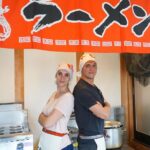
This class is run through Musoshin Ramen Academy, tied to the Musoshin ramen world that started in Kyoto in 2022 and has grown to multiple restaurants in Kyoto and Toronto. The big practical win for you is that this workshop isn’t some demo kitchen miles away from where the ramen actually gets served. The workshop is described as the only ramen workshop in Kyoto that also has an actual ramen restaurant, so the whole experience stays grounded in how ramen is really made and eaten.
You’ll see the restaurant approach in the way they run the flow: ingredients are brought in from Musoshin’s Gion location, and the academy is set up for you to actively participate without slowing down the kitchen rhythm. That matters because ramen is timing-sensitive. If the class tried to make everything from scratch during your visit, you’d be standing around waiting while a broth brewed. Instead, they focus your time where you’ll feel it most: painting, assembling, cooking what needs quick heat, and then eating a bowl that matches the restaurant standard.
Another reason I like this setup is the credibility. Musoshin in Toronto has been nominated for Michelin for three consecutive years, and the recipe is shared across locations. So when you’re eating your bowl in Kyoto, you’re not just getting a “fun activity lunch.” You’re tasting the system behind it.
You can also read our reviews of more tours and experiences in Kyoto.
The 60–90 Minute Flow: Paint First, Then Slurp
Plan on about 1 to 1.5 hours total. The schedule is intentionally short because the class is built around two things: a calm creative window and a high-focus food window.
Here’s what that looks like in real terms:
1) You paint your ramen piece.
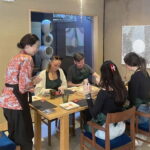
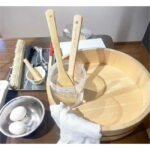
You’ll choose a ceramic ramen bowl or spoon option (both are treated as part of the included souvenir experience). You get a bandana and an apron, and then you design something you can actually use later as décor. If you want a lower-stress trip, the spoon option has an extra advantage: it can be easier to pack than a full bowl, and kids often love having something they can hold and show off.
2) You assemble your ramen at the station.
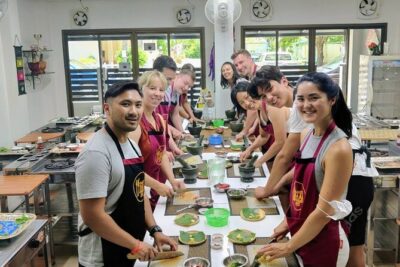
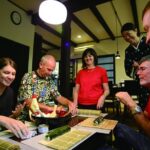
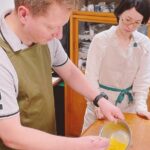
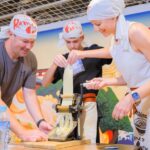
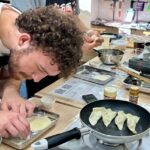
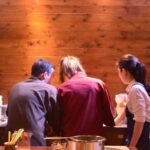
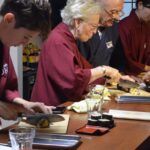
Once your artwork is underway or wrapped up, the class shifts into cooking mode. The hosts bring the ingredients for you to work with, and they guide you through assembling your bowl. Even when the heavy lifting is done in advance (like broth and noodles), you’ll still have hands-on steps—mixing, arranging, and plating with purpose. Multiple people in the experience describe the setup as interactive and photo-friendly, with hosts helping you through each step at a comfortable pace.
3) You eat what you made.
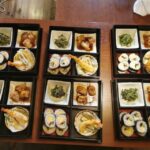
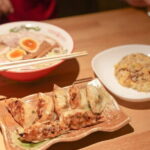
This is the payoff. The class is built around the moment you lift your chopsticks and realize the difference between “pretty plating” and restaurant-grade ramen. A common theme in the feedback is that the ramen tastes excellent—often described as the best they had on their Japan trip—so the painting isn’t just a gimmick. It’s a lead-in to a real meal.
A small practical note: since the broth and core ingredients are handled ahead of time, the cooking portion won’t feel like a whole evening of real-world ramen prep. If your goal is to learn every sauce technique from scratch, you’ll want to keep your expectations aligned with “guided assembly plus expert ingredient handling.”
Musoshin’s Ramen System: Why the Broth Tastes Like a Plan
When a class claims “Michelin” or “Michelin-nominated,” it’s usually just marketing. Here, you can see why it’s credible from how they talk about the process—and from what you end up tasting.
Key technique points you can actually connect to flavor:
- Noodles made every morning, then rested overnight. That timing helps the texture hold up once it hits hot broth.
- Soup cooks for 12 hours. That long simmer is what gives you depth rather than just salt-and-fat intensity.
- Handmade components: the ramen soy sauce and roast pork are made by hand.
They also insist that ingredients are made in-house rather than sourced and mixed. For you, that means the bowl you assemble isn’t a “shortcut bowl.” It’s built around a consistent base that shows up in every sip.
And there’s a psychology to the way they teach. You’re not just watching the chef. You’re arranging toppings and assembling your bowl, so the “I built this” feeling makes the flavors more memorable. Several people note that the taste seems even deeper when they personalize the bowl rather than eating a pre-built menu item.
Your Souvenir Timeline: Same-Day Ceramic or Next-Day Kiln-Fired
This is one of the most practical parts of the experience, because it solves a common travel problem: souvenirs that look good at the workshop but don’t survive luggage life.
You have two ceramic options:
Take it home the same day (decoration).
The ceramic you paint can be taken home for decoration on the day it’s created.
Or choose free kiln firing (for meals).
You can also have your custom-designed bowl baked in a kiln for free. If you choose that route, the fired piece is ready to pick up after the next day. The key is that kiln firing is included, not an add-on. And the intent is clear: it’s not just a decoration token—it’s meant to be functional later.
If you’re thinking about packing, I’d make your choice based on your schedule:
- If you’re leaving Kyoto soon or you’re tight on time, take the ceramic home same day.
- If you can spare the next day for pickup, kiln firing gives you a more useful keepsake.
One more logistics detail worth knowing: shipping to your next hotel isn’t included. If you request delivery, shipping costs apply.
Diets Don’t Get Hand-Waved Here: Gluten-Free, Vegan, Vegetarian
Ramen can be tricky for dietary needs, and it’s frustrating when “we have options” really means “we removed one ingredient.” Here, the class specifically states that gluten-free, vegetarian, and vegan ramen options are available.
For your planning, that means you can book without starting from scratch to find substitutions on the spot. Still, I’d recommend you mention your needs when you reserve. Small-group classes run best when everyone’s plan matches what’s already prepared for the stations.
Also, the family-friendly angle matters here: children don’t always eat what adults choose, and having multiple ramen styles makes it easier to keep the meal positive for everyone at the table.

Family-Friendly Without Being Babyish
This class is described as family friendly, and the feedback patterns back that up. It works because they give kids real roles: painting, assembling, and then eating something they helped create. The hosts are also described as attentive—helping with photos, guiding kids through steps, and making sure everyone participates.
If you’re traveling with different ages, here’s how I’d think about it:
- Younger kids usually connect with the painting and the tactile “making” steps.
- Older kids and teens often enjoy the food side and the explanation of ingredients and process.
- Adults tend to like the technique talk: noodles, broth timing, handmade soy sauce, and roast pork.
One detail I found encouraging: people describe the workshop environment as clean and well set up, and they mention Japanese décor (including samurai swords) adding to the fun without turning it into a theme park. That helps kids feel excited while adults keep their heads around what they’re learning.
Price and Value: How $64 Lines Up With What You Actually Get
At $64 per person for 1 to 1.5 hours, the price looks simple on paper. The real value is in the bundle you’re getting:
You’re paying for:
- A Michelin-nominated Musoshin ramen meal
- A ceramic souvenir (bowl or spoon option)
- A bandana and apron as part of the workshop kit
- Free kiln firing if you choose it
- A structured, guided food experience with small-group pacing
So you’re not just buying dinner. You’re buying a meal with restaurant-level ingredients plus a keepsake that you can actually use later. In Kyoto, where many food-focused activities either (a) give you a small taste or (b) focus on a demo with no real meal, this class hits both: creative souvenir + substantial eating.
Is it worth it if your only goal is ramen? Honestly, it can be, because the broth and noodle system are central to the experience and you get to eat what matches the Musoshin restaurant standard. Is it worth it if you only want an art activity? Also yes, because the ramen is built into the schedule and doesn’t feel like an afterthought.
When This Class Might Not Match Your Expectations
Here’s the balanced part: not everyone wants an “assembly station” style class.
A few people describe the experience as more of ramen construction than a full cooking course. That makes sense given the broth is cooked for 12 hours and key components are already prepared and brought in. You might not make the sauces from scratch during the class. You may do quicker tasks like assembling toppings, and cooking steps that can happen fast without disrupting the bowl’s timing.
So if your dream is learning every step of ramen production end-to-end—homemade sauces, long fermentation, and full scratch cooking—this may feel a bit short. But if your goal is to understand how restaurant ramen is built, taste the results, and take home something meaningful, it’s a strong match.
Should You Book This Kyoto Ramen Bowl Painting and Michelin Class?
If you’re on the fence, here’s my practical take:
Book it if:
- You want a hands-on Kyoto food experience with a real meal at the end
- You’d enjoy a souvenir you’ll actually keep (and optionally use) thanks to free kiln firing
- You’re traveling with kids and want something they can do while still eating well
- You have gluten-free, vegetarian, or vegan needs and want them handled by the program
Skip or choose something else if:
- You expect a full from-scratch cooking class where you make every element from zero
- You have no time buffer for next-day pickup (if you want kiln firing)
One last tip: go in with at least a rough idea for your design. You’ll have painting time, but you don’t want to spend it staring at a blank ceramic. If you can, choose bowl vs spoon based on how much space you want to protect in your luggage.
If you do book, treat the class as both art time and dinner time. That’s the whole deal—and it’s exactly why people walk away saying the meal is as memorable as the souvenir.
FAQ
How long is the Kyoto ramen bowl painting and cooking class?
The class runs about 1 hour to 90 minutes, depending on the session time you book.
What’s included in the $64 per person price?
You’ll get Michelin-nominated Musoshin ramen, plus the Musoshin ramen bowl and spoon options, a bandana, and free kiln baking for your designed ceramic.
Can I take my painted ceramic item home the same day?
Yes. The ceramic you paint can be taken home the same day for decoration.
If I want kiln firing, how does that work?
Kiln firing is included at no additional charge. The fired ceramic is ready to pick up after the next day.
Are there gluten-free, vegetarian, and vegan ramen options?
Yes. Gluten-free, vegetarian, and vegan ramen options are available.
What languages do the instructors speak?
The instructor works in English and Japanese.
Is shipping to my next hotel included?
Shipping isn’t included. If you request delivery to a next hotel, there is a shipping cost.