REVIEW · VARENNA
Varenna: Pasta & Tiramisu Cooking Class at a Local’s Home
Book on GetYourGuide →Operated by Cesarine · Bookable on GetYourGuide
Lake Como deserves more than photos.
In Varenna, this Cesarine home class turns your afternoon into real cucina italiana: you roll sfoglia by hand, make two types of pasta from scratch, then finish with the iconic tiramisu. I especially like that it is small-group (up to 6) and taught by an English-speaking Italian home cook, so you actually understand what you are doing, not just watch and snack. One drawback to plan for: the class happens in someone’s home in Varenna or nearby Bellano, and the access can mean car timing and some uphill navigation.
You start with an Italian aperitivo, then move into dough, shaping, and assembly at the same pace as the people around you. It is ideal if you want a hands-on food skill you can repeat later, and if you enjoy talking with other “same-food-nerd” guests over prosecco and coffee. The big bonus is that many hosts welcome you with a home-cooked, Lake Como view vibe, but it’s also not a place for wheelchair access.
In This Review
- Key moments worth pencashing your time for
- Why a Varenna home pasta class feels different
- Cesarine: cooking in an Italian’s real home kitchen
- The 3-hour flow: aperitivo, sfoglia, two pastas, tiramisu
- Warm-up aperitivo before you cook
- Rolling sfoglia by hand
- Making two iconic pasta types
- Finishing with tiramisu
- Tasting what you made
- Aperitivo, prosecco, and nibbles: the social start that helps you learn
- Rolling sfoglia by hand: the skill that changes how you see pasta
- Two pasta types from scratch: what you will actually learn
- Tiramisu-making: the classic dessert, taught as a real build
- Eating together: tasting, coffee, and that post-cook calm
- Location in Varenna or Bellano: planning for a home you reach by road
- Price and value: what $152.93 buys you (and why it adds up)
- Who should book this cooking class in Lake Como
- Should you book this Pasta & Tiramisu class in Varenna?
- FAQ
- How long is the pasta and tiramisu cooking class?
- What is included in the experience price?
- Is the meeting point in Varenna or Bellano?
- How many people are in the group?
- Is the instructor available in English?
- Is this cooking class wheelchair accessible?
- Is there free cancellation?
Key moments worth pencashing your time for
- Aperitivo warm-up: prosecco and nibbles set the tone before you touch dough
- Fresh pasta by hand: rolling and handling sfoglia the traditional way
- Two pasta builds: you learn a pair of iconic pasta recipes from scratch
- Tiramisu technique: you make the classic dessert, not a simplified version
- Small group energy: max 6 people means more attention and quicker questions
- Home-and-view atmosphere: some kitchens pair lessons with garden/Lake Como scenery
Why a Varenna home pasta class feels different
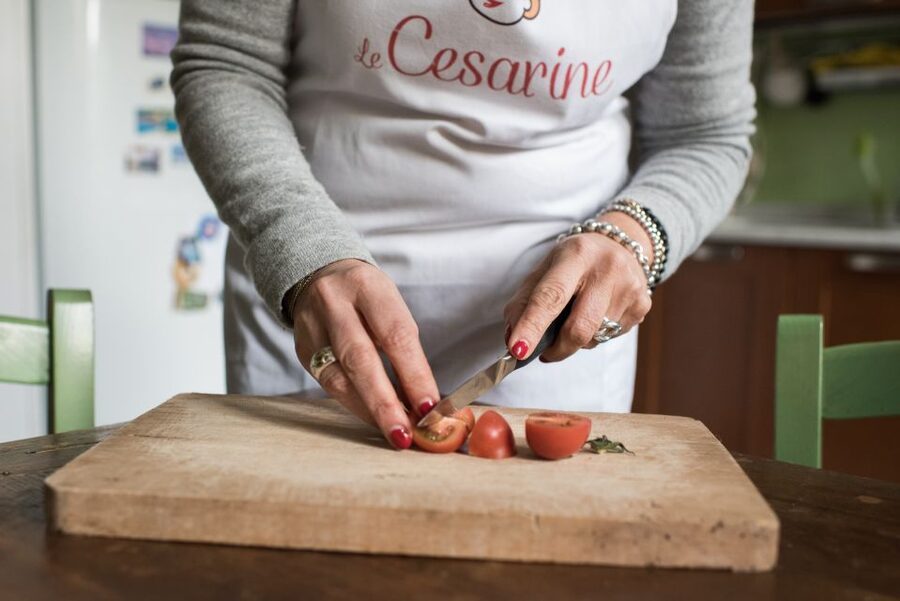
A cooking class in Italy can be either a food show or a food lesson. This one leans hard toward lesson mode, because you are working at a real home kitchen table for three hours, not following a scripted demo. You get hands-on time with the dough, then you taste what you made at the end.
I like that the class is built around the core Italian comfort-food skill: fresh pasta and classic dessert. Once you understand how to make and handle sfoglia, the rest starts to make sense. And when you build tiramisu yourself, you understand why the layers and timing matter.
The format also does something subtle: it slows travel down. Instead of racing from site to site, you settle into a local rhythm—aperitivo first, work second, then sit down and eat. That is a big part of why this experience is memorable in a good, practical way.
You can also read our reviews of more tours and experiences in Varenna.
Cesarine: cooking in an Italian’s real home kitchen
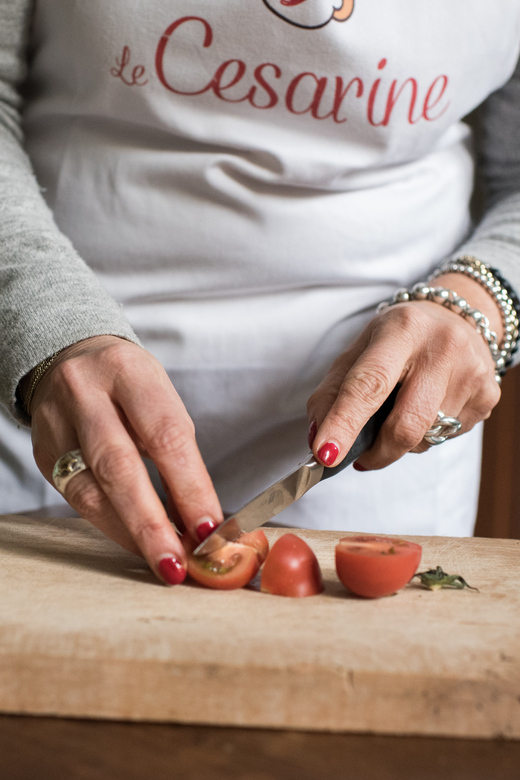
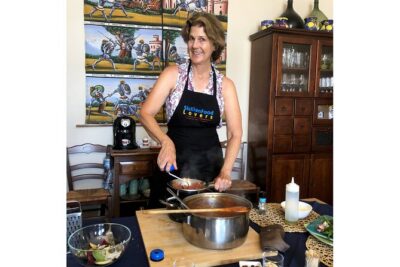
This experience is run through Cesarine, an established network of home cooks across Italy. The idea is simple: your instructor is not a studio chef with a branded script. It is a passionate host who opens their own kitchen and shares local specialties from their family cookbooks.
In practice, that matters for two reasons.
First, you learn the way Italians actually work at home: shortcuts get explained, but technique comes first. Second, you get conversational context—how ingredients are used, what matters in texture, and how locals think about timing and consistency.
Hosts you might meet through this kind of class include Patrizia and Luca (often praised for hospitality and patient teaching), plus other English-speaking home cooks like Monica or Antonietta. Every host brings their personality, but the structure stays focused on learning.
The 3-hour flow: aperitivo, sfoglia, two pastas, tiramisu
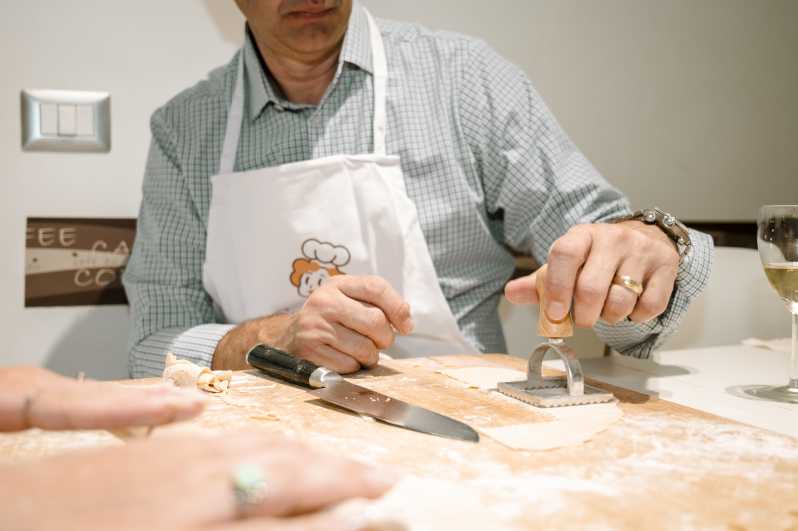
The schedule is straightforward, which I like. You will spend your time doing four main things: warm up, make pasta dough, shape/cook two pastas, then make and finish tiramisu.
Here is what the lesson experience feels like in real terms:
Warm-up aperitivo before you cook
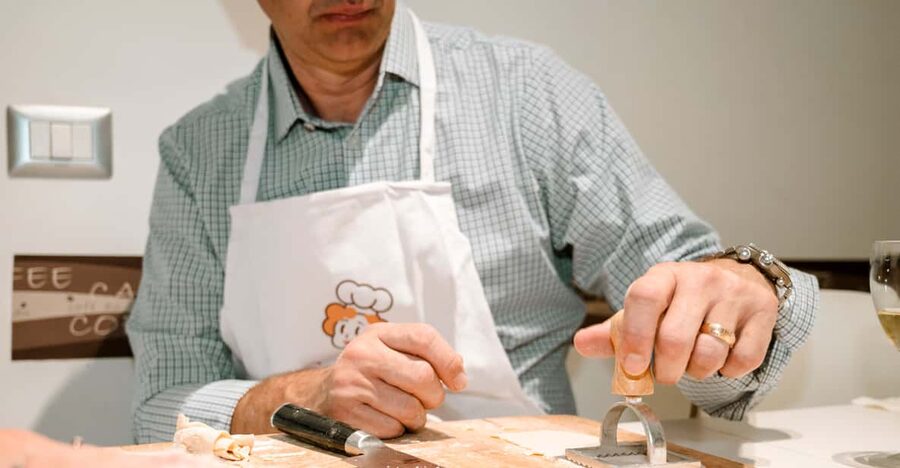
You start with an Italian aperitivo: prosecco and nibbles. This is not just a drink ticket. It gets you talking, helps everyone relax, and usually sets you up with a casual start while the kitchen gets ready for flour and eggs.
Rolling sfoglia by hand
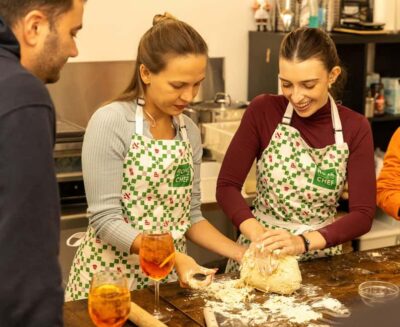
Next comes the key skill: learning to roll fresh pasta dough by hand. You will work with the dough itself—pressing, rolling, and learning what “right” feels like when it is smooth and elastic.
This is where many people realize fresh pasta is not magic. It is technique and feel: dough hydration, thickness, and patience.
Making two iconic pasta types
After sfoglia, you make two different pasta recipes from scratch. Based on examples from this class experience, you may work with shapes like tortelloni filled with ricotta or tagliatelle (and in some versions, other classics like ravioli show up). The key is that you learn both the dough and the shaping logic.
Finishing with tiramisu
Then you turn to the dessert everyone wants to get right. You make tiramisu and taste what you created. The practical win here is understanding the assembly steps and the timing cues that keep it from becoming soggy.
Tasting what you made
You do not just cook and leave. You taste the two pasta recipes and the tiramisu, so you can connect your process to the result. That feedback loop is what makes the class worth it.
Aperitivo, prosecco, and nibbles: the social start that helps you learn
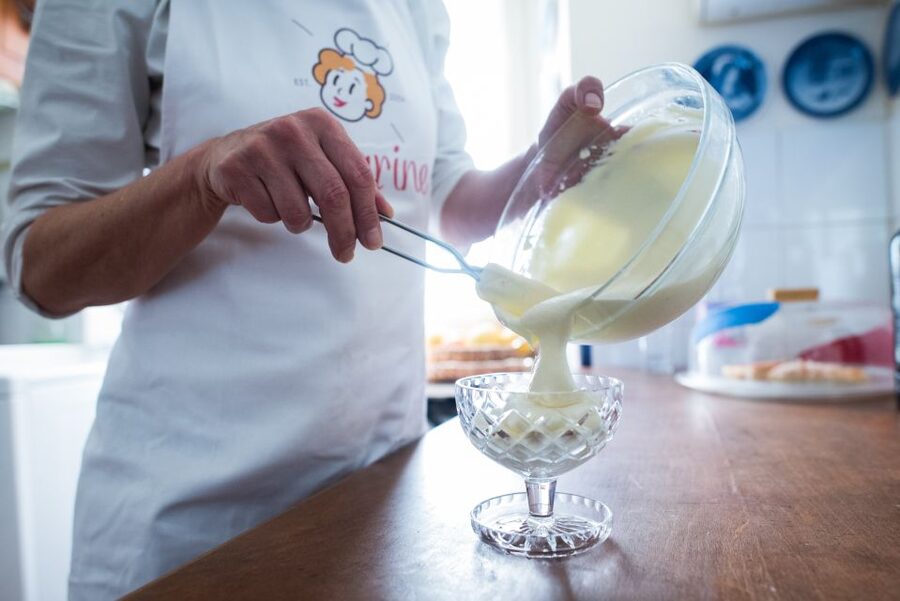
If you have cooked before, you know that learning is easier when you feel comfortable. Starting with aperitivo helps you get there fast.
You will have beverages included—water, wines, and coffee—plus the aperitivo of prosecco and nibbles. I like this arrangement because it keeps the energy warm without turning the class into a party. You can focus on your hands and your questions.
And since the group is small (up to 6), the first 20 to 30 minutes often set up the whole experience. People trade cooking questions, you ask about ingredient choices, and the host can tailor explanations. One reason this class gets such high marks is the relaxed hospitality—hosts make you feel at home in their actual kitchen space.
Rolling sfoglia by hand: the skill that changes how you see pasta
Rolling fresh pasta dough is the heart of the lesson. Even if you have tried dried pasta before, sfoglia teaches you what fresh pasta is: tender, springy, and built for sauces—not drowned by them.
This part is also the most transferable. If you can roll dough to the right thickness and keep it from tearing or sticking, you can apply that to multiple shapes. You are building a foundation, not memorizing one recipe.
Pay attention to three things as you roll:
- Thickness: too thick feels heavy; too thin can be fragile
- Texture: the dough should move smoothly and recover when pressed
- Timing: working efficiently matters because dough can dry out
Hosts often explain these with plain talk and patient coaching. Many classes include extra comfort touches—some hosts have offered warm slippers in the home, for example—because cold hands and rushed feet make learning harder.
Two pasta types from scratch: what you will actually learn
The biggest practical value of this class is that it teaches you process: dough to sheet, sheet to shape, and shape to finished bite. You learn two iconic pasta recipes, and you taste both at the end.
Based on common versions of this class experience, you may work on combinations like:
- Tortelloni with ricotta stuffing
- Tagliatelle (and sometimes other classics like ravioli)
Even when the specific pasta pair changes by host and kitchen flow, the underlying skill set is the same:
1) prepare/roll sfoglia
2) portion and shape consistently
3) manage cooking so pasta stays tender but not mushy
4) understand how the filling or cut affects texture
This matters for value because you are not paying just for ingredients. You are paying for the coaching that helps you repeat the result later—especially the parts that usually frustrate people at home (thickness, sticking, and getting shapes consistent).
Tiramisu-making: the classic dessert, taught as a real build
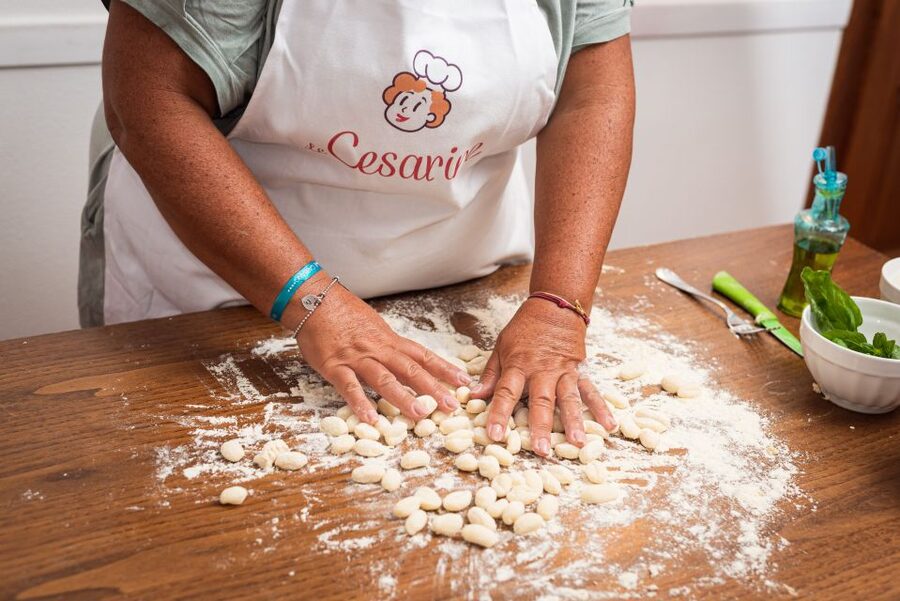
Tiramisu can be simple on paper, but it is easy to mess up. This class gives you hands-on experience so you understand what to do and why.
You make the iconic tiramisu and taste it as part of the class meal. The teaching focus tends to land on practical points:
- how to build layers without over-soaking
- how to work with creamy components so they hold texture
- how assembly timing affects the final bite
I also like that tiramisu is served as a finale, not an afterthought. When you cook pasta, then shift to dessert, it feels like a full Italian meal rather than a one-theme workshop.
Eating together: tasting, coffee, and that post-cook calm
After cooking, you sit down and eat what you made. That shared meal is not just included—it is the point.
Included beverages round out the table: water, wines, and coffee. If you are wondering why the tasting matters, it’s because you get instant feedback. You can compare your pasta outcome to what the host expects, and you can ask targeted questions while it is still fresh in your mind.
This is also where you meet other food-focused guests in a way that feels natural. Small group format helps. You will not spend three hours listening to a crowd’s questions; you can actually join the conversation.
Location in Varenna or Bellano: planning for a home you reach by road
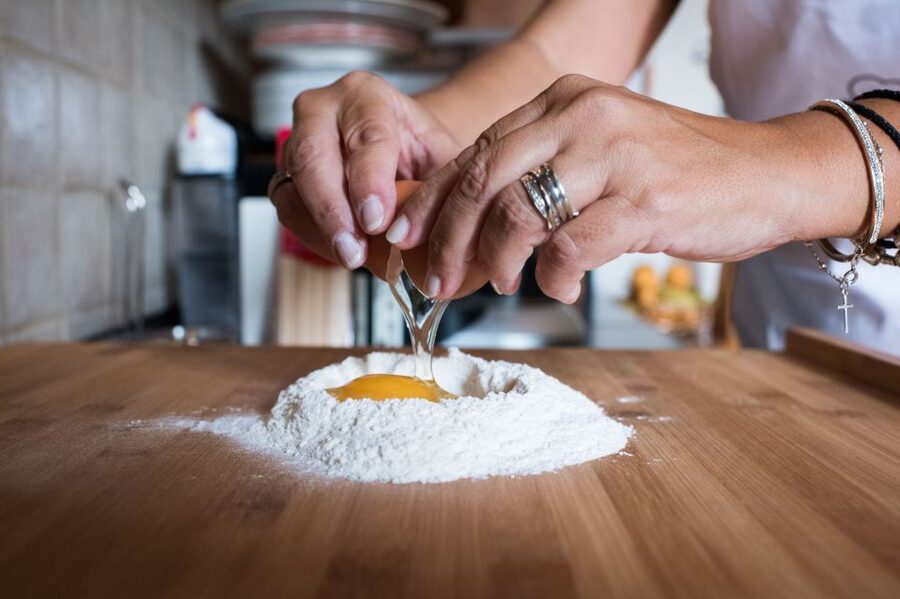
Here is the real-world part to respect: the class meets at a Cesarine home, and for privacy reasons you only get the full address after booking. The location can be either in Varenna or Bellano, and Bellano is about an 8-minute taxi ride.
Many classes are in hillside areas around Lake Como, which can mean steep drives and limited access depending on where your hotel is. One practical tip: if you are driving, put the GPS location in exactly as given; mapped routes can sometimes take you somewhere else first.
If you are using taxi or private transport, plan extra buffer time for the ride up. You do not want to show up stressed and late because you are navigating narrow roads and parking.
Also note: this is not designed for wheelchair access. It is a home setting, so stairs or uneven surfaces are likely.
Price and value: what $152.93 buys you (and why it adds up)
At $152.93 per person for about three hours, you might wonder if this is expensive. In Italy, home cooking classes often cost more than you expect—so let’s talk value in practical terms.
You are paying for:
- a small group (max 6), which usually means more coaching time
- hands-on teaching for both pasta and tiramisu
- ingredients and equipment use in someone’s home kitchen
- an aperitivo (prosecco and nibbles) plus included beverages (water, wines, coffee)
- tasting the pasta and dessert you made
If you compare that to the cost of a multi-hour food experience in tourist-heavy settings, the value usually holds up because you are getting both instruction and a full meal component. Also, the skill transfer is the long-term payoff: once you know sfoglia basics and tiramisu assembly, you can recreate the results at home.
Who should book this cooking class in Lake Como
This is a good fit if you:
- love Italian food and want to understand the technique behind it
- prefer hands-on learning over watching from the sidelines
- like small-group experiences with real conversation
- want a break from nonstop sightseeing without losing the culture of the place
It is also great for couples, because the lesson format is intimate and the final meal is shared in a home setting.
It may not be ideal if:
- you need wheelchair-friendly access
- you hate driving or navigating steep hillside roads (Varenna/Bellano access can be part of the challenge)
The good news: the class is taught in English (with Italian also used), so you do not need special language skills to keep up.
Should you book this Pasta & Tiramisu class in Varenna?
If your goal is an authentic Lake Como experience that teaches you something you can use again, I say yes. You are not just eating; you are building skills around fresh pasta dough and a classic tiramisu structure. The small group size, included aperitivo and beverages, and the home-kitchen hospitality all point to solid value.
Book it especially if you want a calmer, more local-feeling afternoon—one where the view, the cooking, and the conversation all happen in the same place.
If you are the type who needs everything to be perfectly simple logistics-wise, then double-check how you will get to the home in Varenna or Bellano and whether the terrain is manageable for your mobility needs.
FAQ
How long is the pasta and tiramisu cooking class?
The class lasts about 3 hours. Starting times vary, so you will need to check availability for the specific time.
What is included in the experience price?
You get beverages including water, wines, and coffee, plus an Italian aperitivo with prosecco and nibbles. The class also includes making and tasting the two pasta recipes and tiramisu.
Is the meeting point in Varenna or Bellano?
It can be either in Varenna or in Bellano (Bellano is about an 8-minute taxi ride). For privacy, the full address is shared only after booking.
How many people are in the group?
This is a small-group class limited to 6 participants.
Is the instructor available in English?
Yes. The instructor teaches in Italian and English.
Is this cooking class wheelchair accessible?
No. This activity is not suitable for wheelchair users.
Is there free cancellation?
Yes. You can cancel up to 24 hours in advance for a full refund.