REVIEW · XI AN
Xi’an: Market Tour and Cooking Class with Local Family
Book on GetYourGuide →Operated by Shaanscape · Bookable on GetYourGuide
Hand-pulled noodles in a real home kitchen. I really like how the experience pairs a Xi’an market ingredient hunt with proper technique teaching, and I also love the chance to learn hand-pulled Biang Biang noodles and pork dumplings from scratch. One consideration: it’s a walking and standing activity, so comfy shoes matter.
This is a small-group class (up to 6 people) taught in English, led by Wen Qi, with her family welcoming you into their home kitchen. You’ll shop for spices, vegetables, and meats, then cook, eat, and finish with local tea plus recipes you can bring home.
In This Review
- Key Things That Make This Xi’an Class Worth Your Time
- Where You Meet and How the 3-Hour Timing Feels
- Market Shopping with Wen Qi: Picking Ingredients That Actually Matter
- Biang Biang Noodles: Learning the Hand-Pulled Skill
- Pork Dumplings (Jiaozi): Stuffing, Folding, and Getting Flavor Right
- The Meal and Local Tea: Eating Like You Cooked It
- Price and Value: What $70 Buys in a Small Group
- Language, Dietary Needs, and Comfort Considerations
- Who This Xi’an Cooking Class Is Best For
- Should You Book This Xi’an Market Tour and Cooking Class?
- FAQ
- Where is the meeting point?
- How long does the experience last?
- What dishes will I learn to make?
- Do I need any prior cooking experience?
- Is transportation to the meeting point included?
- How many people are in the group?
- Is the class wheelchair accessible?
- Can I participate if I have dietary restrictions?
Key Things That Make This Xi’an Class Worth Your Time
- Wen Qi’s food perspective covers more than just one dish, so the stories make the cooking click
- Market shopping with guidance helps you choose ingredients instead of guessing in a busy food scene
- Biang Biang noodles practice gives you a real skill, not just assembly-line cooking
- Pork dumplings (jiaozi) from scratch means stuffing and folding, not just shaping dough
- Home-kitchen hospitality with Wen Qi’s parents turns the class into a warm cultural exchange
- You leave with recipes so your friends can taste your Xi’an progress later
Where You Meet and How the 3-Hour Timing Feels
This class is built around a tight, satisfying flow: you start at the meeting point, go to the market for ingredients, then head to a home kitchen to cook and eat. Expect the full experience to last about 3 hours, so it fits nicely between sightseeing blocks without turning your day into a long haul.
You meet at the front gate of the government. Transportation to that point isn’t included, so plan how you’ll get there on your own. If you’re staying in central Xi’an, you’ll likely use a taxi or ride-hail, then treat this as a quick, focused outing rather than a half-day commitment.
Market Shopping with Wen Qi: Picking Ingredients That Actually Matter
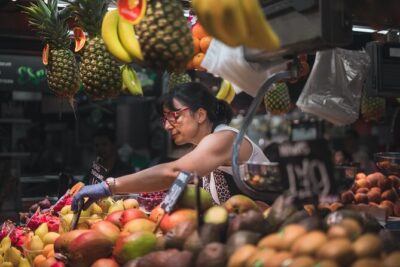
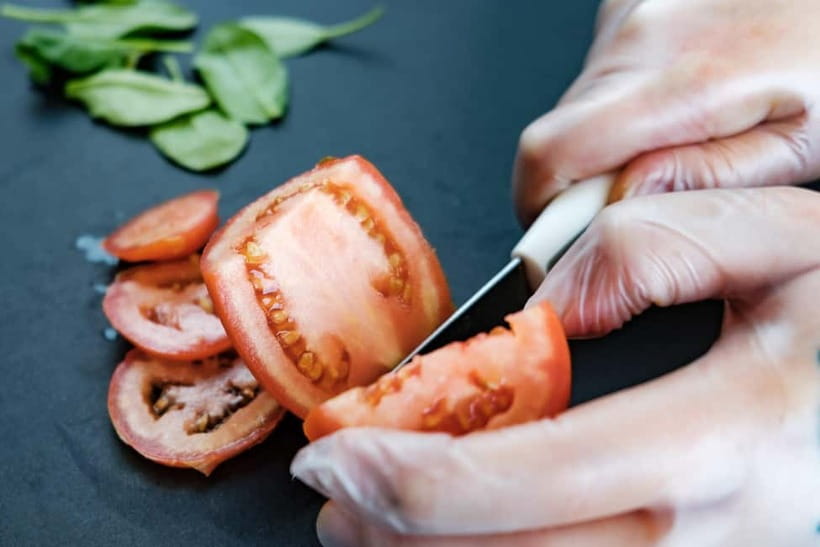
A lot of cooking classes show up late to the fun part. Here, you start by shopping for what you’ll cook, with a guide who helps you understand what to select and why. In the market, you’ll be looking for the building blocks of Xi’an cooking—things like spices, vegetables, and meats—and you’ll learn how to choose better ingredients instead of grabbing whatever looks familiar.
Why this matters for you:
- It teaches you how Xi’an cooks think about quality, not just how to follow a recipe.
- It also reduces the stress later in the kitchen, because you know what each ingredient is and what it should contribute.
One practical note: you’ll be walking and standing during the market portion. Wear shoes you can handle on uneven ground, and don’t plan to arrive dressed for a museum. This is hands-on, and you’ll move.
Biang Biang Noodles: Learning the Hand-Pulled Skill

The headline dish here is hand-pulled Biang Biang noodles. This is the kind of cooking that sounds simple until you try it: the dough needs the right feel, and the pulling is all about consistency—stretching without tearing, then managing thickness as you go.
What makes this a strong choice is that you’re not only watching someone else do the work. You learn the process in the home kitchen setting, guided step by step in English. Even if you’ve never cooked before, the class is designed for beginners, so you don’t need prior training—just patience and a willingness to get your hands involved.
Also, Biang Biang noodles have a built-in storytelling factor. Xi’an food culture is heavy on noodles and wheat traditions, and Wen Qi’s perspective connects technique to regional taste. You’re more likely to remember what you learned because it comes with context, not just steps.
Pork Dumplings (Jiaozi): Stuffing, Folding, and Getting Flavor Right
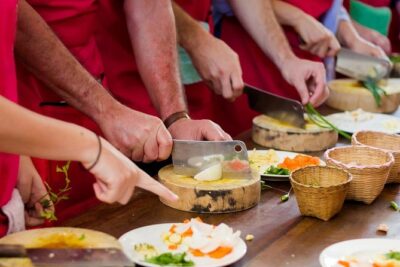
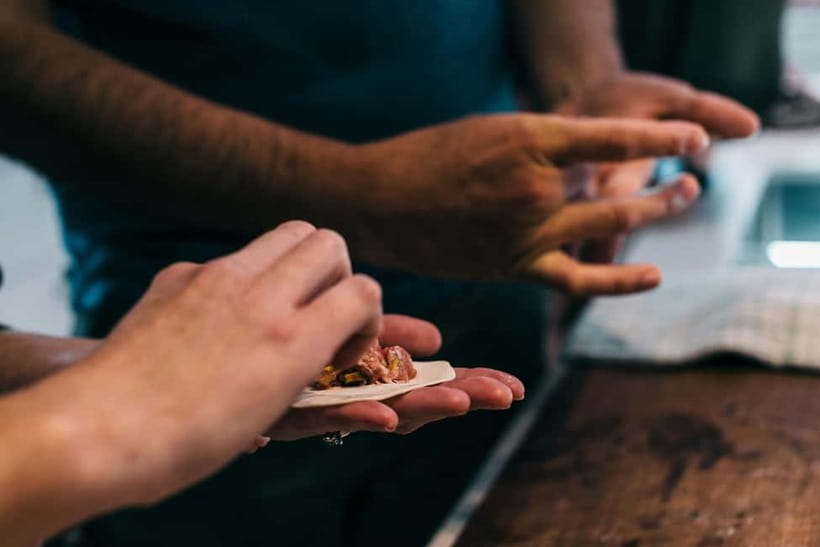
Next up are pork dumplings (jiaozi). This part of the class is great if you like food that rewards attention. Dumplings aren’t just dough and filling. The class focuses on making them from scratch, which means you get a fuller picture of how the dish comes together and why the final bite tastes the way it does.
In a practical sense, dumplings also teach you something transferable: how filling balance affects everything. If you end up with too much filling or uneven portions, the dumpling experience changes. If you learn the basics of stuffing and folding, you’ll have a method you can repeat later, even when you’re cooking at home with different pantry brands.
You’ll be working in a cozy home kitchen with a welcoming local family. That home setting matters. Cooking classes that happen in sterile kitchens can feel like you’re passing through. Here, the family dynamic helps you ask questions and move at a normal human pace.
The Meal and Local Tea: Eating Like You Cooked It
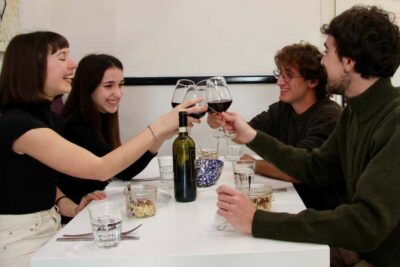
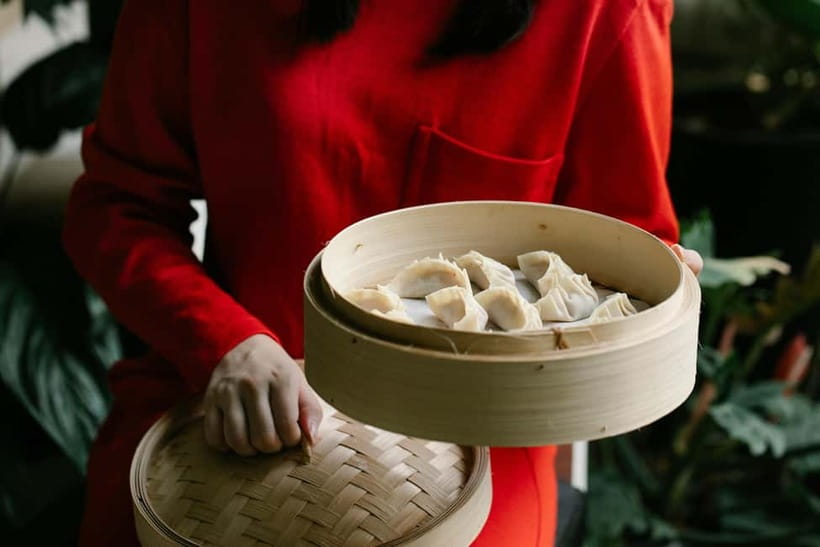
After cooking comes the best part: sitting down and enjoying what you made. The class includes a homemade meal, plus local tea. This isn’t a quick tasting with a tiny plate. You eat a proper, finished meal created from the dishes you worked on.
And this is where the experience can surprise you—in a good way. Many cooking classes end right after you plate. This one leans into the social side too. There’s lively conversation with the family, so the meal feels like a shared moment rather than a performance.
One tip that’s worth taking seriously: come hungry. With a market + noodle + dumpling flow, your appetite will be fully ready by the time you sit down.
Price and Value: What $70 Buys in a Small Group
At $70 per person for about 3 hours, this class sits in the midrange for Xi’an food experiences. The value comes from what’s included, not just the label on the price:
You get:
- Market tour with an English guide
- Cooking class in a home kitchen
- A homemade meal
- Local tea
- Recipes to take home
And because the group is capped at 6 participants, you’re less likely to feel like you’re waiting your turn behind a big crowd. In practical terms, smaller groups usually mean more attention during hands-on parts like noodle pulling and dumpling folding.
The only notable gap: transportation to the meeting point isn’t included. But if you’re already moving around Xi’an, that’s a normal cost to account for. Overall, if food is high on your trip priorities, $70 can feel like a fair deal for a real meal plus learnable skills.
Language, Dietary Needs, and Comfort Considerations
The class runs in English with an English instructor. That makes a difference when you’re learning tactile skills like noodle handling and dumpling assembly. If you’re worried you’ll miss instructions, you don’t have to.
Dietary needs: you should inform the host of any dietary restrictions in advance. The lesson format includes ingredient selection at the market, so giving dietary info early helps the host adapt what you cook and eat.
Comfort and movement: the activity involves walking and standing. Even though the experience is listed as wheelchair accessible, it’s still worth thinking realistically about your own mobility and stamina. If you need frequent breaks or have trouble standing, message the provider ahead of time so the plan can work for you.
Age limits also apply: it’s not suitable for children under 6 and not suitable for people over 95. That’s likely because of the pace and safety needs of a kitchen-and-market setup.
Who This Xi’an Cooking Class Is Best For
This is a great fit if you:
- Love Xi’an food and want to learn how key dishes are actually made
- Want a hands-on lesson even if you’ve never cooked before
- Prefer a small group with real interaction, not a large tour machine
- Like the idea of taking home recipes you can use later
It’s also ideal for culture-minded travelers. Wen Qi’s approach connects cooking to food across China, and the family side brings warmth and genuine hospitality. In the best versions of this kind of experience, you don’t just learn recipes. You learn the way people talk about food, what they pay attention to, and how they make visitors feel at ease.
Who might reconsider:
- If you dislike market walking or you know you’ll struggle with standing time
- If you’re looking for a purely sightseeing day (this is mostly food-focused)
- If you want a very quiet, low-interaction experience
Should You Book This Xi’an Market Tour and Cooking Class?
If you’re deciding between another meal stop and an actual cooking lesson, I’d steer you toward this one. You get market shopping guidance, teachable skills for two signature Xi’an dishes, a proper meal with tea, and recipes to take home—all in a small group format. For many people, that combination is the sweet spot: fun, learnable, and deeply local.
Book it if food is a top priority and you’re comfortable with short walking/standing. Skip it if mobility is a major concern or you want a low-effort, no-movement activity.
FAQ
Where is the meeting point?
You meet at the front gate of the government.
How long does the experience last?
The cooking experience runs for 3 hours.
What dishes will I learn to make?
You’ll learn to make hand-pulled Biang Biang noodles and pork dumplings (jiaozi) from scratch.
Do I need any prior cooking experience?
No. No prior cooking experience is needed.
Is transportation to the meeting point included?
No. Transportation is not included to the meeting point.
How many people are in the group?
It’s a small group limited to 6 participants.
Is the class wheelchair accessible?
Yes, it’s listed as wheelchair accessible. Note that the activity still involves walking and standing.
Can I participate if I have dietary restrictions?
Yes, but you should inform the host of any dietary restrictions in advance.