REVIEW · DA NANG
5 traditional dishes Da Nang cooking class with market trip
Book on Viator →Operated by Apron Up Cooking Class · Bookable on Viator
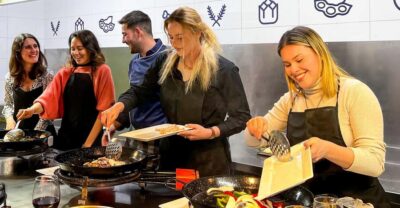
Five dishes, one very local shopping spree. This Da Nang class pairs a real market visit at Chợ Bắc Mỹ An with hands-on cooking in a neighborhood kitchen, so you’re not just watching—you’re learning why ingredients matter. I like that the instructors (names you may hear such as Bora, Blue, Chi, or Jenny) focus on the flow of Central Vietnamese cooking, not just the final dish, and you’ll leave with a cookbook and certificate to remember it by.
My second favorite part is the menu design: you cook five dishes in about four hours, including the crisp, browned target for bánh xèo and a fresh-roll dish plus salads and dessert, so you get a good spread rather than one repeat theme. One possible drawback to plan for: this is a join-in style class, so not every step will feel like solo control, and some components can be shared or prepared in a group rhythm.
In This Review
- Key highlights at a glance
- Why Chợ Bắc Mỹ An is more than a warm-up
- The five-dish menu teaches you how Central Vietnam tastes
- Bun Bo Hue: learning the backbone of the bowl
- Bánh xèo: the crispness you can actually chase
- Tam Huu fresh roll: a hands-on lesson in wrapping
- Young jackfruit salad: sharp, crunchy, and refreshing
- Avocado ice-cream (or vegetarian version): ending with something cool
- From cooking to eating: what the table experience adds
- Price and value: getting more than a meal for $39
- Timing and logistics that actually matter in Da Nang
- Who should book this class, and who might want a different option
- Book it if you want hands-on food learning
- Book it if you travel with kids
- Consider another style if you hate shared pacing
- Consider another style if you’re extremely picky about one flavor profile
- Practical tips to make your session go smoothly
- Should you book this Da Nang cooking class?
- FAQ
- How much does the Da Nang cooking class cost?
- How long is the experience?
- Where do I meet for the class?
- What’s the market stop called?
- How many dishes do I cook?
- What dishes are included in the menu?
- Is there a vegetarian option?
- What’s included with the class?
- How big are the groups?
- What is the cancellation policy?
Key highlights at a glance
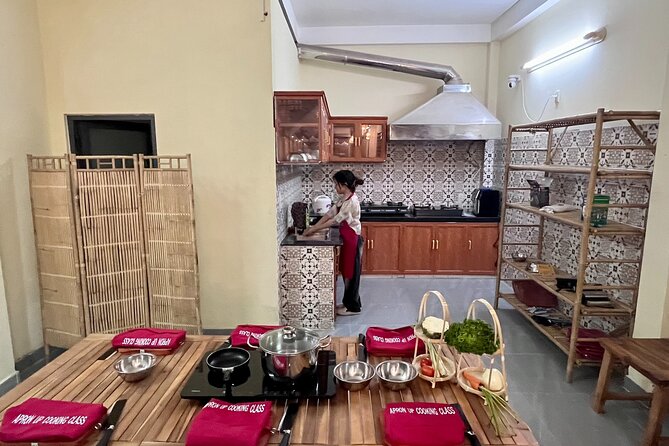
- Chợ Bắc Mỹ An market start: learn what locals buy and why before you pick up your ingredients.
- Five dishes in one session: bun bò Huế, bánh xèo, fresh roll, young jackfruit salad, and avocado ice-cream (or vegetarian).
- Dietary flexibility: the menu can shift to match dietary requirements, including vegetarian versions.
- Real meal, not a snack: lunch and dinner are included, plus coffee or tea, fruit, and rice vodka.
- Small-to-mid group size: capped at 30 travelers, which helps keep the class interactive.
- You get paper in your hands: cookbook and a certificate at the end.
Why Chợ Bắc Mỹ An is more than a warm-up
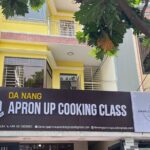
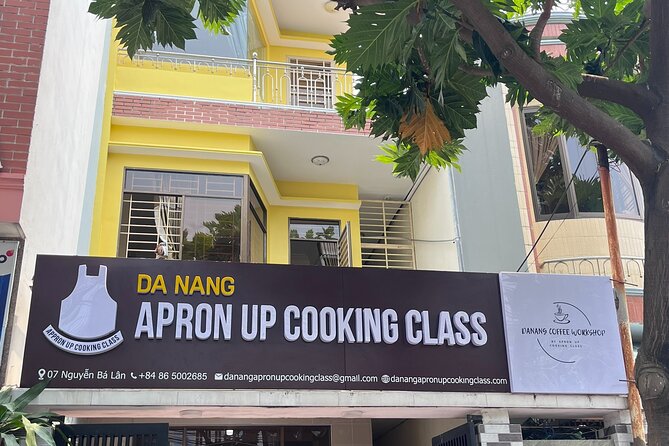
The best food tours don’t start with a knife. They start with buying. Here, you meet at 07 Nguyễn Bá Lân in Bắc Mỹ An, then head to Chợ Bắc Mỹ An before cooking begins. That market stop matters because it turns ingredients into choices you can explain, not just items you toss in when you’re hungry.
In practice, the market visit gives you two things. First, you see the produce and local staples that Central Vietnam relies on. Second, you hear the stories behind the dishes as you shop—so when you later make bun bò Huế or bánh xèo, you’re not guessing what the key flavor elements are supposed to do.
If you’re the type who likes to understand what you’re eating, this part is a big deal. And if you’re traveling with kids, it’s also a built-in “activity break” that makes the whole afternoon feel less like school.
You can also read our reviews of more tours and experiences in Da Nang.
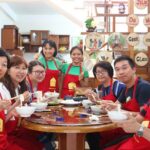
The five-dish menu teaches you how Central Vietnam tastes
The class cooks five traditional dishes. That’s a sweet spot: enough variety to learn different textures (crispy, saucy, fresh, chilled), but not so many dishes that the techniques blur together.
Bun Bo Hue: learning the backbone of the bowl
You start with Bun Bo Huế. This is the kind of dish that rewards patience, because it’s about balance—warm, spicy, and deeply flavored rather than just salty or sour. In a cooking class like this, the point isn’t memorizing a long ingredient list. It’s learning what makes the bowl feel complete.
It also helps you build a mental map of the flavors you’ve probably been seeing around Da Nang: the sour-spicy edge, the comfort factor, and the way herbs and extras finish the experience.
Bánh xèo: the crispness you can actually chase
Next is bánh xèo, and this is where you get a very tactile lesson. One common theme from the class experience is working toward a crispy, browned pancake. That kind of feedback is useful even if your first attempt isn’t perfect—because you learn what texture changes when the pan, batter, and heat aren’t quite aligned.
If you’ve ever eaten bánh xèo and wondered why some are shatter-crisp while others feel soft, this is the closest you’ll get to understanding without studying cookbooks for weeks.
Tam Huu fresh roll: a hands-on lesson in wrapping
Then comes tấm hữu fresh roll (a fresh rice-paper style roll). This dish is a different skill from the others because it’s about assembly and how things hold together. Even when it comes out messy, you’ll learn quickly what makes a roll practical to handle and tasty to eat.
Fresh rolls also change your pace. After two hotter, stove-focused dishes, you shift to something lighter—more about crunch, herbs, and clean freshness.

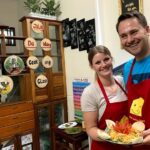
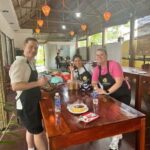
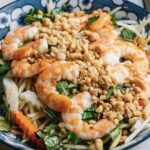
Young jackfruit salad: sharp, crunchy, and refreshing
For the fourth dish, you’ll make young jackfruit salad. This is the part of the menu that brings snap and brightness. Young jackfruit tends to bring a firm bite that works well with herbs and a tangy dressing style you’ll recognize across Central Vietnam.
It’s also a nice counterbalance after savory dishes. If you want your meal to feel like a full spread rather than a food marathon, this salad is the reset button.
Avocado ice-cream (or vegetarian version): ending with something cool
Finally, you’ll finish with Da Nang avocado ice-cream. If you’re vegetarian, the class swaps to a vegetarian version, and the goal stays the same: a creamy finish that cools your palate after spicy and crisp items.
Dessert in a cooking class can feel like an afterthought. Here, it’s built into the core menu, which makes the whole thing feel like a complete local meal.
From cooking to eating: what the table experience adds
Once cooking wraps up, you don’t just plate and disappear. You sit down to enjoy the meal together, and you’ll also get extra touches like fruits and rice vodka. The rice vodka part is a meaningful detail because it shows up in social food culture—not as a gimmick, but as part of the “share and chat” rhythm.
This is where the class becomes more than recipes. You can talk with the instructor about local life in Da Nang and what you’re seeing in markets and daily meals. If you’ve ever felt like food tourism was only about photos and not about context, this conversation time is the difference-maker.
You’ll also receive a cookbook and certificate, which sounds formal, but it’s actually practical. A cookbook helps you repeat dishes later without relying on memory. The certificate makes it easy to justify to yourself that yes, you really did spend the afternoon learning—because you can.
Price and value: getting more than a meal for $39
At $39 per person, this is priced like a midrange activity—especially if you count the market time and the included food. You’re not only paying for the cooking. You’re also paying for:
- Lunch and dinner
- Coffee and/or tea
- Cooking tools
- Fruits and rice vodka
- A cookbook and certificate
When you compare that to the cost of a sit-down restaurant meal plus a separate paid market or workshop, the value improves quickly. The key is that your money buys time with an instructor and the market context that turns ingredients into knowledge.
Also, you get a mobile ticket, which is a small thing until you’re on the go and don’t want paperwork to be your problem.
Timing and logistics that actually matter in Da Nang
The class runs about 4 hours. That’s long enough to shop, cook, and eat without dragging your whole day. It’s short enough that you can still plan a beach stop or a casual evening afterward.
You meet at the address in Bắc Mỹ An about 10 minutes before start time, then return to the kitchen for cooking. The activity ends back at the meeting point, so you don’t need to solve transportation twice.
Group size is capped at 30, and that matters because it keeps the kitchen experience from becoming a pure show-and-tell. You should expect a guided environment, not a free-for-all.
One other practical note: the tour description says it’s near public transportation, and service animals are allowed. That’s useful if your plans rely on buses or taxis rather than private drivers.
Who should book this class, and who might want a different option
Book it if you want hands-on food learning
This suits you if you like cooking enough to want your hands in the process. Even if you’re a beginner, the structure of five dishes plus market shopping keeps the experience from feeling overwhelming.
Book it if you travel with kids
Families tend to like this setup because the market gives visual and sensory variety, and the cooking segments break the time into manageable chunks. One class experience included very patient teaching for younger cooks, which is exactly what you want for a family-friendly activity.
Consider another style if you hate shared pacing
If you prefer fully individual instruction, you might find the join-in format less satisfying. Since some preparation can run as group flow, your personal control over every step may feel limited compared with private lessons.
Consider another style if you’re extremely picky about one flavor profile
The menu includes spicy-friendly Central Vietnamese staples and sour-herb components through the salad and bun. If you only like mild flavors, tell the team about what you avoid as early as possible, since the menu can adjust for dietary requirements.
Practical tips to make your session go smoothly
You’ll get the most out of this class when you treat it like a learning session, not just lunch. Two simple moves help:
- Arrive on time at 07 Nguyễn Bá Lân so you don’t miss the market start.
- If you have dietary needs, plan to communicate them early, since the menu is selected to adjust to dietary requirements and includes vegetarian options.
Also, because the market is part of the experience, keep your schedule flexible. Don’t stack another hard commitment right before the start time. The whole point is walking, shopping, and then cooking.
Should you book this Da Nang cooking class?
I think you should book it if you want a Da Nang activity that blends market culture with real cooking results, all within a reasonable 4-hour window. The menu hits multiple textures—crispy bánh xèo, fresh roll, crunchy jackfruit salad, and cool avocado ice-cream—so you leave with more than one dish stuck in your memory.
Skip it only if you want a purely private, fully individualized class or if you dislike the idea of group pacing. If you fall in the first group, $39 is a solid deal for a structured market-to-kitchen-to-table experience with tools, food, and a takeaway cookbook.
FAQ
How much does the Da Nang cooking class cost?
The price is $39.00 per person.
How long is the experience?
It runs for about 4 hours.
Where do I meet for the class?
Meet at 07 Nguyễn Bá Lân, Bắc Mỹ An, Ngũ Hành Sơn, Đà Nẵng 550000, Vietnam. The tour ends back at the meeting point.
What’s the market stop called?
The market stop is Chợ Bắc Mỹ An.
How many dishes do I cook?
You cook 5 dishes during the class.
What dishes are included in the menu?
The menu includes: Bun Bo Hue, Banh Xeo, Tam Huu fresh roll, young jackfruit salad, and Da Nang avocado ice-cream (or a vegetarian version).
Is there a vegetarian option?
Yes. The class provides an avocado ice-cream vegetarian version and can adjust the menu to meet dietary requirements.
What’s included with the class?
Included items are coffee and/or tea, cooking tools, lunch and dinner, plus fruits, rice vodka, and you receive a cookbook and certificate.
How big are the groups?
The experience has a maximum of 30 travelers.
What is the cancellation policy?
Cancellation is free up to 24 hours in advance for a full refund. If you cancel less than 24 hours before the start time, you do not receive a refund.