REVIEW · BARCELONA
Barcelona Paella Cooking Class with Market Visit, Tapas & Sangria
Book on Viator →Operated by Gastronomic Arts Barcelona · Bookable on Viator
Paella starts with seafood shopping. This Barcelona paella cooking class links a chef-led visit to La Boqueria with an actual hands-on kitchen session for paella, plus tapas and sangria. It’s one of those experiences where the food story makes sense from ingredient to finished pan.
My favorite part is the small-team setup: you get real coaching while you cook, not just a seat in the back. One thing to consider is that at the market, tight crowds can make it harder to see and hear every detail for everyone.
In This Review
- Key highlights that matter
- Why this Barcelona paella class feels practical and local
- Meeting at GAB and planning your 3-hour window
- La Boqueria market: how to shop for paella-quality ingredients
- La Rambla connection: an easy walk that helps you get your bearings
- Tapas and sangria first: set the flavor mood before the paella
- The paella workshop: seafood, chicken, or vegetarian, with real guidance
- What you’ll actually eat (and why the dessert choice is smart)
- Price and value: what $114.88 buys you in Barcelona
- Who this is best for (and who should think twice)
- My take: should you book this paella and sangria class?
- FAQ
- How long is the Barcelona paella cooking class?
- Where is the meeting point?
- Is the class offered in English?
- Does the market visit happen every day?
- What kinds of paella can I choose?
- Is sangria included, and can it be non-alcoholic?
- What food is included besides paella?
- Are recipes included to take home?
Key highlights that matter
- La Boqueria ingredient coaching so you know what to buy (especially seafood)
- Hands-on paella, step-by-step with seafood, chicken, or vegetarian options
- Tapas tasting and sangria workshop before you cook, so you understand the flavors
- Max 12 travelers for more participation and less waiting around
- Dessert plus instruction with tarta de Santiago (almond cake)
- Allergy-aware planning: preferences are collected at the start, and the class adapts
Why this Barcelona paella class feels practical and local
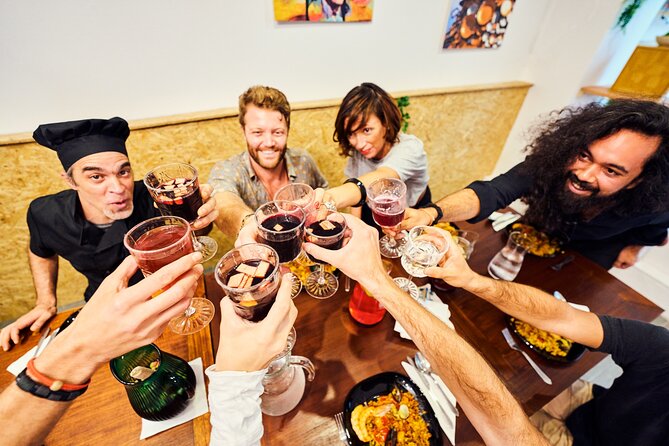
Barcelona has plenty of “cooking experiences.” This one works because it doesn’t start in a studio. It starts where the ingredients are actually chosen—at La Boqueria, Barcelona’s famous market.
The format also makes sense for real life. You walk, taste, learn what matters, and then you cook. By the time the pan comes out, you’re not memorizing recipes like homework. You’re applying the shopping lessons you just learned.
And yes, the food is the point. You’ll eat tapas, make sangria, and then sit down with the paella you cooked. Even if you’re not a confident cook, the pace is friendly and structured.
You can also read our reviews of more tours and experiences in Barcelona.
Meeting at GAB and planning your 3-hour window
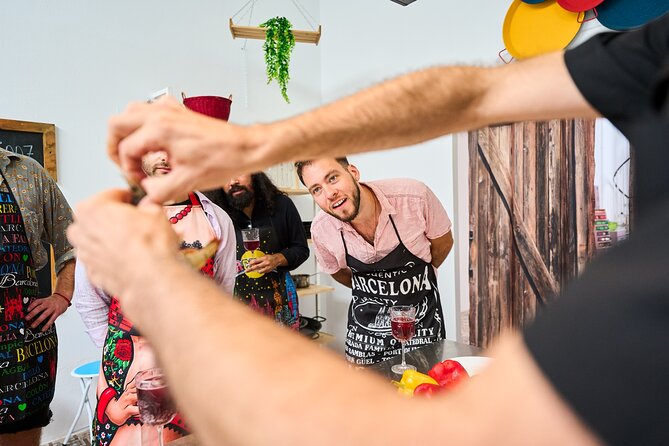
You’ll meet at Gastronomic Arts Barcelona (GAB LABCarrer de Lancaster, 10, Bajo 1a, Ciutat Vella, 08001). The location is near public transportation, which is a relief in a city where you’ll likely be walking a lot anyway.
The class runs about 3 hours, with selected start times (there are multiple options). The exact schedule will depend on what you book, but the flow stays the same: market first, then kitchen time, then lunch you helped create.
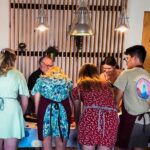
Small group matters here. It’s limited to 12 travelers, and that usually means more time at your station and fewer “wait your turn” moments. If you’re traveling solo or as a couple, this is also a good size for meeting people without it turning into a big bus moment.
La Boqueria market: how to shop for paella-quality ingredients
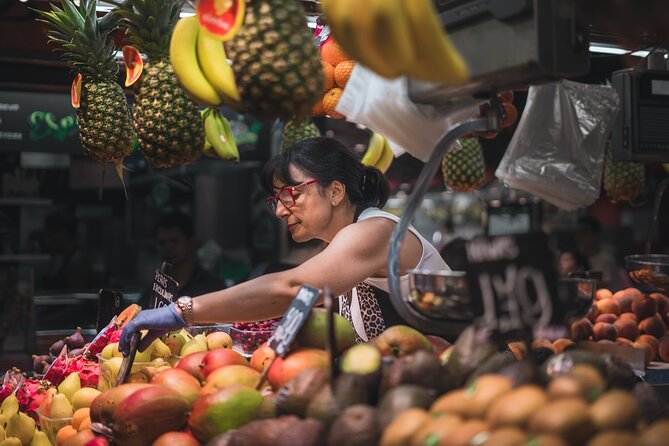
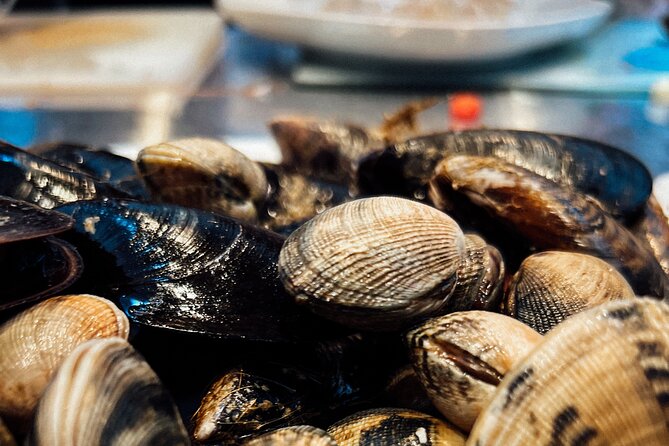
The market stop is Mercat de la Boqueria. This is where you get the kind of instruction you’d never get wandering on your own.
Expect to see the daily rhythm of a food market, not a staged tourist walk. The chef guiding you shares what to look for when choosing ingredients—especially seafood. Several instructors (including Chef Maria and others like Hugo and Alex, depending on the session) are known for making the information practical, not just historical.
Here’s what the market visit does for you as a cook:
- It gives you a quick mental checklist for choosing ingredients.
- It helps you understand why some items work better for paella flavor.
- It makes the rest of the day feel connected, not random.
One consideration: market space can be tight. A couple of people noted that hearing or seeing the chef can be tricky during the busiest moments. If you’re the type who hates missing steps, arrive a couple minutes early so you can position yourself where you can watch and listen.
Also, plan around the market calendar. The tour notes that the market visit won’t run on Sundays and public holidays because the market is closed. If you’re booking around those days, double-check your date expectations.
La Rambla connection: an easy walk that helps you get your bearings
The itinerary includes La Rambla, and the way it’s used is pretty sensible. It’s a transition piece—time outdoors, time to reset your brain, and a chance to move from the market world to the cooking studio.
This part is useful even if you’ve already walked La Rambla once. It’s not trying to be a “lecture stop.” It’s more like a short orientation bridge that keeps the day moving.
Tapas and sangria first: set the flavor mood before the paella
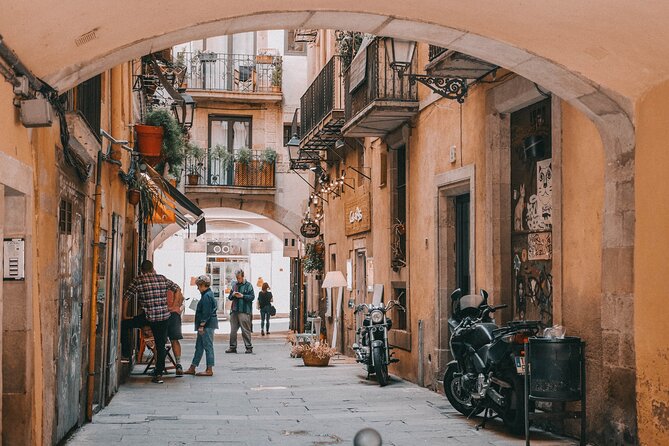
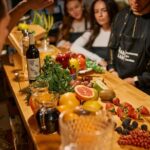
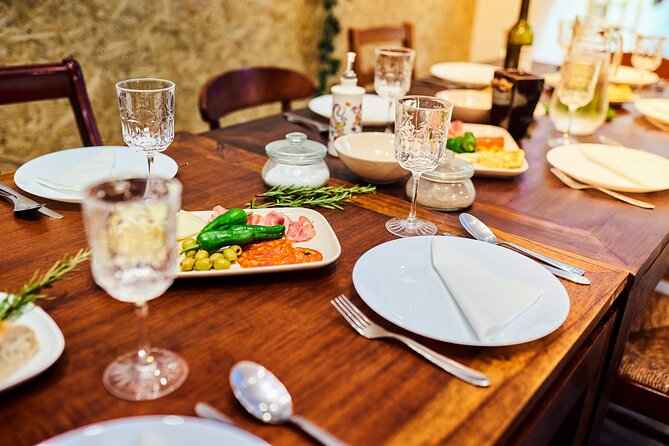
Before the paella cooking begins, you’ll eat. You’ll get a tapas tasting with selections that can include things like cured meats, cheeses, pimientos de padrón, pan con tomate, and olives (some variety is expected).
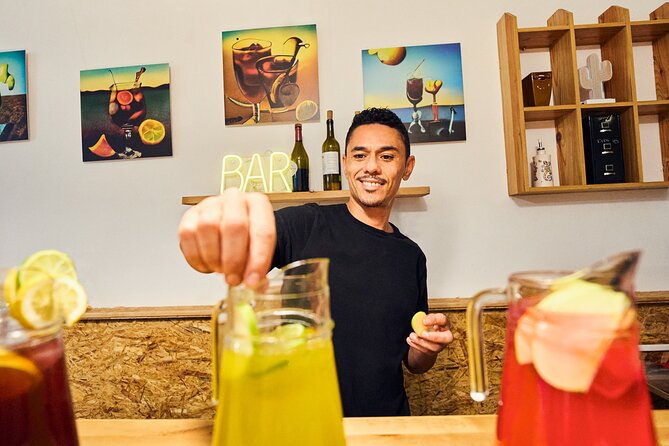
Then comes the sangria-making workshop. You’ll participate, not just watch. There’s also a non-alcoholic sangria option, which matters because the tour specifies a minimum drinking age of 18. So if you’re traveling with family or a younger group member, you can still do the sangria part in a way that fits.
Beverages included can include sangria, red wine, bottled water, and juice, plus non-alcoholic sangria availability. This means you’re already building the day’s flavor profile before the paella hits the table.
Chef energy counts too. In the sessions I’m basing this on, instructors like Maria, Hugo, Yaya, Matteo, Bibi/Bebe, and Alberto are repeatedly described as fun and encouraging. That’s not just personality fluff. When you’re cooking, confidence is half the job.
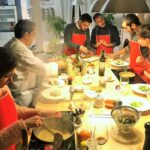
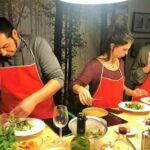
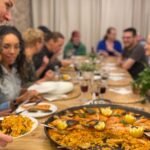
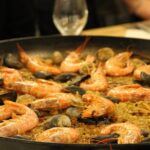
The paella workshop: seafood, chicken, or vegetarian, with real guidance
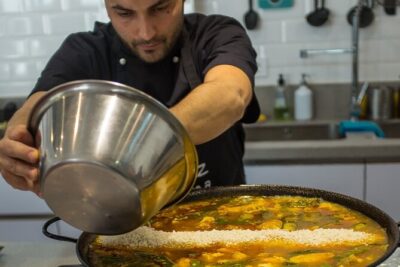
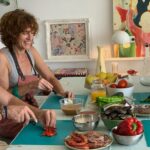
Now the core moment: rolling up your sleeves for paella. You’ll cook it hands-on in a professional kitchen with a local chef.
What makes this part feel different from a “do this, then that” demo is the coaching style. The format promises one-on-one instruction and support, and in practice that’s what helps beginners. You’re not left to interpret cooking steps like a recipe book.
Your paella option depends on what you choose and what’s available for your class:
- Seafood paella
- Chicken paella
- Vegetarian-friendly paella
The tour also states that materials are provided, so you’re not worrying about bringing gear or spices. You just show up and follow the process.
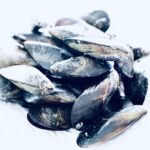
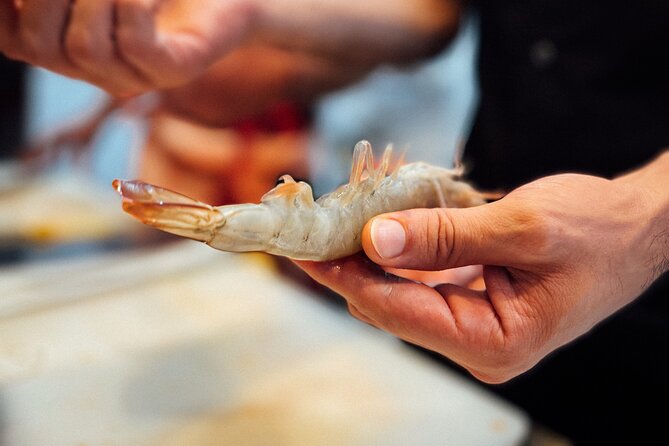
One standout detail from the experience notes: seafood preparation can be part of the learning. Some people specifically mentioned learning to prep or clean seafood. That’s a big deal if you want the “I can cook this at home” feeling rather than just “I ate great paella.”
What you’ll actually eat (and why the dessert choice is smart)
You’ll finish by sitting down to enjoy the paella you made. It’s served alongside the rest of the day’s food—tapas and sangria already set the table.
Dessert is tarta de Santiago, a classic almond cake from Galicia. That’s a great pairing for two reasons:
- Almond cake adds sweetness without getting overly heavy after a savory meal.
- It keeps the experience rooted in Spanish regional food, not just “generic dessert.”
The class also notes you’ll get traditional Spanish dessert with instruction. In other words, you’re not just handed a slice and sent on your way.
Finally, there’s a practical finish you’ll appreciate: you get recipes to recreate the experience at home. That turns the meal into skills you can actually use later.
Cooking it is one path; eating your way across town is the other. TheBarcelonaTraveller.com keeps the tapas and wine tours ranked by review count for the nights when someone else should hold the pan.
Price and value: what $114.88 buys you in Barcelona
At $114.88 per person, you’re paying for a lot more than a cooking session.
Here’s the value breakdown in plain terms:
- You’re getting a market tour (with restrictions: Sundays/holidays excluded because the market is closed)
- Tapas tasting is included
- You get to make sangria
- You cook paella hands-on
- You get dessert instruction plus the dessert itself
- Recipes are provided to take home
For a city like Barcelona, ingredient-focused tours can run high. This one helps justify the cost because the market portion isn’t just browsing—it’s part of the cooking logic. And the kitchen part isn’t just watching—it’s active participation.
Also, small-group design (max 12) helps you feel the value. In big groups, cooking classes often turn into a fast food line with aprons. Here, the format is built for interaction.
Who this is best for (and who should think twice)
This is a great fit if you want authentic food culture in a structured format. It’s especially good for:
- First-time Barcelona visitors who don’t want to guess where to start
- Couples and groups who want a shared activity that still feels personal
- Foodies who enjoy learning why ingredients matter, not just eating the result
- Travelers who like a small-group pace
It may not be ideal if:
- You hate crowded market environments (some people noted hearing/seeing can be tricky)
- You’re very pressed for time and need a shorter activity than ~3 hours
- You’re visiting on a Sunday or public holiday and expected the market itself (the tour notes it won’t run then)
If you’re traveling with food allergies or preferences, this class is designed to handle them. The info says allergies and preferences are collected at the start, and everything is made fresh. That doesn’t mean every ingredient risk disappears, but it does mean the setup is aware and proactive.
My take: should you book this paella and sangria class?
Yes, you should book it if you want a day where La Boqueria + cooking + eating feel like one connected storyline. The market piece isn’t just a photo stop. It feeds directly into how you cook and what you end up serving.
If you’re on the fence, here’s the simplest decision rule: if you want to leave Barcelona able to repeat paella (not just remember it), this class is a strong match. The small group, the hands-on format, and the included recipes make it more than a one-meal souvenir.
FAQ
How long is the Barcelona paella cooking class?
It runs about 3 hours.
Where is the meeting point?
You meet at Gastronomic Arts Barcelona (GAB LAB), Carrer de Lancaster, 10, Bajo 1a, Ciutat Vella, 08001 Barcelona, Spain.
Is the class offered in English?
Yes, it’s offered in English.
Does the market visit happen every day?
The Boqueria market visit excludes Sundays and public holidays because the market is closed.
What kinds of paella can I choose?
You can choose seafood, chicken, or a vegetarian-friendly option.
Is sangria included, and can it be non-alcoholic?
Yes. Sangria is included, and there’s a non-alcoholic version available. Bottled water and juice are also included.
What food is included besides paella?
You’ll also have a tapas tasting and tarta de Santiago (almond cake) for dessert.
Are recipes included to take home?
Yes. You’ll receive all recipes to recreate the experience at home.