REVIEW · NUNGWI
Zanzibar: Nungwi Village Tour and Culinary Class
Book on GetYourGuide →Operated by Zanturtle Explore Tours and Safaris · Bookable on GetYourGuide
Food and fishing life in Nungwi, Zanzibar. I like this experience because you get a guided village walk with real conversations, plus the chance to see dhow-building up close. I also like that the day ends with a hands-on cooking class and you eat what you helped make. One drawback to consider: if you request a specific language, it’s smart to confirm it clearly before you go, since not every language request seems to get met the way you’d expect.
Over about 5 hours, you’ll be picked up and dropped back at your Zanzibar hotel, then guided through Nungwi’s local rhythms—markets, everyday life, and community stops—before shifting gears into a cooking session led by chef(s). The menu lets you choose what you want to cook from a set list including Zanzibar Pilau, Urojo soup, seafood curry, chapati, cassava, Ndizi Nyama (banana with beef), breadfruit, and kachumbari salad.
In This Review
- Key things to know before you go
- From your hotel in Zanzibar to Nungwi’s north coast
- Nungwi village walk: markets, daily life, and local stories
- Dhow-building sites: seeing the craft behind Zanzibar’s wooden boats
- The kitchen shift: how the culinary class actually works
- What you’ll cook: Zanzibar Pilau, Urojo, seafood curry, and more
- Your meal and refreshments: where the value shows up
- Language, group size, and cultural rules that matter in Nungwi
- Price and logistics: is $66 worth a five-hour day?
- What to bring for the heat, walking, and kitchen table
- Who should book this Nungwi village tour and culinary class
- Should you book this Nungwi village tour and culinary class?
- FAQ
- How long is the Nungwi Village Tour and Culinary Class?
- Is hotel pickup and drop-off included?
- What dishes can I cook during the class?
- Which languages are available for the live tour guide?
- Is this activity wheelchair accessible?
- Is it a private group tour?
- What should I bring, and is alcohol allowed?
Key things to know before you go
- You choose your dishes: your cooking menu depends on what you request from the listed options.
- You’re in a real neighborhood, not a staged set: village stops and local conversations drive the story of the day.
- Boat-building craft is part of the tour: you’ll visit traditional dhow-building sites.
- Cooking involvement can vary: some days feel more hands-on than others, so ask what you’ll actually be doing.
- The pace is human, not luxury: expect a walk-through village route and plan for sun and uneven ground.
From your hotel in Zanzibar to Nungwi’s north coast
This tour is built around convenience. You’re picked up from your hotel lobby or reception area, and you’ll get a return drop-off back at the same place. That matters on Zanzibar, where timing and traffic can turn a perfect plan into a stressful one.
Once you’re headed to Nungwi (on Zanzibar’s northern side), the focus shifts fast: you’re not just driving to a viewpoint. You’re going to a working village where people trade, build, and cook every day.
The tour is designed for a single block of time (about five hours), so you’ll move from village walking into kitchen mode without long breaks. If you want a slower day, you may want to pair this with relaxed beach time afterward rather than scheduling another activity back-to-back.
Nungwi village walk: markets, daily life, and local stories
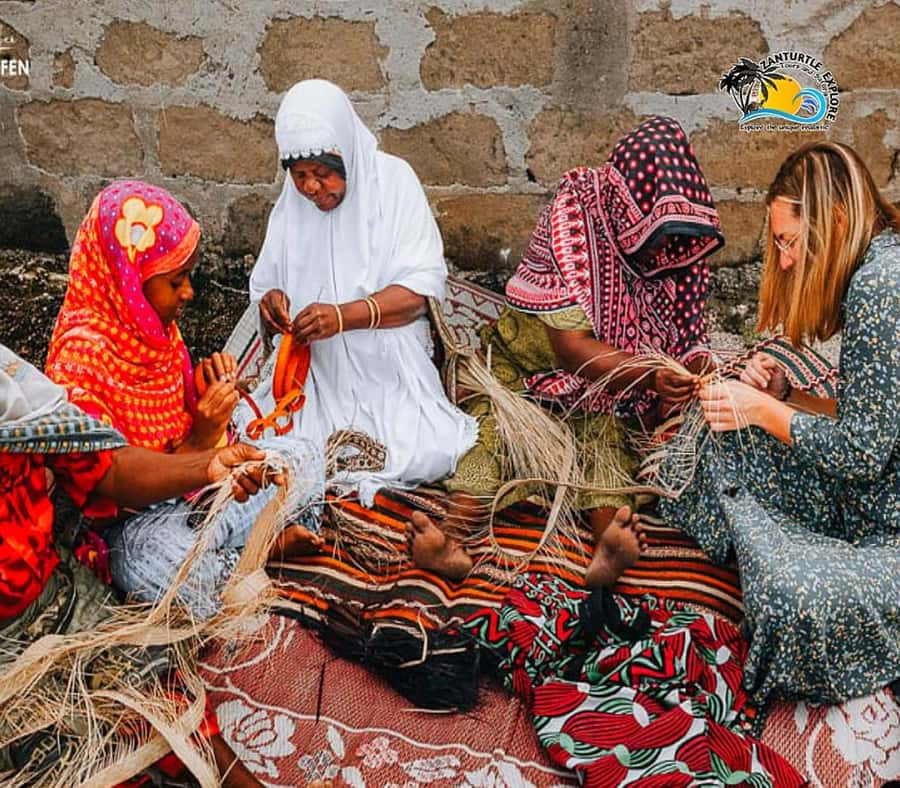
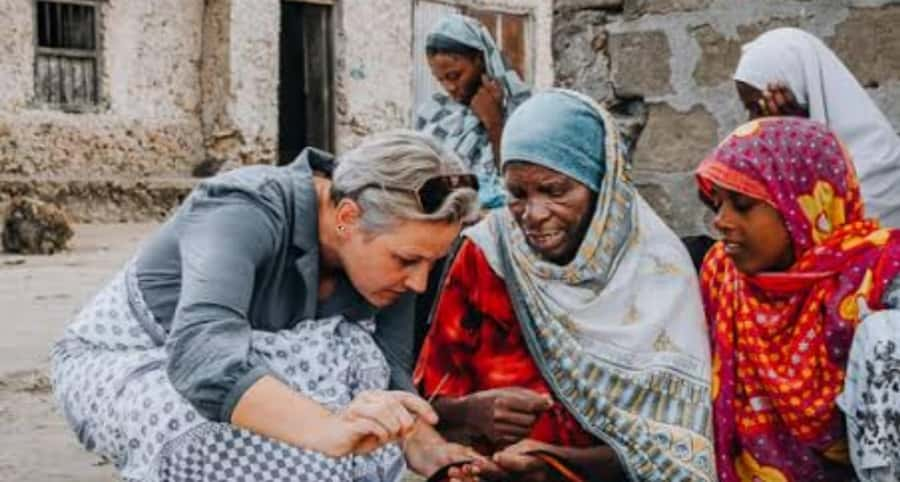
The village portion is the heart of the experience. You’ll stroll through areas like local markets and neighborhood spots where daily life is the main attraction, not scripted entertainment. You’ll also have time to interact with community members and ask questions—this is where the day turns from sightseeing into something more personal.
I like that the guide-led walking route keeps you grounded in specifics. Instead of vague history talk, you get practical context: how people live, work, and organize their days in Nungwi.
Some routes may include stops that go beyond food and boats, like a primary school and nursery, or a fish market area. I’d treat those as “possible route highlights” rather than guaranteed items, but they match what many guides add to make the day feel more complete.
If you’re lucky with your guide, the whole tone can change. Some guides you might encounter include Mo, Gandhi, and Mr Hajj, and their common strength is explaining what you’re seeing in plain terms.
Dhow-building sites: seeing the craft behind Zanzibar’s wooden boats
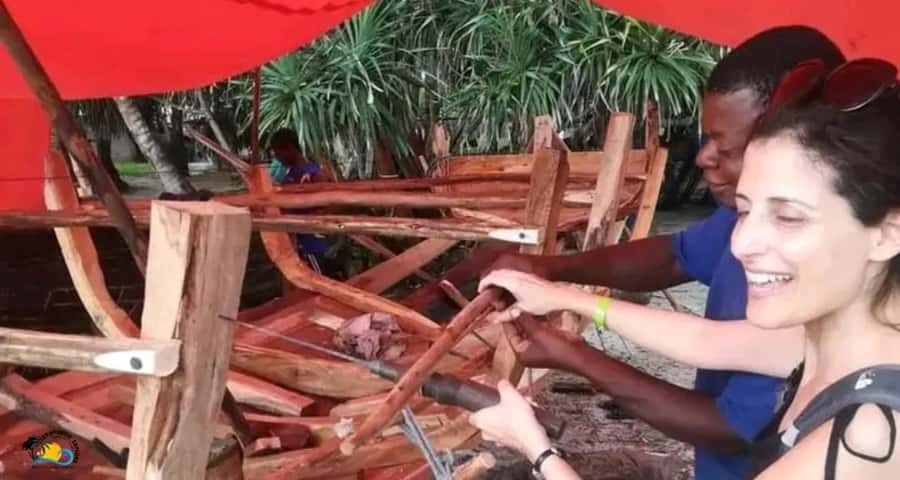
The tour includes visits to traditional dhow-building sites, and that’s a big deal if you care about real skills. These aren’t museum-style boats. You’re seeing craftsmanship and trade practices connected to the coast.
What makes this stop valuable is that it’s not just visual. You’re likely to hear how boat-building knowledge is passed down and why it matters locally. Even if you’re not a woodworking fan, watching people work on parts of a boat helps you understand the coastline’s economy in a way photos can’t.
One good practical tip: bring your camera, but also take a moment to look without it. You’ll often notice tool work and materials details when you pause for a few seconds.
The kitchen shift: how the culinary class actually works
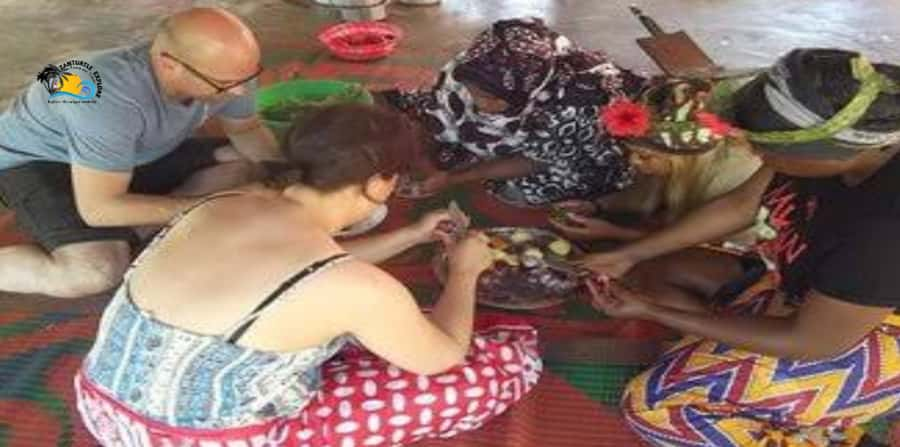
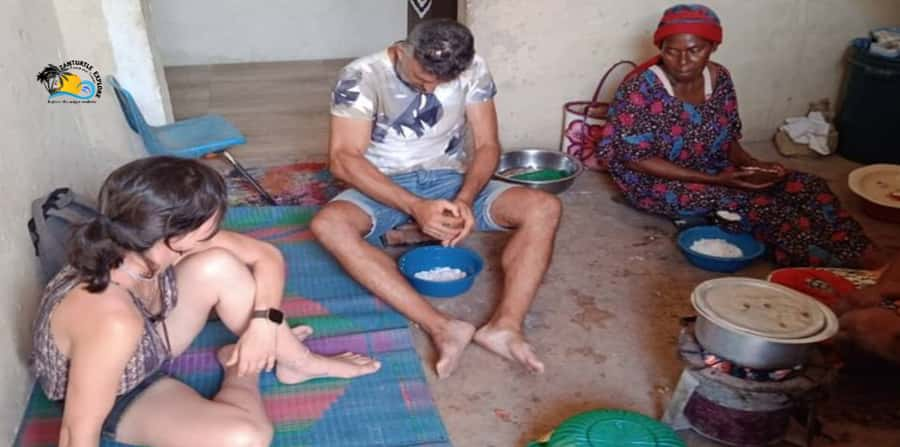
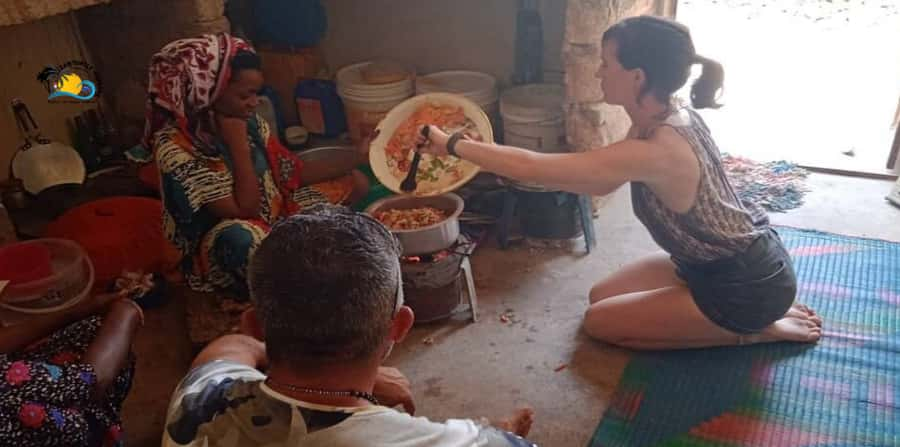
Then you switch from walking mode to cooking mode. The class is hands-on in the sense that you’re learning and preparing dishes, and your meal comes from the food you selected. You’ll cook using fresh, locally sourced ingredients (exact sourcing isn’t listed dish-by-dish, but the local focus is part of the experience).
Here’s the part you should plan for: cooking time and task ownership can vary. One participant noted that the class felt more like an explanation of how meals are made rather than lots of direct cooking. So if cooking is your main goal, ask your chef or guide during the start of the class: what will I be doing step-by-step?
Another nuance: the menu preparation depends on your selection request. The included info lists all of these dishes, but it also says the preparation depends on what you choose. That’s great for food lovers with strong preferences—you don’t have to eat a full sampler that you didn’t ask for.
You should also know that the class happens in a typical home setting (not a restaurant kitchen). That changes the vibe. You’ll likely see the cooking happen in the same space where people live, which can feel warm and real—but it also means you’re a visitor in someone’s day-to-day routine.
What you’ll cook: Zanzibar Pilau, Urojo, seafood curry, and more
Your menu choice can include a group of Zanzibar staples that cover different flavors and textures. Here’s what each one signals on your plate.
Zanzibar Pilau
This is a spiced rice dish. Expect fragrant seasoning and a more savory profile than plain rice. It’s a great “anchor” dish because it makes a meal feel complete fast.
Urojo soup
Think of this as a street-food style soup. It’s the kind of dish that can taste bold and tangy, especially if served with the right sides and toppings your chef uses.
Seafood curry
This is where the coast shows up. You’ll get a sauce-forward meal that’s designed to be eaten with the starches and breads in the class.
Chapati
Flatbread is the helpful bridge. It gives you something to scoop with, and it also makes the meal feel familiar if you’re not sure about the soup or rice yet.
Fresh cassava
Cassava is a Zanzibar staple ingredient. You’ll get a taste of how local starches play a role in everyday food.
Ndizi Nyama (banana with beef)
This one is a signature curiosity for many visitors. Sweet banana and savory beef sounds unusual if you’re new to East African cooking, but it’s a pairing rooted in local tradition. If you like trying one “stretch” dish, this is the pick.
Breadfruit
Another local fruit-based food that can surprise you in texture and flavor once it’s cooked.
Kachumbari salad
A fresh salad that usually balances richer dishes. Expect crisp, acidic notes that keep the meal from feeling heavy.
If you’re deciding what to request, I suggest matching the dishes to your mood. Want comfort and filling? Go rice + chapati + curry. Want variety and a more adventurous edge? Add Urojo and Ndizi Nyama. And if you worry about spice heat, choose fewer of the “sauce-heavy” dishes and ask how spicy your options tend to be during the class.
Your meal and refreshments: where the value shows up

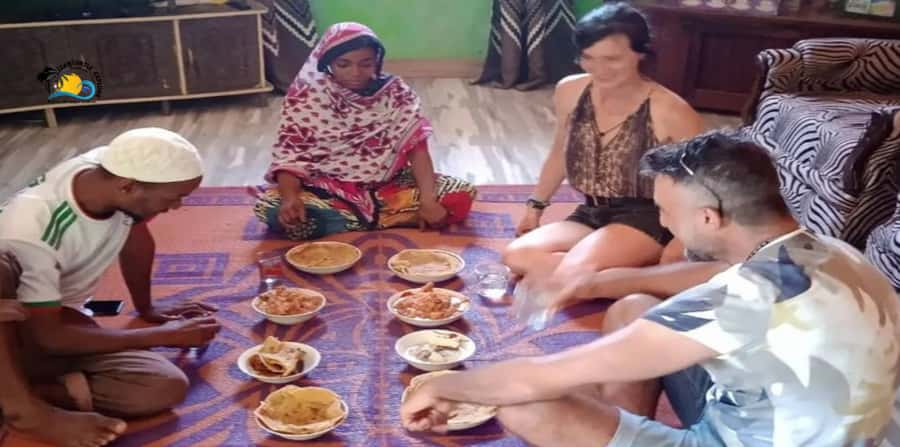
The day doesn’t end with a snack. After the cooking, you’ll have a meal that includes the dishes prepared during your class selection, plus refreshments throughout the day.
This is where the price starts making more sense. You’re paying not only for the tour guide, but also for ingredients, chef guidance, and the fact that your labor (or at least your participation) leads to an actual sit-down meal. For $66 per person in a half-day format, that’s a solid setup if you genuinely want food learning—not just eating.
There’s also a cultural element. One participant noted the food was cooked right there with the hosts, but the family didn’t necessarily share the meal at the table with the group. Don’t treat that as a “problem.” In a home setting, hosting style can look different than what you’d expect at a restaurant.
If you’re sensitive to awkwardness around seating or sharing, tell your guide you’re happy to follow their lead. That small adjustment keeps everything respectful.
Language, group size, and cultural rules that matter in Nungwi

This is a private-group tour, which is a plus. Fewer people in the group usually means more time for questions and a smoother village walk and kitchen transition.
A guide is available in English, French, German, Italian, and Swahili. Still, if you have a specific language requirement, confirm it before you go. One person found that a requested language wasn’t available, and they ended up relying on a friend for translation.
Also pay attention to the tour’s behavior rules. Alcohol and drugs aren’t allowed, and intoxication isn’t allowed. It’s a community visit plus a home-based meal. Keeping it clear-headed is part of respecting the setting.
Price and logistics: is $66 worth a five-hour day?

Here’s the honest value math. You’re paying $66 for hotel pickup and drop-off, a guided Nungwi village tour, visits to markets and traditional dhow-building sites, a hands-on culinary class (with ingredients included), plus the meal and refreshments.
If you were to do the equivalent as separate bookings—driver + guided village entry-style experience + cooking class + dinner—the total usually climbs fast. The strength here is packaging: everything lines up to fit a short day.
The only time this might feel less worth it is if your main interest is a beach day or a long sightseeing route. This is a food + craft + village experience. If you want mostly scenery from a vehicle, you might feel like you’re moving too much.
What to bring for the heat, walking, and kitchen table
Plan for a day outdoors first, then indoors-to-outdoors around a home kitchen setting. Wear comfortable shoes. Many parts of village routes involve uneven ground, and you’ll want stable footing.
Bring:
- Comfortable shoes
- Sun hat
- Sunscreen
- Camera
Light clothing helps, but don’t go so light you’ll be uncomfortable when you’re standing in sun longer than expected. A small water habit also makes sense, but the tour includes refreshments, so you shouldn’t be completely dry—just don’t rely on that alone.
And remember: ask your guide about the dish selection early. The included info says menu preparation depends on your menu request, so your choices can shape what you actually cook and eat.
Who should book this Nungwi village tour and culinary class
Book this if you want three things in one day:
- a genuine village experience with local conversation,
- a look at traditional dhow-building craft,
- and a cooking class where the meal ties directly to what you chose.
It’s especially good for food-first travelers, couples, and anyone who likes learning how daily life works through hands-on activities. If you travel with kids, you’ll probably find it more memorable than a typical “look and go” tour, since home cooking and market learning feel interactive.
If you hate walking, don’t book this expecting a minimal-stroll itinerary. You’ll be on your feet during the village portion, and one participant even mentioned stopping early due to getting tired from walking.
Should you book this Nungwi village tour and culinary class?
Yes—if you want a short, focused day that mixes local life with real cooking. The big wins are the guided Nungwi village walk, the dhow-building visit, and the fact you eat the results of your dish choices.
Before you book, do two smart things:
1) Confirm your preferred guide language if it’s crucial for you.
2) Choose your menu dishes based on whether you want comfort food or a few curveballs like Ndizi Nyama.
If you’re the type who learns best by doing, this is one of the better ways to spend a half-day in Nungwi.
FAQ
How long is the Nungwi Village Tour and Culinary Class?
It runs for about 5 hours.
Is hotel pickup and drop-off included?
Yes. You’re picked up from your hotel lobby or reception area and dropped back after the tour.
What dishes can I cook during the class?
The menu includes Zanzibar Pilau, Urojo Soup, Seafood Curry, Chapati, Fresh Cassava, Ndizi Nyama (Banana with beef), Bread fruit, and Kachumbari Salad, depending on your menu request.
Which languages are available for the live tour guide?
The guide is available in English, French, German, Italian, and Swahili.
Is this activity wheelchair accessible?
Yes, it’s listed as wheelchair accessible.
Is it a private group tour?
Yes, it’s a private group.
What should I bring, and is alcohol allowed?
Bring comfortable shoes, a sun hat, a camera, and sunscreen. Alcohol and drugs aren’t allowed, and intoxication is not allowed.