REVIEW · CHIANG MAI
Cooking class in organic garden and local market tour ThaiCottage
Book on Viator →Operated by Thai Cottage Home Cookery School · Bookable on Viator
Stir-fry your way through Chiang Mai. This ThaiCottage experience pairs a local market visit with a hands-on cooking class in an organic herb garden, so you learn ingredients and techniques, not just recipes. I really like the from-scratch curry paste focus and the fact you get to cook multiple Thai favorites with a real family-style setup.
One thing to consider: the day includes some structure, and depending on timing and the group, a small number of elements may feel more prepared than you’d expect from start to finish. Still, the overall format is designed to keep you moving, tasting, and cooking rather than standing on the sidelines.
In This Review
- Key Things I’d Mark on Your Plan
- Hotel Pickup to the Market: Getting Oriented Fast in Chiang Mai
- Local Market Tour: Learning Thai Ingredients You Can Actually Find Again
- Organic Herb Garden Kitchen: From Growing to Cooking
- Making Curry Paste and Sticky Rice: The Core Skills You’ll Use Forever
- Choose Your Dishes: How the Menu Style Keeps You Interested
- The Family-Style Meal: Eating What You Cook (Without the Guesswork)
- Small Group (Max 8) and Hands-On Stations: Why It Feels Personal
- Price and Logistics: Is $35.86 Good Value?
- Who Should Book ThaiCottage in Chiang Mai?
- Should You Book It? My Decision Checklist
- FAQ
- How long is the ThaiCottage cooking class?
- Do they pick me up from my hotel?
- Can I choose which dishes I cook?
- Do we all make curry paste and sticky rice?
- Is instruction available in English?
- What if weather is bad or I need to cancel?
Key Things I’d Mark on Your Plan
- Market-first shopping so you connect ingredients to the dishes you’ll cook
- Curry paste from scratch (and sticky rice) taught as a core skill
- Organic herb garden setting where you’ll see the Thai flavors in their growing form
- Pick what you want to cook using a menu-style dish selection
- Small group max (8 people) for more attention and less waiting
- English support plus recipe PDF so you can recreate the dishes later
Hotel Pickup to the Market: Getting Oriented Fast in Chiang Mai
You start the afternoon with round-trip hotel transfers, which is a big deal in Chiang Mai. The service is limited to hotels within 3 km of the city area, so double-check your location when you book. If you’re in that zone, you can skip the guesswork of getting across town and focus on the fun part: food.
Once everyone’s picked up, you head to the market. The timing is set up so you don’t just eat later—you first see the ingredients that build Thai flavor. That market phase matters because Thai cooking is ingredient-driven. If you understand what you’re buying (and why you’re buying it), you’ll cook more confidently when you’re back home.
A final practical note: the class runs about 4 hours, so wear shoes you can stand in. You’ll be moving between the market and the garden kitchen, and the whole day is built around hands-on work.
You can also read our reviews of more tours and experiences in Chiang Mai.
Local Market Tour: Learning Thai Ingredients You Can Actually Find Again
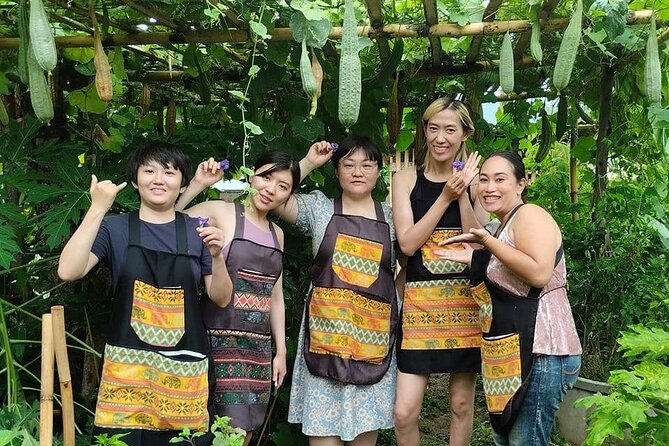
The market visit is where you get your first real education. You’ll explore the fresh food and vegetables used by the community, and you’ll see the ingredients behind the dishes you’ll cook. Even if you’re not a hardcore foodie, you’ll leave with a clearer sense of what Thai kitchens reach for again and again.
This is also the part that sets expectations. In some cooking experiences, the market tour comes with lots of explanations while you’re shopping. In one case, a participant felt the market visit leaned more on self-guided time, with fewer product-by-product details. If that’s your style preference, plan to ask questions when your guide has a moment, and don’t be shy about pointing at ingredients you recognize—or don’t.
Still, the benefit is real: you’ll connect aromas, textures, and ingredient choices to the recipes. You’ll also get ideas for what to look for when you shop for Thai ingredients later.
Organic Herb Garden Kitchen: From Growing to Cooking
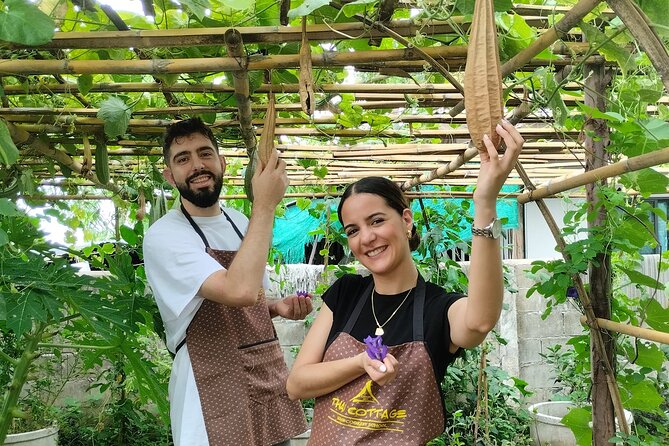
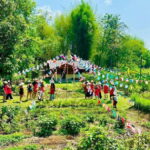
After the market, you move to the organic garden where the class cooking takes place. This is not just a pretty backdrop. Seeing herbs and vegetables in an organic setting helps you understand how Thai flavor ingredients behave when you use them.
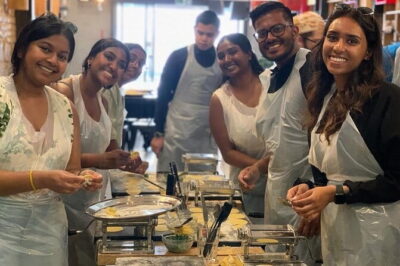
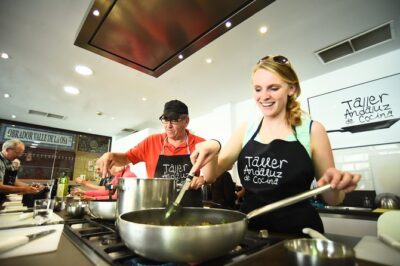
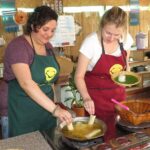
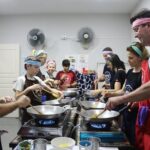
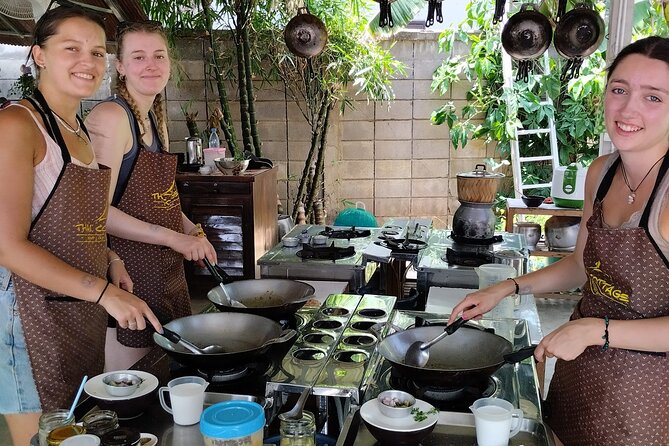
In the garden area, you’ll get a closer look at the plants you’ll likely use during cooking. Then the instruction begins in a kitchen that feels traditional Thai family-style—meaning you’re not stuck watching one person cook. You’ll be at your own station, working through the steps with the instructor guiding techniques and pacing.
The garden setting also makes the class feel grounded. You’re in Chiang Mai, but the experience stays focused on how Thai home cooking tastes and works: fresh herbs, balanced sauces, and techniques that depend on correct prep.
One practical upside from the format: the kitchen setup allows each person to cook rather than crowd around one cutting board. That helps you stay engaged and actually learn the process.
Making Curry Paste and Sticky Rice: The Core Skills You’ll Use Forever
Two parts are central to the class for everyone: making curry paste from scratch and learning how to make traditional sweet sticky rice with mango. This is the difference between a cooking class that teaches dishes and one that teaches fundamentals.
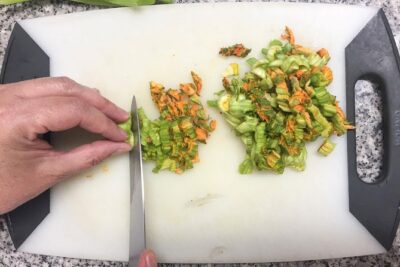
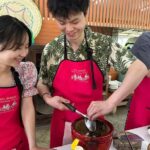
Curry paste is where Thai cooking becomes real. You’ll work with ingredients that bring aroma and depth, and you’ll learn how paste-making changes the final flavor. Once you know the logic behind the paste, you can adjust heat levels and taste balance later when you cook on your own.
Sticky rice with mango is equally important. It’s easy to think of it as dessert-only, but learning the sticky rice method matters for texture. Thai sweet sticky rice isn’t just about sweetness; it’s about getting that right chew and the right way the rice handles when served.
You’ll be taught by your cooking instructor with ingredients, recipes, and instructions available in English. In the reviews, instructors are named, including Toey, Tory, Mac, Kat, and Gataii. That’s a good sign for English comfort and teaching style variety, and it also suggests the school puts real effort into the day’s flow, even with different group needs and skill levels.
Choose Your Dishes: How the Menu Style Keeps You Interested
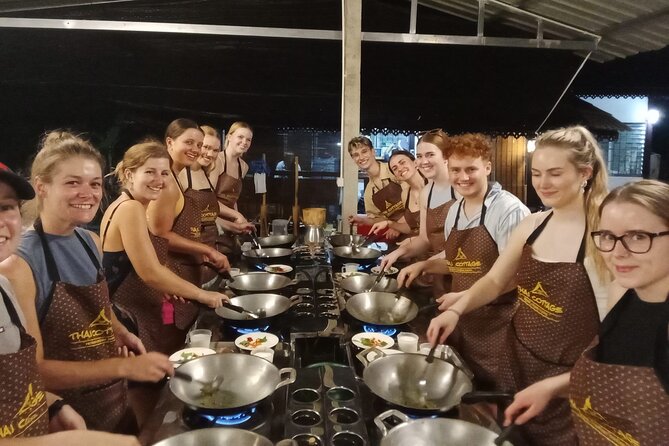
A big selling point here is choice. You can select dishes you’re interested in cooking, and you’re not forced into making something you wouldn’t pick. That’s especially helpful if you’re with family or friends who like different flavors—say one person wants a stir-fry and another wants soup.
The class is designed around cooking several dishes from different categories, plus everyone does the curry paste and sticky rice. Depending on the menu for the day, people have reported cooking combinations such as soup, stir fry, curry, and dessert. The exact lineup can vary, but the structure stays consistent: guided cooking, then you eat what you made.
That choice element changes the whole feel of the class. When you choose dishes that match your taste, you pay closer attention during prep. You taste as you go, and you learn more because you’re genuinely invested in the outcome.




The Family-Style Meal: Eating What You Cook (Without the Guesswork)
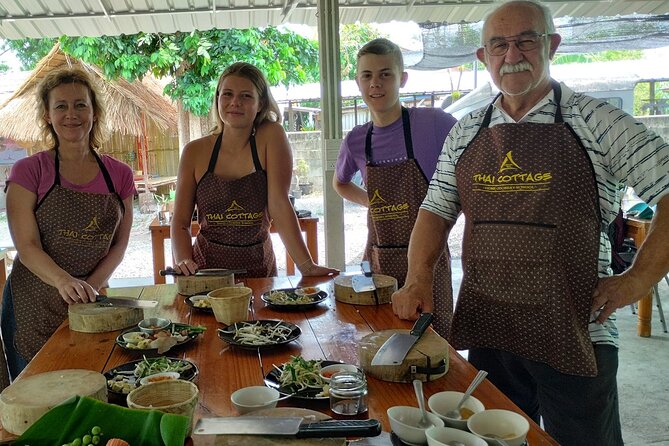
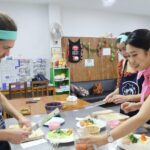
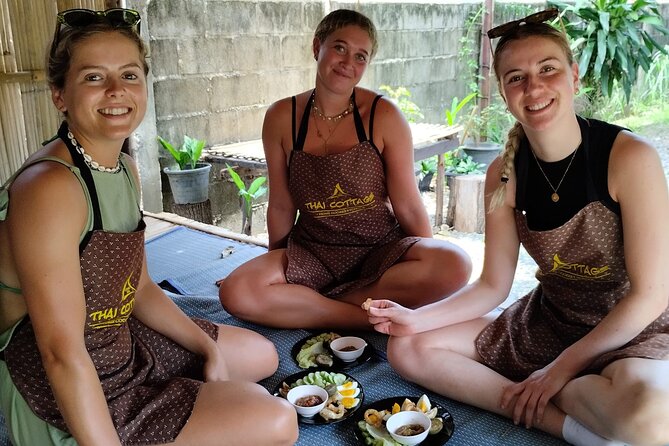
At the end of the cooking session, you eat what you cooked in a traditional Thai family-style setup. This matters because you’re not waiting for a separate restaurant meal. You’re tasting the results of your own work while the techniques are still fresh in your mind.
In reviews, the meal quality comes up again and again. People describe the food as delicious, and they highlight how the instructor keeps dishes on track. That kind of pacing is important in a group class—if one dish runs too long, the whole meal timing gets weird.
You also get a PDF version recipe book online. That’s one of the most practical parts of the experience: you’ll have the steps and ingredient list in a format you can use later. It reduces the common problem of cooking classes where you leave with great memories but no workable instructions.
Soft skill bonus: because it’s family-style, the atmosphere tends to feel social. If your goal is both learning and meeting people in Chiang Mai, this format usually delivers.
Small Group (Max 8) and Hands-On Stations: Why It Feels Personal

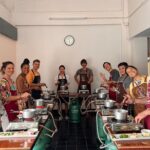
This class caps at 8 travelers, and that’s not just a number. In Thai cooking, timing is everything. If the group is too large, instructors can’t check everyone’s sauce balance, paste texture, or heat level in time.
Here, the small size helps you get feedback. Many reviews mention patient, clear instruction and good English, including guidance that supports different skill levels. People also mention the cooking school setup as organized and clean, with assistant staff helping keep stations ready between dishes.
There’s also mention of practical station design. Several reviews highlight that each person has their own cook station, which is ideal. You don’t spend half the day waiting your turn to chop or stir.
If you like learning by doing, this is a good fit. If you prefer fully guided step-by-step with minimal self-work, you might still enjoy it, but remember this is hands-on by design.
Price and Logistics: Is $35.86 Good Value?
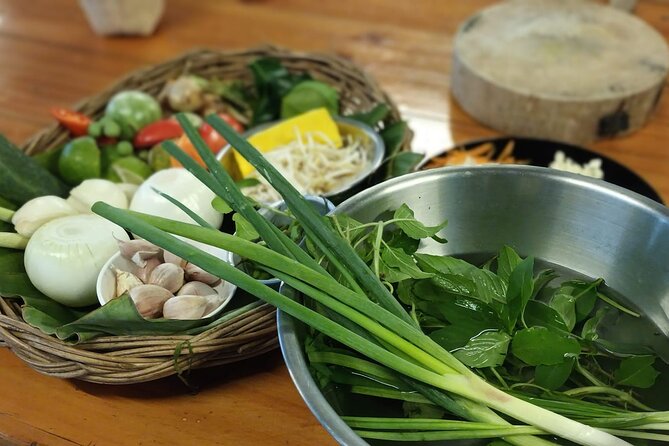
At $35.86 per person for a roughly 4-hour class, the value is strong when you look at what you get. You’re paying for:
- Round-trip hotel transfer within 3 km of the city area
- A market tour where you learn about ingredients you’ll use
- Access to an organic garden space
- Guided cooking instruction in English
- Ingredients, recipes, and instructions
- Drinking water
Alcohol isn’t included, though it can be purchased. That keeps the price focused on the cooking and food rather than adding cost for drinks you may not want.
For me, the best value signal is the combination of market + garden + cooking. You don’t just show up and cook. You see where ingredients come from, then you use them while learning techniques like curry paste-making and sticky rice.
Who Should Book ThaiCottage in Chiang Mai?
This is a great choice if you want Thai cooking that feels practical. You’ll learn skills you can repeat—especially curry paste and sticky rice—then use the PDF recipe to cook again at home.
It’s also a good fit if you like the idea of an organic ingredient setting. Even if you don’t care about farming trends, it helps you connect herbs and vegetables to flavor choices.
Pick it if:
- You want a hands-on Thai cooking class rather than a demo
- You want to taste what you cook, family-style
- You like the market ingredient concept
- You’re traveling with people who want different dishes (choice is part of the plan)
If you’re the type who wants absolutely everything made from scratch with no prep shortcuts, keep in mind there may be some items already prepared depending on the day. That doesn’t automatically make it a bad class—it just sets expectations for what learn-by-doing will look like.
Should You Book It? My Decision Checklist
Book ThaiCottage if you’re excited by the market-to-garden format and want to leave with skills, not just photos. The curriculum centerpieces—curry paste from scratch and mango sticky rice—are worth the price on their own, and the dish choice makes the class feel personal to your taste.
Before you book, do two quick checks:
- Are you within the transfer zone (within 3 km of the city area)?
- Can you handle about 4 hours with active cooking and walking between stops?
If yes, this is one of those Chiang Mai experiences that rewards attention. You’ll come away with a clearer sense of Thai ingredients, and you’ll actually know how to recreate key parts of the dishes.
FAQ
How long is the ThaiCottage cooking class?
The experience is about 4 hours.
Do they pick me up from my hotel?
Yes, round-trip hotel transfers are included, but only within 3 km from the city area.
Can I choose which dishes I cook?
Yes. After the market visit, you can choose which dishes you want to cook, with options so you’re not stuck making something you don’t like.
Do we all make curry paste and sticky rice?
Yes. Everyone learns how to make sticky rice for the sweet sticky rice with mango and how to make curry paste from scratch.
Is instruction available in English?
Yes. Ingredients, recipes, and instructions are provided in English, and you also get an online PDF recipe book.
What if weather is bad or I need to cancel?
The experience requires good weather. If it’s canceled due to poor weather, you’ll be offered a different date or a full refund. You can cancel for a full refund if you cancel at least 24 hours in advance.