REVIEW · ZANZIBAR ARCHIPELAGO
Zanzibar: Spice Farm Tour with Traditional Cooking Class
Book on GetYourGuide →Operated by Zanturtle Explore Tours and Safaris · Bookable on GetYourGuide
Spices and flavors start working on you fast. This Zanzibar outing mixes a guided spice farm walk with a hands-on Swahili cooking class, plus lunch you help make. You’ll learn what’s grown there, why it mattered historically, and how those same aromas show up in everyday coastal cooking.
I especially like the sensory part: you get to smell and taste a lineup like cinnamon, vanilla, nutmeg, lemongrass, cloves, ylang-ylang, cumin, ginger, pepper, tamarind, chili, and more. The other big win is that the food isn’t just watch-and-photos, it’s cooking with a local chef, including traditional techniques and the old-style cooking gear they replicate from earlier coastal days.
One thing to consider: this is tourism-focused, and a few experiences (including logistics like toilets) and the expectation of tips can affect the mood. If you’re sensitive to that, go in mentally prepared and keep your budget for small gratuities.
In This Review
- Key things to know before you go
- From Stone Town by van to Jambo Spice Farm: how the timing really feels
- The spice farm walk: learning by seeing, smelling, and tasting
- Harvesting vegetables and spices: turning a lesson into muscle memory
- The cooking class with a local chef: Swahili food you can recreate
- Lunch and snacks: what you’re eating
- Shopping for spices and fruits: useful souvenirs, not just trinkets
- The guide and group feel: private group, but still a shared atmosphere
- Price and value: what $61 buys you in a 5-hour day
- Small frictions to plan for: tips, toilets, and the pacing of stops
- What to bring so the day runs smoothly
- Who should book this Zanzibar spice farm tour (and who should skip it)
- Should you book the Zanzibar spice farm cooking class?
- FAQ
- How long is the Zanzibar spice farm and cooking class tour?
- Where are the pickup locations?
- Is hotel pickup and drop-off included?
- What languages are the live guides?
- Do I cook during the tour or just watch?
- Will we harvest ingredients?
- What food and drinks are included?
- Do they provide spice and fruit tasting?
- What should I bring for the tour?
- Is free cancellation available?
Key things to know before you go
- Hotel pickup in Zanzibar (Stone Town is the common starting point): door-to-door makes this much easier than trying to arrange transport on your own.
- You harvest ingredients: the day is not only a walk; you’ll pick vegetables/spices before cooking.
- Swahili cooking class with traditional methods: food is guided by a local chef and taught with old-school techniques.
- Aïcha is one of the standout cooking-class hosts: one verified guest specifically praised her teaching and the shared lunch moment.
- Strong sensory learning: tasting and smelling spices is built into the tour, not an optional add-on.
- Plan for a tip-leaning culture: multiple reviews flagged ongoing asks, so decide in advance how you’ll handle it.
From Stone Town by van to Jambo Spice Farm: how the timing really feels
The day starts with hotel pickup in Zanzibar, with Stone Town as one of the two main pickup options. You then ride in a van for about an hour. In plain terms, this is a “half-day excursion” that still takes real time on the road, so treat it like a planned activity, not something you squeeze in between beach naps.
When you arrive, you’re met for the farm portion (at Jambo Spice Farm Dole). Expect a mix of guided walking, short breaks, and time to browse or buy. The pacing matters here. The route is designed to be manageable for visitors, but it can feel busy because it’s also built to receive multiple groups.
Then the day pivots from viewing to doing. After the guided farm time and a break, you head into the cooking portion where lunch and local snacks are part of the experience. After that, you return by van for about another hour and drop off back in Zanzibar or Stone Town.
Why this matters for you: if you want a clean, calm “nature-only” outing, this won’t be that. If you want learning, smells, tasting, and a real meal at the end, the schedule fits well.
The spice farm walk: learning by seeing, smelling, and tasting
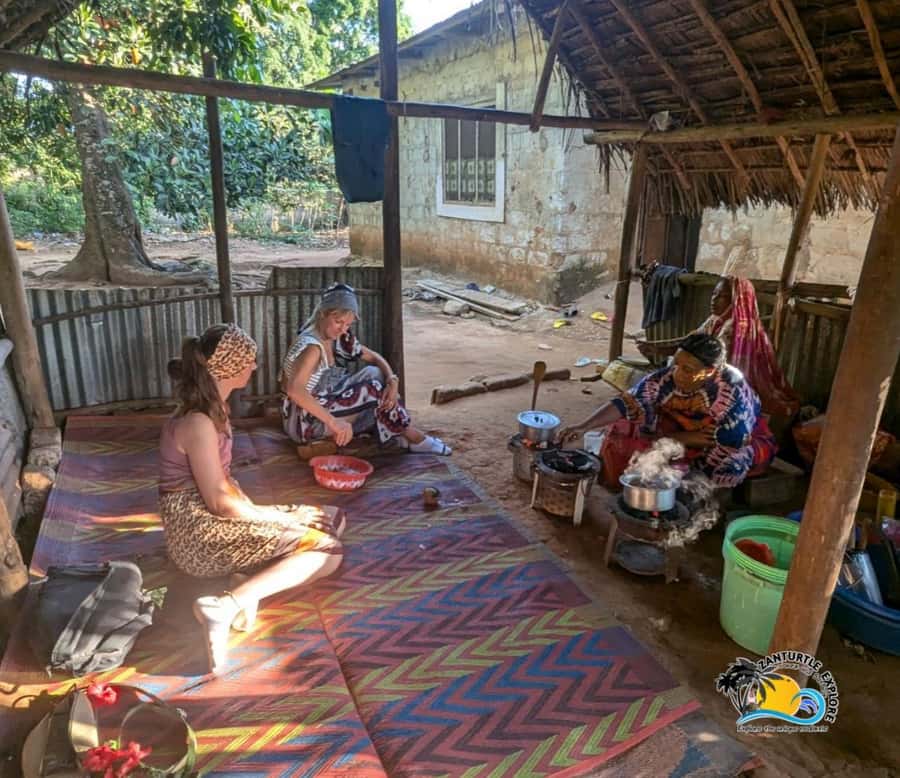
The farm component is where the tour earns its keep. You’re not just told what spices are; you’re led past plants and encouraged to connect the names to the aromas. They cover spices with the kinds of details that make you remember them later at dinner.
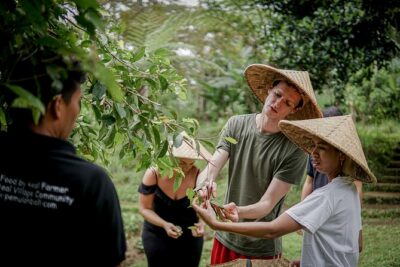
Here’s what you’re likely to experience during the tour: guides explain origins, how the spices connect to Zanzibar food, and how herbs/spices were used in practical ways beyond cooking (the program mentions culinary and medicinal uses). Along the path, you’ll taste and smell items such as cinnamon, vanilla, nutmeg, lemongrass, cloves, ylang-ylang, cumin, ginger, pepper, tamarind, and chili.
Another nice detail is the way the farm visit includes fruits. You’ll sample freshly picked tropical fruits like mango, passion fruit, avocado, papaya, local grapefruits, bananas, and pineapple. This is more than a snack stop. It helps you understand the overall flavor logic of the coast—sweet fruit beside warm spice, and herbs cutting through richness.
One potential drawback: at least a couple of reviews describe the “farm” as more like a landscaped, tourism-oriented walk than a remote working plantation. That doesn’t automatically make it bad, but it changes the vibe. Go for the learning and the cooking; don’t expect a long, solitary hike through wild acreage.
Harvesting vegetables and spices: turning a lesson into muscle memory
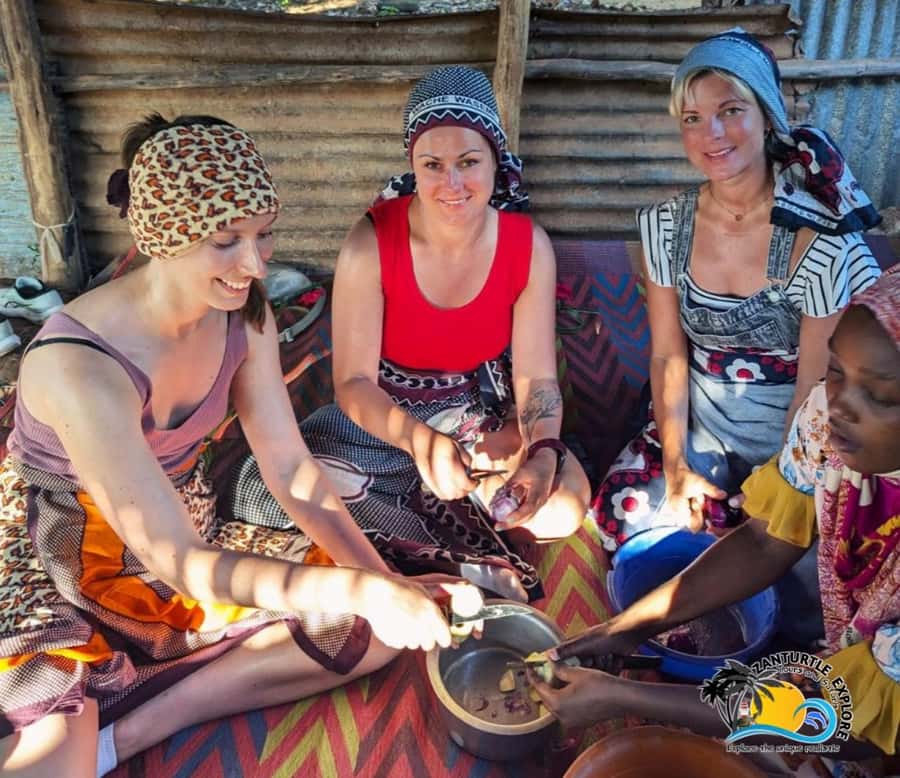
The tour includes harvesting, which is one of the best parts if you like practical experiences. You’ll walk through the ingredients and then participate in picking some of what you’ll later use in the cooking class. That changes the whole learning feel. Instead of memorizing spice names, you attach them to a plant you touched.
This harvesting step also gets you mentally ready for the cooking portion. You start noticing what’s fragrant, what’s sharp, what’s sweet-smelling. And you’ll understand why certain ingredients show up in Swahili dishes and coastal sauces.
What to expect here: you’ll wear comfortable shoes, and you’ll likely move around enough to make insect repellent and water worth it. The program is not described as rugged, but it is active.
The cooking class with a local chef: Swahili food you can recreate
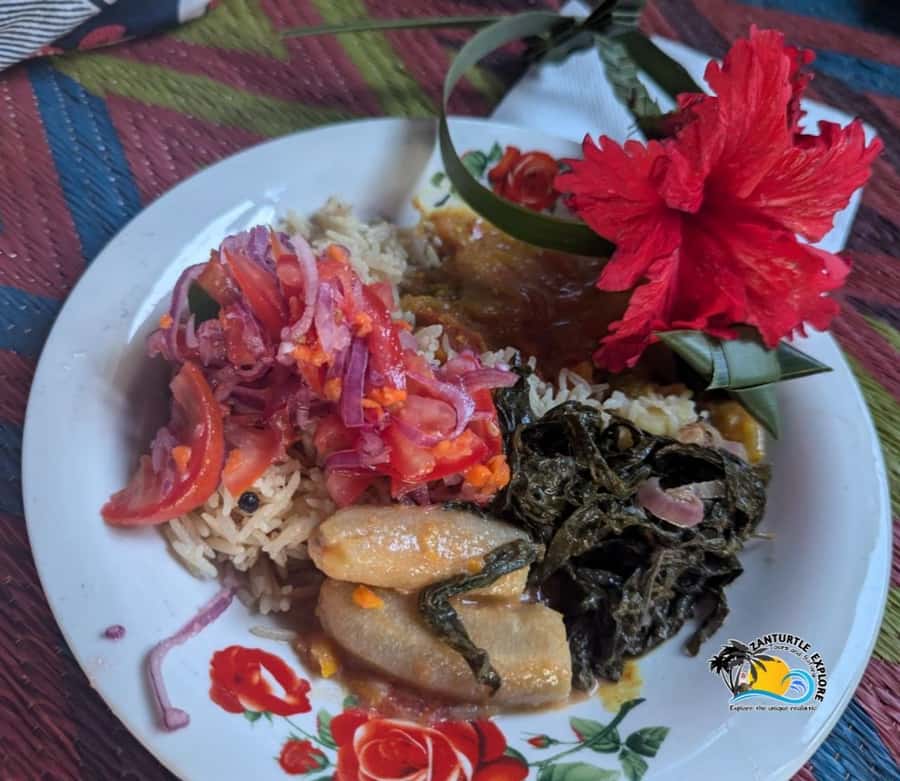
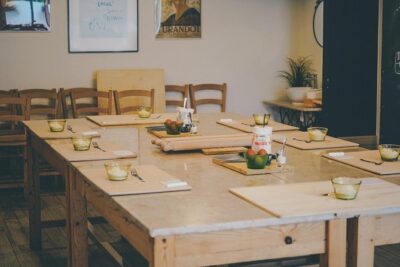
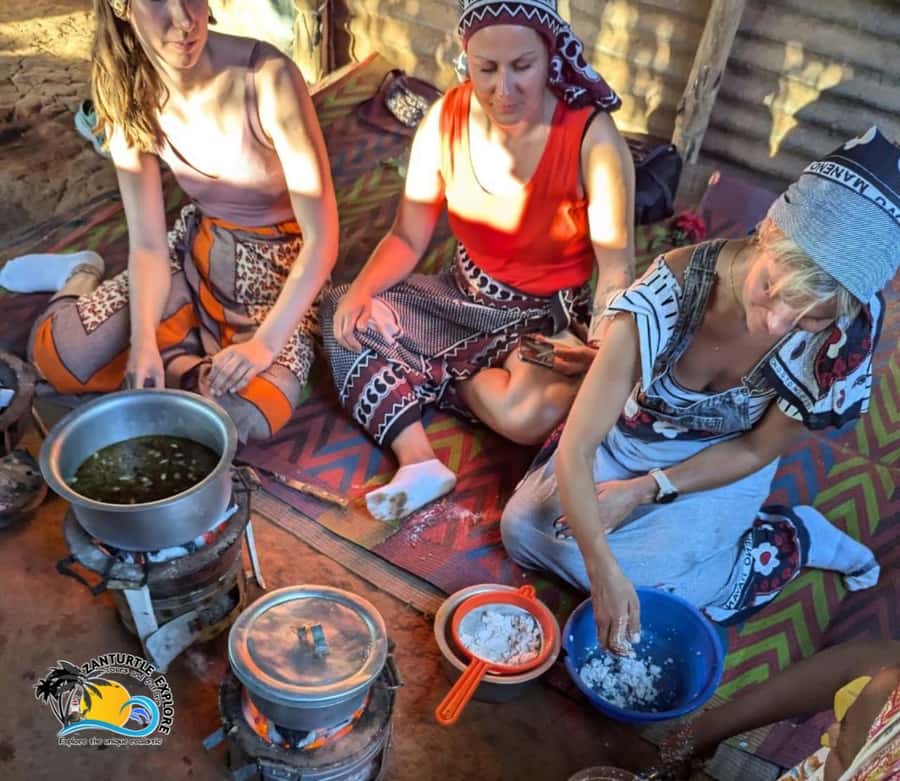
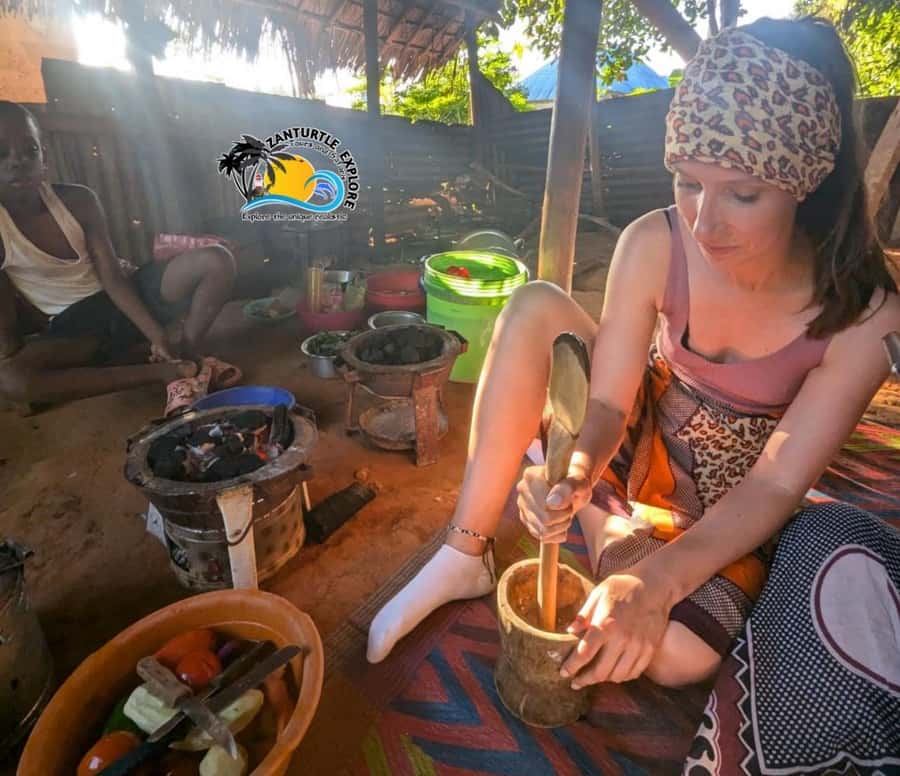
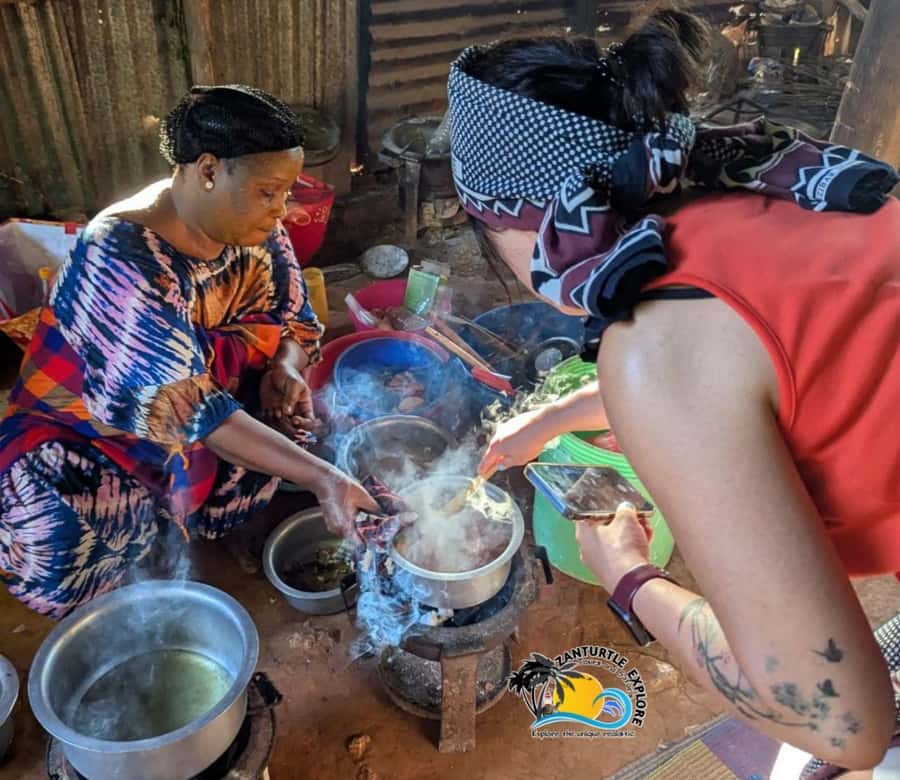
This is the highlight for most people, and the structure supports that. You arrive at the cooking area, you gather ingredients you harvested, and then you cook together with local instruction.
Traditional cooking techniques are part of the pitch for a reason. Zanzibar cuisine grew from trade winds, coastal culture, and spice routes. In a good cooking lesson, you can feel that history through how ingredients are handled—how aromatics are warmed, how sauces build, and how seasoning is balanced.
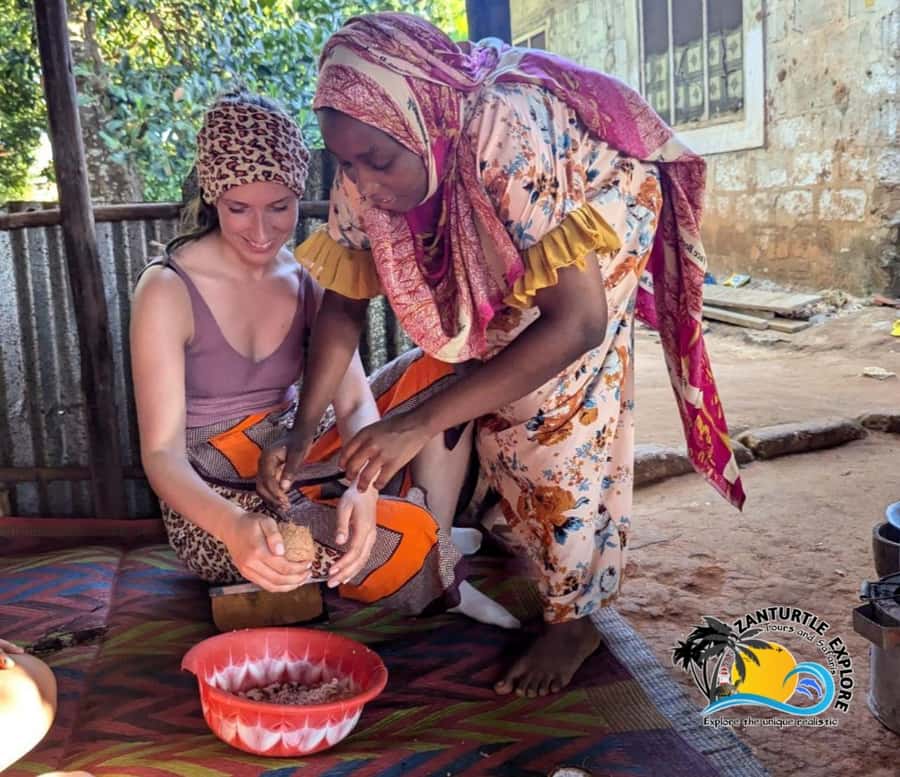
The tour also mentions replicated cooking apparatuses from earlier coastal days. Even if you can’t “date” the cookware, you’ll notice the feel: older-style methods, familiar flavors, and a sense that this is food people actually make, not just staged demonstrations.
Aïcha comes up by name in one review praising the shared lunch and the warmth of the teaching. Another common theme is that the guide or chef explains the plants and the spices’ uses, so you leave with more than just a full stomach—you leave with an ingredient map.
Lunch and snacks: what you’re eating
Lunch includes the food you cooked, plus drinks and tropical fruits. The day is designed so that the farm tour feeds into the meal, meaning you get a chance to recognize ingredients in the final dishes. There are also local snacks mentioned as part of the farm-to-class flow.
Why this is good value: a cooking class that only demonstrates and sends you home with a couple bites can be frustrating. Here, you’re guided through the process and then you eat what you made. That’s how you learn, and it’s how the $61 price starts to make sense.
Shopping for spices and fruits: useful souvenirs, not just trinkets
You’ll have time during the farm stop to browse and buy. The tour explicitly includes buying spices and fruits, which is helpful if your main goal is bringing real, shelf-stable ingredients home.
Keep it practical: decide what you’ll cook with after your trip. If you’re serious about spice cooking, cinnamon, cloves, nutmeg, cumin, and dried chili/tamarind are the kinds of items you can actually use. If you’re more of a “try once and enjoy” person, focus on small quantities and fragrant spices that won’t lose character quickly.
One review mentioned a smooth, well-run flow through the paid stops, plus the chance to buy spices—so the shopping side seems to be integrated rather than tacked on at the end.
The guide and group feel: private group, but still a shared atmosphere
This is described as a private group, and pickup/drop-off are included. That can make the experience calmer and more personal, especially if you have questions about spices, cooking, or Zanzibar foodways.
At the same time, the farm itself can be busy. A few reviews describe passing other groups along walkways and encountering multiple stops designed for visitors. If you want a quiet one-on-one with no interruptions, you may not get that at a spice-farm attraction that hosts many groups.
Also pay attention to your communication preferences. One review felt the cooking assistants weren’t very talkative during the private class. That doesn’t mean the class isn’t good—it just means the teaching style can be more instructional than chatty. If you learn best by following steps, you’ll probably be fine.
Price and value: what $61 buys you in a 5-hour day

At $61 per person for about 5 hours, the value comes from the package, not from one element.
You’re paying for:
- Hotel pickup and drop-off (they can pick you up at any hotel in Zanzibar)
- Van transport time
- A trained guide
- A farm experience with spice tour tasting/smelling
- Harvesting
- A cooking class with equipment
- Lunch, drinks, and tropical fruit
- Traditional music and dance
- Entrance and conservation fees
If you compare this to buying separate activities (a guided farm walk plus an independent cooking class plus transport), the bundled cost usually comes out better. The biggest question is your tolerance for a “tour attraction” feel and the likelihood of tip requests at multiple points. If you’re okay setting a small, planned gratuity amount aside, the overall value feels strong.
Small frictions to plan for: tips, toilets, and the pacing of stops
Here are the issues I’d flag so you don’t get caught off guard:
Tip expectations: several reviews mention ongoing asks for tips or donations, including moments like people handing you items (for example, coconut) or involving you in activities like leaf crafts. One guest described it as repeatedly expected at each stop.
Toilets: one review called the toilets terrible. That’s the kind of detail you want to know ahead of time because it can color the whole impression of a day.
Farm scale: a couple of reviews say the farm is smaller than it sounds and feels built for tourists. It’s still educational, but don’t expect a sprawling, off-the-beaten-path plantation.
Cooking class interaction style: one review noted that the cooking ladies showed how to prepare the dishes but didn’t seem interested in speaking to them. So if you want a lively conversation, you might want to ask questions directly.
What to bring so the day runs smoothly
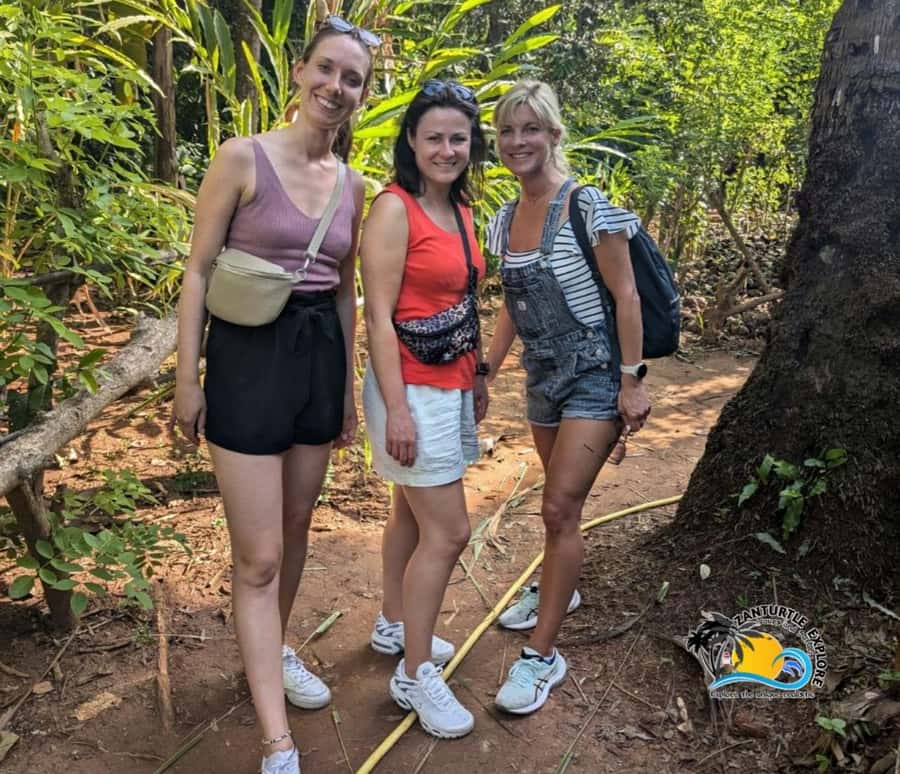
This is a “walk + cook” outing in a hot, sunny place. Pack like you’re doing two activities at once.
Bring:
- Comfortable shoes
- Hat
- Camera
- Sunscreen
- Water
- Insect repellent
I’d add one personal tip: carry a small amount of cash for snacks/spices purchases and to handle any tipping moments without stress.
Who should book this Zanzibar spice farm tour (and who should skip it)
Book it if you:
- Want a hands-on way to learn Zanzibar spice flavors instead of just hearing facts
- Like cooking classes where you eat what you make
- Want a structured half-day with pickup included
Skip it (or adjust your expectations) if you:
- Hate tip-heavy tourism culture
- Need top-notch facilities on the day (toilets were mentioned negatively)
- Prefer quiet, low-visitor nature experiences over a guided attraction format
Should you book the Zanzibar spice farm cooking class?
I’d book it if your goal is practical learning: smelling, tasting, harvesting, then cooking a Swahili meal you can repeat at home. The mix of farm walk, fruit tasting, and a real cooking class is the sweet spot.
If the idea of repeated tip asks or a busier-than-you-want atmosphere makes you cranky, set expectations early. Decide your tipping budget before you arrive, and keep your focus on the cooking portion and the aromas—you’ll get your money’s worth there.
FAQ
How long is the Zanzibar spice farm and cooking class tour?
The duration is 5 hours.
Where are the pickup locations?
Pickup is available from Stone Town in Zanzibar.
Is hotel pickup and drop-off included?
Yes. The tour includes hotel pickup and drop-off, and they can pick you up from any hotel in Zanzibar.
What languages are the live guides?
The live tour guide is available in Arabic, English, French, German, Italian, Polish, Russian, and Spanish.
Do I cook during the tour or just watch?
You cook. There is a cooking class where you prepare a traditional Swahili meal together with a local chef.
Will we harvest ingredients?
Yes. The experience includes harvesting vegetables and spices.
What food and drinks are included?
Lunch and drinks are included, along with tropical fruit. Local snacks are mentioned as part of the day as well.
Do they provide spice and fruit tasting?
Yes. You’ll taste and smell spices during the spice tour, and you’ll sample freshly picked tropical fruits.
What should I bring for the tour?
Bring comfortable shoes, a hat, a camera, sunscreen, water, and insect repellent.
Is free cancellation available?
Yes. Free cancellation is available up to 24 hours in advance for a full refund.