REVIEW · HOI AN
Hoi An: Authentic Cooking class in organic Herb Village
Book on GetYourGuide →Operated by Tra Que Water Wheels Company Limited · Bookable on GetYourGuide
Biking through green fields changes how you cook. I like how this Hoi An experience links a local market to what you actually cook, so the flavors make sense. I also love the Tra Que herb village setting, where you see herbs and spices at their source before you touch the pan.
The only catch is the day includes cycling (about 20 minutes) and it runs rain or shine, so bring a light rain layer and pace yourself.
In This Review
- Key highlights you’ll remember
- From hotel pickup to a market you can actually taste
- Cycling through rice fields to Tra Que’s calm herb village
- What “organic herb village” means for your cooking class
- Inside Tra Que Water Wheel: making four classics the hands-on way
- Table styling, photos, and a sweet fruit finish
- Price, timing, and who should book this in Hoi An
- Should you book the Hoi An herb village cooking class?
- FAQ
- FAQ
- How much does the Hoi An Tra Que herb village cooking class cost?
- How long does the tour take?
- What does pickup and getting around look like?
- What stops do you visit during the day?
- What dishes will you cook?
- Can you accommodate allergies or dietary preferences?
- Is the cooking class hands-on, and can children join?
- Does the tour run rain or shine, and can you cancel if plans change?
- What’s included, and is the basket-boat extra?
Key highlights you’ll remember
- Market first, recipes second: you shop and snack, then cook with the same ingredients you learned about
- Tra Que Water Wheel family vibe: the class feels personal, relaxed, and photo-friendly
- Herb village by hand: an over-300-year-old vegetable village growing 30+ herbs with manual methods
- Hands-on cooking with classic dishes: spring rolls, local pancake, papaya salad, clay-pot braised fish, plus banana-leaf steamed rice
- A countryside bike ride that frames the day: rice fields, cows, ducks, and buffaloes on the way to Tra Que
From hotel pickup to a market you can actually taste
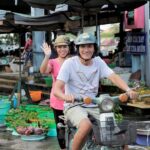
The day starts with a pickup from your hotel, then you head out together. Depending on how you’re traveling that morning, you may go by bicycle, motorbike, or car to reach the market area. It’s a practical setup for Hoi An, because you’re not wasting time figuring out routes or deals on your own.
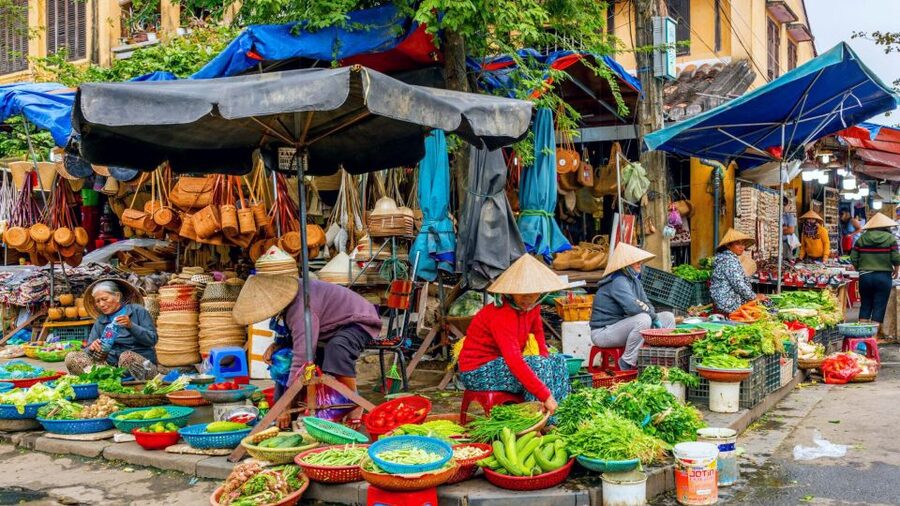
Once you arrive, you’ll spend time at a colorful local market where people shop in the real rhythm of the day. This is more than a walk-and-look stop. The market portion is built to help you understand what Vietnamese cooking depends on: fresh herbs, crunchy greens, fruits, and the spice mix people use day after day. In a good way, it turns your brain from tourist mode into ingredient mode.
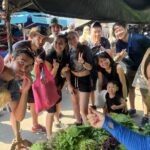
And yes, you’ll sample some things along the way. In one recount, the instructor led the market tour and shared explanations of produce and let people try items directly. That matters because once you taste something raw and bright, the cooked version later feels less mysterious and more like a skill you can repeat.
One small drawback: if you don’t enjoy busy stalls, strong smells, or the general push-and-pull of a working market, treat this part as a quick sensory sprint rather than a slow stroll.
You can also read our reviews of more tours and experiences in Hoi An.


Cycling through rice fields to Tra Que’s calm herb village
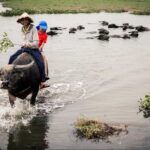
After the market, you’ll cycle for about 20 minutes through the countryside. This is one of the nicest parts of the itinerary because it breaks up the day with fresh air and simple views: rice fields and farm animals like cows, ducks, and buffaloes. If you only see Hoi An from the riverfront and old streets, this ride is a reality check in the best way.
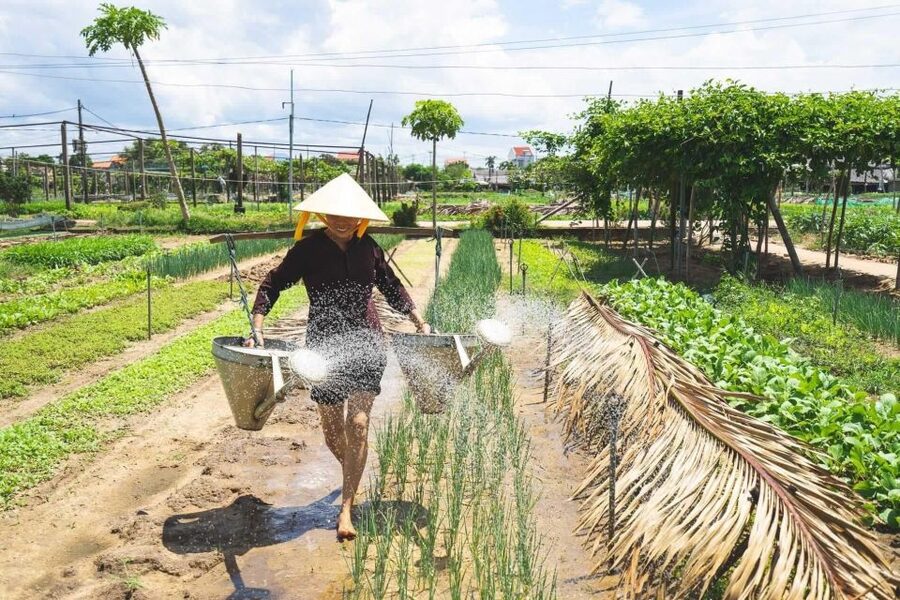
The route also gives you a mental switch: you’re heading into a place where the pace is slower and the noise drops. When you get to Tra Que, you’ll explore an herb village that’s been growing vegetables for more than 300 years. The garden methods are manual, and the place grows 30+ types of herbs. That scale is important. You’re not learning one herb shortcut. You’re seeing how Vietnamese cooking gets its “start here” flavors from a wide set of fresh plants.
You’ll also notice what’s missing: there’s no vehicle chaos in the middle of the fields. The experience description calls out the quiet, green, fragrant vegetable spaces. That’s not just scenery; it sets you up for cooking with better attention. You’re less likely to rush through the class when the setting is this calm.
What “organic herb village” means for your cooking class
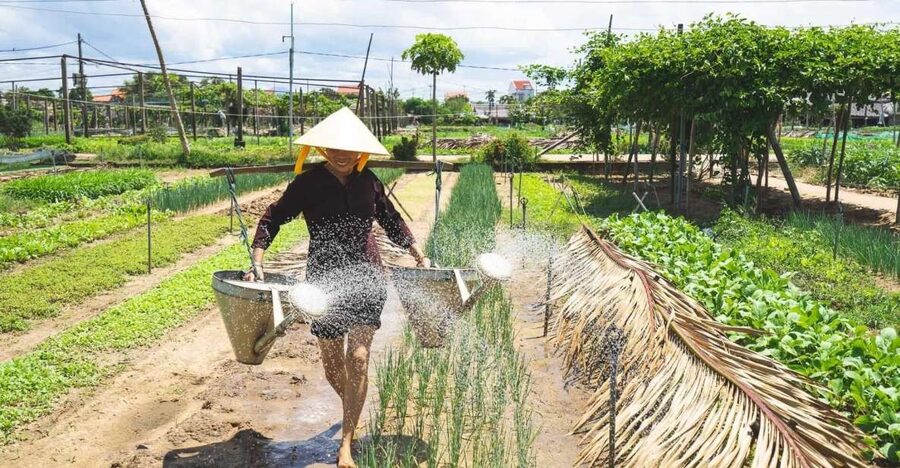
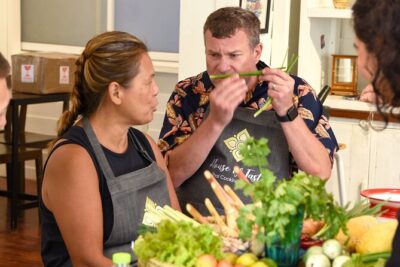
Tra Que is famous for herbs, but what you gain here is context. When you walk through rows of herbs and listen to the guide talk about daily ingredients, you start to see Vietnamese cooking as a system, not a list of dishes.
In the Water Wheel experience, you’ll learn about traditional ingredients and spices used in local meals, then you’ll put that knowledge into practice right after. That farm-to-fork rhythm is the point: it helps you understand why certain ingredients belong together and how the flavors work in real combinations.
You’ll also visit the farmers’ side of the village—exploring the nursery and seeing how the herbs are grown. One review highlights a tour of the nursery and an introduction to different herbs before the cooking started. That kind of order makes your later chopping and mixing feel purposeful, not random.
Also, pay attention to the utensils and approach. The class uses traditional Vietnamese utensils, and that changes the feel of cooking. When you stir or fold with tools locals expect, the technique clicks faster. It’s a small detail, but it’s the difference between copying a recipe and understanding what the recipe is doing.
Inside Tra Que Water Wheel: making four classics the hands-on way
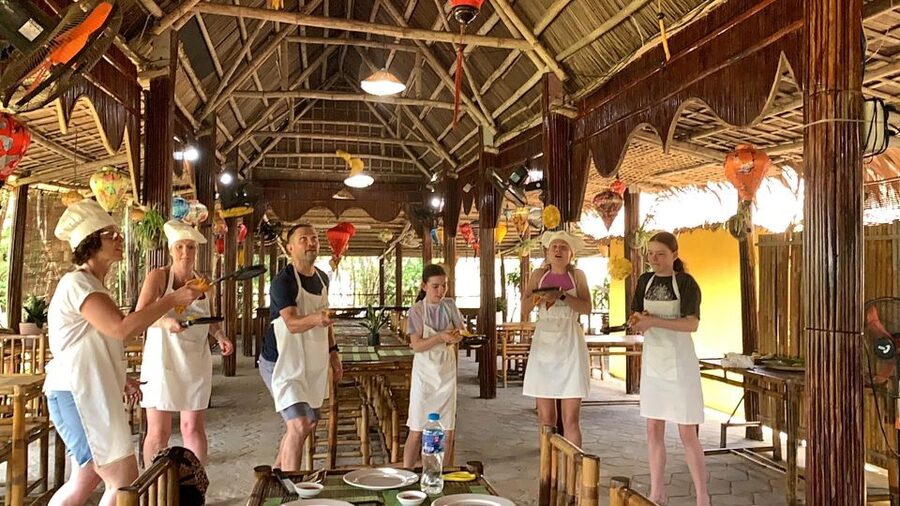
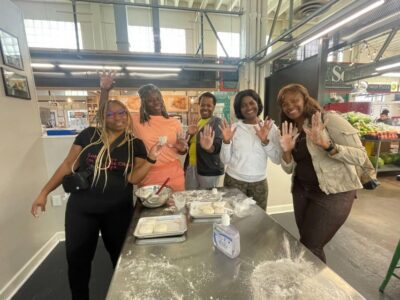
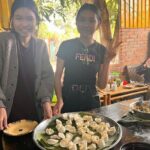
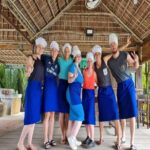
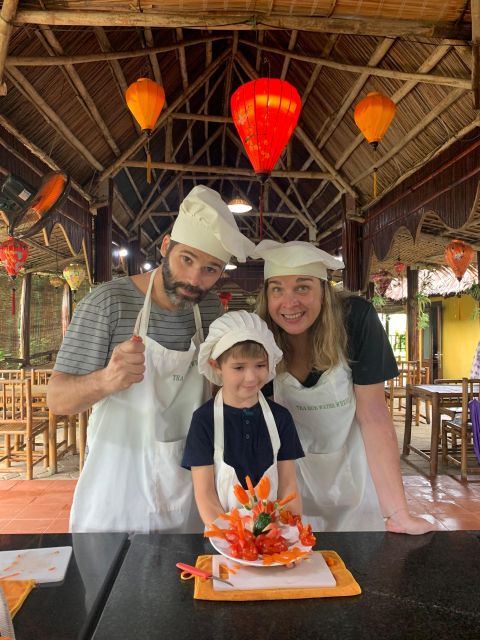
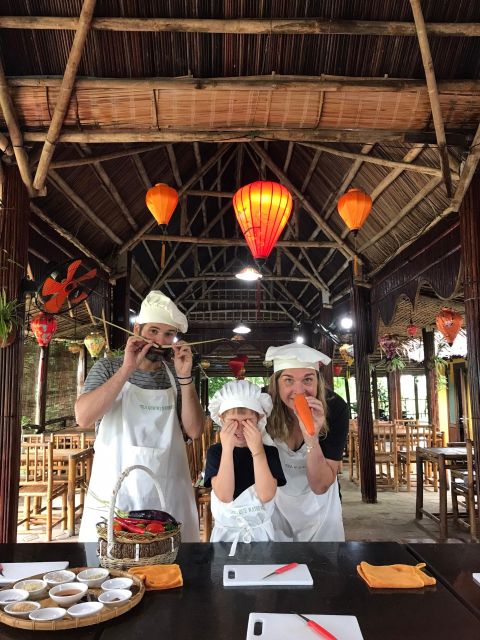
Now for the main event: you follow the local chef through a cooking class at Tra Que Water Wheel restaurant. The learning style is practical and relaxed, not stiff or lecture-heavy. Multiple reviews call out how fun the instructors make it, which matters because cooking classes go better when you’re not afraid of messing up.
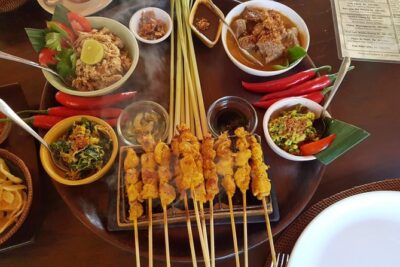
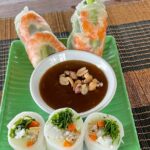
The menu focus is traditional dishes, built around flavors you can recognize from Vietnamese cooking—but with the chance to make them yourself. You’ll learn to prepare dishes including:
- Three friends spring roll
- Local pancake
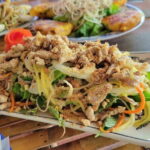
- Papaya salad
- Braised fish in a clay pot
You’ll also have steamed rice in banana leaves as part of the meal.
One important detail: the class includes four courses, and while the dish list may feel like it’s five items, the day’s structure is designed around cooking those signature dishes and then eating them as you go. Some portion of the meal includes the banana-leaf rice alongside the cooked courses, and dessert follows after you’re done.
Food you make tends to taste better, obviously. But the real win is knowing what to do differently next time. For example, papaya salad is all about balance—crunch, salt, sour, and herbs. When you’ve just walked past the herb fields and tasted ingredients at the market, you’ll have a better instinct for how bright flavors should feel on your tongue.
The clay-pot fish also benefits from that context. Clay cooking is a method locals rely on for depth and gentle heat. If you’re used to grilling or frying, the clay pot approach can teach you a new way to think about texture and moisture.
And if you’re worried about seafood, this setup can still work. One review mentions accommodation for a pescatarian, so it’s worth telling the operator what you eat and what you avoid.
Table styling, photos, and a sweet fruit finish
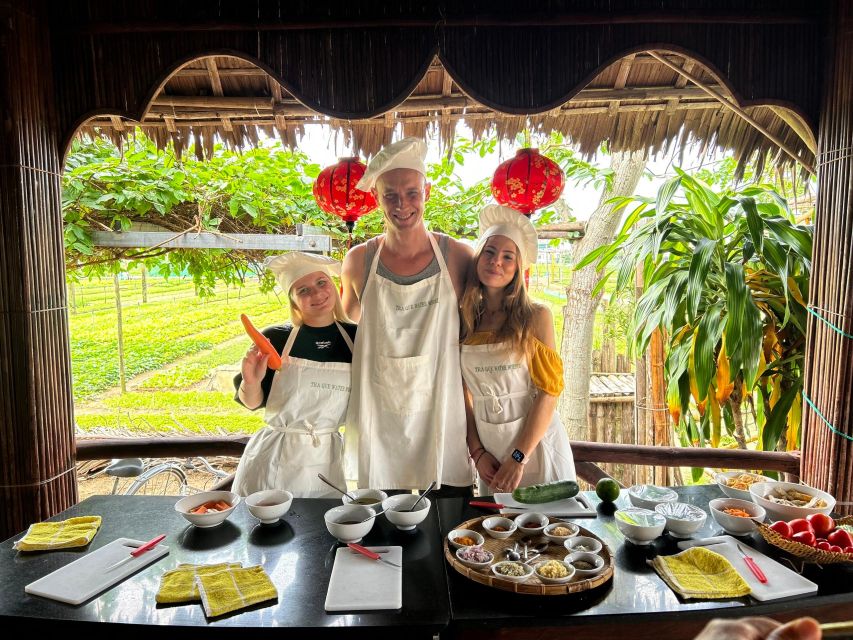
Between dishes, you’ll also get a small but memorable creativity moment: you learn how to use natural materials for decoration at the dining table. That turns the meal into something you can look at, not just eat. It’s also a handy skill to steal for dinner at home, especially if you like simple, low-cost presentation.
As the class wraps up, there’s a fresh fruit dessert. It’s a clean finish that matches the day’s theme: herbs, produce, and flavors that don’t rely on heavy sauces.
On the “make it easy to remember” side, instructors and hosts often help with photos. One review specifically says the instructor took lots of photos and videos during the activities. That’s a small comfort if you want proof the day happened without having to hand your phone to strangers.
After eating, you’ll cycle back into the busy heart of Hoi An. That contrast matters. You’re not just going to another restaurant. You’re returning from a quiet place where the day had rhythm, smells, and hands-on work—then jumping back into streets and scooters with a full stomach and better understanding of what Vietnamese food tastes like at its source.
Price, timing, and who should book this in Hoi An
The price is $41 per person for group tours. That’s not a bargain like a street-food crawl, but it’s also not a “pay for a show” cooking class. You’re getting multiple experiences in one: hotel pickup, market visit, countryside cycling, herb village tour, cooking instruction, and a meal with dessert.
It’s good value because you don’t just eat; you learn the ingredient logic and the technique. You also get access to a specific place—Tra Que vegetable village—where the farm-to-table story is part of the package, not marketing fluff.
Timing-wise, plan around a half-day. One review describes the experience as lasting about five hours, which lines up with the flow: market, ride, herb village tour, cooking, and the return cycle.
Who this suits best:
- You want an authentic Hoi An cooking class tied to real ingredients, not just recipes
- You enjoy light countryside cycling and don’t mind some outdoor walking
- You like the idea of learning Vietnamese flavors through fresh herbs, spices, and farm methods
- You’d rather spend the day with a local family team than be shuffled through a factory-style demo
If you’re only looking for a quick indoor cooking session, this might feel longer than you expect because the day includes multiple stops and time outside. If that’s you, consider whether the countryside ride is your kind of activity.
Also, double-check dietary needs early. The operator asks you to inform them about allergies and whether you’re vegetarian, vegan, dairy-free, gluten-free, and more. That’s a big deal because the day’s menu includes specific dishes, including braised fish.
Should you book the Hoi An herb village cooking class?
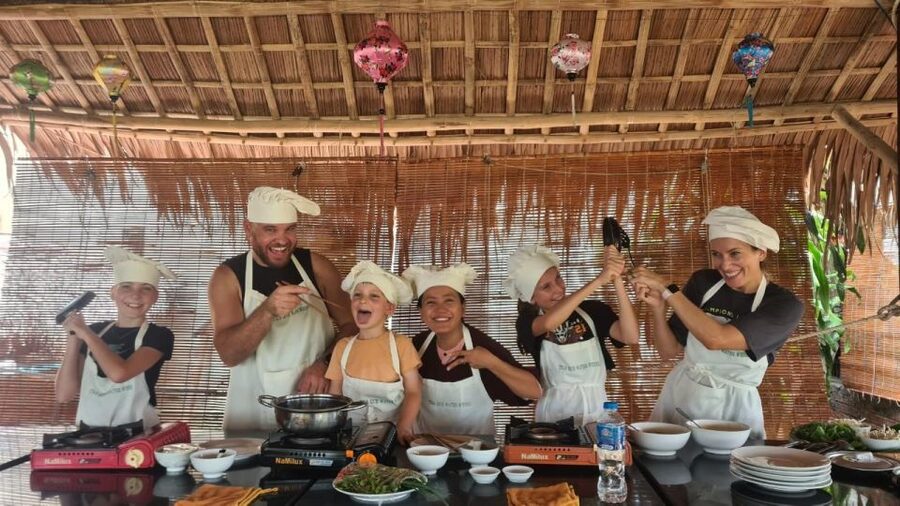
If you want a cooking class that actually teaches you something beyond taste, I think this one is worth booking. The standout strength is the sequencing: market to herbs to kitchen. It gives you a clearer mental map of how Vietnamese dishes build flavor, and it does it in a peaceful, countryside setting.
Book it if you:
- enjoy hands-on cooking
- want Tra Que herb village access
- like learning from a local chef and family setup (reviews mention Ruby and instructors such as Vi)
Skip it (or choose a different style) if:
- cycling outdoors isn’t your thing
- you’d prefer a fully indoor class with no market component
- you want a purely restaurant-style meal with minimal walking
FAQ
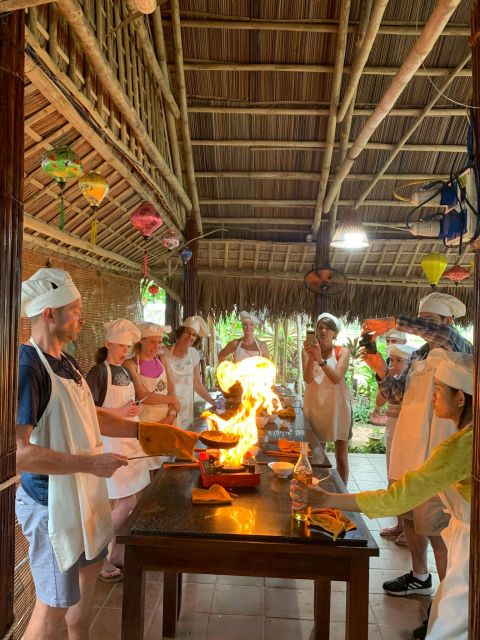
FAQ
How much does the Hoi An Tra Que herb village cooking class cost?
The group tour price is $41 per person. The price applies to group tours, and private tour pricing is available on request.
How long does the tour take?
A review describes the experience as about five hours.
What does pickup and getting around look like?
You’ll be picked up from your hotel by bicycle, motorbike, or car, then you’ll cycle for about 20 minutes through the rice fields. After the cooking and meal, you cycle back to Hoi An.
What stops do you visit during the day?
You visit a local market, then cycle to Tra Que Vegetable village to explore the herb fields and learn about herbs. The cooking class takes place at the Water Wheel restaurant.
What dishes will you cook?
You’ll learn to make dishes including three friends spring roll, local pancake, papaya salad, and braised fish in a clay pot. Steamed rice in banana leaves is also part of the meal, and there’s fresh fruit dessert.
Can you accommodate allergies or dietary preferences?
Yes. You can inform the operator about food allergies and requests such as vegetarian, vegan, dairy-free, gluten-free, and other needs, and the menu can be adjusted.
Is the cooking class hands-on, and can children join?
Children 7 years or older may join at full price. Children 6 years or younger may follow along, but for safety reasons they do not do actual cooking. Children 6 years and younger can order from the a la carte menu.
Does the tour run rain or shine, and can you cancel if plans change?
The tour takes place rain or shine. Cancellation is allowed up to 24 hours in advance for a full refund.
What’s included, and is the basket-boat extra?
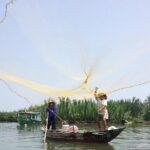
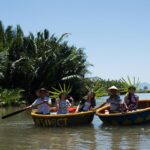
Included elements are the local market visit, cycling to Tra Que Island, welcome drink at Water Wheel Restaurant, eco-tour through Tra Que herb village, countryside life visit, cooking class with four courses, and learning table decoration with natural materials. Basket-boat in the coconut village is listed as an additional option.