REVIEW · POSITANO
Cesarine: Home Cooking Class & Meal with a Local in Positano
Book on Viator →Bookable on Viator
Cooking in someone’s home beats any restaurant. This hands-on Positano class lets you work alongside a local home cook, turning seasonal ingredients into three classic dishes you can actually recreate later. I especially like the mix of skill-building and family-style eating, with wine and coffee making the whole afternoon feel like a real Amalfi Coast hang.
What makes it work well is the small size and the personal kitchen time. You’re not shuffled through stations; you’re learning in the same place where the meals happen, and the hosts often bring in real-life stories from living in Positano—like the warm teaching style shown by hosts such as Rocco and Carla.
One possible drawback: the class experience can depend on the home and the moment. In at least one case, the setting was extremely hot with no air conditioning, and the session felt more like oversight than nonstop coaching. If you hate warm interiors or you need lots of step-by-step guidance, go in with that in mind.
In This Review
- Key takeaways before you book
- Why a Positano home-cooking class beats eating out
- Meeting your hosts and settling into the local kitchen
- Seasonal starters: learning what to build first in Positano
- Fresh pasta from scratch: the technique you’ll actually remember
- Southern Italian dessert and the sweet finish with coffee
- The tasting moment: wine, family-style plates, and pacing
- Price and logistics: is $207.07 worth it?
- Comfort and expectations: what to plan for
- Who this is best for (and who might not love it)
- Should you book this Positano cooking class?
- FAQ
- How long is the cooking class in Positano?
- Is this a private class or a group activity?
- What will I learn to make?
- Do I get to eat the food I help make?
- What drinks are included?
- Where does the experience start and end?
- What’s the ticket method?
- Can I cancel for a full refund?
Key takeaways before you book
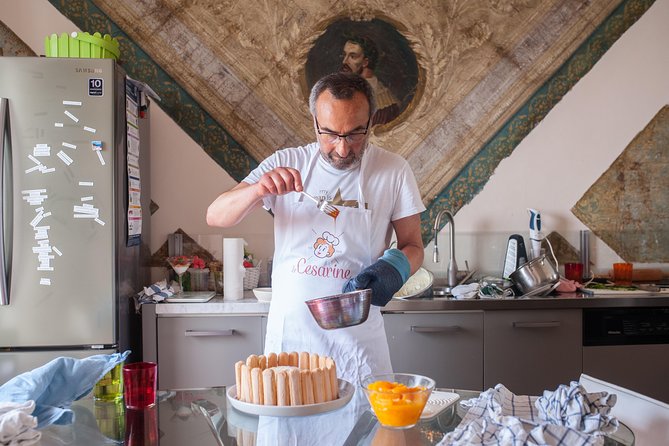
- You cook three courses: seasonal starters, fresh pasta, and a southern Italian dessert.
- It’s genuinely local: taught by a local home cook in a real Positano home, not a commercial kitchen.
- Small group cap: up to 10 people, so you get time with the instructor and hosts.
- You eat what you make: family-style tasting with wine and coffee included.
- Teaching style can vary: some sessions feel very hands-on; others lean more on guidance.
Why a Positano home-cooking class beats eating out
Positano is famous for scenery and seafood menus, but there’s only so much you can learn from a plate. A home class gives you the “why” behind the food, not just the final taste. You’re working with seasonal ingredients and learning the method behind the dishes most visitors only photograph.
I also like that this isn’t a quick demo. The timing is long enough for you to get stuck in—mixing, shaping, and tasting as you go. Then you finish by eating together, which is when the learning clicks. The wine and coffee don’t feel like an add-on; they’re part of the rhythm of the meal.
You can also read our reviews of more tours and experiences in Positano.



Meeting your hosts and settling into the local kitchen
The experience starts in Positano, and it ends back at the same meeting point. You’ll receive confirmation at booking time, and you’ll use a mobile ticket. It’s also described as near public transportation, which matters in Positano because getting around can be its own mini-adventure.
The kitchen setup will be a real home kitchen, not a studio. That’s a good thing if you want authenticity. It’s something to consider if you’re sensitive to heat or you expect lots of built-in comfort like air conditioning. One guest experience pointed out that the home didn’t have air conditioning and it was extremely hot, so I’d plan accordingly in warmer months.
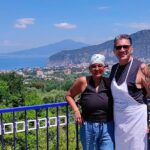
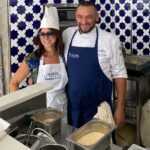
As for the human factor, the best part of the class is how warmly the hosts show you around their routine. In one standout session, hosts named Rocco and Carla came across as friendly, excellent teachers, and very gracious, which can make a big difference when you’re in someone else’s space.
Seasonal starters: learning what to build first in Positano
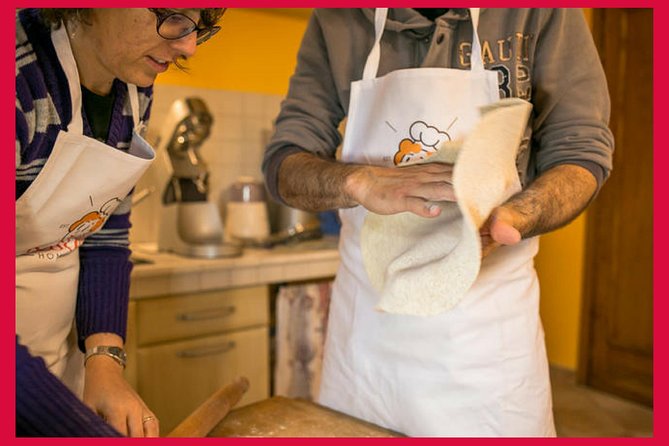
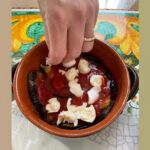
You’ll start with a seasonal starter, and that’s more important than it sounds. Starters are where Italian cooking shows its logic: seasonality first, then technique, then balance. By starting there, the class sets you up with taste benchmarks—what “right” smells and textures feel like.
In a home setting, the starter phase often includes quick lessons you can reuse at home: how to season as you go, how to manage prep efficiently, and how to taste before you serve. Even if you don’t copy every ingredient exactly, you’ll leave with a better sense of how southern Italian flavors are layered.
Fresh pasta from scratch: the technique you’ll actually remember
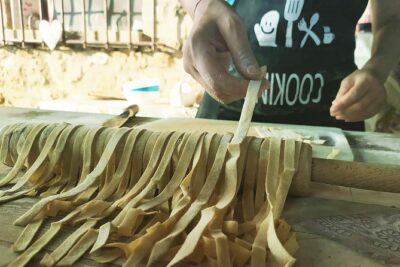
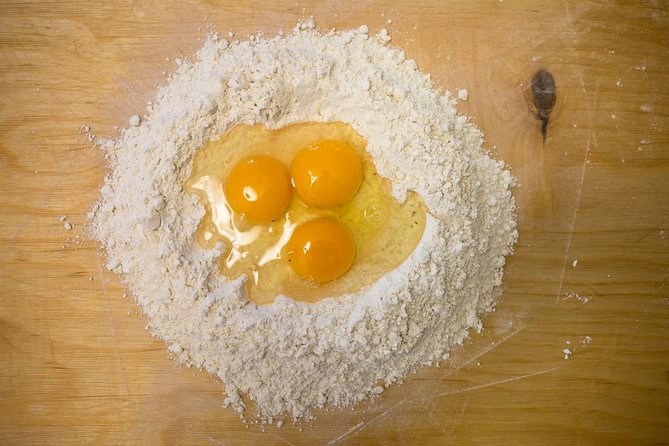
Fresh pasta is the headline skill here, and for good reason. When you make pasta yourself, you stop treating it like a product and start seeing it as a process. The class focuses on fresh pasta from scratch, so you’re learning the steps that affect the final bite: working the dough, shaping, and moving from raw to something ready to eat.
This is the part where I think the value is highest. Restaurant pasta tells you the outcome; a scratch session teaches you control. If you’re the type who loves cooking but gets frustrated when recipes don’t match your expectations, this is where you gain confidence.
One caution: the level of hands-on teaching can vary. Some people felt the class was more oversight than hands-on instruction, meaning they still learned, but didn’t feel as guided minute to minute. If that’s your preference, arrive ready to ask questions and keep an eye on how the instructor is positioning you—hands on, spot checks, or more demonstration.
Southern Italian dessert and the sweet finish with coffee
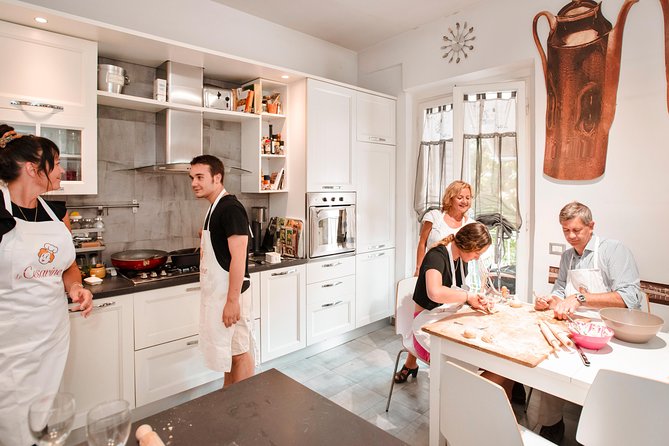
Then comes the classic southern Italian dessert. This part of the menu is usually where home cooking feels most personal, because desserts often reflect a family style rather than a rigid restaurant formula.
The class includes this course as part of the same three-course flow, so you’re not just watching. You’re learning how the dessert is made and how it fits into the overall meal. Ending with dessert also changes the pace: you get a calmer moment after pasta, and coffee becomes part of the closing rhythm.
The dessert itself isn’t described in extra detail here, so don’t expect a specific named recipe before you arrive. Instead, expect technique and guidance for the style of dessert used in southern Italy—enough to give you a framework to cook something similar later.
The tasting moment: wine, family-style plates, and pacing
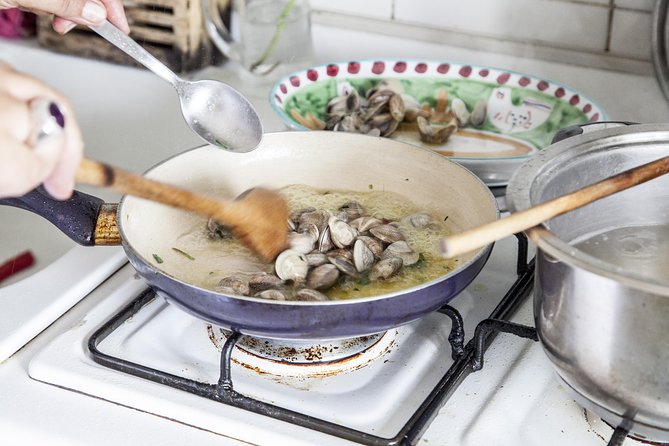
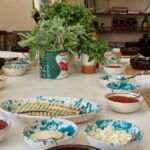
At the end, you sample the three dishes you helped prepare together in a family-style tasting. You’ll have a glass of local wine with the meal, and coffee is included too. This matters because you’re not just “done” when you stop cooking. You taste with the hosts, and that turns lessons into memory.
Family-style eating also means the meal flows differently than a restaurant. You’ll likely pass dishes around, talk while you eat, and adjust with the group—based on what you made and what your hosts suggest. It’s a simple setup, but it’s one reason these classes feel memorable.
If you’re thinking about meal timing, note the whole experience is about 3 hours. That’s long enough for real prep, plus a proper sit-down tasting, but not so long that you’ll feel stuck. It’s a great way to balance beach time with something that feels meaningful.
Price and logistics: is $207.07 worth it?
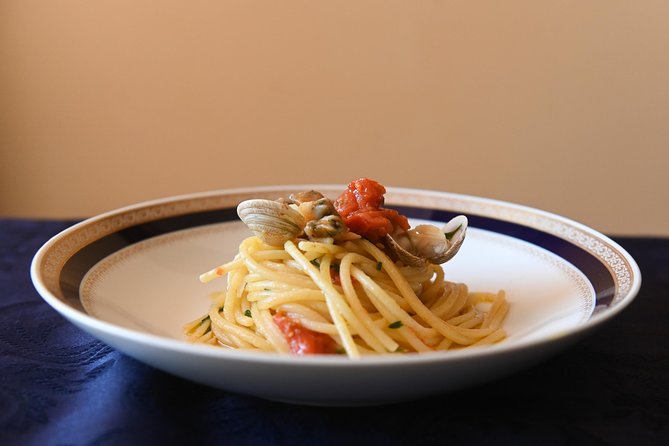
At $207.07 per person for an approximately 3-hour private home cooking class, this isn’t a budget activity. The value comes from what’s included and what you’re paying for: real instruction in a home kitchen, ingredients and preparation for multiple courses, plus wine and coffee.
You’re also paying for the “local factor.” You get more than recipes. You get the context of how someone in Positano actually cooks and lives—stories and small lessons that a cooking video can’t replicate.
Group size matters too. The cap is listed as a maximum of 10 travelers. In practice, smaller groups typically mean more attention and less waiting. Even if the class is described as private, you still benefit from that small cap because it limits crowd energy and helps the host keep things smooth.
For timing, the average booking is about 19 days in advance, which suggests it’s popular. I’d reserve earlier if your dates are fixed, especially in high season when Positano fills fast.
Comfort and expectations: what to plan for
This experience depends on the home setting. Most of the time that’s what makes it charming. But it can also be the reason for discomfort if conditions are tough.
So here’s what I’d plan for, based on the range of experiences described:
- Warm-weather reality: if you’re traveling in hot months, consider that the home may not have air conditioning.
- Teaching style: be ready to learn even if the instructor is more guided oversight than constant hands-on correction.
- You want participation: the best outcomes come when you lean in—ask questions, taste while cooking, and don’t just watch.
The good news is that when it clicks, it can become one of your trip anchors: people describe meeting an incredible family, learning with fresh local ingredients, and leaving with both recipes and the feeling that they belonged at the table.
Who this is best for (and who might not love it)
This class is a strong match if you:
- Want a break from scenic sightseeing and food tourism that stops at tasting
- Enjoy cooking and want a method lesson, especially fresh pasta
- Like small-group experiences where conversation is part of the meal
- Want a more personal, home-based version of “Italian cooking”
You might think twice if:
- You’re very heat-sensitive and need air-conditioned comfort
- You expect nonstop hands-on coaching every minute and get uneasy when the instructor steps back
- You dislike wine being part of the meal format (it’s included as a glass of local wine)
Should you book this Positano cooking class?
Yes, I’d book it if your goal is learning and connection, not just checking an activity off. The combination of three courses, a small group, and eating what you make with wine and coffee is a lot to get in one session. If you cook even a little at home, you’ll get real takeaway skills from pasta and a sense of how southern Italian meals are built.
My only real hesitation is the comfort variable. If you’re going during hotter weather or you know you need air conditioning, plan to dress light, bring water, and mentally expect a home kitchen environment.
If you want a memorable Amalfi Coast moment that feels personal, this is exactly the kind of experience that can stick with you long after your pasta sauce hits the skillet.
FAQ
How long is the cooking class in Positano?
It runs for about 3 hours.
Is this a private class or a group activity?
It is hosted by a local home cook and the experience is described as private, with a maximum group size of up to 10 travelers.
What will I learn to make?
You’ll learn seasonal starters, fresh pasta, and a classic southern Italian dessert.
Do I get to eat the food I help make?
Yes. You’ll taste the three dishes you prepared together in a family-style tasting.
What drinks are included?
A glass of local wine is included, along with coffee.
Where does the experience start and end?
It starts in Positano and ends back at the meeting point.
What’s the ticket method?
You’ll receive a mobile ticket.
Can I cancel for a full refund?
Yes. Free cancellation is available up to 24 hours before the experience start time for a full refund.