REVIEW · AMALFI
Amalfi: Mozzarella, Fettuccine, and Tiramisù Cooking Class
Book on GetYourGuide →Operated by Cookingclass Con Ferdinando · Bookable on GetYourGuide
Fresh mozzarella and Amalfi views in one sitting. This 3-hour class on the coast turns you into the chef, with hands-on work making mozzarella, fresh pasta, and tiramisù, plus a farmhouse tour and real farm ingredients. I really like that the focus stays practical: you learn the steps, not just the story.
The best part is the combination of from-scratch food and the scenery outside. You’ll prepare tiramisù by layering ingredients, shape fresh tagliatelle dough from flour, oil, and eggs, and get Ferdinando’s guidance while you cook. You’ll also sit down to what you made with local wine and a limoncello tasting.
One caution: this place is not right in Amalfi town. You’ll want to plan transport carefully and double-check bus times, and the venue can be a little tricky to locate at first.
In This Review
- Key takeaways before you go
- What You’ll Make: Mozzarella, Tagliatelle, and Tiramisù
- Pianillo Farm Life: Km0 Organic Ingredients and a Real Kitchen Setting
- Tiramisù First: Learning the Layers and Waiting for the Right Moment
- Ferdinando’s Mozzarella: Traditional Technique You Can Actually Remember
- Tagliatelle Dough: Flour, Oil, Eggs, and the Feel of Fresh Pasta
- The Amalfi Coast View Works as Part of the Course
- What You Eat: Lunch or Dinner Paired with Your Work
- Price and Logistics on the Amalfi Coast
- Who Should Book This Cooking Class (and Who Might Want Something Else)
- Should You Book It?
- FAQ
- How long is the Amalfi Coast cooking class?
- Where does the class take place?
- What dishes do you learn to make?
- Is lunch or dinner included?
- Do I need to bring my own ingredients?
- Is there a vegetarian option?
- Can the class accommodate gluten or lactose intolerance?
- What’s included in the price?
- Is hotel pickup included?
- FAQ
- How far in advance should I plan transport?
- Is the class only for people who will cook?
Key takeaways before you go
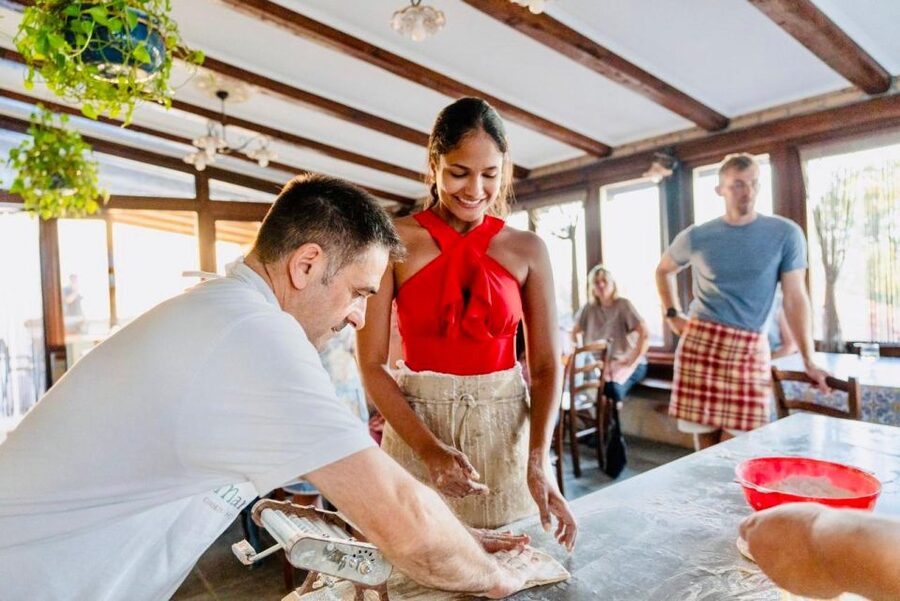
- Mozzarella from scratch using traditional techniques (not a shortcut kit)
- Tiramisù layering skills so you know how it comes together, step by step
- Tagliatelle dough practice with flour, oil, and eggs so you can repeat it later
- Farm-to-table ingredients from Km0 organic production
- Wine and limoncello paired right into the experience, not as an afterthought
- Panoramic Amalfi Coast views while you cook and while you relax
What You’ll Make: Mozzarella, Tagliatelle, and Tiramisù
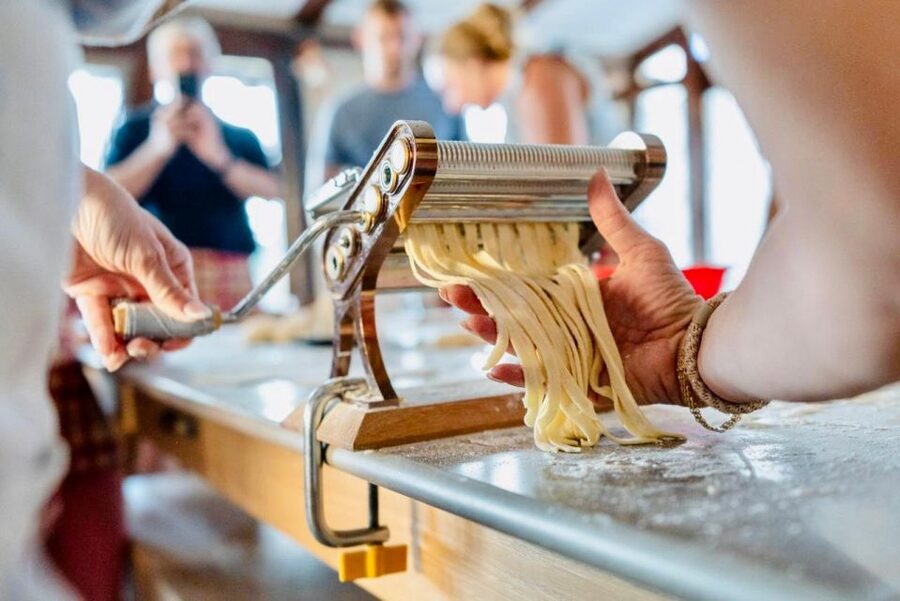
This class is built around three dishes that actually matter in Italian cooking, and you work on all three. The arc is clever: you start with tiramisù (where technique is about layering), move to mozzarella (where technique is about hands-on transformation), and finish with tagliatelle (where technique is dough feel and timing).
Mozzarella is the main flex. Instead of melting something and calling it mozzarella, you’re guided through making it from scratch. That matters because you learn what to look for while it’s happening—texture, consistency, and the point where it’s ready.
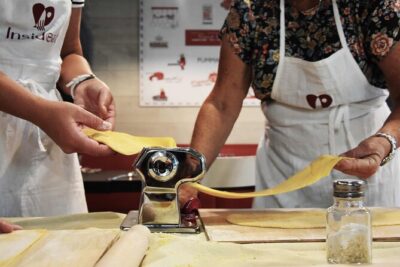
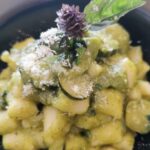
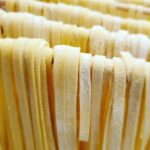
Then comes tagliatelle, the fresh pasta you can eat right away or master for later. The class teaches a dough made from flour, oil, and eggs. Getting that base right is how you avoid dry pasta, tough pasta, or dough that won’t roll.
Finally, tiramisu gives you the most repeatable home skill. You learn how the layering creates the final result, and why timing is part of the dessert. You’re not just dumping ingredients in a bowl—you’re building structure.
If you like learning by doing, this format works. It’s also a nice “food win” for non-experts: each dish is approachable because the instruction breaks it down into steps.
You can also read our reviews of more tours and experiences in Amalfi.
Pianillo Farm Life: Km0 Organic Ingredients and a Real Kitchen Setting
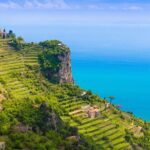
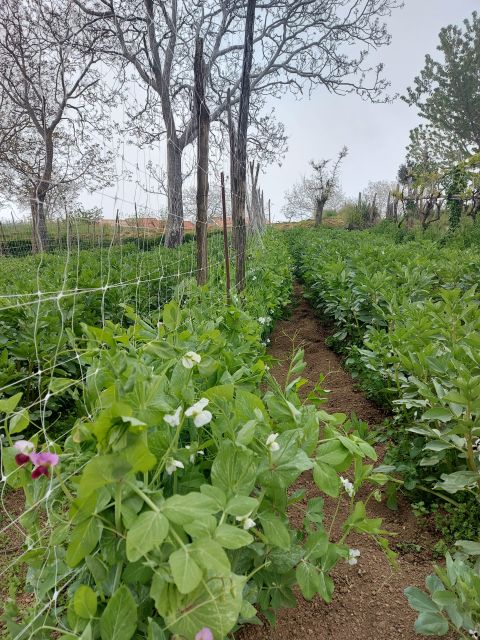
The location is Pianillo on the Amalfi Coast, and you don’t just show up to a classroom. You start with a guided tour of the farmhouse and get a close look at the ingredients coming from the property. The food is described as local and Km0 biological (organic), which makes a practical difference.
When ingredients are fresher and sourced locally, flavors taste louder. You notice it most with things like milk and eggs used for mozzarella and pasta dough, and with the overall ingredient freshness in the meal you eat afterward. Even if you’re a casual cook, you’ll feel the difference right away.
The farm setting also changes the vibe. Instead of rushing through a standard tourist stop, you get a slower rhythm: welcome, tour, then hands-on cooking. And the views help, too. While you work, you’re framed by the Amalfi Coast panorama, so you’re not stuck in a cramped room.
One more point I value: the class is family-run in spirit. You see that in how the kitchen experience feels welcoming and lively, not stiff. It tends to make first-timers comfortable.
Tiramisù First: Learning the Layers and Waiting for the Right Moment
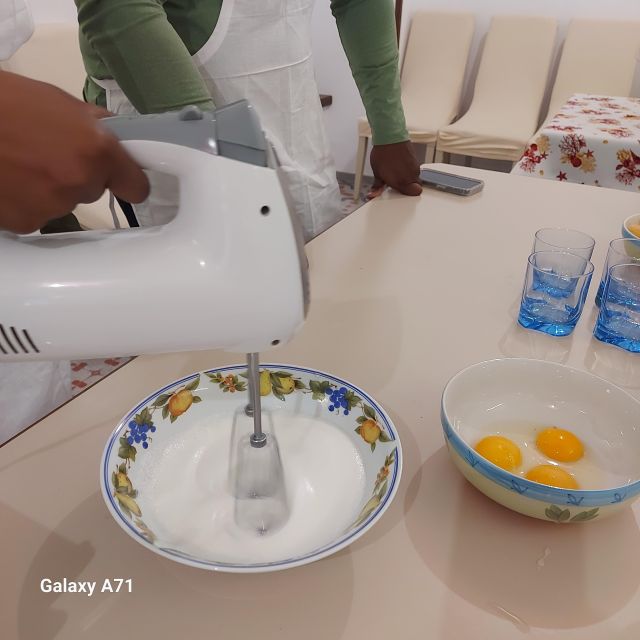
Starting with tiramisu is smart because it teaches technique without pressure. The class walks you step by step through how to layer ingredients so the dessert sets properly. That “layering mindset” is where most home-made tiramisù goes wrong—people mix everything together and skip the structure.
You’ll build the dessert, and then you wait until it’s at the right point to eat. One nice detail from the way the day is run: you don’t rush straight from assembly to serving. The dessert needs time, and the class handles that timing so you get a good final texture.
If you’ve only had tiramisù from cafes, this teaches you the difference between flavor and structure. The taste matters, but the layers are what make it feel creamy without turning into a sloppy mess.
Also, since the class runs in an English/Italian teaching format, you’re not stuck guessing what you’re doing. If you ask questions while building the layers, you can usually get clarity on what to aim for (thickness, distribution, and balancing sweetness).
Ferdinando’s Mozzarella: Traditional Technique You Can Actually Remember
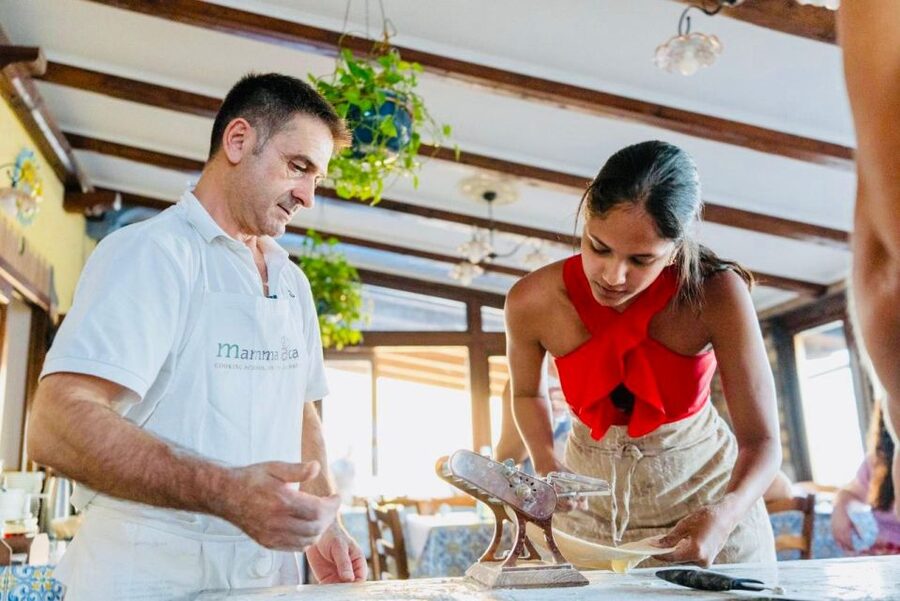
Making mozzarella is the part that most people remember even months later. The class frames it as traditional work starting from scratch, which means the process is the lesson. Ferdinando guides you through the steps using ancient and traditional techniques, and you learn what the mozzarella should look and feel like as it comes together.
Here’s why this matters for you: mozzarella isn’t just a recipe. It’s a craft. If you want to recreate it later, you need more than ingredient lists—you need the cues. The class style is designed to give those cues while you’re doing it, not after.
The experience also tends to be humorous and light, so it doesn’t feel intimidating even if you’re not a “kitchen person.” Instruction is described as patient and encouraging, with cooks guiding each stage.
Diet note: the class offers a vegetarian option, and the teaching team can adjust in certain cases (one person noted they didn’t use eggs and the recipe was adapted, still tasting delicious). If you have specific needs, tell the operator at booking so the plan matches your situation.
Tagliatelle Dough: Flour, Oil, Eggs, and the Feel of Fresh Pasta
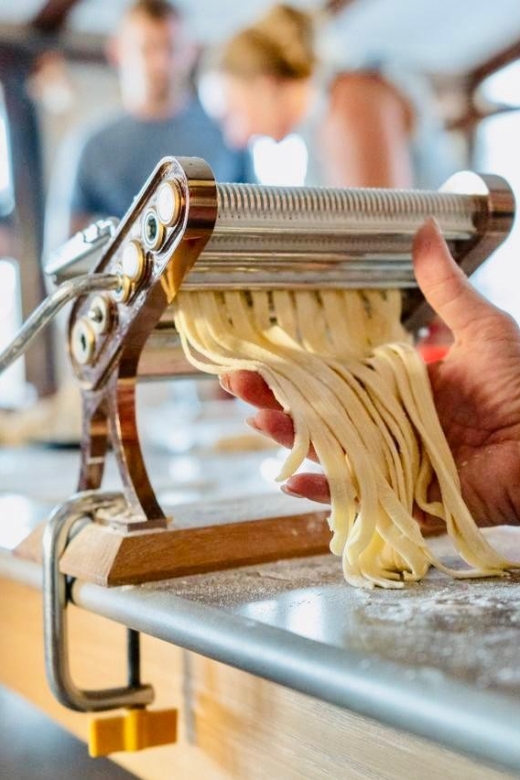
After mozzarella, you shift to something that feels more flexible: tagliatelle. The class uses a dough made with flour, oil, and eggs, and the chef guides you through getting the dough right. Fresh pasta is about feel—how it comes together, how it stretches, and when it’s ready.
This is a great section if you’ve ever struggled with dry pasta at home. When dough gets too firm, it rolls poorly. When it gets too soft, it tears. Learning the steps here gives you a sense of balance you can reuse later.
You’ll also learn that pasta in real life is often a team sport. In this kind of class, there’s hands-on work, but there’s also a kitchen flow behind the scenes to make sure everything is ready for serving. That means you get the satisfaction of making it yourself without ending up with a dinner disaster.
One more perk: you’ll likely get time outdoors while cooking and relaxing. The class pairs the food work with the panoramic Amalfi Coast view, so it feels more like a day experience than a rushed meal stunt.
The Amalfi Coast View Works as Part of the Course

This class isn’t only about cooking. It’s also about the setting, and the setting is doing real work for the experience.
While you cook, you’re taking in panoramic views over the Amalfi Coast. That changes how the whole 3 hours feels. You’re not trapped in one spot. Even short breaks feel like a reward, and that helps the class go faster in the best way.
There’s also a tasting component that starts early: local wine is part of the welcome, and the day includes local wine and limoncello tasting. In practice, that means you don’t wait until the end to enjoy the regional flavors.
If you’re the kind of traveler who wants food plus atmosphere, this delivers. It’s not a show with scripted lines; it’s a farmhouse experience where the view is real and the wine is part of the rhythm.
What You Eat: Lunch or Dinner Paired with Your Work
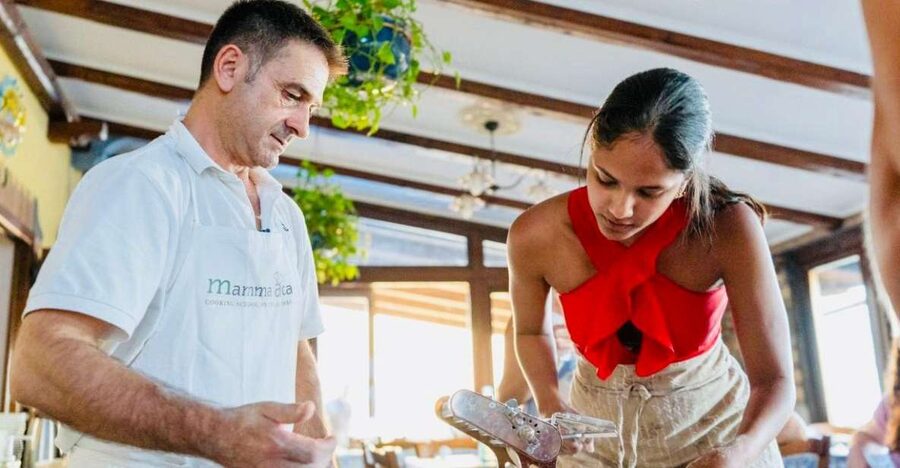
You’ll enjoy what you make, and the class includes lunch or dinner depending on the time of your session. That matters because timing affects hunger and the pace of the day. Either way, the meal is built around the dishes you prepared: mozzarella, tagliatelle, and tiramisù.
In a good cooking class, the finale is the proof. Here, the proof is your plate. You taste food that came from your hands, not just from a kitchen display case.
Also, the class includes farm tour plus tasting, so you’re getting more than “cook, eat, leave.” You’re getting context for the ingredients and a real taste of the region—especially with the wine and limoncello.
Come hungry but not reckless. Fresh pasta takes energy, and you’ll likely be snacking and tasting during the session. If you’re planning to be out after, drink water too. Amalfi sunlight is no joke.
Price and Logistics on the Amalfi Coast
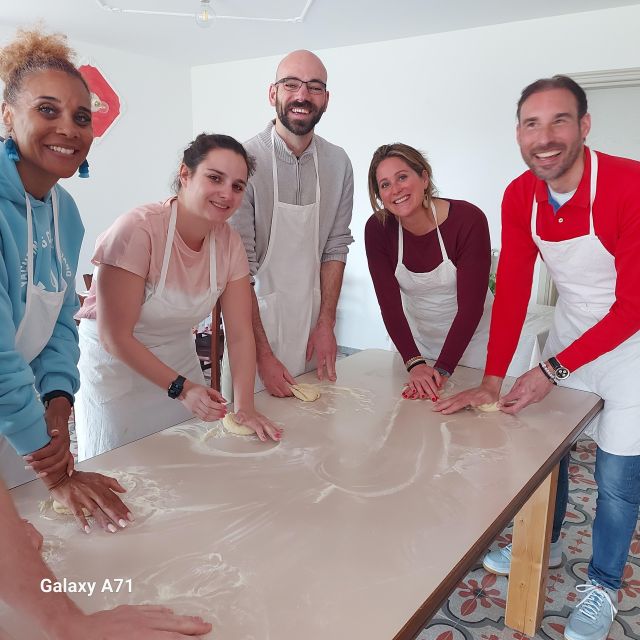
At $71 per person, this is positioned as a mid-range activity for the area, and it can feel like a fair value if you price it like a bundle: 3 hours of hands-on cooking plus a farmhouse tour, a professional Neapolitan cook, wine and limoncello tasting, and lunch or dinner.
You’re also getting skills that go beyond one meal. If you learn mozzarella-making cues and you learn how to build tiramisù layers, you’re bringing home something real—not just a recipe card.
Now the logistics. There’s no hotel pickup/drop-off included, so you’ll need your own way to get there. The class also offers free parking, which is a big deal if you’re driving along the coast.
If you’re relying on public transport, plan for it. The venue is far from Amalfi port, and you should check bus times before you go. One practical detail: the location can be hard to spot on first arrival, since there’s no big sign on the building and the place may be a bit past where maps send you. Neighbors can help you get oriented, but you’ll save stress by giving yourself extra buffer time.
Age and participation matter, too. All guests—whether cooking or not—must pay, and the venue is only accessible to people over age 7.
Who Should Book This Cooking Class (and Who Might Want Something Else)
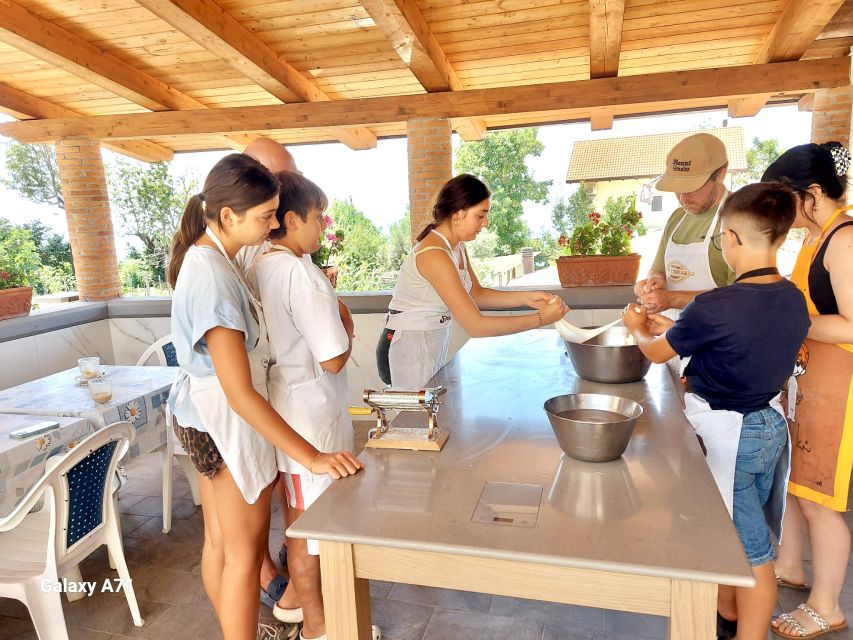
I’d book this if you want a true food workshop on the Amalfi Coast. It’s ideal for:
- Couples and friends who want a shared “we did it” day
- Food lovers who like learning technique, not just tasting
- Beginners who benefit from patient, step-by-step teaching
- Travelers who want organic Km0 ingredients and an outdoor viewpoint
It also tends to work well for families in the sense that it’s described as family friendly. That said, the requirement that everyone pay and that the minimum age is over 7 means you’ll want to confirm the ages in your group.
You should consider another option if:
- You need gluten or lactose-free accommodations, since the class can’t cater to other alternative dietary requirements beyond the vegetarian option
- You dislike driving or figuring out rural meeting points. The lack of pickup and the slightly tricky location mean you need to be comfortable with planning
Accessibility note: the class is described as wheelchair accessible. If mobility is an issue, contact the operator ahead so you can confirm the best way to handle arrivals.
Should You Book It?
Yes—if you want an Amalfi Coast experience where the food is the main event and you learn real technique. For $71, the value comes from the full package: mozzarella from scratch, fresh tagliatelle work, tiramisù layering, farmhouse touring, wine and limoncello tastings, plus lunch or dinner.
My practical advice is simple: plan transport early, and arrive with a little extra time for orientation. Once you’re there, the format is friendly, hands-on, and genuinely satisfying. You leave with three skills you can repeat at home, and with a view that makes the work feel like a treat instead of a chore.
If you’re traveling on the coast anyway, this is the kind of activity that turns a normal meal into something memorable.
FAQ
How long is the Amalfi Coast cooking class?
It lasts 3 hours.
Where does the class take place?
It’s held in Pianillo on the Amalfi Coast in Campania, Italy.
What dishes do you learn to make?
You learn mozzarella, tagliatelle (fresh pasta), and tiramisù.
Is lunch or dinner included?
Yes. The class includes lunch or dinner depending on the time of your session.
Do I need to bring my own ingredients?
No. Ingredients for the class come from the organic farm and are provided as part of the experience.
Is there a vegetarian option?
Yes. A vegetarian option is available, but you need to request it at the time of booking.
Can the class accommodate gluten or lactose intolerance?
No. Other alternative dietary requirements (like gluten or lactose intolerance) cannot be catered for.
What’s included in the price?
The price includes the cooking class, a professional Neapolitan cook, a guided tour of the farmhouse, local wine and limoncello tasting, and free parking.
Is hotel pickup included?
No. Hotel pickup and drop-off are not included.
FAQ
How far in advance should I plan transport?
Plan ahead, especially if you’re coming from Amalfi port, because the venue is far and bus times should be checked. You’ll also want extra time because the meeting point can be hard to locate at first.
Is the class only for people who will cook?
No. All guests, whether participating in the class or not, must pay for the class and be over age 7 to access the venue.