REVIEW · AMALFI
I offer cooking lesson of Amalfi tradition
Book on Viator →Operated by Sergio's Home Experience · Bookable on Viator
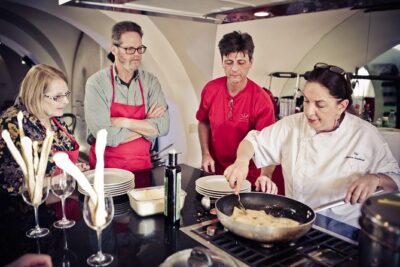
Cook dinner with the sea as your backdrop. This Amalfi tradition cooking lesson is built around a terrace welcome on the Amalfi Coast, with Capri in the background, then a hands-on session in Sergio’s private home where you’ll make and eat multiple courses. I especially love the fact that it’s a focused private class, not a long, rushed show-and-tell, and you get practical take-home recipes for what you cook.
There is one thing to consider: this is a 3-hour, one-home experience, so if you’re hoping for lots of roaming and sightseeing stops, you’ll want to plan your coast walks for the rest of your trip. If you’re good with that trade-off, you’ll get a calmer pace and a more personal feel.
In This Review
- Key highlights worth planning for
- Arriving at Sergio’s Home Base in Praiano
- The terrace welcome drink: why the timing sets the tone
- Tiramisu first: the sweet opener that teaches pacing
- Eggplant parmesan: where Amalfi tradition shows up fast
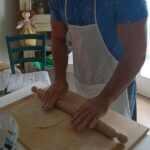
- Fresh pasta and gnocchi/dumplings: the hands-on muscle memory
- Homemade wines: pairing that stays practical
- Why the class feels personal (and not like a production line)
- What you’ll eat: a clear map of the meal
- Price and value: is $168.96 per person worth it?
- Practical tips so your night goes smoothly
- Who should book this Amalfi tradition cooking lesson?
- Should you book?
- FAQ
- How long is the Amalfi tradition cooking lesson?
- Where does the cooking class start and where does it end?
- Is this class private or shared with other people?
- What dishes are included in the experience?
- Are homemade wines included?
- What language is the class offered in?
- Can I cancel for free, and up to when?
Key highlights worth planning for
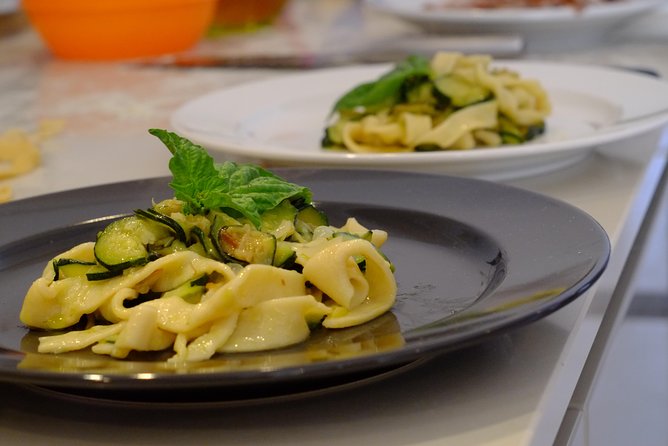
- Terrace welcome with Capri in view: Start with a drink while the coast does the scenery work for you.
- Tiramisu first: The class begins with the dessert, so you can enjoy the sweet momentum early.
- Amalfi classics, hands-on: Eggplant parmesan and fresh pasta-style cooking show up in the menu.
- Homemade wine with your meal: You’re not just eating pasta; you’re tasting the way locals pair.
- Private group setting: Only your group participates, so questions and pacing stay human.
- Take-home written recipes: You leave with details written down, not vague tips.
Arriving at Sergio’s Home Base in Praiano

Your experience starts in Praiano, not far from the Amalfi Coast’s main drag, at Via Costantinopoli, 10/b. The meeting point is listed clearly, and the class ends back at the same place, which keeps things simple when you’re done and hungry.
This matters more than you’d think. Amalfi Coast days can get chaotic fast—stairs, cars, scooters, sudden buses when you thought you had a parking spot. Starting and ending in the same place means you don’t have to solve a second transportation puzzle after your meal.
You’ll also be glad it’s geared for real travel life: it’s in English, it uses a mobile ticket, and the location is described as near public transportation. That combo is especially useful if you’re using the coast’s buses or you’re timing your day around ferry schedules.
And yes, it’s a private activity. That means your group gets the attention, the pace, and the seating that a smaller home kitchen can handle. In plain terms: you’re not competing for the same cutting board.
You can also read our reviews of more tours and experiences in Amalfi.
The terrace welcome drink: why the timing sets the tone
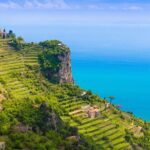
Before you put on an apron, you get a welcome drink on a terrace overlooking the Amalfi Coast. Capri appears in the backdrop, which is the kind of view you don’t really “need” to take photos of, but you will anyway.
What I like about this setup is the psychology. You’re not thrown into cooking right away. You get a moment to settle, check your bearings, and start chatting. That’s when hosts usually explain how the evening will flow—what’s first, what’s easiest to make mistakes on, and how to avoid the classic beginner move of overthinking timing.
It’s also a strong value signal. Many cooking classes treat the food like the whole product. Here, the setting is part of the meal experience, and the welcome drink gives you that “I’m on the coast” feeling without turning it into a formal event.
Tiramisu first: the sweet opener that teaches pacing
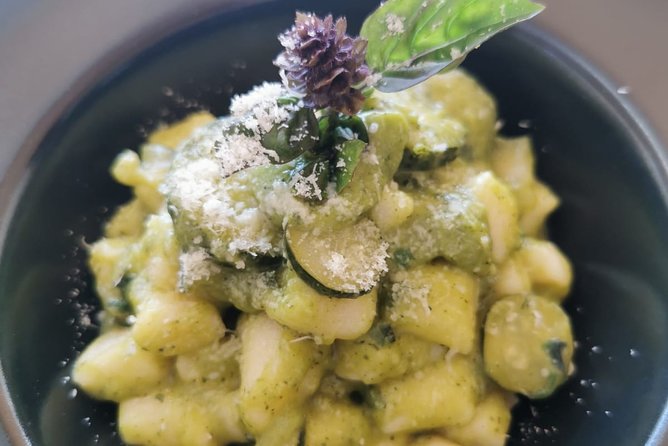
The lesson begins with tiramisu. Starting with dessert might sound backwards, but it’s smart for two reasons.
First, tiramisu is a lesson in patience without being boring. You’ll practice the parts you control—mixing, layering, and getting the texture right—while the dessert benefits from time. Second, it sets a clear rhythm for the rest of the cooking: prepare, assemble, adjust, then move on.
You’ll also learn the small technique calls that make a difference at home later. The best cooks rarely say everything at once—they explain why something is done a certain way. That’s the style you’ll get here, and it’s one reason people say the class feels personal and not rushed.
If you want to recreate this later, focus on the written recipes you take home. One of the biggest repeated points is that you’re given detailed recipes on paper, so you can cook again without guessing what your host meant when they said “just like that.”
Eggplant parmesan: where Amalfi tradition shows up fast
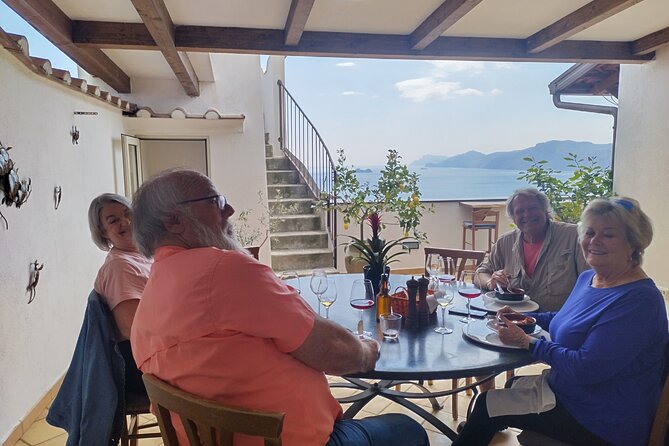
After the tiramisu, the savory work starts. A centerpiece here is eggplant parmesan—a dish that’s both comforting and technical. Eggplant is easy to mishandle if you’re cooking for the first time at home, and a good teacher will help you avoid the common traps.
In this class, you get eggplant parmesan as the starter course, so you’re cooking and then eating what you just made. That’s one of the best ways to learn. You can taste your own results (and compare them to what you expected), which makes the next steps in the evening feel easier.
This is also where an Amalfi tradition lesson differs from a generic pasta class. It’s not just about assembling ingredients; it’s about working with flavors locals actually rely on. Eggplant parmesan is a perfect example because it forces you to think about texture—how the eggplant behaves, how sauce clings, and how heat affects the final bite.
Fresh pasta and gnocchi/dumplings: the hands-on muscle memory
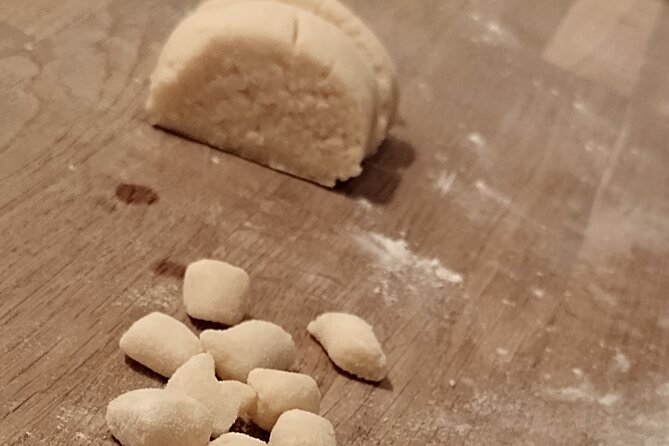
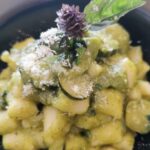
Your sample menu includes fresh pasta and dumplings, and the class cooking sequence specifically calls out gnocchi. In other words, you’re not just learning one technique—you’re building a few core skills that show up in Amalfi kitchens all the time.
Here’s how I’d think about it when you’re deciding whether this class fits you:
- If you enjoy hands-on cooking and don’t mind some flour on your hands, you’ll likely have a great time with pasta and gnocchi-style shaping.
- If you only want to watch while someone else does the work, you might find the pace a little too active. This is designed for doing.
One helpful thing: the class is private, so it adapts to your group. The menus described can shift based on who’s cooking with you. For example, some groups have prepared additional items like sausage ravioli and even a variation of tiramisu like strawberry tiramisu. That flexibility is a plus if you want the evening to feel tailored instead of cookie-cutter.

Homemade wines: pairing that stays practical

Yes, there are homemade wines served during the lesson. That doesn’t automatically mean you’ll become a sommelier by the end of the night—but it does mean your meal isn’t one-dimensional.
Pairing matters most when you’re eating what you made. When you taste the wine alongside the food you cooked—eggplant parmesan, pasta, and tiramisu—you start building instinct: what the wine highlights, what it softens, and what it brings out in sauces.
One detail worth noting from the experience descriptions: the wines are called out as part of the overall enjoyment, including a standout personal red blend that people mention as truly memorable. Even if you don’t care about wine jargon, the practical takeaway is simple: you’ll leave with a better sense of how locals think about dinner pairing.
Why the class feels personal (and not like a production line)
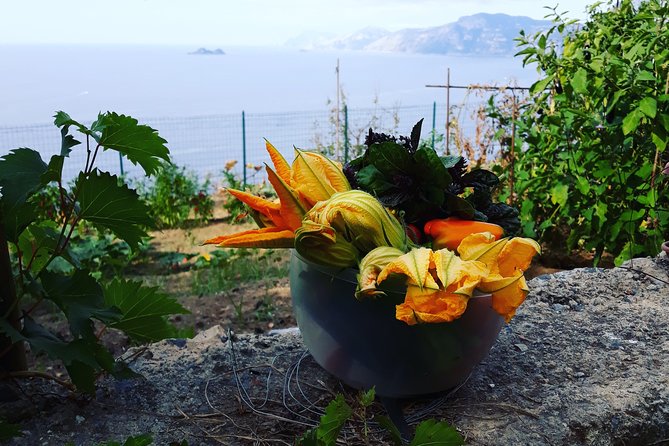
This experience is hosted in Sergio’s home, and the vibe is consistently described as welcoming and personal. In the responses tied to this class, Sergio is named as the lead host, and his wife is also mentioned (by name Bistra), which reinforces that you’re not treated like a number.
That matters for two traveler moments that often break cooking classes:
- When someone asks a question, they need a real answer.
- When someone is unsure at the cutting board or shaping station, they need a quick correction.
A private format solves both. You won’t get the feeling of being rushed through steps because a larger group is waiting. And the pace stays comfortable enough that you can actually talk as you cook.
You’ll also likely come away with “how” information, not just “what.” People highlight tips that explain why steps happen, and that’s exactly what you need if your goal is to cook again at home and not just recreate an Instagram version.
What you’ll eat: a clear map of the meal
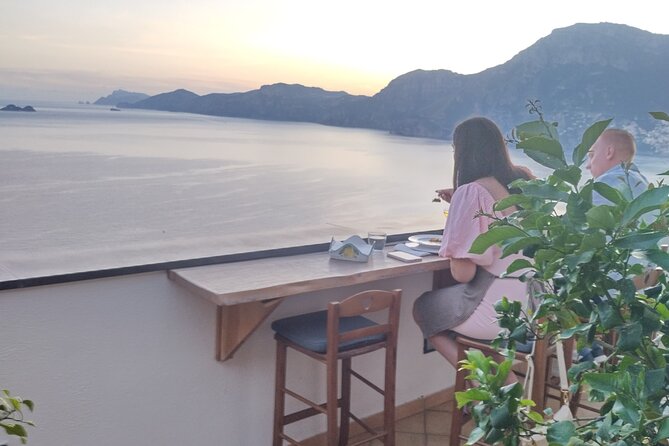
Expect the evening to be structured around a multi-course meal with the flavors of Amalfi tradition. A typical menu includes:
- Starter: Eggplant parmesan
- Main: Fresh pasta
- Main: Dumplings (with gnocchi emphasized in the cooking flow)
- Dessert: Tiramisu
And because it’s tailored to the group, you might see variations in what’s made alongside these staples. Some groups have prepared extra courses such as sausage ravioli, and desserts can shift to include options like strawberry tiramisu.
The key is that the core experience stays consistent: you cook, you eat, you talk, and you learn the technique that ties it all together.
Price and value: is $168.96 per person worth it?
At $168.96 per person for about 3 hours, this sits in the “serious experience” category, not the cheap-souvenir class lane. So let’s look at value in real terms.
You’re paying for:
- A private home setting (you’re not sharing space with strangers in a big group)
- A full multi-course meal built from what you cook
- Homemade wine
- A teaching style that includes practical cooking tips and written recipes you can take home
Many Amalfi-area food experiences are either:
- Heavy on the setting and light on instruction, or
- Heavy on instruction but light on atmosphere and food quality
This one tries to hit both. The terrace welcome with Capri view adds real emotional value. The written recipes add repeatable value. And the dinner you cook adds the best kind of satisfaction: you’re not paying for food you didn’t earn.
If you’re the kind of traveler who likes doing one memorable, high-quality thing well—rather than stacking five mediocre activities—you’ll probably feel the price makes sense.
Practical tips so your night goes smoothly
Here are the things I’d plan for, based on how these classes run in a home kitchen setting:
- Wear shoes you don’t mind being near flour and kitchen mess. Cooking gets hands-on fast.
- Plan your evening for after dinner. Since this ends back where you started, you can schedule a low-stress night afterward.
- If you care about timing, treat the start time seriously. A 3-hour cooking experience runs like a real dinner flow, not a casual drop-in.
- Ask any questions you have early. This class is built for personal attention, so don’t wait until dessert to ask about sauce thickness or texture.
Also, if you’re traveling with a service animal, the experience explicitly allows service animals. That’s good to know, since many small venues don’t state this clearly.
Who should book this Amalfi tradition cooking lesson?
This is a great fit if you want:
- A private, calmer alternative to group cooking tours
- Amalfi classics like eggplant parmesan, fresh pasta, gnocchi/dumplings, and tiramisu
- A real cooking teacher approach, with take-home written recipes
- A meal paired with homemade wines
- A stunning terrace welcome with Capri in the view
It might not be your best match if you:
- Only want quick tastings and photos, with minimal hands-on cooking
- Expect a roaming tour with multiple exterior sightseeing stops
In other words: if you’re hungry for food skills and a home-style evening, you’ll likely love it. If you’re looking for a sightseeing-heavy day, pair this with coast walks and save the rest of your afternoon for views outside.
Should you book?
I’d book it if you want one unforgettable night on the Amalfi Coast that actually teaches you something you can use at home. The combo of a sea-view terrace welcome, a private 3-hour cooking session, multiple courses, and the fact that you leave with written recipes makes it more than a meal—it’s a skill transfer with serious atmosphere.
If you’re flexible on menu details, and you’re excited to cook alongside your host in a real home kitchen, this is the kind of experience you’ll remember next time you make tiramisu or shape gnocchi.
If you tell me your travel dates and how confident you feel in the kitchen, I can help you decide whether this timing and menu style fit your trip pace.
FAQ
How long is the Amalfi tradition cooking lesson?
It lasts about 3 hours.
Where does the cooking class start and where does it end?
It starts at Via Costantinopoli, 10/b, 84010 Praiano SA, Italy, and it ends back at the same meeting point.
Is this class private or shared with other people?
It’s a private tour/activity, so only your group participates.
What dishes are included in the experience?
The sample menu includes eggplant parmesan, fresh pasta, dumplings (including gnocchi in the described cooking flow), and tiramisu.
Are homemade wines included?
Yes. The courses are accompanied by homemade wines.
What language is the class offered in?
The experience is offered in English.
Can I cancel for free, and up to when?
Free cancellation is available. You can cancel up to 24 hours in advance for a full refund.