REVIEW · BRINDISI
Brindisi: Cooking Class and Tasting in the Olive Grove
Book on GetYourGuide →Operated by Buzz experience - Tour Operator · Bookable on GetYourGuide
Pasta by hand, under olive trees. This Brindisi olive grove cooking class takes you to a rural house among centuries-old olive trees, where you learn the real technique behind orecchiette and strascinati, then you eat what you make.
I especially liked the hands-on feel: you’re not just watching—your fingers are doing the work, forming those signature pasta shapes.
Two things I’d call out right away. First, I love how the lesson focuses on technique, not performance—how to mold orecchiette into shell-like “cups” and how strascinati get that rough, artisanal look. Second, I love that the meal is part of the same experience, so you taste your results right away, paired with local wine.
One consideration: this is outdoors in the countryside, and there’s no hotel pickup and drop-off. So plan for the walk/short trek on your own, and dress for whatever weather Apulia hands you.
In This Review
- Key highlights you’ll actually care about
- A countryside table instead of a classroom set-up
- Meet Antonella and get instructions you can use
- Shaping orecchiette: the shell shape that takes practice
- Making strascinati: rough, artisanal, and confidently imperfect
- The meal you earned: pasta, wine, and a slow moment in the countryside
- Oil tasting that turns ingredients into understanding
- Time, pacing, and what 2.5 hours actually feels like
- Price and value: what you get for $104.22
- Who should book this class
- Should you book Brindisi Cooking Class and Tasting in the Olive Grove?
- FAQ
- What is the duration of the cooking class?
- How big is the group?
- What do I learn to make?
- Is food included?
- Do I need to arrange transportation from my hotel?
- What languages is the class taught in?
- Is it safe to book if plans might change?
Key highlights you’ll actually care about
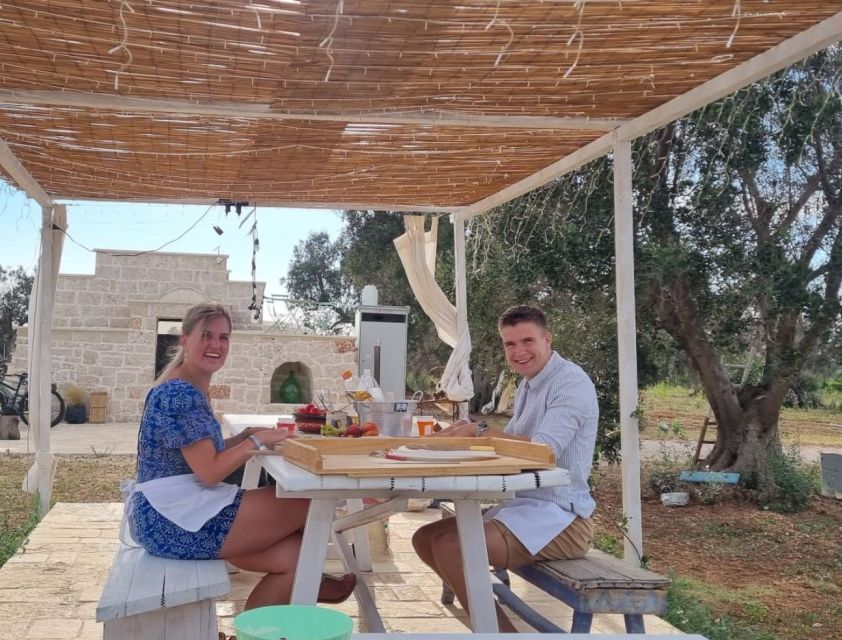
- Small group (up to 10): more time with the instructor while you shape pasta.
- Real shaping practice: proper orecchiette technique plus rough strascinati texture.
- Outdoor countryside setting: a rural house surrounded by olive trees and cultivated fields.
- You eat what you make: lunch/dinner with the pasta produced in class.
- Oil tasting + local wine: you get a fuller flavor education than pasta alone.
A countryside table instead of a classroom set-up
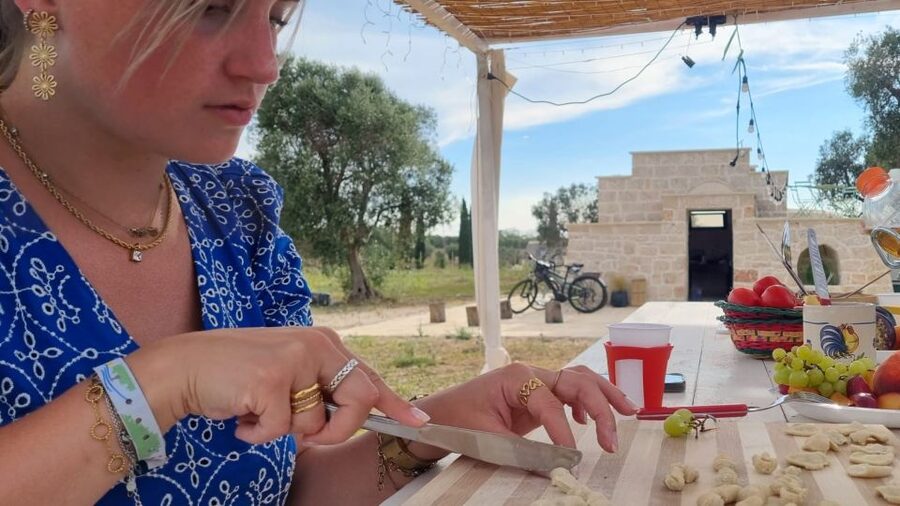
Most cooking classes feel like a demo with snacks afterward. This one starts in a working-feeling place: a typical rural house with centuries-old olive trees and cultivated fields around you. That matters because it changes your mindset. You’re learning pasta the way people in Apulia actually cook it—through repetition, touch, and attention to small details.
You’ll also get a sense of how food connects to the landscape here. In Apulia, olive oil isn’t just an ingredient; it’s part of the rhythm of daily life. That’s why pairing the pasta-making with oil tasting feels like more than a side activity.
Meet Antonella and get instructions you can use
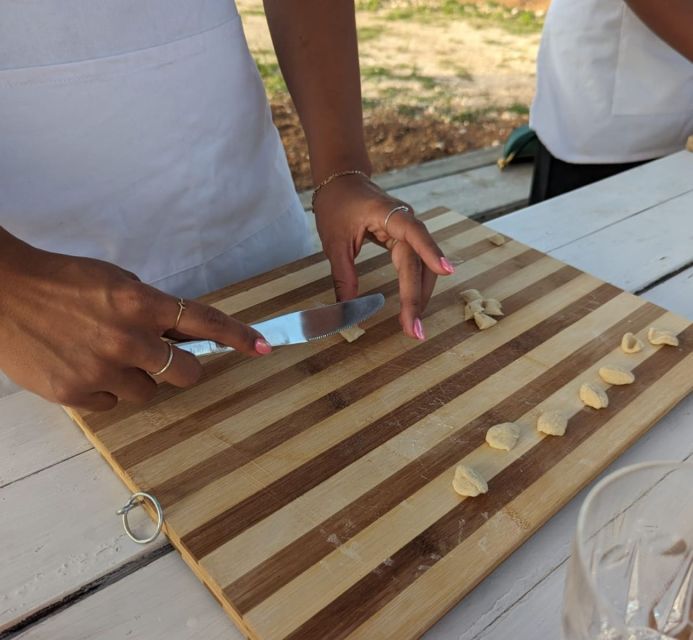
This class is taught by an Italian-English instructor, and the host you’ll likely meet is Antonella. The common theme from past participants is that she’s warm, generous with guidance, and serious about teaching the technique clearly—down to how to get the shell shape right.
That kind of teaching style makes a big difference when you’re learning by hand. Pasta shapes can look easy in photos, but they’re mostly muscle memory. When the instructor can slow you down, correct your grip, and explain the logic behind the form, you walk out with a skill—not just a souvenir plate.
Also, the group stays small. Limited to 10 participants, it’s set up so you aren’t stuck waiting your turn while everyone else chats. You’ll spend more time getting feedback, and you’ll actually finish the lesson feeling proud of your work.
Shaping orecchiette: the shell shape that takes practice
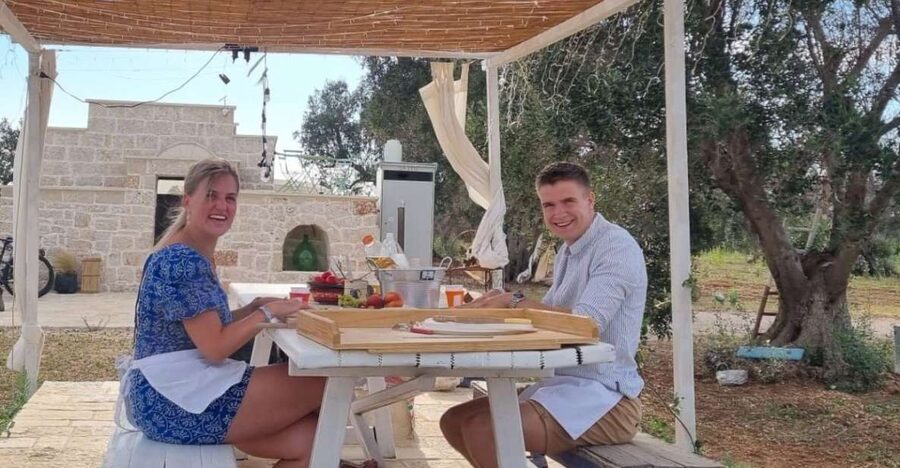
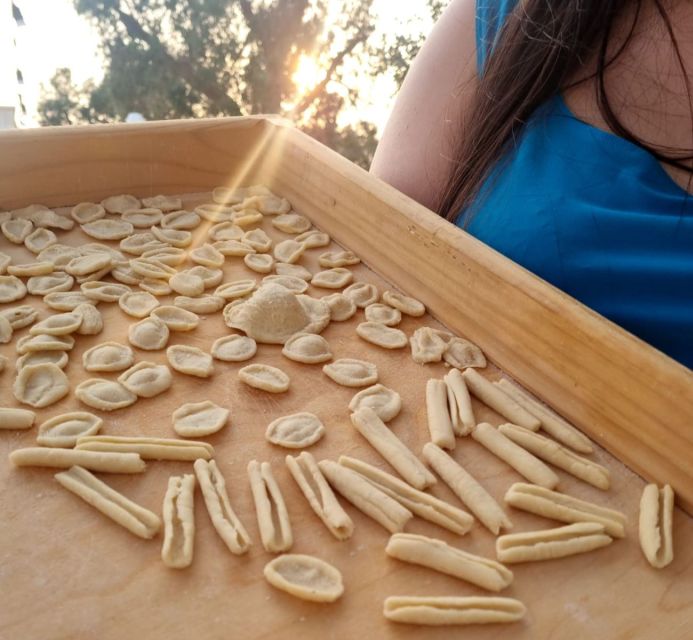
Here’s the core skill: you’ll be taught the proper technique for molding orecchiette into their characteristic shell shape. That “shell” isn’t decorative—it’s functional. The concave form helps catch sauce and coats in a way that smooth, flat pasta can’t.
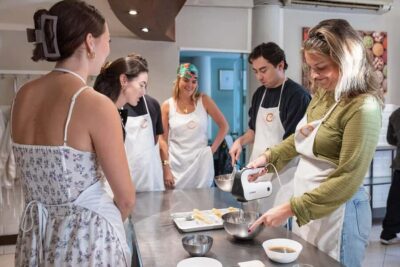
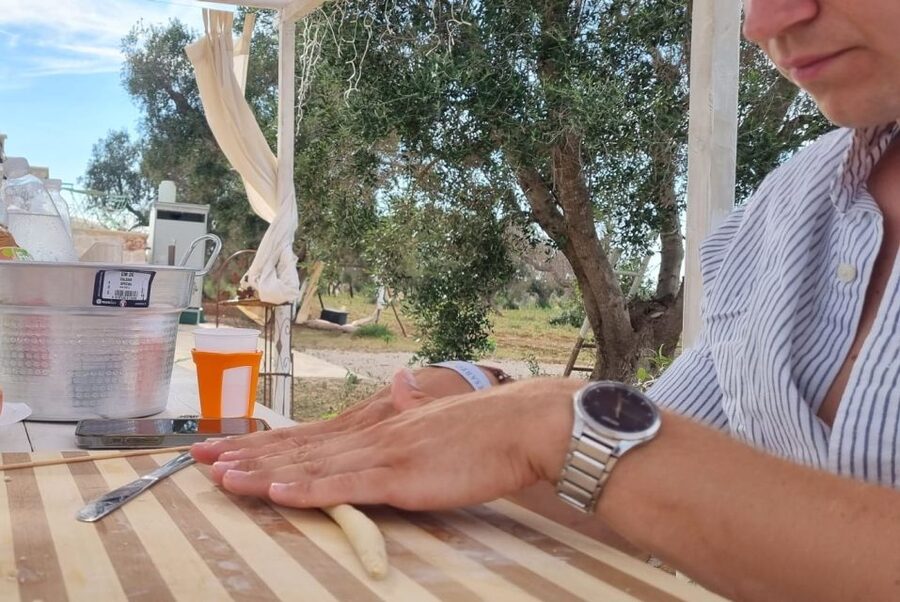
During the session, you’ll go step by step, from mixing ingredients to shaping. The key part is that you’re not simply pressing dough and hoping for the best. You’ll learn how the motion and pressure create that cup-like look, and why small differences in thickness and edge shape change the final result.
If you’ve only ever bought orecchiette in a shop, this is where your understanding clicks. You’ll see that each piece is a small hand-built shape, and you’ll start to notice details like how consistent the curl is and how the rim holds its form.
And yes—there’s a practical reminder built into the experience: don’t forget to eat it all. It’s not just friendliness; it’s how the meal is structured. You’ll sit down to the orecchiette you shaped, so you should plan to have an appetite.
Making strascinati: rough, artisanal, and confidently imperfect
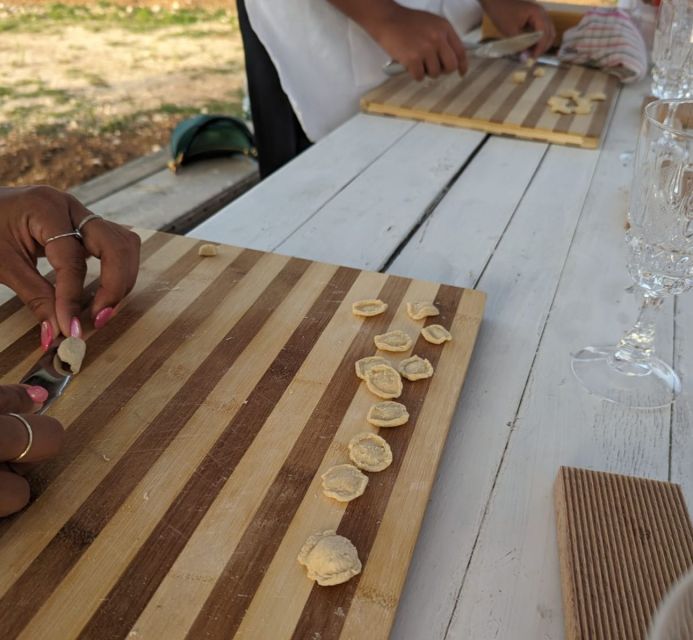
Next comes strascinati, a pasta with a rougher look. The lesson teaches you how to shape it so it has that artisanal appearance, not the smooth, machine-processed style you might be used to.
Why does that texture matter? Roughness grabs onto sauce and clings in a slightly different way. It also signals the kind of cooking Apulia is known for: food made to be eaten deeply, not presented like museum work.
In class, you’ll learn the shaping method and finish with the confidence to make the pieces feel right in your hands. And because this is hands-on, you’ll quickly stop chasing perfection and start aiming for the look and feel the dish is meant to have.
It’s also a nice contrast to orecchiette. If orecchiette is about forming a shell, strascinati is about leaving a bit of “life” in the surface. Together, they show you two sides of regional pasta craft.
The meal you earned: pasta, wine, and a slow moment in the countryside
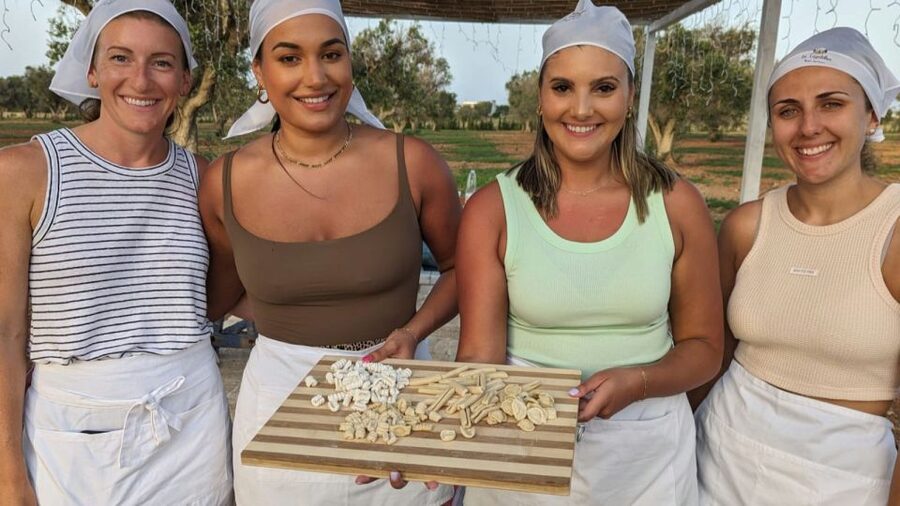
After shaping both pastas, you’ll sit down for lunch/dinner with what you made. The included meal includes orecchiette and strascinati prepared by you, plus local wine and water. There’s something satisfying about eating directly after learning, because you can connect flavor to technique in real time.
You’ll also be in a setting that encourages a longer pause than you’d get in many food stops. This isn’t a quick bite between attractions. It’s an evening (or meal window) anchored in one place: that rural house among olive trees.
This is one reason the class feels like more than cooking. You’re taking home the memory of a whole small ritual—prepare, shape, taste, repeat. That’s the kind of value that stays with you longer than a recipe you copy and forget.
Oil tasting that turns ingredients into understanding
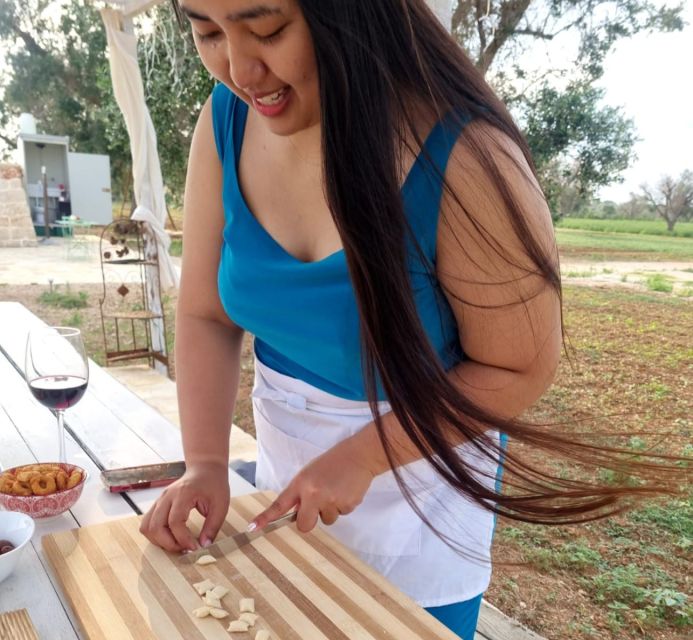
The oil tasting is included, and it’s worth paying attention to. Olive oil can be subtle when you treat it like a background condiment. Tasting it on purpose helps you recognize how it changes the flavor of what you’re eating—especially pasta, where the oil and sauce behavior matter.
During your tasting portion, you’ll get a structured look at the product, not just a pour-and-go. It’s a good match for the whole theme of the day: you’re learning regional pasta craft, and then you connect that craft to one of the region’s most important ingredients.
In practical terms, it also gives you something to do besides watching. You’ll have a sensory task, and that keeps the experience active and engaging through the full 2.5 hours.
Time, pacing, and what 2.5 hours actually feels like
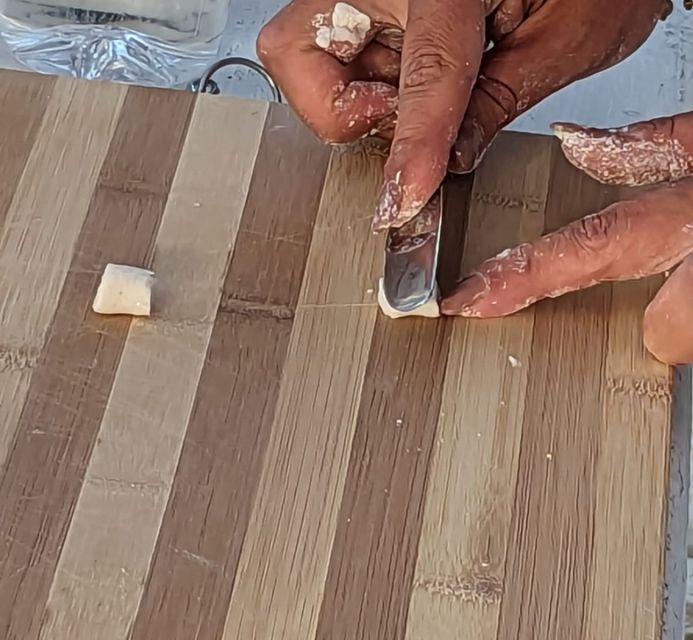
The duration is 2.5 hours, with starting times depending on availability. With cooking classes, the “2.5 hours” label can be misleading—some are fast demos and some are real work. Here, expect a steady pace: mixing ingredients, forming pasta shapes, then eating what you made, plus the oil tasting and wine.
The small-group size (up to 10) helps the timing stay comfortable. You’re not squeezed into a single rushed moment where the instructor can only correct a few people. Instead, you can get enough guidance to shape pasta that looks like pasta—not like an ambitious dough science project.
At the end, the activity returns to the meeting point. You’ll start at a signboard on the way, and you’ll end back there too. Because there’s no hotel pickup, it’s best to plan to arrive on your own and treat the location as the destination.
Price and value: what you get for $104.22
At $104.22 per person, this isn’t a “cheap cooking experience.” But it also isn’t pretending to be something it isn’t. You’re paying for a small-group, hands-on pasta lesson in the countryside, plus the meal with wine and the oil tasting.
Here’s how I think about the value:
- You’re not just tasting food; you’re learning a technique for orecchiette and strascinati, which is the heart of Apulian pasta.
- You’re eating the results right away, which makes the lesson feel complete.
- You get local wine, water, and oil tasting—so the day includes more than a single dish.
If you’ve ever taken a class where you leave with a recipe and zero confidence, this is priced like a confidence builder. The small-group cap and instructor guidance are what justify the cost.
Who should book this class
This class is a strong fit if you want:
- a hands-on food activity instead of a passive tour stop
- a small-group setting where you can ask questions while you work
- a Brindisi-area experience focused on local pasta craft and olive oil
It also works well for couples or small friend groups who like doing something together and then sitting down for the meal. If you’re a pasta enthusiast, you’ll appreciate the focus on shape and texture, not just ingredients.
If you’re someone who gets stressed outdoors, plan for weather and bring what you need. And since there’s no pickup, make sure you’re comfortable getting yourself to the signboard meeting point.
Should you book Brindisi Cooking Class and Tasting in the Olive Grove?
I’d book it if you want a real, practical cooking lesson that ends with a sit-down meal in a countryside setting. The best part is that you learn the actual shaping technique for orecchiette and strascinati, then you eat it—plus you get oil tasting and local wine as part of the story.
Don’t book it only if you’re looking for a quick, indoor, low-effort activity or if you really need hotel pickup. Otherwise, this feels like the kind of Apulia experience that turns food into a skill you can picture later, not just flavors you briefly enjoyed.
FAQ
What is the duration of the cooking class?
The class lasts 2.5 hours. Starting times depend on availability.
How big is the group?
The group is small, limited to 10 participants.
What do I learn to make?
You’ll learn to shape two Apulian pasta types: orecchiette and strascinati, including the technique for orecchiette shell shape and the rough look of strascinati.
Is food included?
Yes. You’ll have a lunch/dinner that includes the orecchiette and strascinati made during the class, plus local wine and water.
Do I need to arrange transportation from my hotel?
Yes. The experience does not include hotel pickup and drop-off, and it starts/ends back at the meeting point (a signboard on the way).
What languages is the class taught in?
The instructor speaks Italian and English.
Is it safe to book if plans might change?
There’s free cancellation up to 24 hours in advance for a full refund, and you can reserve now & pay later to keep plans flexible.