REVIEW · ARUSHA
Arusha: Traditional Tanzania Cooking Class & Food Market Tour
Book on Viator →Operated by Tanzania Songbirds Safaris · Bookable on Viator
Food shopping turns into dinner fast. This Arusha class starts at the central food market and ends with you cooking with a local chef—the point is to move from seeing ingredients to understanding them. Guides like Israel or Jack tend to set the tone right away, with friendly explanations while you browse and select what you want to cook.
Two things I especially like: you get a guided food market tour first (so the cooking makes sense), and you cook using a truly local setup, not a polished demo kitchen. One thing to think about: the cooking space is basic, using low tables and charcoal or gas burners, so if you need a modern kitchen, this isn’t that kind of experience.
In This Review
- Quick hits before you go
- Getting from Your Arusha Hotel to the Central Food Market
- Central Food Market in Arusha: What You’re Actually Learning
- Riding to Sanawari and Meeting the Cooking Lesson Setup
- Cooking in a Local Kitchen: Charcoal, Gas, Low Tables, and Real Technique
- Choosing Two Dishes: The Day’s Real Personalization
- Lunch or Dinner What You Cook, Plus Takeaway Food
- Price and Logistics: What You’re Paying For (and What You’re Not)
- Who This Tanzanian Cooking Class Fits Best
- Should You Book This Arusha Market and Cooking Class?
- FAQ
- How long is the Arusha traditional cooking class and food market tour?
- Do I get pickup and drop-off in Arusha?
- What do you do first: the market or the cooking?
- Can I choose what dishes to cook?
- Is lunch or dinner included after you cook?
- Are drinks included in the price?
- Is spice included?
- What kind of kitchen should I expect for the cooking lesson?
- What happens if the weather is poor?
- Is there free cancellation?
Quick hits before you go
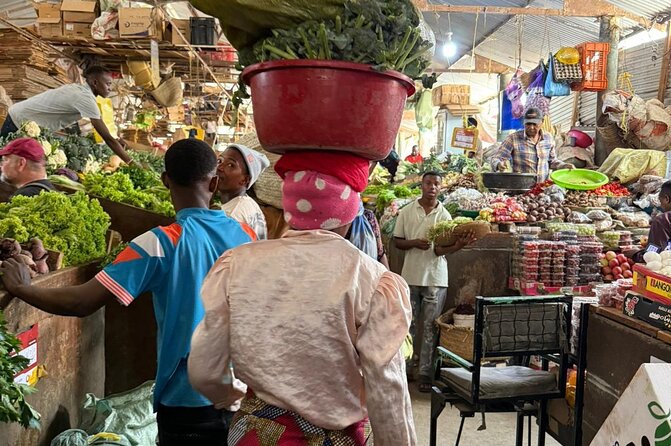
- Central food market time (about 30 minutes) gives you the sensory map of Arusha ingredients before the stove.
- Sanawari cooking lesson (about 1.5 hours) shifts you from shopping mode to real hands-on food work.
- Choose two dishes from the options shared on the day, then cook them in the local kitchen.
- Local transport is part of the experience, including a ride to the Sanawari area from the market area.
- Meals included after cooking (lunch or dinner), plus an option to get takeaway food.
- Drinks and spice cost extra, so plan for small purchases beyond the tour price.
Getting from Your Arusha Hotel to the Central Food Market
Pickup is from your hotel in Arusha city near the center, and the day flows in a simple rhythm: you meet your guide, get taken to the market area, and then you work your way forward from there. The whole experience runs about 4 hours, so it’s a good fit when you want culture without losing half a day to logistics.
I like that the format is built around guidance rather than guesswork. You’re not left wandering: your guide helps you read what’s for sale and how local people use it, which makes the next part—cooking—feel natural.
You can also read our reviews of more tours and experiences in Arusha.
Central Food Market in Arusha: What You’re Actually Learning
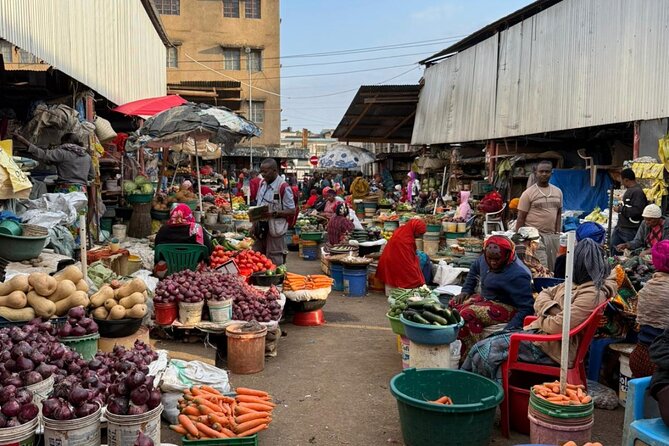
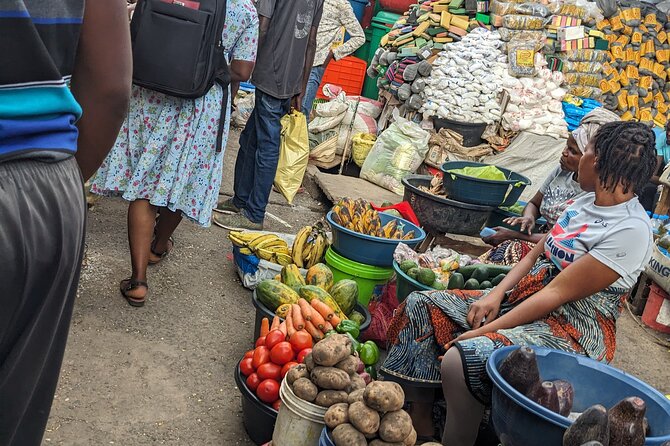
The first stop is the central food market, with roughly 30 minutes to walk through and get oriented. This market is described as one of the best places for travelers to see Tanzanian daily life through food, and the big idea is that a lot of what you’ll see comes from Tanzania rather than imported sources.
Here’s what you should pay attention to during this time:
- How ingredients are grouped and sold (staples, proteins, produce, and flavor items).
- How vendors talk about their foods and how your guide explains common uses.
- Which ingredients are seasonal and what that means for local meals.
This is also where the market turns into a real story. The guides’ explanations help you connect dishes to everyday decisions—what’s available, what tastes right with local staples, and how people build meals at home. In the experience style, the market isn’t a quick photo stop; it’s the foundation.
Riding to Sanawari and Meeting the Cooking Lesson Setup
After the market, you head toward Sanawari, which is described as a bit farther from the central market. You also get a chance to use popular public transport during the ride, so the day isn’t only about food—it briefly shows you how people move around in Arusha.
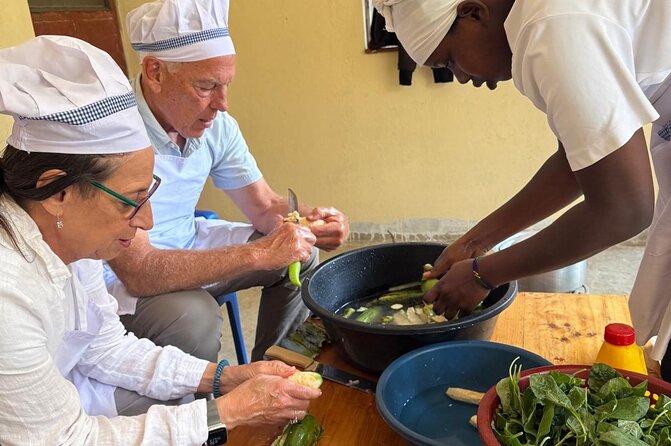
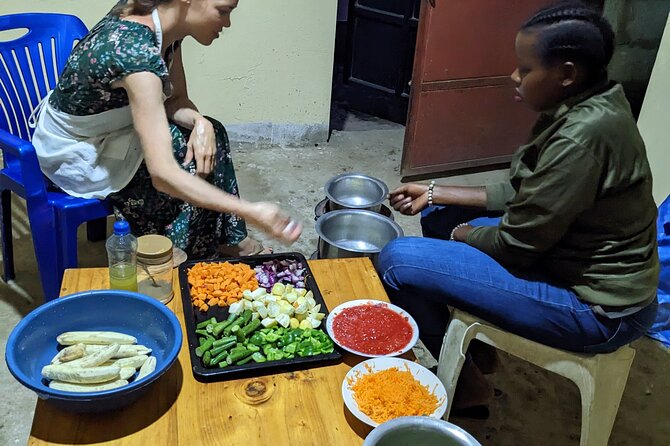
Once you arrive, you meet the chef and the cooking lesson starts. What I like here is the shift from browsing to doing: you’re not just collecting ingredients, you’re learning how they come together with technique, timing, and seasoning choices that make sense locally.
Cooking in a Local Kitchen: Charcoal, Gas, Low Tables, and Real Technique
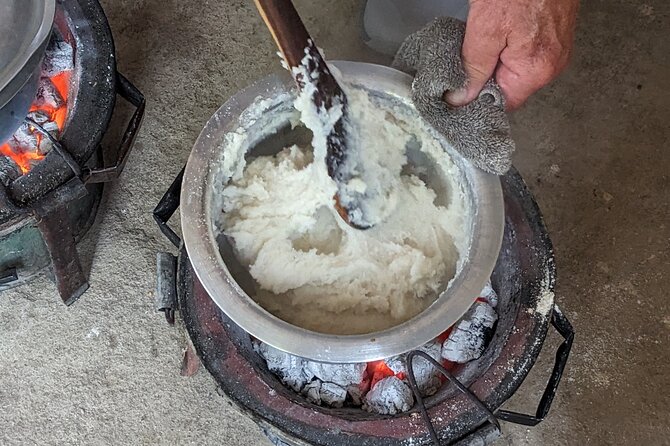
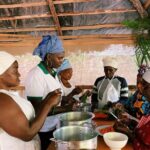
The biggest honest heads-up: don’t expect a kitchen like the one you’re used to at home. The cooking happens in a local kitchen designed for daily work, with basic tools, a low table, and burners that can include charcoal and gas. That isn’t a problem—it’s part of why the experience feels authentic.
I think this matters for two reasons. First, it trains you to cook the way locals cook, not the way a demonstration kitchen cooks. Second, it makes you more confident about what you’re doing because the process is straightforward and practical—ingredients, heat control, stirring, and cooking until it’s done.
If you’re the kind of person who likes knowing how meals are made in real households, you’ll probably enjoy the hands-on part more than you expected. Just wear clothes you’re comfortable cooking in, because you’ll likely be close to the work area and heat sources.
Choosing Two Dishes: The Day’s Real Personalization
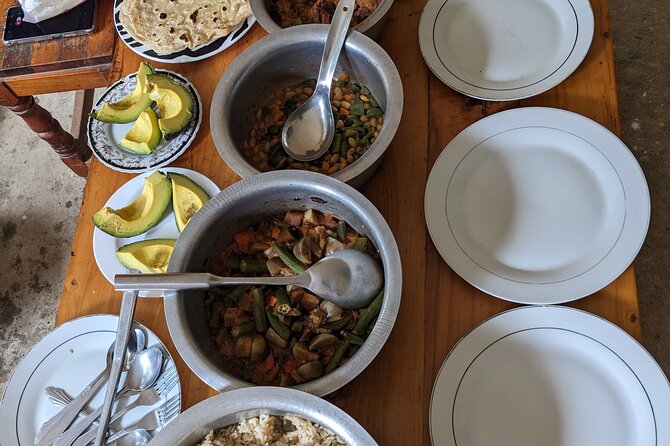
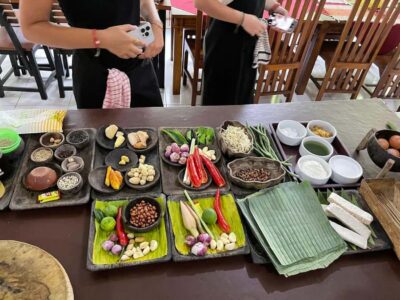
After a bit of shopping for ingredients from the market, you select two dishes to cook from the options mentioned on the day. That choice is a big deal because it steers the lesson toward your taste, not a scripted menu you might not care about.
The reviews and general examples include dishes like ugali and ndizi, which gives you a sense of the range: you’re not limited to one category of food. Your guide also explains the different local foods you can pick from, so you can make a decision even if Tanzanian cuisine is new to you.
Practical tip: go into the selection moment with questions ready. Ask what each dish is typically served with, how it’s eaten, and what makes it taste right. Even if you don’t get a full recipe in the formal sense, you’ll leave understanding the logic behind the flavor.
Lunch or Dinner What You Cook, Plus Takeaway Food
After cooking, you eat what you made. Meals after cooking are included for the traveler, and it’s set up as either lunch or dinner depending on the timing of your session, but the key is you’re not just watching—you’re tasting your own work.
There’s also an option to have takeaway food. That’s a small detail, but it’s useful if you want to keep the experience going after the class—maybe share with someone back at your accommodation or save food for later.
This tour is also structured so you don’t feel stuck in one place for too long. The market portion is about 30 minutes, the cooking lesson is about 1.5 hours, and then you finish and get dropped back. The day stays focused on doing, eating, and learning without turning into a long sit-down event.
Price and Logistics: What You’re Paying For (and What You’re Not)
The price is $42 per person, and I think the value comes from what’s bundled together. You’re getting guided time in the market, transport from your hotel to the market area and onward to Sanawari, the cooking lesson with a chef, and ingredient costs for what you cook. On top of that, your meal is included after cooking (lunch or dinner).
What’s not included matters for planning:
- Drinks are not included (water, soda, or beer). You can buy them along the way.
- Spice from the market is not included.
- Tips aren’t required, but you can tip based on satisfaction.
If you’re trying to keep costs tight, plan for those extra purchases. If you’re happy to loosen the budget a little, treat the spice and drinks as part of the experience: you’ll taste what you choose, and you’ll understand why spice is treated as a separate add-on rather than automatically included.
Group size is capped at 200 travelers. That’s a useful number to know, though your practical day experience will still feel guided and structured.
Who This Tanzanian Cooking Class Fits Best
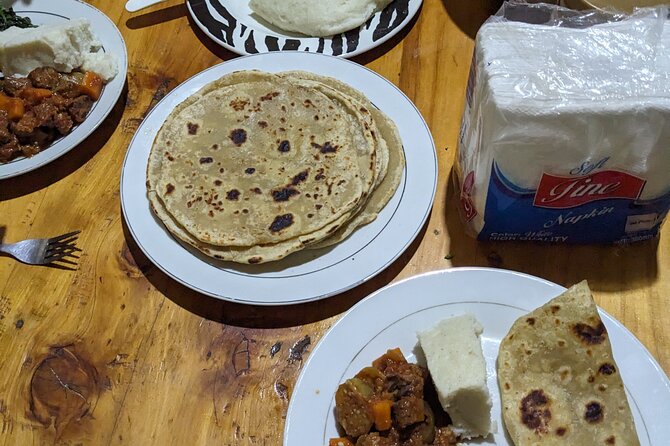
This tour is ideal if you want a hands-on food day that connects culture to ingredients. You’ll likely enjoy it most if you like:
- Markets and want to learn how locals select and use ingredients.
- Cooking classes where you actively make food rather than just watch.
- A local kitchen experience, even if it’s basic.
It’s also a good pick if you’re short on time in Arusha but still want something more meaningful than a quick meal. The market-to-stove flow makes the learning easier to hold onto because you’re doing it in the same day.
If you’re sensitive to the idea of charcoal/gas cooking and basic utensils, keep that in mind. This isn’t about comfort-first or high-end kitchen design; it’s about local method and local reality.
Should You Book This Arusha Market and Cooking Class?
I’d book it if your main goal is to leave Arusha with a real taste of daily life, not just a photo-heavy experience. The market start gives you context, the Sanawari cooking lesson gives you skill and hands-on understanding, and the included meal gives you closure.
I’d skip it (or choose carefully) if you strongly prefer a modern kitchen setup or if you hate the idea of extra costs for drinks and spices. The upside is that the experience is straightforward and practical, and the guides tend to bring a warm, welcoming tone—people like Israel, Jack, and James show up in the stories you’ll hear about this kind of class.
FAQ
How long is the Arusha traditional cooking class and food market tour?
It runs for about 4 hours (approx.).
Do I get pickup and drop-off in Arusha?
Yes. Pickup and drop-off are offered at your hotel near the city center in Arusha.
What do you do first: the market or the cooking?
You start at the central food market for about 30 minutes, and then you head to the Sanawari area for the cooking lesson.
Can I choose what dishes to cook?
Yes. You select 2 dishes out of the local food options mentioned on the day for your cooking lesson.
Is lunch or dinner included after you cook?
Yes. Meals after cooking are included, and the meal can be lunch or dinner.
Are drinks included in the price?
No. Drinks such as water, soda, or beer are not included, but you can buy them on the way.
Is spice included?
Spice from the market is not included.
What kind of kitchen should I expect for the cooking lesson?
You should expect a local kitchen setup, not a modern kitchen like at home. The cooking can involve charcoal and gas burners, plus basic implements.
What happens if the weather is poor?
This experience requires good weather. If it’s canceled due to poor weather, you’ll be offered a different date or a full refund.
Is there free cancellation?
Yes. You can cancel for a full refund if you cancel at least 24 hours in advance of the experience’s start time.