REVIEW · KYOTO
Kyoto: Morning Japanese Bento Cooking Class
Book on GetYourGuide →Operated by Cooking Sun · Bookable on GetYourGuide
Breakfast plans get better when you cook too. In Kyoto, this morning bento class turns Japanese comfort food into a hands-on lesson, not a lecture. I really like the small-group pace and the clear English guidance, and you also get to taste a full lunch made by your own hands. One thing to consider: this is not a knife-skills marathon, so if you want advanced cooking technique or lots of chopping, you may find it more beginner-friendly than you expect.
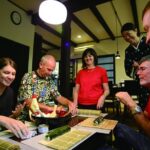
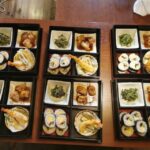
Here’s what to expect at Cooking Sun in Shimogyo Ward: you’ll arrive, grab an apron and tools, follow the chef’s steps, and then eat what you cooked. The dishes typically include sushi, tempura, teriyaki chicken, and miso soup, all packed into a bento-style lunch. Past classes have been led by instructors like Mei, Mae, Tomoko, Yukari, Coco, and Ikari, and many people mention the vibe as relaxed and friendly.
In This Review
- Key things I’d pay attention to
- Why a Kyoto morning bento class feels like a cheat code
- Finding Cooking Sun in Shimogyo Ward without the stress
- Bento isn’t just lunch in a box
- The hands-on part: sushi, tempura, teriyaki chicken, miso soup
- Sushi
- Tempura
- Teriyaki chicken
- Miso soup
- Pace and group size
- The bento assembly: where presentation becomes technique
- Lunch tastes better when you made it
- What you take home: recipes, repeatable skills, and ingredient ideas
- Price and value: why $67 can be fair in Kyoto
- Who should book this class, and who might want a different day
- Quick tips so you enjoy it more
- Should you book Kyoto Morning Japanese Bento Cooking Class?
- FAQ
- What dishes will I learn to make?
- How long is the Kyoto morning bento cooking class?
- What’s included in the price?
- Is hotel pickup or drop-off included?
- Is the class taught in English?
- Can dietary requirements be accommodated?
- Where do I meet the class?
- Is the experience wheelchair accessible?
Key things I’d pay attention to
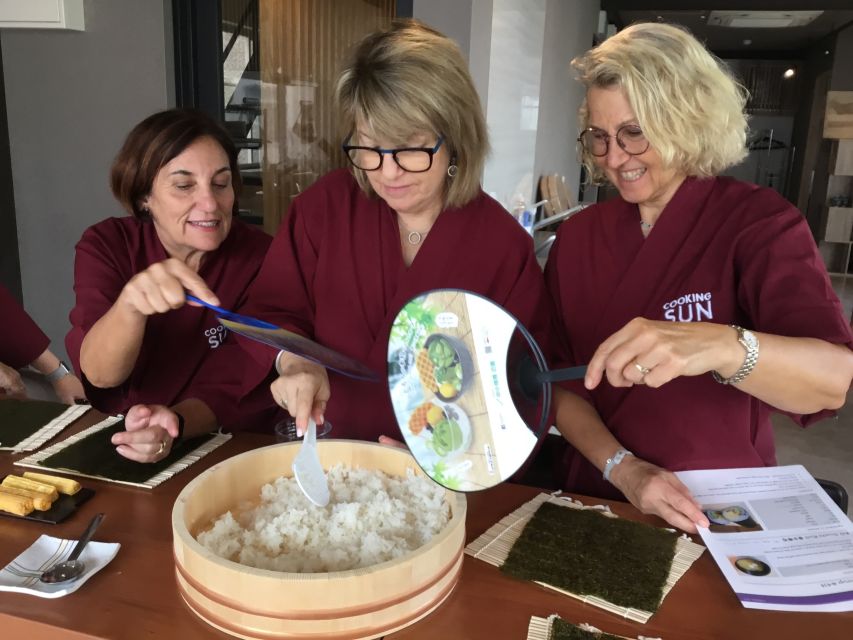
- Morning timing fits Kyoto well: you eat early, then keep your day open for temples and neighborhoods.
- You cook multiple dishes in one sitting: sushi, tempura, teriyaki chicken, and miso soup, plus bento assembly.
- Clear English instruction and written recipes: lots of step-by-step help, including notes you can use at home.
- Food is already prepped to a degree: it’s more about technique and timing than big cutting sessions.
- Dietary needs can be handled: no-shellfish and vegetarian versions have been offered when requested.
- You leave with more than lunch: tips, guidance for ingredient sourcing, and sometimes tools to help you repeat it.
Why a Kyoto morning bento class feels like a cheat code
Kyoto rewards you for showing up early. This class lines up with that. You get to learn Japanese food culture in the morning, make a proper meal, and still have energy to explore later.
What I like is that it’s practical. Bento is a real part of daily life, and you learn the logic behind it: portioning, balance, color, and the idea that food should travel well. The class doesn’t just hand you recipes to follow; it teaches you the small tricks that make the food look right and taste right.
Price-wise, it’s not the cheapest activity in Kyoto. But you’re paying for instruction, ingredients, apron and utensils, and a full bento lunch in about 3 hours. In other words, it’s less like an entrance ticket and more like a guided meal experience you can repeat.
You can also read our reviews of more tours and experiences in Kyoto.
Finding Cooking Sun in Shimogyo Ward without the stress
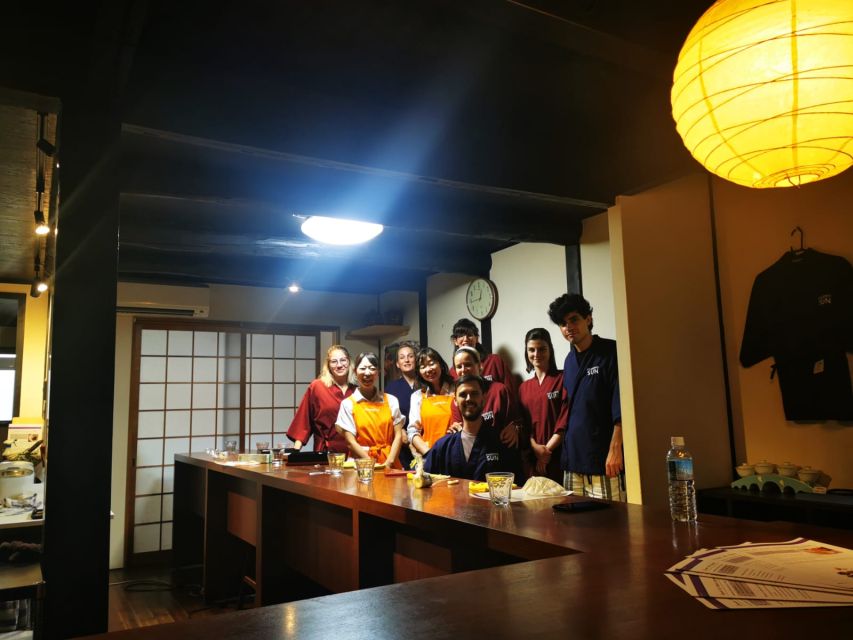
The meeting point is Cooking Sun, Funayacho, Shimogyo Ward, Kyoto 600-8466. That’s in the city, not a bus trip out of town, so you can treat it like a normal appointment.
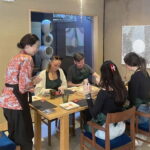
A small caution from past participants: some people have found the exact location a bit tricky at first. Give yourself a little extra time, especially if you’re walking from nearby transit. Once you’re there, the workshop setup tends to feel organized and kitchen-friendly, and many people describe it as intimate rather than hectic.
Also note the class is taught in English, so you won’t be guessing your way through terms like teriyaki or miso. And if you need wheelchair accessibility, the activity is listed as wheelchair accessible.
Bento isn’t just lunch in a box
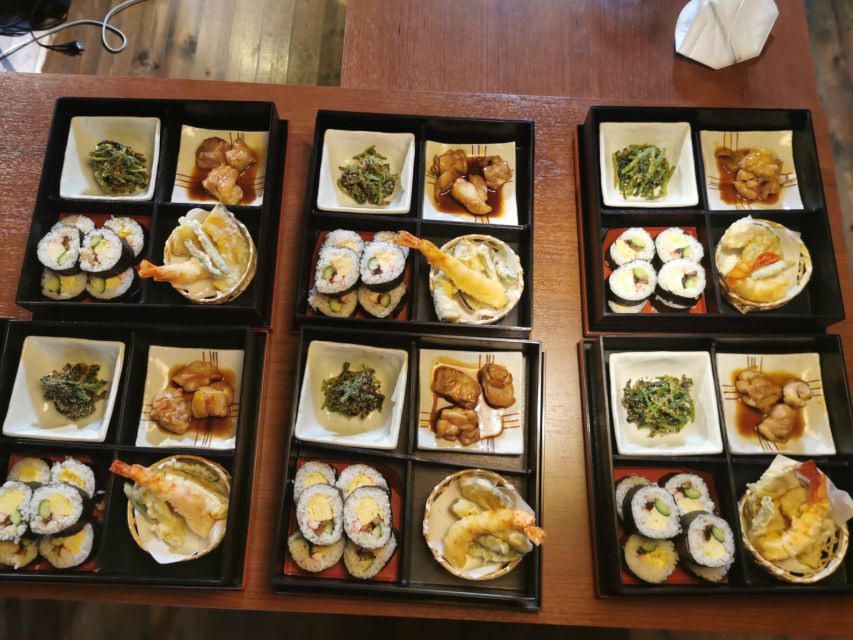
You’ll learn where bento comes from, because that context matters once you start packing. Bento dates back to the late Kamakura Period (1185 to 1333). Today it’s a staple of Japanese cuisine, and the box format isn’t just cute. It’s designed around practicality: portions that hold their shape, flavors that work together, and meals you can enjoy away from home.
In this class, that story turns into technique. When you assemble your box later, you’ll be doing more than filling compartments. You’ll be thinking about timing, texture, and how to build a lunch that looks good even before you eat it.
This is also where the culture angle shows up in a real way. People often remember the cultural notes because they connect the food to daily habits: what goes in a box, why certain items are chosen, and how Japanese home cooking balances simplicity with care.
The hands-on part: sushi, tempura, teriyaki chicken, miso soup
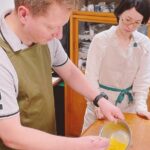
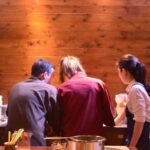
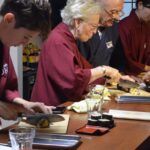
This is the main event, and it’s why the class works even if you’re not a home cook. You’ll watch the chef demonstrate, then follow along. Expect a structured flow where you’re not left standing around wondering what to do next.
Sushi
You’ll learn how to make sushi as part of the bento meal. Sushi can sound intimidating, but in a cooking class format, you get a guided version of the process. What tends to stick with people is not just the final roll or bite, but the pacing and the small steps that keep everything consistent.
Some classes in the past have emphasized that ingredients are already prepped to a degree. That helps you focus on technique and assembly instead of spending the whole time chopping.

Tempura
Tempura is another item that sounds like it requires a kitchen full of tricks, but the class approach makes it manageable. You’ll learn the steps for preparing and cooking tempura as a component of the bento lunch. The benefit here is that you’ll see how to time things so your fried items don’t get soggy before you eat.
Teriyaki chicken
Teriyaki chicken is where flavor becomes confidence. The sauce concept is simple, but the balance of sweetness and savor is the magic. In class, you’ll learn how to get that coating right so it works in a lunch box format, not just as a pan meal.
Miso soup
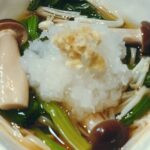
Miso soup rounds out the meal and makes the whole bento feel complete. It also gives you a break from the hands-on intensity of cooking multiple items. You’ll learn the steps for miso soup so it tastes like Japanese comfort food instead of an overly salty soup experiment.
Pace and group size
A lot of reviews highlight small groups. One person noted a group of 8 and another described being only 2 people in the class. That matters because you get time to ask questions and get feedback without feeling rushed.
If you’re the type who likes to get your hands dirty, this class is built for that. If you need extra explanations, English-speaking instructors have been praised for being clear and patient, including with teenagers and kids.
The bento assembly: where presentation becomes technique
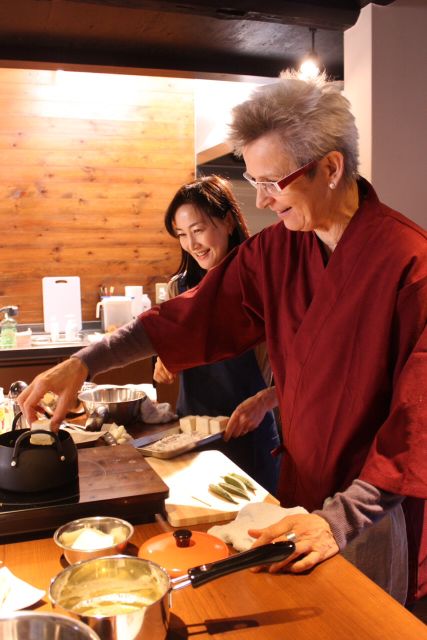
Making food is one thing. Packing it in a bento box is where the whole meal clicks into place.
In class, you’ll learn tricks for making dishes look neat and balanced. That includes understanding how to arrange items so they complement each other in the box. It’s also about practicality: portioning so each component stays identifiable and doesn’t turn into a mixed bowl.
Even people with cooking experience say they leave with new habits. Common takeaways include how to build a lunch around flavors that stay good together and how to think about color and texture in a box, not just on a plate.
One detail that came up in past feedback: the instructors often take pictures and videos for participants, so you can document your bento without stopping the flow. That’s a small thing, but it helps because bento making happens fast.
Lunch tastes better when you made it
Once cooking is done, you eat. This part is surprisingly satisfying because your lunch is not a separate restaurant meal. It’s the result of everything you learned in the kitchen.
The bento lunch format matters. You’re not just eating sushi or tempura by itself. You’re tasting the combination as a coherent meal: savory chicken, comforting soup, and the crunch or bite you cooked for the day.
Dietary handling is another reason lunch is a big deal here. The booking info asks you to advise dietary requirements, and past participants reported no-shellfish versions and vegetarian options. So if you have restrictions, tell them during booking rather than hoping it works out on the day.
What you take home: recipes, repeatable skills, and ingredient ideas
This class tends to leave you with more than memories. Many people mention getting helpful written recipes, which is key if you want to cook again at home. You’ll also likely learn practical tips for repeating the dishes in a normal kitchen, where you may not have the same tools or ingredients as in Kyoto.
One review mentioned instructors gave guidance on where to find ingredients when you’re back home. That kind of advice isn’t glamorous, but it’s useful. Cooking Japanese food often fails on the ingredient sourcing step, not the effort step.
Also, some participants report buying equipment used in class for later cooking. If that interests you, it’s worth looking closely during the session so you know what you might want to pick up for your kitchen.
Price and value: why $67 can be fair in Kyoto
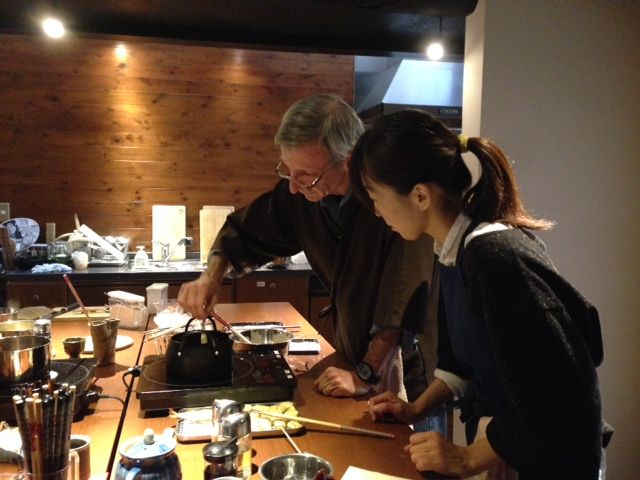
At $67 per person for about 3 hours, you’re paying for a guided meal experience. Here’s what that means in practical value terms:
- You get instruction in English (so you’re not on your own translating steps).
- You get ingredients, plus apron and utensils.
- You get a full lunch you cooked.
When you compare it to doing all the shopping and then trying to replicate multiple dishes at once, the math starts to make sense. Japanese cooking can require specific ingredients, and learning the process by yourself usually costs time plus trial-and-error.
The class is also a good option if you want something social but not touristy. Past comments describe it as relaxed and family-friendly, with instructors adapting so kids and adults can participate.
Who should book this class, and who might want a different day
This works especially well if you:
- want a morning activity that ends with a meal
- like cooking as a way to understand a culture
- want clear English instruction and step-by-step guidance
- have dietary needs and you’ll communicate them when booking
It may not fit as well if you:
- want a purely advanced cooking challenge with lots of knife work
- prefer a long, unhurried restaurant-style food experience instead of cooking
- expect an all-day tour with multiple stops
For most people, though, this hits a sweet spot: you leave with edible results, plus the confidence to cook at home.
Quick tips so you enjoy it more
- Eat lightly before the class if you can. You’ll be hungry by lunch time.
- If you care about dietary restrictions, tell the organizers when you book.
- Wear comfortable clothing and shoes you don’t mind getting a little kitchen-adjacent.
- Bring curiosity. Bento is tiny parts, and the little decisions are where the lesson lives.
Should you book Kyoto Morning Japanese Bento Cooking Class?
Yes, if you want a Kyoto experience that is hands-on, food-focused, and genuinely repeatable. The strongest reasons to book are the small-group feel, the clear English teaching, and the fact you don’t just learn sushi, tempura, teriyaki chicken, and miso soup—you also turn it into a bento lunch you eat right away.
If you’re nervous about cooking, don’t be. Past participants repeatedly mention that the pace is manageable and instructions are easy to follow, with ingredients often prepped so you’re not stuck doing heavy prep the whole time.
Just be honest with yourself about expectations: this is a morning bento lesson, not an advanced chef apprenticeship. For most visitors, that’s exactly why it’s worth doing.
FAQ
What dishes will I learn to make?
The class focuses on making sushi, tempura, teriyaki chicken, and miso soup, which are then enjoyed as part of your bento-style lunch.
How long is the Kyoto morning bento cooking class?
It runs for about 3 hours, with a stated range of 2.5 to 3 hours depending on the start time.
What’s included in the price?
The price includes the cooking class, ingredients, an apron and utensils, and lunch.
Is hotel pickup or drop-off included?
No. Hotel pickup and drop-off are not included.
Is the class taught in English?
Yes. The instructor provides instruction in English.
Can dietary requirements be accommodated?
You should advise of any dietary requirements when booking. The activity notes that dietary needs should be shared ahead of time.
Where do I meet the class?
You meet at Cooking Sun, Funayacho, Shimogyo Ward, Kyoto, Kyoto 600-8466.
Is the experience wheelchair accessible?
Yes, the activity is listed as wheelchair accessible.