REVIEW · SIDEMEN VILLAGE
Bali: Cooking Class with 5 Balinese Dishes
Book on GetYourGuide →Operated by Beautiful Destinations · Bookable on GetYourGuide
Five dishes. One mountain kitchen in the woods.
In Sidemen, on the sacred slopes of Karangasem, this class is special because you cook with traditional old Balinese methods and you do it in a jungle setting with real views. The main drawback to plan for is simple: there’s no hotel pickup, and the road to Bird Hills Bali can be bumpy and narrow.
I like that it’s a small group (just up to 6), so you actually get hands-on instead of watching from a bench. You also won’t get the full menu in advance, which keeps the morning fresh, and you can request a vegan menu if that helps your travel style.
In This Review
- Key things that make this cooking class worth your morning
- Cooking on a Sacred Sidemen Mountain: What Makes It Different
- Getting There at Bird Hills Bali: The Bumpy Road Reality
- The 4-Hour Flow: From Mise en Place to Five Dishes
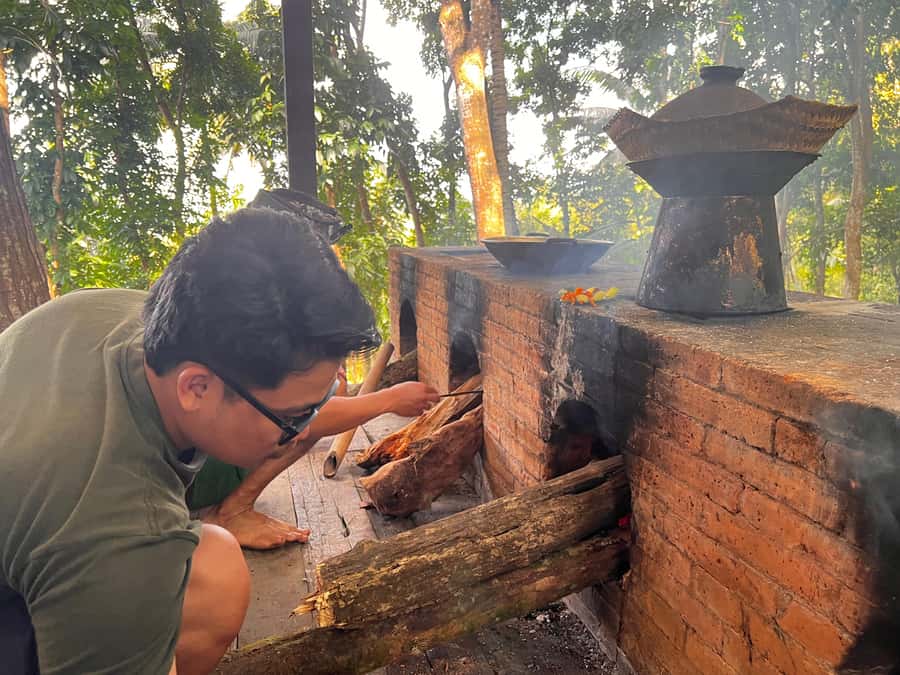
- Cooking in the Woods with Real Fire: The Sensory Part
- What You’ll Eat: Five Balinese Dishes and the Surprise Menu
- Vegan or vegetarian options
- Food allergies
- Ketut (and the Team) Teaching Style: Small Group, Big Attention
- Bringing It Home: Recipes, Techniques, and Real Re-Cooking Value
- Price and Value: What You Get for the Time
- Who Should Book (and Who Should Skip)
- Should You Book This Bali Cooking Class?
- FAQ
- How long is the cooking class?
- Where do I meet the group?
- Is there hotel pickup and drop-off?
- Does the class run in bad weather?
- Is a vegan menu available?
- How big is the group?
Key things that make this cooking class worth your morning
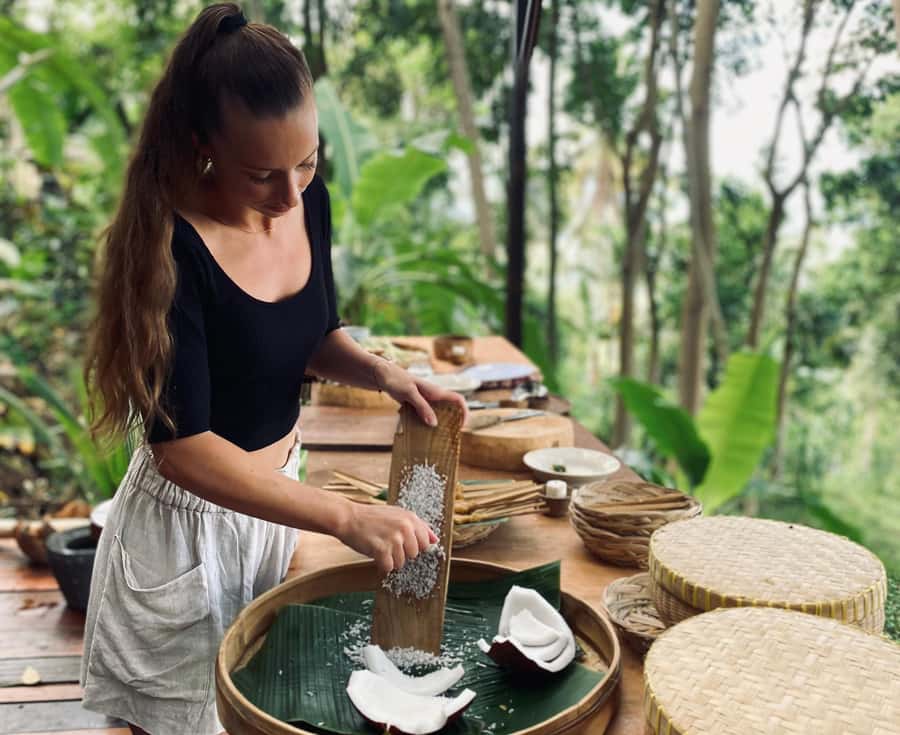
- Sidemen mountain setting: cooking on a sacred mountain site surrounded by woods
- Old-style 1920s Balinese tradition: an emphasis on classic techniques, not shortcuts
- Cooking in the woods with wood fire: slower, more sensory cooking over traditional heat
- Small group of up to 6: enough time for the chef to correct and guide your hands
- You leave with recipes: so you can recreate what you made at home
- Vegan by request: if you plan ahead, you’re not left out
Cooking on a Sacred Sidemen Mountain: What Makes It Different
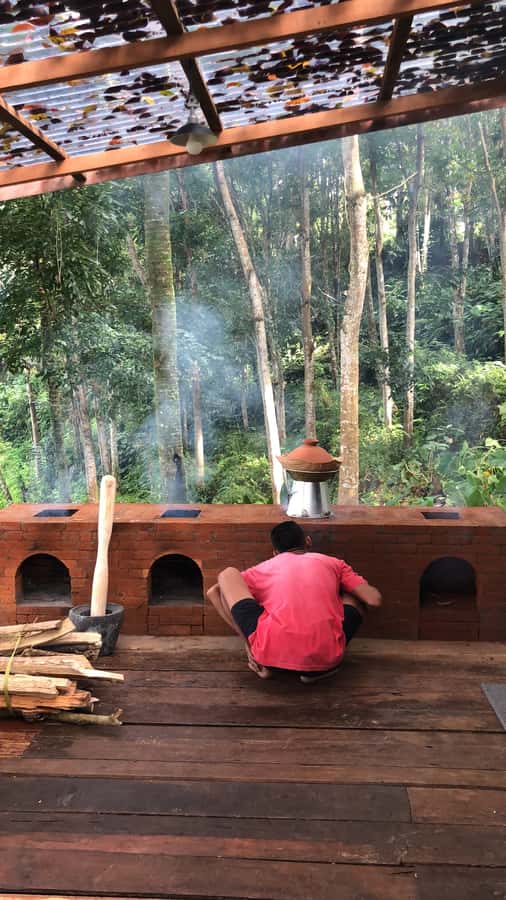
Bali has no shortage of cooking classes. What makes this one stand out is the location and the approach. You’re not in a showroom kitchen. The mountain cooking class takes place in Sidemen (Karangasem), on a property surrounded by woods, on about a one-hectare land area. It feels like you’re stepping into how people cooked long before dining rooms and product branding took over.
The class is also built around bringing back an old Balinese cooking style tied to early traditions (the 1920s reference shows up in how they describe the method). That matters because you’ll cook with a different pace and mindset. Instead of asking how to speed up a recipe, you learn what ingredients do when they’re freshly handled and how flavors develop when you cook patiently over wood fire.
Getting There at Bird Hills Bali: The Bumpy Road Reality
You meet at Bird Hills Bali. The practical part: you’ll drive there using Google Maps, and then you’ll deal with a bumpy, hilly road. There’s a sign for Mystery Mountain Cooking Class by Bird Hills Bali, so you’re looking for that once you’re near the property.
Two tips that really help:
- Pre-arrange your ride back, if you’re relying on app taxis. One reviewer noted there are not many Grab/gojeck options in the area, so planning transport ahead saves stress.
- Wear shoes you’re okay getting muddy. Even if the cooking area looks clean, the access road and surroundings can be uneven.
Also, this is one of those tours where you should treat “morning” as a promise. The start time is set for 8:30am, running until about 1pm. So you’ll want breakfast or coffee handled before you arrive—unless you’re the type who likes starting the day with coffee and anticipation.
The 4-Hour Flow: From Mise en Place to Five Dishes
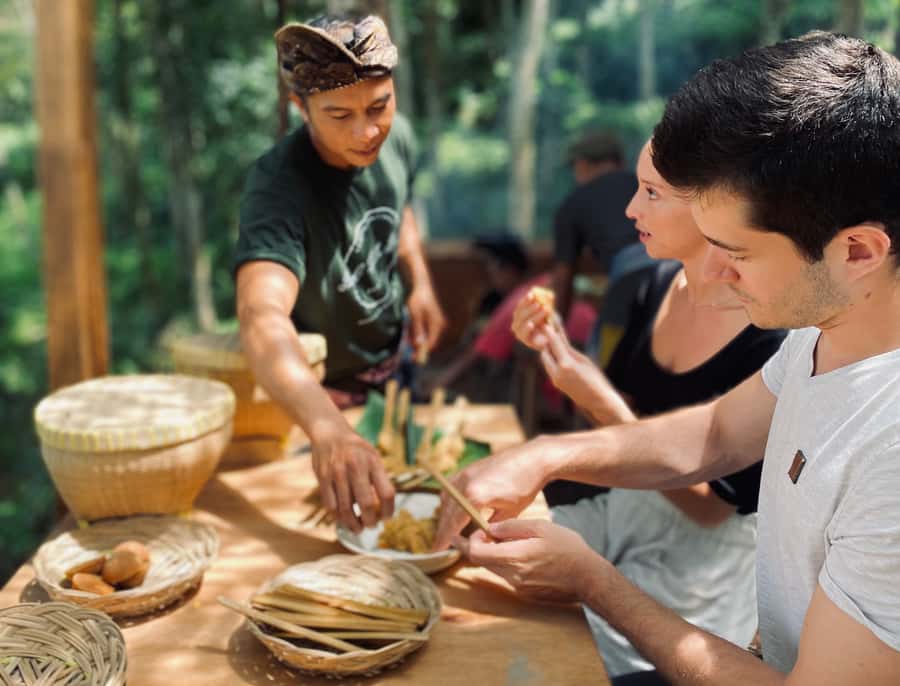
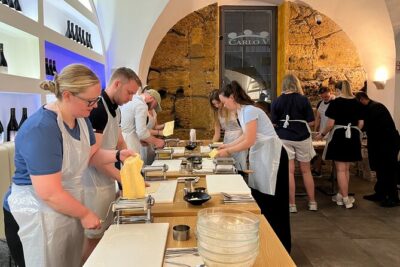
This experience is designed like a cooking day, not a slideshow. You’ll spend about four hours moving through preparation and cooking, with the chef showing processes from mise en place (getting ingredients prepped) all the way to when the dishes are ready to serve.
You’ll cook five Balinese dishes in that time. The exact menu isn’t revealed ahead of time, and I get why they do this: it keeps you paying attention in the moment. Instead of looking for a familiar “number one dish,” you stay curious and follow what’s happening on the stove.
A realistic rhythm looks like this:
- Arrive, meet the chef, and get your station
You’ll get instructions and get sorted into the work flow. Because the group stays small, the chef can actually guide you as you chop, mix, or assemble.
- Prep phase for the first dishes
The focus is on practical steps: ingredients, texture, and seasoning patterns you’ll recognize later when you try cooking again at home.
- Hands-on cooking over wood fire
As dishes start to cook, you’ll rotate through tasks rather than staying glued to one pan the whole time.
- Repeat for dishes two through five
This is where you see the variety of Balinese flavors. Expect coconut richness, spice balance, and sauces made through traditional mixing rather than convenience products.
- Eat what you cooked
When everything finishes, you sit down and enjoy the results of your work. That’s a big part of why people rave about this class—it’s satisfying to taste your own output.
And yes, the chef keeps it fun. Reviews repeatedly mention humor and an easy, welcoming vibe, which matters because a cooking class can turn awkward if everyone is timid around the flame.
Cooking in the Woods with Real Fire: The Sensory Part
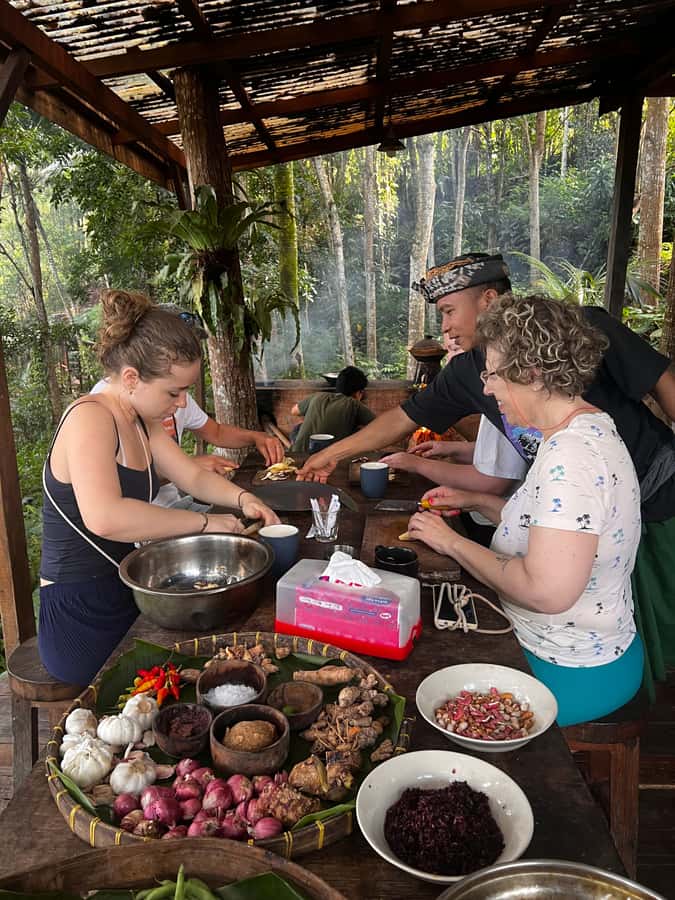
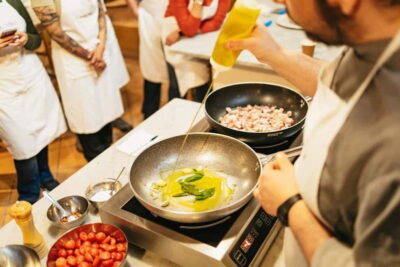
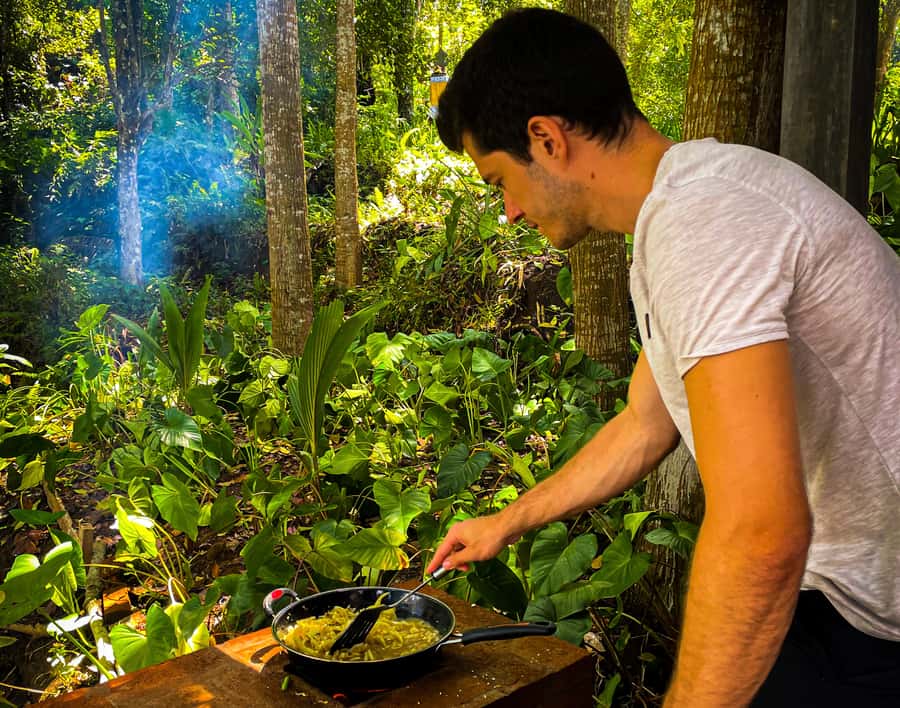
The “jungle cooking class” idea isn’t marketing fluff here. You’re literally cooking in a natural setting with trees around you, and the atmosphere is part of the lesson. People describe the sound of the jungle while food slowly cooks on an open-fire style setup. That makes the cooking slower and more deliberate—almost like you’re forced to pay attention to timing.
One more practical benefit: wood-fired cooking changes how you think about heat. You learn to watch the pan and the aroma, not just the clock. If you’ve only cooked with electric stoves or gas burners at home, this is a good reset.
The class also emphasizes cooking “from scratch,” using traditional cooking implements. That shows up in how sauces are made and how aromatics are handled. A reviewer specifically mentioned there’s no curry paste from a supermarket here, and that’s exactly the point: you learn the flavor building blocks.
What You’ll Eat: Five Balinese Dishes and the Surprise Menu
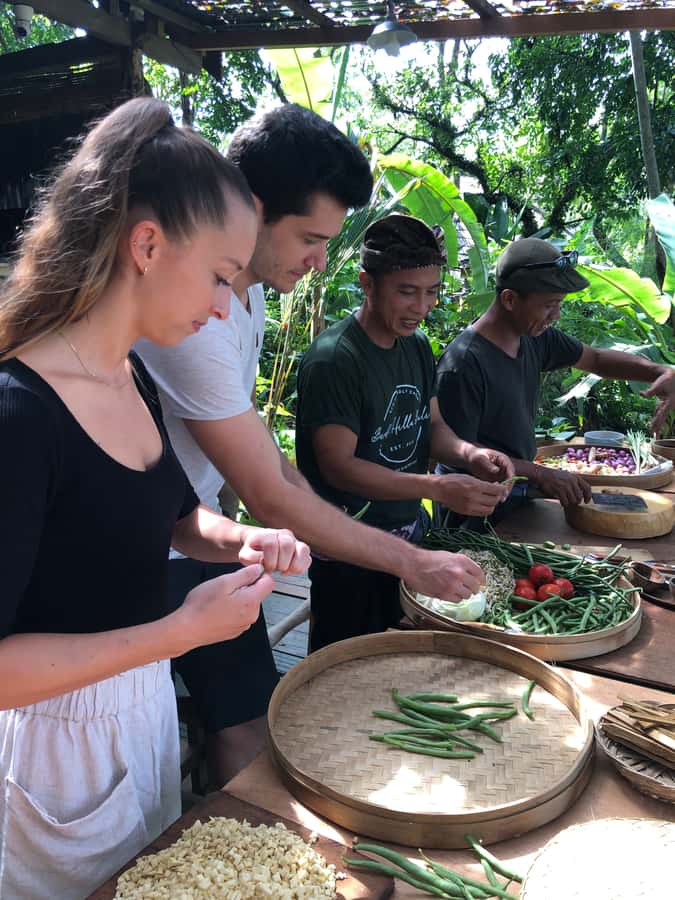
Here’s the style: you’ll get five menus available, and the staff won’t disclose the menu in advance. For some people, that sounds risky. For me, it’s a smart trade. You’re in a Balinese cooking class in the woods. You don’t need pre-reading when you can experience the process and taste the final dishes.
Still, you’re not totally flying blind. You can expect traditional Balinese cuisine, and you’ll likely get familiar with the base flavor patterns that show up across dishes—especially the way coconut and spice work together in sauces.
Vegan or vegetarian options
Vegetarian and vegan menus are available by request. That’s important because it lets you participate without changing the entire class structure. If you need vegan, message ahead so the chef can plan ingredient prep and timing.
Food allergies
One strong consideration: this isn’t listed as suitable for people with food allergies. If your allergies are serious, treat that as a hard stop. Cooking in a shared kitchen setting plus fresh ingredient handling means you should not assume you can guarantee cross-contact safety.
Ketut (and the Team) Teaching Style: Small Group, Big Attention
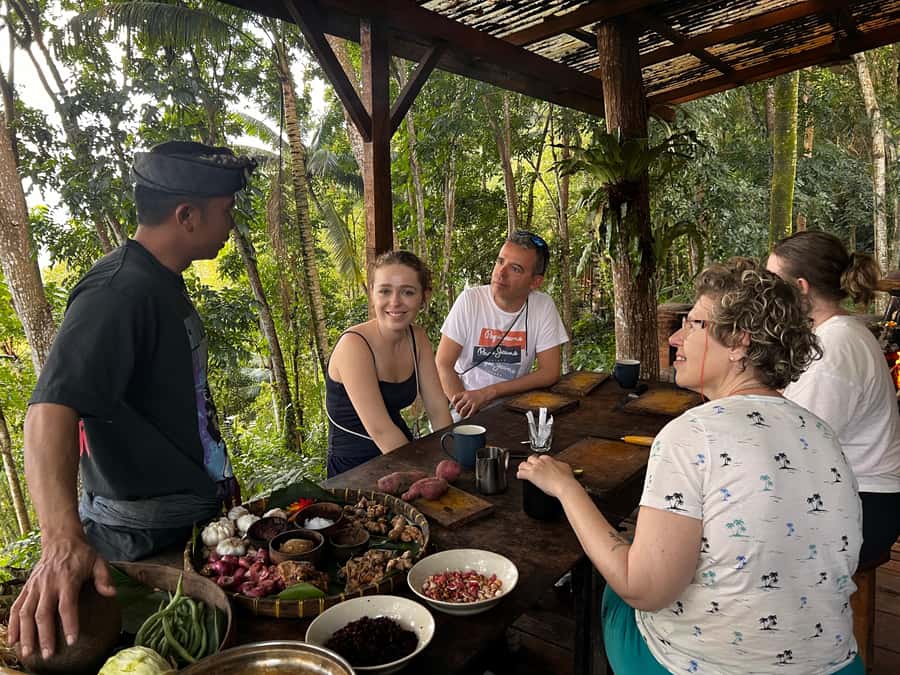
The chef and guides are a huge part of why the reviews are so consistently high. Names show up clearly: many people call out Ketut (sometimes spelled Katut/Katuk in different bookings, but the same chef is repeatedly credited). You’ll likely spend time with him directly while learning techniques and stories around Balinese cooking.
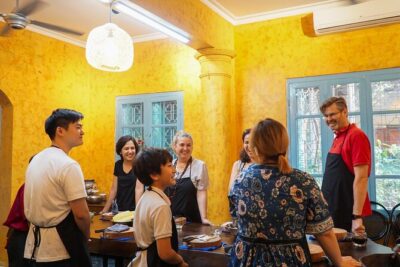
What stands out is how interactive it feels. Reviews mention you don’t just cook once; you get the chance to assist in preparations, and the chef keeps things engaging with explanations and jokes. That matters for skill-building. If you’re nervous in front of a stove, a relaxed teacher helps you focus on the steps.
Also, the class runs with English and Indonesian instruction. One review mentioned a mix of English and French being helpful for non-English speakers. Since the only languages officially listed are English and Indonesian, treat that as a bonus depending on who’s staffing your morning, not a guaranteed translation plan.
Bringing It Home: Recipes, Techniques, and Real Re-Cooking Value
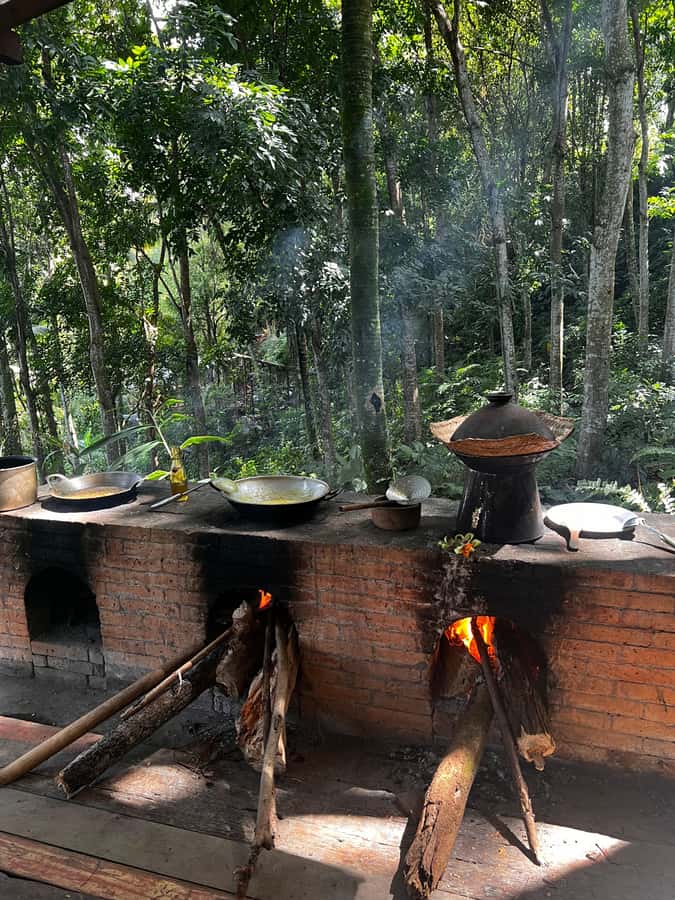
The most useful part of a cooking class isn’t what you eat during the lesson. It’s whether you can repeat it at home without guessing. This one is designed for that. Multiple reviews mention that you receive recipes you can use later to recreate the dishes.
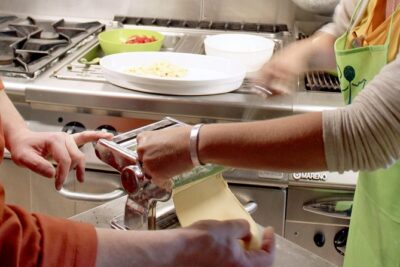
What makes those recipes more valuable here is that you’re learning technique, not just ingredients. For example, one reviewer described learning how to mix ingredients for curry and coconut milk without curry paste. That’s the kind of knowledge that helps you adapt later with what you can find at home.
If you want to actually cook after this:
- Take photos of your station and the key steps. Bring a charged smartphone for reference.
- Write down the order of prep. Balinese cooking often depends on sequence, not just amounts.
- Expect that the “feel” of the sauce matters as much as the recipe card.
Price and Value: What You Get for the Time
There’s no single number provided here, but you can still judge value based on structure. You’re paying for:
- a small group (up to 6), so attention isn’t spread thin
- five dishes cooked within a four-hour session
- an experienced local chef and cooking equipment provided
- a setting that’s genuinely different from a typical studio class
In plain terms, the value comes from the ratio of hands-on time to the total experience. Many cooking classes turn into a team activity where someone else does half the work. Here, the small group size makes it easier to get involved with prep and cooking.
If you’re in the Sidemen area already, it’s even better value because you’re also getting morning scenery and atmosphere that you can’t buy separately.
Who Should Book (and Who Should Skip)
This is best for adults who want more than a meal. You’ll enjoy it if you like:
- hands-on cooking
- traditional methods
- learning from a local chef in a calm, natural setting
- cooking with fewer shortcuts
You should skip (or think twice) if:
- you’re bringing children under 7
- you’re pregnant
- you have food allergies you need fully managed
- you’re over 95
Also plan for the rain-or-shine reality. The activity runs rain or shine, so pack for weather and expect the mountain can be unpredictable even if the day starts sunny.
Should You Book This Bali Cooking Class?
I’d book it if your Bali trip includes Sidemen and you want a morning that feels authentic, not packaged. The big reasons: the mountain jungle cooking setting, the old-school method focus, and the fact that you actually cook five dishes in a small group with chef-led guidance from someone like Ketut.
I’d reconsider if you hate rough roads, because there’s no hotel pickup and the access road can be narrow and bumpy. And if you have significant food allergies, this isn’t set up for that kind of risk management.
If you want one Bali experience that gives you both flavor and context, this is a strong choice.
FAQ
How long is the cooking class?
The cooking class runs for about 4 hours, typically starting at 8:30am and going until around 1pm.
Where do I meet the group?
You can find the meeting point by searching for Bird Hills Bali on Google Maps. Look for the sign for Mystery Mountain Cooking Class by Bird Hills Bali.
Is there hotel pickup and drop-off?
No. Hotel pickup and drop-off are not included.
Does the class run in bad weather?
Yes. The class takes place rain or shine.
Is a vegan menu available?
Yes. A vegan menu is available by request, and vegetarian/vegan options are supported with prior notice.
How big is the group?
It’s a small group limited to 6 participants.