REVIEW · ATHENS
Athens Greek Cooking Class Pita Gyros from Scratch with a Local
Book on Viator →Operated by Eat with your Greek Cousin · Bookable on Viator
Stepping into a family kitchen makes Athens food feel close. You’ll learn to build pita gyros from scratch and make the sauces that make them taste like the street. I especially liked the hands-on cooking pace and the fact that you’re not just watching.
The biggest drawback is simple: this is a real cooking session. You’ll be active for about 3 hours, so if you want a sit-and-snack class, this may feel like work.
In This Review
- Key highlights worth targeting
- A rooftop kitchen where Athens feels like home
- Price and what you’re really buying for about $133
- The 3-hour flow: how your plate gets built
- Cooking gyros: five ways to do it right at home
- Tzatziki and spicy feta spread: the flavor foundation
- Homemade pita bread: the difference you can taste
- Dessert time: Greek-style cheesecake after you’ve cooked all day
- Small group, big attention (and lots of conversation)
- Drinks included: how the meal stays relaxed
- Who this class is best for
- Should you book this Athens gyro cooking class?
- FAQ
- What will I cook in this class?
- How long is the experience?
- Is lunch or dinner included?
- Are drinks included?
- How big is the group?
- Where does it meet, and where do I end?
- What if the weather is bad or I need to cancel?
Key highlights worth targeting
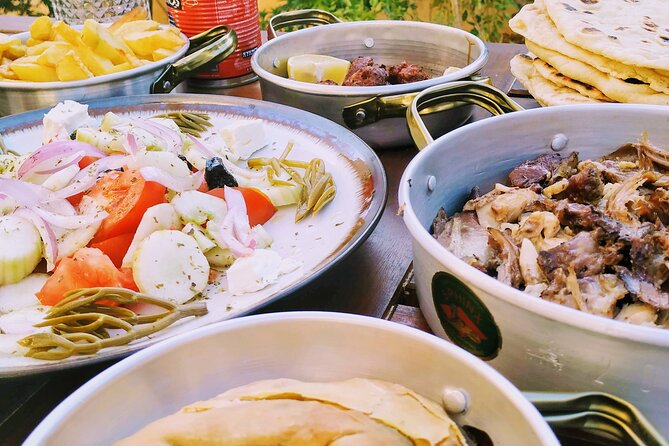
- 5 gyro-cooking methods you can repeat at home, not just one
- Tzatziki + spicy feta spread made fresh, with the flavor logic explained
- Pita bread for the wrap so your gyro has the right chew and taste
- Small group (max 16) and a host family vibe with lots of interaction
- Lunch or dinner option so you can fit it around your Athens day
A rooftop kitchen where Athens feels like home
The class meets at Panepistimiou 64 (Athina 105 64), and it ends back at the same place. That location is handy because you’re not fighting complicated transfers, and it’s near public transportation. You’ll show up with a mobile ticket, then get guided to the kitchen space.
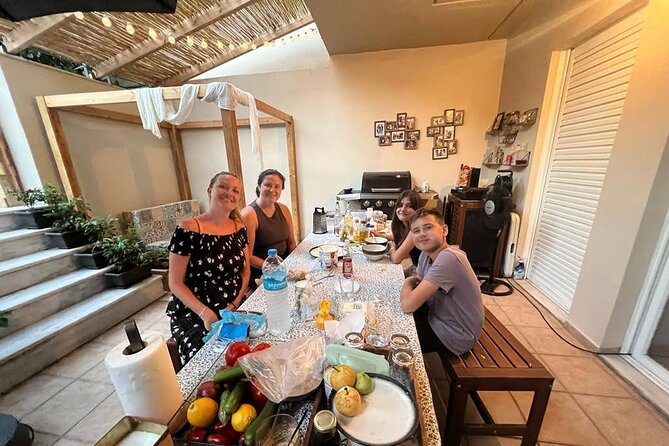
One theme sticks out from the experience: it’s run like someone’s home, not like a factory class. Dionysia leads the session, often with help from Kostas and their family. The setup tends to put you around the work area so you can cook at every stage, not just assemble the final plate.
What that means for you: you’ll leave Athens with recipes you understand, not just recipes you memorized.
You can also read our reviews of more tours and experiences in Athens.


Price and what you’re really buying for about $133
At $133.08 per person for roughly 3 hours, this isn’t a “cheap bites” activity. But it’s built around real ingredients, real cooking, and real food to eat.
Here’s what you get that adds value:
- A local instructor and a structured teaching flow
- Lunch or dinner (depending on the session you pick)
- Alcoholic beverages included
- You don’t have to bring anything
- Multiple dishes: starters, main, and dessert
For food-focused travelers, the value comes from the skill transfer. You’re not just leaving with a gyro. You’re leaving with the how behind pita, tzatziki, and a couple of signature spreads that would normally take a lot of trial and error.
If you’re the type who plans to cook when you’re back home, this price makes more sense than it first looks.
The 3-hour flow: how your plate gets built
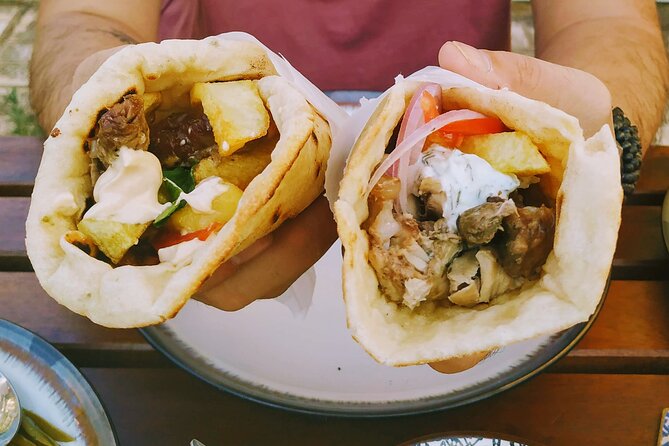
You’ll spend the session cooking a full street-food meal. The plan centers on pita-gyros from scratch, plus two starters and dessert.
A typical flow looks like this:
- You begin with the two starters: spicy feta spread and tzatziki
- Then you move to the main: the pita gyro wrap
- You finish with a Greek-style cheesecake that’s described as easy to make
- Throughout, there are snacks and drinks, including alcohol
Even if you’ve never cooked before, the format is set up so you can do each step. That step-by-step rhythm is part of why so many people rate this class so highly: the cooking tasks match the time, and you keep moving.
Cooking gyros: five ways to do it right at home
The class specifically teaches 5 ways of cooking gyros at home. That matters, because most people only know one method—then get stuck when they try to recreate the flavor with different equipment.
You’ll also learn how to season properly and manage cooking time. The goal isn’t mystery. It’s control: how to get good flavor in the meat and keep it from drying out.
A detail worth noting: the class focuses on Greek comfort food techniques, not complicated restaurant plating. You’re learning to cook for a wrap—something portable, casual, and full of sauce.
Practical takeaway for you: after this, you should be able to adjust for your own kitchen setup. Grill, pan, oven-style approaches—whatever matches your reality.
Tzatziki and spicy feta spread: the flavor foundation
Many gyro experiences stop at the meat. This one makes the sauces the centerpiece.
You’ll learn tzatziki from scratch. That includes the core elements you need for the creamy, tangy balance that cuts through rich meat. You’ll also make a spicy feta spread. People single this out as a standout—warm, salty, and punchy—exactly the kind of dip that makes the rest of the meal taste more alive.
What I like about this setup is the way it trains your palate. You’ll notice how one starter changes the main experience:
- Tzatziki brings cool acidity and creaminess
- Spicy feta brings bold, savory heat
- The pita wrap ties it all together
If you’re worried you won’t know what you’re doing, don’t. The class is structured so you’re guided step by step while you’re actively making the food.




Homemade pita bread: the difference you can taste
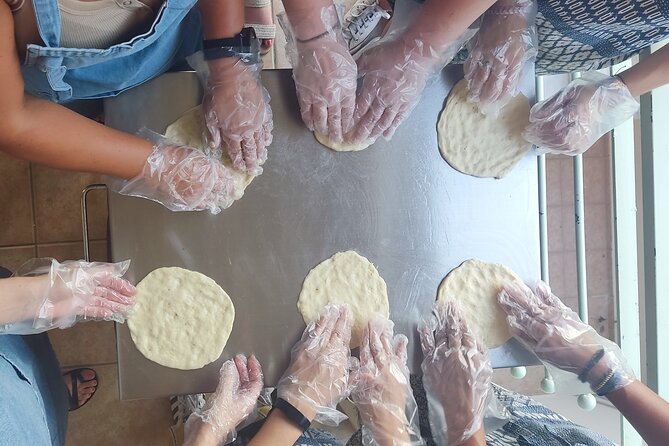
Greek gyros depend on the bread. This class includes making pita bread for the wrap.
Bread can be the part that scares people off cooking classes. Here, you’re not asked to perform bakery wizardry. You learn the process in a way that makes sense for a home cook. Even if you bake often, you might still find the texture and flavor a bit different from what you expect—because small ingredient choices and timing change everything.
When you make the pita on-site, you don’t just learn it. You see how it performs with the meat and sauces.
Real-world use: when you cook at home later, you’ll be able to build a gyro that tastes balanced. Not just “stuff in flatbread,” but a wrap with structure.
Dessert time: Greek-style cheesecake after you’ve cooked all day
After the main event and eating what you made, you finish with Greek-style cheesecake. It’s described as easy to make, which is a smart choice for a class like this. You’re already learning multiple components, so the dessert doesn’t turn into a second full project.
This is also the moment when the class shifts from technique to enjoyment. You sit down, eat, and realize your earlier steps actually worked. That eat-what-you-cook payoff is a big reason people keep saying it felt like a real family meal.
Small group, big attention (and lots of conversation)
This experience has a maximum of 16 travelers, which keeps it from turning into a mass demonstration. In practice, it tends to feel intimate. You work with a small circle and get questions answered as you go.
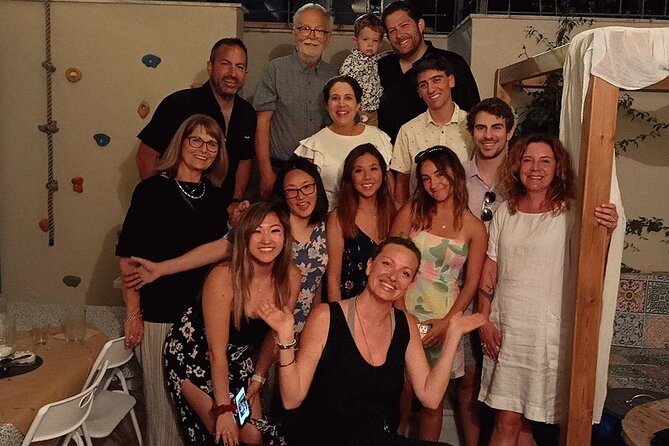
Host-family interaction is a big part of the tone. Dionysia and her family are welcoming and you’re encouraged to share stories while you cook. The class can feel like you’re cooking with new relatives rather than attending a formal lesson.
There’s also a social side that shows up repeatedly in people’s feedback: laughter, snacks, and drinks throughout the session. So yes, you’ll learn food skills. But you’ll also get that Athens “people-first” experience.
Drinks included: how the meal stays relaxed
Alcoholic beverages are included. That can be a plus for many people, especially if you’re treating this as an evening event. Even if you don’t drink much, the beverages and snacks help keep the atmosphere easy while you’re working.
One practical thought: pace yourself. You want to enjoy the conversation and the cooking without losing your attention. When you’re making sauces and bread, you’ll want to stay present.
Who this class is best for
This is the kind of Athens activity that works for a lot of travelers because it’s hands-on but guided.
It’s a great fit if you:
- Want to cook real Greek dishes and recreate them later
- Like food experiences with a local family vibe
- Prefer small groups over crowded tours
- Travel as a couple, friends, or a family (including families with kids who want to help)
It also seems to accommodate dietary needs. One guest with a gluten allergy was provided special GF ingredients, so if you have restrictions, it’s worth asking in advance.
If you dislike hands-on activities, or you’re short on time and need a quick stop, you might prefer something more walk-around and less kitchen-based. But for most people, the active format is the point.
Should you book this Athens gyro cooking class?
I’d book it if you want a meaningful Athens food memory. This class is built around skills you can take home: gyro technique, tzatziki, spicy feta spread, pita bread, and an easy dessert. The teaching style, small-group size, and host-family warmth make it feel more personal than typical cooking workshops.
I’d think twice if your priority is sightseeing over cooking, or if you don’t want to spend about 3 hours actively working. Also, since the experience is weather-dependent, plan to have a little flexibility in your schedule.
If your goal is to leave Athens with both a full belly and a working recipe set, this one is a strong choice.
FAQ
What will I cook in this class?
You’ll make a starter spicy feta spread, a starter tzatziki, the main pita gyro wrap, and a Greek-style cheese cake dessert.
How long is the experience?
It lasts about 3 hours.
Is lunch or dinner included?
Yes. You’ll have either lunch or dinner depending on which time option you select.
Are drinks included?
Yes. Alcoholic beverages are included.
How big is the group?
The experience allows a maximum of 16 travelers.
Where does it meet, and where do I end?
It starts at Panepistimiou 64, Athina 105 64, Greece, and ends back at the same meeting point.
What if the weather is bad or I need to cancel?
The experience requires good weather. If it’s canceled due to poor weather, you’ll be offered a different date or a full refund. You can cancel up to 24 hours in advance for a full refund.