REVIEW · ROME
Private Cooking Class in the Heart of Rome 3 types of Pasta and Wine
Book on Viator →Operated by Roma Gourmet Experience · Bookable on Viator
Pasta lessons in Rome, with real technique. The big draw here is hands-on instruction from Chef Christian, plus an English-friendly pace that makes Italian cooking feel doable fast. I also like the fact that you don’t just watch: you shape dough, learn the pasta machine, and end up eating what you make.
You’ll also get a proper meal built around the class, not a token snack. Think bruschetta, a full first-course spread (including the three pastas), a glass of wine for adults, water and bread, then homemade dessert—plus recipe support to help you repeat it at home.
One consideration: the cooking venue can be farther from the historic center than you might expect. In particular, the setting has shifted over time, including a move to a larger space inside the Appia Antica area, so plan on a short taxi/ride rather than assuming it’s right in Trastevere.
In This Review
- Key things I’d watch for before you book
- Handmade pasta with Chef Christian: what the class feels like
- The three pastas you’ll make (and why they’re a smart combo)
- Fettuccine: machine dough you can repeat
- Gnocchi: the texture lesson
- Cavatelli: a different shape, different payoff
- The meal plan: more than food, it’s part of the lesson
- Trastevere intro: Santa Maria stroll before the kitchen
- Where you’ll cook: why the location shift is worth planning for
- Private by default: group size, pacing, and kids
- Wine and pairing: what you should expect (and what to skip)
- Price and value: how $94.92 adds up in Rome
- Who should book this class (and who might not)
- Practical tips for getting the most out of it
- Should you book this private pasta class?
- FAQ
- How long is the cooking class?
- Is this class private?
- What pasta types do you learn and eat?
- Is gluten-free available?
- What’s included in the meal?
- Is the class taught in English?
- Do you serve wine to minors?
- Where does the activity start and end?
- Is the venue near public transportation, and are service animals allowed?
Key things I’d watch for before you book
- Chef Christian runs the show, guiding dough technique and sauce logic step-by-step
- Three pasta types in one session: fettuccine, gnocchi, and cavatelli
- Wine pairing with clear age rules (no alcohol served under 18 in Italy)
- Private format for your group, so kids and adults get real attention
- You leave with tools, like tips plus a recipe book, and documentation (photos/videos) shared after
- Gluten-free options exist through specific course packages
Handmade pasta with Chef Christian: what the class feels like
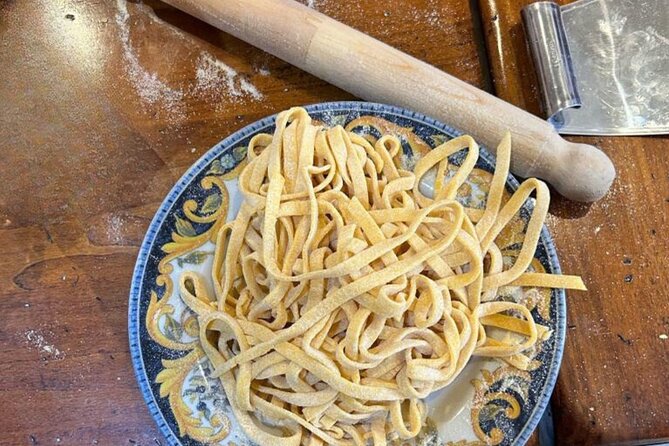
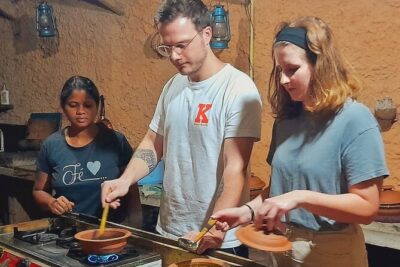
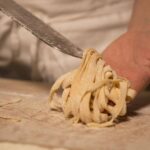
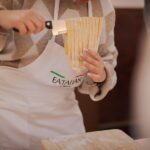
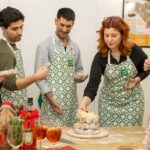
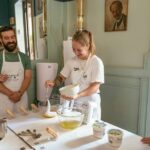
This is the kind of class where the skills matter. You’re not just assembling ingredients; you’re learning what makes Italian pasta pasta. Chef Christian teaches you how to work the dough, how to handle the pasta machine, and what to look for as the texture changes. That means you’re picking up technique you can actually use again, even if you’re not in Rome next week.
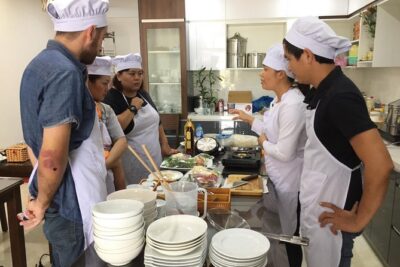
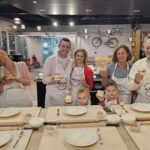
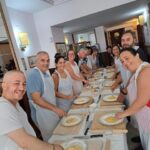
The private setup helps a lot. Even when a booking says small group, the format can end up being truly exclusive—just your party and the chef—so you can ask questions and get corrections without waiting your turn. In one family-style experience, even teenagers got deeply involved, which tells you the pace is teachable rather than stressful.
Another plus is the language barrier factor. The class is offered in English, and the teaching style is built around demonstrations, not just talk. If you’ve ever worried about joining an Italian class abroad without strong language skills, this one is structured to keep you engaged.
You can also read our reviews of more tours and experiences in Rome.
The three pastas you’ll make (and why they’re a smart combo)
The menu doesn’t send you down a single rabbit hole. You work across different pasta styles, which is a big part of the value.
Fettuccine: machine dough you can repeat
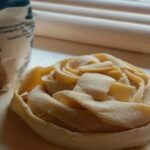
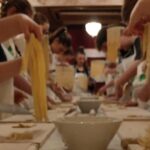
Fettuccine is a great base skill because it shows you how to roll and cut consistently. You’ll follow the chef’s guidance for using the pasta machine, which is usually where home cooks struggle later. Once you understand thickness and handling, the rest feels less mysterious.
Gnocchi: the texture lesson
Gnocchi can be tricky, and that’s exactly why it’s worth doing in a class setting. You get coached on dough handling so you can aim for the right feel before cooking. One of the best parts is seeing how the chef thinks through the process instead of just handing you finished instructions.
Cavatelli: a different shape, different payoff
Cavatelli adds variety and helps you understand pasta as a craft, not just a dish. In the course meal, you’ll also taste it as part of the sit-down portion, but the key learning is that the dough and shaping principles aren’t random.
Chef Christian also pairs your dishes with sauces, and you’ll have options to choose a dressing among traditional Italian sauces. That matters because it teaches you the logic of matching sauce to pasta texture, not just memorizing one combination.

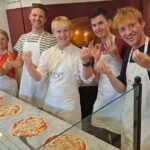
The meal plan: more than food, it’s part of the lesson
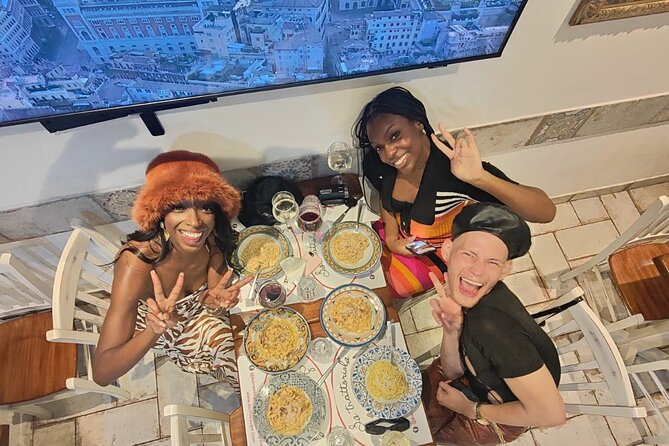
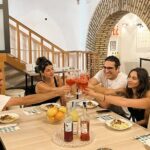
You’ll eat what you make, which is a huge difference from many cooking classes that end with a separate, pre-made meal. Here, the meal follows the work you did.
Here’s what’s included as part of the class experience:
- Two bruschettas as a starter, based on the seasons
- Three first courses built around the pasta you made (fettuccine, gnocchi, and cavatelli), with sauce dressing chosen among traditional Italian options
- A glass of wine plus water and bread
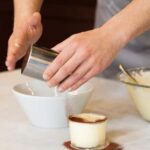
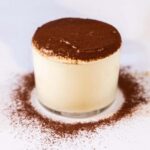
- Homemade dessert of your choice from the proposals of the day
This structure is practical for first-timers. You learn the technique, then you immediately taste the result in a meal context, so your brain connects cause and effect. You’re also not spending the rest of the day hungry or searching for dinner plans afterward.
Wine is included, with an important rule: if you’re under the legal drinking age in Italy (18), you won’t be served alcoholic beverages. That’s worth noting if you’re traveling with teens or younger kids, and it also makes the experience smoother for families.
Trastevere intro: Santa Maria stroll before the kitchen
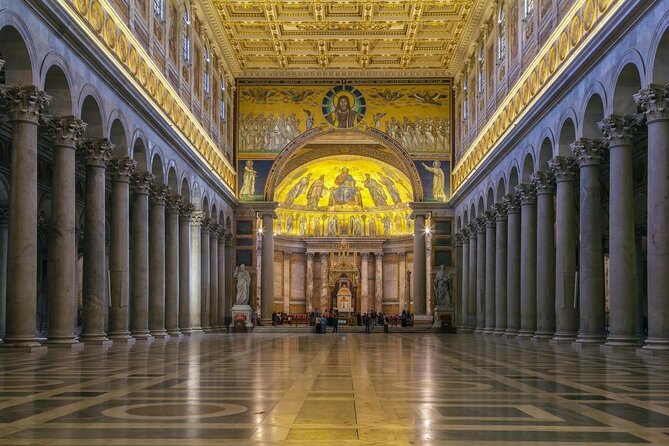
The experience includes stops in Rome that set the mood before you start cooking. You’ll begin with Basilica di Santa Maria in Trastevere and then spend time in Trastevere.
Why this matters: it turns the day from purely food-focused into something more grounded. Trastevere is the kind of neighborhood where you can still feel Rome’s daily pace rather than only postcard sights. Even if the main event is the cooking, a short neighborhood and basilica stop gives you a sense of place and helps you connect the food with the real setting.
One thing to plan around is timing. The full experience is about 2 hours 30 minutes, while the workshop portion is listed as 2 hours. That means you should expect a bit of transition time between the sightseeing stops and the kitchen.
Where you’ll cook: why the location shift is worth planning for
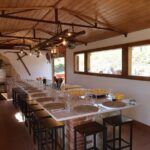
The meeting point is Via Ardeatina, 237, 00179 Roma RM, Italy, and the activity ends back at the meeting point. That part is clear.
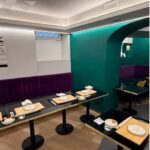
What can vary is the exact cooking venue. There has been at least one shift away from an expected “heart of Rome” setting, which one reviewer described as about a 30-minute ride compared with the original assumption. The provider has explained that a Trastevere space was temporary while a new facility was being completed, and that the new kitchen is larger and located inside the Appia Antica Archaeological Park.
Here’s the takeaway for you: don’t assume the class will be walking-distance from every major sight. If you’re staying near the center, still expect to use public transit or a ride to get there. The good news is that the entrance area is described as well connected by bus, with routes from places like Piazza Venezia or the Palatine area reaching it in about 20 minutes.
If you like making plans that are stress-free, build in that commute time. It also helps you avoid showing up hungry and rushed.
Private by default: group size, pacing, and kids
This is sold as a private tour/activity, meaning only your group participates. That changes the whole feel.
In a private format:
- you get more direct coaching on dough texture
- questions don’t get cut off
- kids can learn without feeling like they’re in the way
- you’re less likely to feel like you’re waiting for equipment
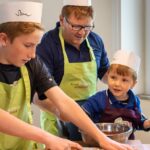
In one family experience, kids ages 12 and 14 enjoyed it enough to want to recreate the process at home. That’s a strong signal that the chef’s teaching style is clear and hands-on rather than overly technical.
For adults, the private setup also makes the meal feel more personal. You’re not just tasting pasta; you’re learning why that sauce works and how the next step changes the final result.
Wine and pairing: what you should expect (and what to skip)
A glass of Italian wine is included with the meal. You’ll also learn how pairing and sauce choices work, including how to match sauce logic to the pasta.
If you’re planning your day, remember the wine comes during the meal, and you’re still left with a longer session overall (about 2.5 hours). For a smoother end to the day, plan a relaxed finish rather than immediately jumping into a marathon of evening tours.
Also, if you have dietary restrictions beyond gluten-free, the experience does mention accommodations for dietary requirements in practice. Gluten-free is explicitly available through course packages, and there are also mentions of vegetarian-friendly options. Still, if your needs are specific, it’s smart to double-check in advance.
Price and value: how $94.92 adds up in Rome
At $94.92 per person, this isn’t a budget-only activity, but it’s also not in the “you’re paying for a show” category. It’s closer to the value sweet spot in Rome cooking experiences because you get multiple layers included.
You’re paying for:
- Three types of handmade pasta work (not just one)
- Chef instruction with a pasta machine focus
- Sauce selection and pairing as part of the meal
- A full included meal (bruschetta, three pasta courses, dessert)
- A glass of wine for adults, plus water and bread
- Follow-up materials mentioned in reviews, like a recipe book and photo/video documentation
When you compare classes that end with one small tasting portion, this one makes more sense because you actually eat a complete meal made from scratch. One additional practical value: the course lasts long enough to learn, not just sample.
It’s also booked ahead fairly often—on average about 45 days in advance. If you want a specific date, book sooner rather than later.
Who should book this class (and who might not)
You’ll probably love this if:
- you want a real skill lesson in handmade pasta
- you like interactive classes more than passive demos
- you’re traveling with family and want something kids can genuinely do
- you want an English-friendly cooking experience in Rome
- you care about dietary options like gluten-free
You might think twice if:
- you strongly prefer historic-center-only logistics and hate transfers
- you want a super short experience rather than a full meal + lesson
- you don’t eat much pasta or you’re very picky about shared food settings
Even if you’re a confident cook, the pasta machine technique and gnocchi texture coaching can still be useful. Even if you’re a beginner, the private pace helps you build confidence instead of scrambling.
Practical tips for getting the most out of it
- Come hungry. The class ends with a full meal, and you’ll want to taste the final results.
- Expect transitions. Plan for time between the Trastevere stops and the kitchen location.
- Ask about texture, not just timing. The chef’s teaching is built around how dough should feel and look.
- Take the follow-up recipe materials seriously. Reviews mention documentation and a recipe book, which is what turns a fun day into something you can recreate at home.
- If you’re gluten-free, confirm your course details early. Gluten-free is available as a packaged option, but you’ll want the right plan set before you arrive.
Should you book this private pasta class?
If you want a hands-on Rome experience that’s equal parts food, technique, and eating what you make, this is a very strong choice. Chef Christian’s teaching comes through in the way the class is structured: clear steps, room to ask questions in a private setting, and a meal that follows the work so you can connect learning to taste.
Book it if you like authentic cooking over sightseeing-only days, and if you’re okay with the fact that the kitchen location may be outside the densest historic-center areas. The tradeoff is worth it for the quality of instruction and the included meal.
If you want purely central logistics with no ride time, you might find the location shift annoying. But if you treat the travel part as just part of the day, you’ll end up with a memorable cooking skill and a belly full of pasta.
FAQ
How long is the cooking class?
The experience is approximately 2 hours 30 minutes, and the workshop portion is listed as 2 hours.
Is this class private?
Yes. It’s a private tour/activity, so only your group participates.
What pasta types do you learn and eat?
You’ll work on fettuccine and gnocchi, and the included meal features three first courses: fettuccine, gnocchi, and cavatelli.
Is gluten-free available?
Yes. There are packages that include a gluten-free course.
What’s included in the meal?
You get two bruschettas, the pasta first courses made entirely by the group, a glass of wine, water and bread, and a homemade dessert of your choice from the day’s proposals.
Is the class taught in English?
Yes. The experience is offered in English.
Do you serve wine to minors?
No. Customers under the legal drinking age in Italy (18) will not be served alcoholic beverages.
Where does the activity start and end?
It starts at Via Ardeatina, 237, 00179 Roma RM, Italy and ends back at the meeting point.
Is the venue near public transportation, and are service animals allowed?
The meeting area is described as near public transportation, and service animals are allowed.