REVIEW · BUSAN
Busan Tailored Korean cooking class (Vegan OK)with market tour
Book on Viator →Operated by Dorawayo experience activity · Bookable on Viator
Spicy sea snail salad is a clue. This Busan class pairs a Bujeon Market ingredient hunt with hands-on cooking, so you learn the why, not just the bite. I love that you can tailor your menu (2 banchan plus 1 stew or soup), which keeps the food from feeling generic.
I also like the way the host guides you step-by-step, with real attention to taste and adjustments for vegetarian and vegan eaters. In past sessions led by Suyang Chang (often called Busan oppa), the class vibe stays relaxed, and the focus is on making dishes you can recreate at home.
One possible drawback: the market environment and the ingredient choices can be intense if you’re sensitive to strong seafood smells or if you expected a totally meat-free menu without discussing your preferences.
In This Review
- Key things I’d circle on your booking list
- Why this Busan cooking class feels local, not touristy
- Bujeon Market shopping: what you’re really learning
- Menu math that makes the class feel personalized
- Vegan OK: what tailoring can look like in real cooking
- Hands-on cooking: you’ll learn technique, not just timing
- What you’ll eat (and why the banchan setup is smart)
- Meet-up and timing: planning your day without stress
- Who this class is perfect for
- Quick practical tips before you go
- Should you book this Busan Korean cooking class?
- FAQ
- Where does the tour start?
- How long is the Busan Tailored Korean cooking class with market tour?
- How does the menu selection work?
- Can I choose vegetarian or vegan options?
- What food and drinks are included?
- What isn’t included?
- Is there a refund if I cancel?
- What’s the maximum group size?
Key things I’d circle on your booking list
- Bujeon Market focus: you shop alongside your host, not in a quick photo-stop way
- Choose 3 dishes: 2 banchan plus 1 stew/soup, and you can steer the menu toward your tastes
- Vegan/vegetarian accommodations: vegetarian menus are available, and swaps happen in real time
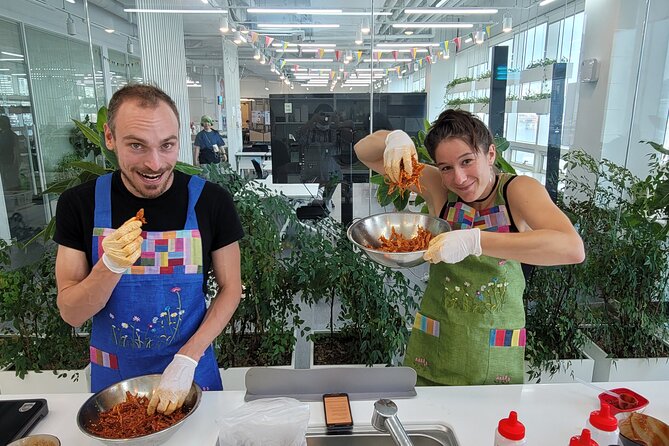
- Hands-on cooking from scratch: you actually cook, not just assemble pre-made components
- Host personality matters: Suyang Chang’s style comes through in how he explains Korean food and culture
- Generous meal outcome: several classes leave you with more than you expect, even with smaller groups
Why this Busan cooking class feels local, not touristy
Busan has plenty of food tours that stop at the same famous snacks. This one starts with the ingredients you’ll be using later, in a market setting that feels like a working food district. That matters because Korean cooking is technique-driven: you’re learning how flavors build, not just copying a recipe.
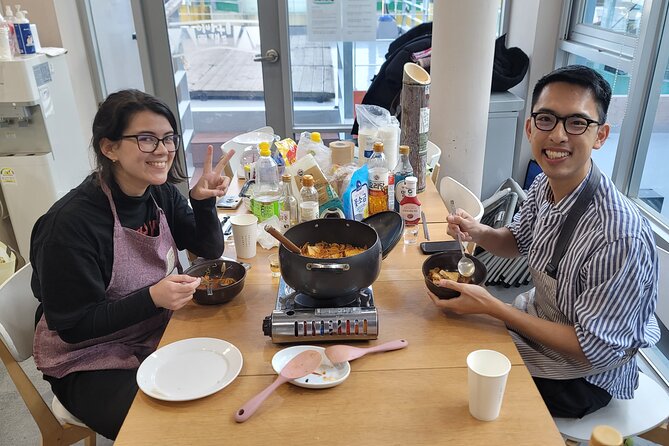
You’ll spend time at Bujeon Market, Busan’s large food market area, where your host helps you choose what you need. Then you move to the kitchen and cook your selected dishes. The flow is simple, but it’s smart: market first, cooking second.
The best part is the customization. You aren’t locked into a rigid set menu. You choose from banchan options like kimchi pancake, seafood pancake, seasoned black bean, seasoned egg with soy sauce, braised radish, and more. Then you pick one stew or soup to anchor the meal.
You can also read our reviews of more tours and experiences in Busan.
Bujeon Market shopping: what you’re really learning
The market stop isn’t just a stroll. It’s where you get the practical context behind Korean pantry staples and flavor patterns. Your host helps you shop for fresh ingredients and the right dried items, sauces, and seasonings that make Korean dishes taste like they should.
Look for two things during your market time:
- Ingredient selection: how your host decides what to buy, even when the menu is tailored
- Translation of flavors: what certain ingredients do in the dish, so you understand replacements later
Suyang Chang has a reputation for explaining food in a way that sticks, and many classes include added cultural tidbits and even restaurant recommendations afterward. That’s valuable because Korean cooking doesn’t end when you leave the kitchen.
Also, this is a bigger deal for some travelers than others. If you already like cooking at home, shopping with guidance helps you build a Busan-based shopping list you can repeat. If you don’t cook much, the market context makes the steps feel less random.
Menu math that makes the class feel personalized
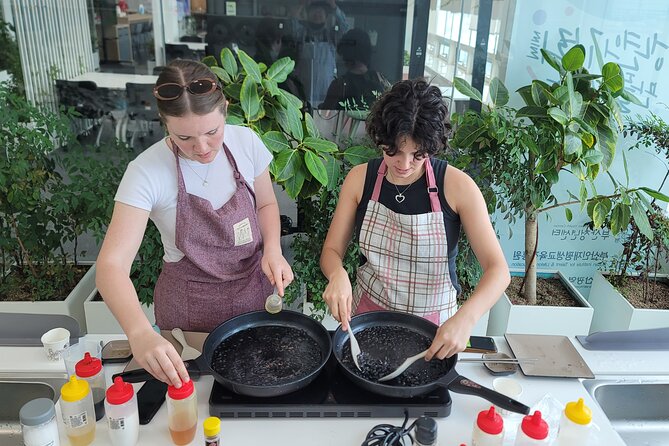
Here’s the structure that keeps this class from becoming a cookie-cutter experience: you choose 3 menus total.
- 2 banchan (side dishes)
- 1 stew or soup
That’s a great setup because banchan teaches you technique range—pancakes, braises, seasoned vegetables, bean-based dishes, egg preparations, and more. The stew or soup then teaches you the flavor base: something saucy, soupy, or spicy that ties the meal together.
You’ll see choices on the banchan side that cover different Korean flavor styles, for example:
- Kimchi pancake and seafood pancake (great for learning how to bind and season)
- Seasoned black bean with soy sauce (sweet-salty comfort)
- Bracken salad (namul) and bean sprout soup and salad (namul) (classic vegetable handling)
- Braised tofu with spicy sauce or steamed tofu and egg (texture-focused cooking)
For stew/soup, your options include things like:
- Kimchi stew with pork
- Bean paste stew
- Seaweed soup with clam or dried pollack
- Alaska pollack soup
- Stir fried chicken with spicy sauce or with soy sauce
- Braised pollack and braised flat fish
A practical note: the menu selection is prioritized by earliest reservations if multiple groups join the same class. So if you’re set on one specific stew or banchan, book early.
Vegan OK: what tailoring can look like in real cooking
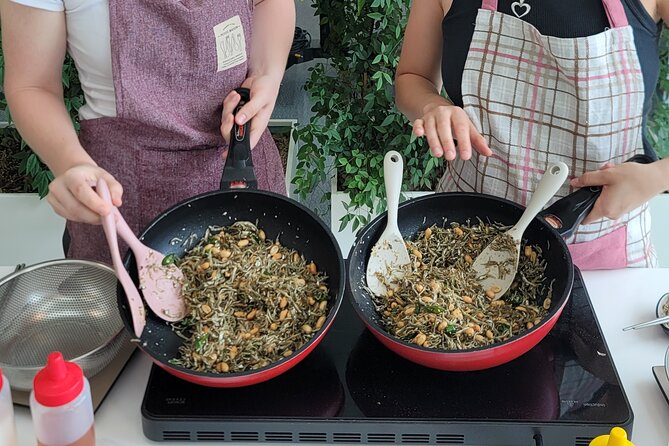
This is one of the clearest selling points of the experience. The class explicitly states vegetarian menus are available, and that the menu can be tailored to your tastes, including vegetarian options.
In one past class response, Suyang Chang provided gluten-free soybean paste when it was requested. That’s not guaranteed for every group, but it’s a strong sign that the host is willing to adjust ingredient details when possible. If you have a specific dietary restriction beyond vegetarian or vegan—like gluten-free—bring it up before you arrive.
So what does vegan cooking here usually mean? In Korean home-style cooking, it often comes down to:
- building flavor with sauces and fermented bases (like soybean paste, kimchi, or soy-based seasoning)
- swapping meat-forward dishes with tofu, vegetables, and bean-based options
- managing seasoning balance so the dish still tastes full without meat broth
If you’re vegan, choose banchan options that naturally align with your diet. Items like tofu dishes and many namul-style vegetable sides can work well. For the stew/soup pick, ask for the vegan version of the style you want—spicy, comforting, or savory.
If you’re vegetarian (not vegan), you’ll still likely be able to steer toward tofu, egg-based options, and vegetarian banchan choices. Either way, the class is set up so you’re not forced into a menu you can’t eat.
Hands-on cooking: you’ll learn technique, not just timing
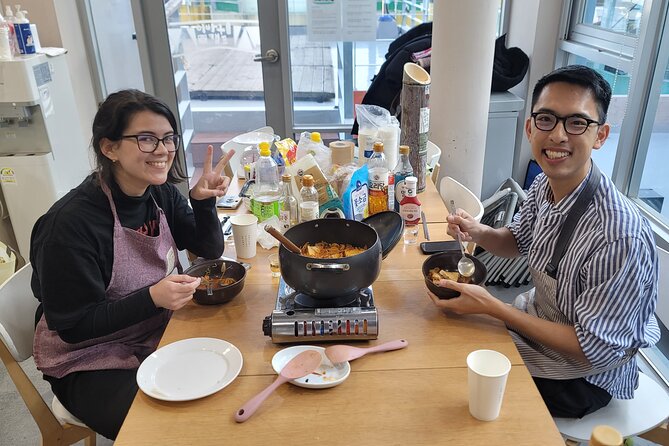
The cooking part is where this class becomes more than a nice meal. You’ll go from ingredients to finished dishes with your host walking you through key steps.
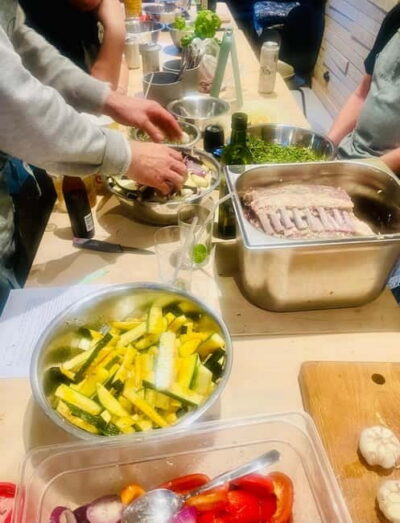
A recurring theme from past sessions is that the class doesn’t feel like an assembly-line cooking show. Instead, it’s described as truly cooking from scratch, including the parts that take practice: seasoning, texture, heat control, and plating.
Here are a few techniques you’re likely to pick up based on the menu options:
- Pancake method: kimchi pancake or seafood pancake teaches batter seasoning and pan heat
- Braising: braised tofu, braised radish, or braised pollack teaches how to reduce sauces into glaze
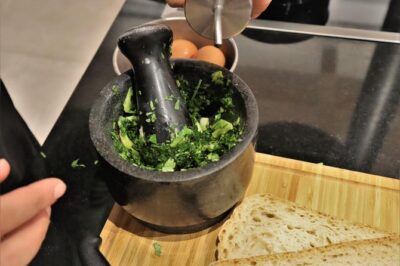
- Vegetable prep: namul-style dishes often hinge on cleaning, blanching, draining, and seasoning
- Soy-based seasoning: seasoned eggs and soy-accented sides build flavor with restraint
- Stew/soup base building: bean paste stew and seaweed soups teach how savory depth is formed
And the goal here isn’t just, I made a dish. It’s, you can make it again at home without guessing.
What you’ll eat (and why the banchan setup is smart)
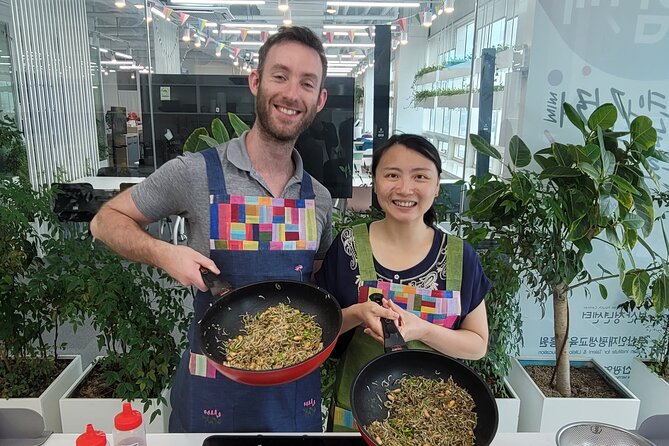
Since you choose 2 banchan plus 1 stew/soup, the meal outcome is designed to feel like a real Korean spread. Banchan in Korea isn’t decoration. It’s part of how the meal stays interesting across bites.
You’re also likely to leave with a better sense of portion rhythm. Even dishes that look small—like seasoned beans or a namul salad—can be satisfying when you understand how Korean meals balance salt, heat, acidity, and savory depth.
Some classes have also included extra market-time food such as quick bites at the market (like street-food-style snacks). Whether that happens during your day depends on the flow your host uses, but the market setting makes it easy to add a snack stop if you want one. Keep an eye on what’s covered versus what’s an extra expense.
Also, the class includes lunch foods made by you, plus bottled water. You’ll get coffee or tea as well, such as barley tea or corn tea. That’s a nice touch because tea fits Korean meal pacing, and it helps between dishes while you’re cooking.
Meet-up and timing: planning your day without stress
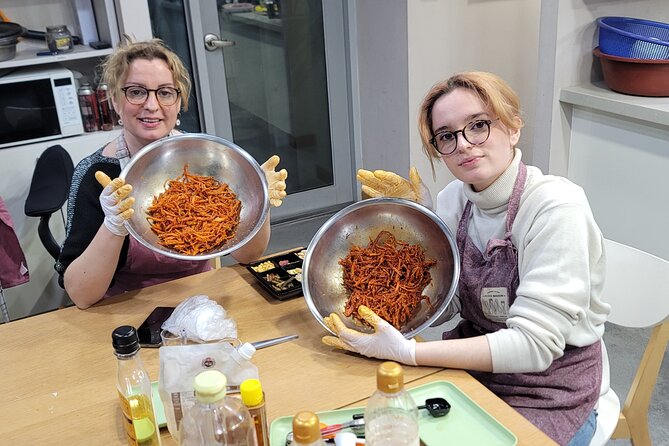
This experience runs about 5 hours and ends back at the meeting point. It’s set up to be straightforward in the real world, which is what you want when you’re juggling a travel schedule.
The meeting point is at KB Kookmin Bank Seomyeon Joongang2, in Busanjin District. It’s described as near public transportation, and some past cruise passengers found it easy to reach by taxi.
Also, the group size is capped at 15 travelers, which is big enough to feel social but small enough for your host to keep an eye on cooking progress. That matters when you’re learning techniques and don’t want to feel lost.
For pricing: it’s $95 per person for the full market-to-kitchen experience. In value terms, you’re paying for three things at once:
1) guided market shopping (with someone choosing ingredients with you)
2) hands-on cooking instruction (not pre-made assembly)
3) a meal outcome that’s built from what you cook
If you were to pay for a market guide, then separately pay for a private cooking class, you’d usually spend more than $95 in most cities. Here, the bundle is the point.
Who this class is perfect for
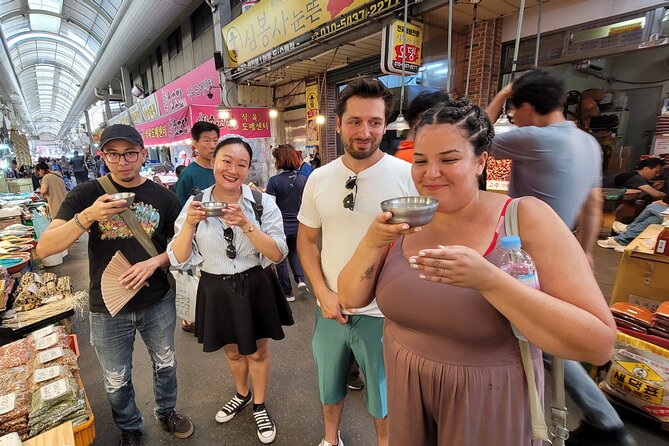
This is a strong match if you:
- want a meal you can recreate, not just take photos of
- care about vegan/vegetarian options and want menu flexibility
- like learning how Koreans build flavor through banchan and stew/soup
- enjoy markets, because the market time is a real part of the learning
It’s also a good choice for groups and families. One past class with a larger group described it as relaxed and designed for different ages, with an emphasis on making it enjoyable, not stressful.
If you prefer a silent cooking lesson or a very formal classroom style, you might find the market-and-chat energy a little more social. But if you’re there to learn and talk, it fits well.
Quick practical tips before you go
- If you’re vegan/vegetarian, tell your host your preferences clearly so the menu choices can match your needs from the start.
- If you have allergies or a specific ingredient limitation (like gluten-free), mention it early. One past class included gluten-free soybean paste on request.
- Wear shoes you can stand in during the market portion, and bring a light layer. Markets can be warm and kitchens can be warmer.
- When you choose your stew/soup, pick based on how you want the meal to feel: spicy and bold, savory and deep, or comforting and mild. That choice shapes everything else on your plate.
Should you book this Busan Korean cooking class?
I’d book it if you want a real-food day in Busan: market first, cooking second, and a meal you actually helped make. The combination of tailored banchan (2 sides) plus one stew or soup makes the class feel personal, and the vegan/vegetarian readiness is a genuine advantage, not a throwaway checkbox.
I’d skip it only if you strongly dislike crowded markets or you’re looking for a class that focuses on one ultra-famous dish only. This experience is broader by design, with lesser-known Korean dish potential (like spicy sea snail salad-style learning) and a menu that can shift based on group timing.
If you’re planning your Busan schedule and you want one activity that gives you both a local shopping experience and teachable cooking skills, this is the kind of class that turns into a repeat meal back home.
FAQ
Where does the tour start?
It starts at KB Kookmin Bank Seomyeon Joongang2, Busanjin District, Busan. The experience ends back at the meeting point.
How long is the Busan Tailored Korean cooking class with market tour?
The duration is about 5 hours.
How does the menu selection work?
You choose 3 menus: 2 banchan (side dishes) and 1 stew or soup.
Can I choose vegetarian or vegan options?
Yes. Vegetarian menus are available, and the class is tailored to your tastes, including vegetarian recipes.
What food and drinks are included?
Lunch foods made by you are included, along with bottled water and coffee and/or tea (barley tea or corn tea, plus instant coffee).
What isn’t included?
Alcoholic beverages and any private expenses or travel insurance are not included.
Is there a refund if I cancel?
This experience is non-refundable and cannot be changed for any reason.
What’s the maximum group size?
The class has a maximum of 15 travelers.