REVIEW · CANCUN
Cancun Hands-On Mexican Cooking Class
Book on Viator →Operated by Cancun Food Tours · Bookable on Viator
Margaritas and mortar-ready tortillas in 3.5 hours. This Cancun Hands-On Mexican Cooking Class is built around learning a real, multi-course flow: guacamole, tortillas, sopes, and enchiladas, plus dessert and a house-made margarita. It’s guided, practical, and designed for you to leave with more than just good photos.
I also like the small-group feel (max 10), which makes questions easier and helps even first-timers keep up. One drawback to plan for: the full “market-to-kitchen” portion and any breakfast details can vary depending on your timing and whether transport is arranged smoothly, so confirm what’s included for your exact start.
In This Review
- Key Points to Know Before You Go
- Cancun in a Kitchen: What This 4-Course Class Really Gives You
- Price, Time, and Group Size: The $79 Reality Check
- Meeting at Cancun Food Tours and Getting Set Up
- Market, Fruits, and Chiles: Where the Flavor Starts
- Guacamole and Avocado Wisdom: The Skill You’ll Use Weekly
- Tortillas and Refried Beans: Small Steps, Big Payoff
- Sopes and Enchiladas: Learning the Classic Builds
- Arroz con Leche and the House Margarita: Dessert That Closes the Loop
- Vegetarian Options and Gluten-Free: What You Should Expect
- Logistics and Common Snags: How to Avoid the Bad-Day Version
- Transport and timing clarity
- Communication
- Level of hands-on cooking
- Tools
- Who Should Book This Cancun Cooking Class?
- Should You Book? My Straight Answer
- FAQ
- What’s the duration of the Cancun Hands-On Mexican Cooking Class?
- Where do I meet for the tour?
- Is the class offered in English?
- How many people are in the group?
- What’s included with the price?
- Is there a vegetarian option?
- Can I cancel and get a full refund?
Key Points to Know Before You Go
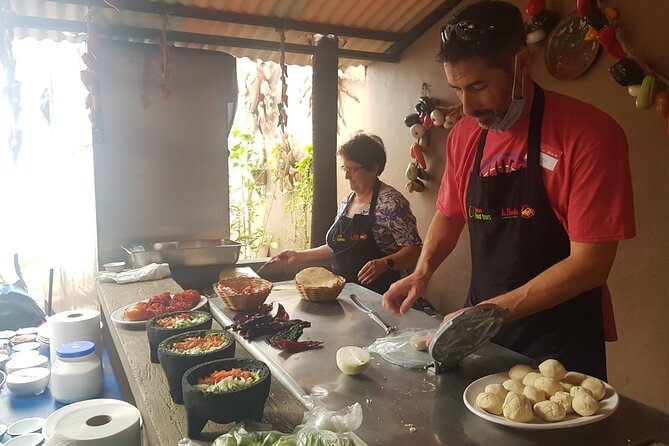
- A full 4-course menu you’ll taste and learn: seasonal fruit, guacamole, handmade tortillas, refried beans, sopes, enchiladas, arroz con leche, and margarita.
- Tastings are part of the education, including seasonal fruit and tamales.
- Guacamole gets the “do it right” treatment, including a tip for picking the right avocado you can use immediately back home.
- You’ll likely do real kitchen work, but in some groups the chef handles more technical steps while you handle key prep and assembly.
- Dietary needs can be handled, with a vegetarian option available and reported gluten-free accommodation.
- Expect a tight, friendly pace rather than a long slow cooking day.
Cancun in a Kitchen: What This 4-Course Class Really Gives You
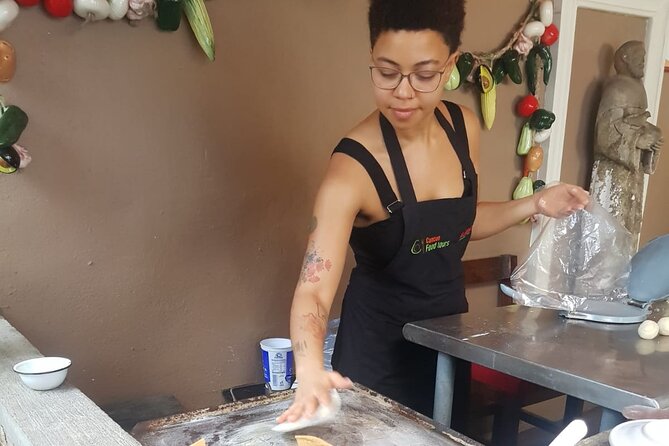
This isn’t a “watch someone cook while you snack” class. The whole point is teaching you a repeatable Mexican-meal rhythm: start with ingredients, build flavor step-by-step, then assemble a full plate that makes sense together.
You’ll move through a menu that covers the basics many people struggle with at home—guacamole technique, tortilla-making, and building sauces for classic comfort dishes like sopes and enchiladas. Then you finish with arroz con leche and the included margarita, so the lesson lands as a real meal, not just a cooking demo.
And because this is in Cancun, you get a modern shortcut: you learn what matters for flavor (chiles, freshness, texture), without needing to chase down a dozen specialty ingredients first.
You can also read our reviews of more tours and experiences in Cancun.
Price, Time, and Group Size: The $79 Reality Check
At $79 per person for about 3 hours 30 minutes, this sits in the “worth it if you’ll use what you learn” category. You’re paying for three things: hands-on instruction, ingredients/food included, and the convenience of doing it with a local chef rather than figuring out everything yourself.
The max group size of 10 is a big deal. In a class this short, small numbers keep the line moving and help you avoid the classic cooking-class problem: waiting while someone else chops.
Still, keep expectations realistic. A few experiences note that guests did a lot of prep and assembly rather than every component being cooked start-to-finish by participants. That can be totally fine—if you want technique and understanding—but it’s worth knowing before you go in expecting total “you cook every second” ownership.
Meeting at Cancun Food Tours and Getting Set Up
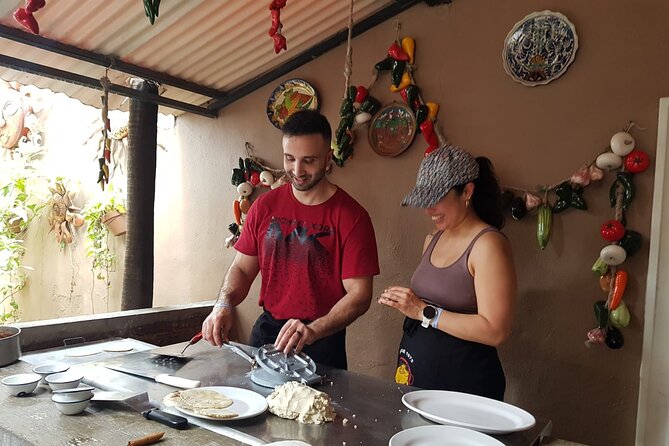
You start at 11:00 am at Cancun Food Tours, Av Yaxchilán 51, Centro, 77500 Cancún. The activity ends back at the meeting point, so you’re not solving transport back and forth after you’re done.
Dress is listed as smart casual. In practice, you’ll be working at a table and possibly doing some hands-on prep, so wear something comfortable you don’t mind getting a little food smell on.
Also worth noting: the tour uses a mobile ticket, and the meeting point is near public transportation. If you’re staying at a resort far from Centro, don’t wait until the last minute to plan how you’ll get there on your own schedule.
Market, Fruits, and Chiles: Where the Flavor Starts
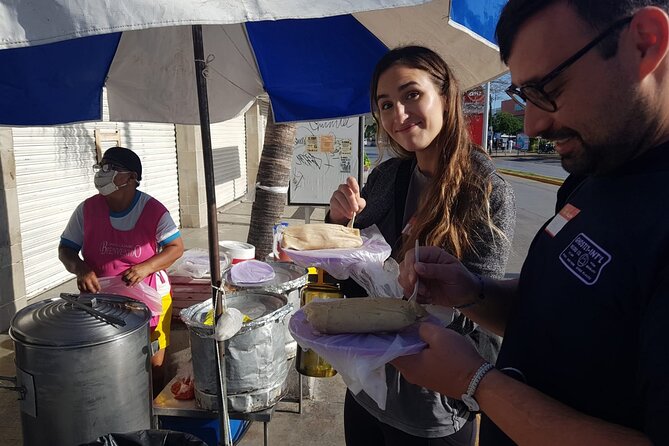
Many versions of this experience include a market walk or market-inspired ingredient education. Even when you aren’t doing a full market tour, you still get the tasting portion that makes the market lesson click.
You’ll begin with seasonal fresh fruit tasting, which is a simple way to learn how Mexican fruit differs from the bland supermarket versions you might be used to. You’ll also taste tamales as part of the local-food introduction. These tastings aren’t random. They’re meant to train your palate and show you how small ingredient choices change the end dish.
One of the most useful ideas comes from the class framing: chefs teach what local markets expect you to buy and why. You also get cultural context—how certain chiles and ingredients are used—so you understand the food, not just the steps.
Guacamole and Avocado Wisdom: The Skill You’ll Use Weekly
Guacamole is the star lesson here, and you don’t just get a basic recipe. You learn a technique that shows how to balance freshness, salt, acid, and texture.
A standout detail: there’s a tip for selecting the perfect avocado so you can use it immediately. That’s the kind of knowledge that travels with you. You can skip the trial-and-error at home and start with the right avocado texture.
You’ll also work through pico de gallo as part of the guacamole component. Even if you don’t eat spicy peppers regularly, you’re taught when and how to add peppers so you get flavor without turning the dish into an all-out heat contest. That’s a practical adjustment for anyone who’s cautious with spice.
If you’re a beginner, this is one of the safest bets in the whole menu. It’s hands-on, fast enough to learn, and forgiving enough that even minor mistakes don’t ruin dinner.
Tortillas and Refried Beans: Small Steps, Big Payoff
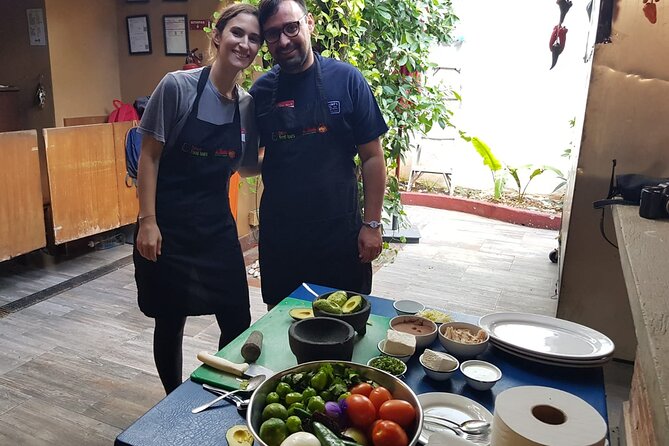
Mexican meals depend on the backbone items. Here, that backbone is handmade tortillas and refried beans.
Tortillas sound simple until you try them. The class teaches the secret behind them—how to think about dough and how the tortilla supports everything else on the plate. You might be pressing/working dough with guidance rather than fully producing every single tortilla independently, depending on how your group is paced, but you will come away with a clearer idea of what makes a tortilla taste right.
Refried beans follow the same logic. They’re not just “a side.” They’re flavor glue. You’ll learn how beans fit into the Mexican approach to comfort food and how they add depth to everything from sopes to enchiladas.
This section is also where many people realize why chef demos alone can feel unsatisfying. When you touch the ingredients, texture stops being abstract and becomes teachable.
Sopes and Enchiladas: Learning the Classic Builds
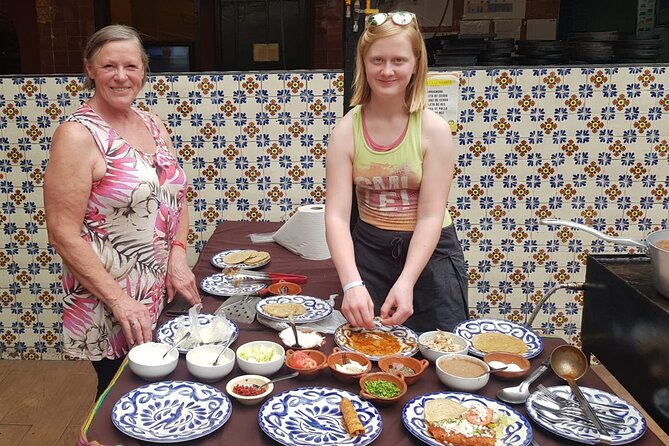
The mains connect the dots. Sopes give you a thick corn base and show how to top with stews and toppings without losing the balance. Enchiladas show how a rolled chicken filling becomes a finished meal through sauce—green or red—then gets finished with cream, cheese, and onion.
What to watch: some experiences note that guests primarily did prep and assembly while the chef handled more cooking. Other experiences describe guests flattening tortilla dough, making tortillas, and putting dishes together. Either way, you should expect a hands-on role with at least key steps and assembling.
A big win here is sauce logic. If you’ve ever made enchiladas at home and wondered why they taste “off,” this is where the class helps you correct the missing piece—how sauce interacts with toppings and how to build flavor in the right order.
And yes, peppers come up again as part of flavor choices. The goal is to help you adapt Mexican technique to your own spice tolerance without skipping the essential taste.
Arroz con Leche and the House Margarita: Dessert That Closes the Loop
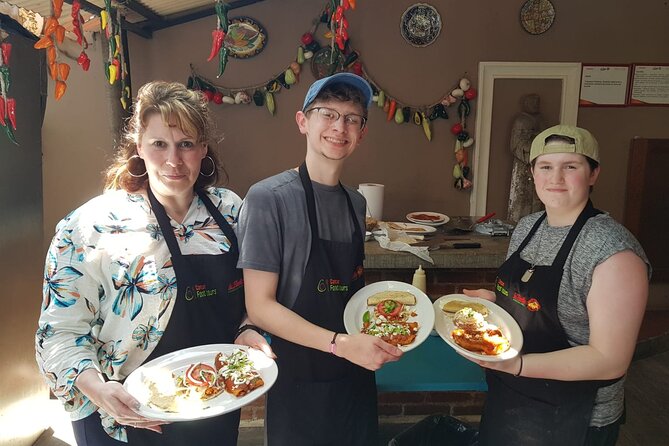
You finish with arroz con leche, a traditional dessert made with rice, milk, and sugar. It’s a comforting end that also teaches timing and texture thinking—how rice transforms when you treat it like it matters.
Then there’s the margarita, included as your drink. Several people mention it being delicious and an easy part of the experience, which helps the whole class feel like a meal outing, not just a task list.
If you’re hoping to add extra celebration (like music), you might find that any extras can be paid separately. One experience mentions mariachi being available but not included in the base cost, so don’t build your budget around free added entertainment.
Vegetarian Options and Gluten-Free: What You Should Expect
Vegetarian is listed as available if you advise at booking. That’s the good news.
The practical detail: vegetarian substitutions can vary. One experience reported a meat substitute of sautéed mushrooms in multiple dishes and felt beans or cheese would have made more sense as a true protein replacement. Another experience mentions gluten-free was accommodated.
So here’s the best approach: when you book, state your needs clearly and ask what “vegetarian” means for this exact menu. If you avoid mushrooms or need more filling protein, mention that up front. It’ll save you from guessing.
Logistics and Common Snags: How to Avoid the Bad-Day Version
Most of the reviews are very positive, but a few patterns show up that you should plan around.
Transport and timing clarity
Some experiences describe confusion about whether market time and extra food details are included, especially when transport is involved. If you’re not local to Centro, confirm how you’re getting there. If the class includes a market walk for your group, build in extra time rather than treating 11:00 as the only anchor.
Communication
A few people said they didn’t get fast answers when asking about transportation until late. The practical fix is simple: after booking, follow up with a clear message and keep screenshots of any details you receive.
Level of hands-on cooking
Even in good classes, the mix can vary. Some people report doing mostly prep (chopping, tortilla pressing, guacamole, assembling) while the chef does key cooking. If your dream is hands-on cooking for every course, ask what portions participants actually cook. If your dream is learning technique and leaving with a correct result, this class is likely a strong match.
Tools
One note mentioned knives being unusually dull, which affects the comfort and safety of chopping. You can handle this by coming prepared with patience and asking the chef for help if tools aren’t working well. If you’re sensitive about prep tools, keep that in mind.
Who Should Book This Cancun Cooking Class?
This is a great fit if you want:
- A short, structured Mexican cooking lesson with a full meal outcome.
- Beginner-friendly technique, especially for guacamole and tortilla basics.
- A local-feeling experience that includes tastings like seasonal fruit and tamales.
- A small group where questions feel doable.
It’s also a strong date or solo activity. One review mentions a personal, nearly private vibe with a tiny group, which can make it feel special in a good way.
If you’re the kind of traveler who wants to do every cooking step with your hands, do a quick expectation check. The class is hands-on, but the chef may take over some cooking while you do the key prep and assembly.
Should You Book? My Straight Answer
Yes, I’d book it—if you confirm the details that affect your experience. At $79 you’re paying for instruction plus food plus drink, and the menu is specific enough that you’ll likely leave knowing what to recreate: guacamole technique, tortilla basics, and classic build logic for sopes and enchiladas.
Just go in with two smart expectations: first, the market and breakfast-like extras (if any are part of your session) may depend on transport and timing. Second, hands-on can mean prep and assembly as much as it means cooking every minute.
If you want an authentic Mexican meal with real skills you can use back home, this is a fun, practical way to spend a half-day in Cancun.
FAQ
What’s the duration of the Cancun Hands-On Mexican Cooking Class?
The class runs for about 3 hours 30 minutes.
Where do I meet for the tour?
You meet at Cancun Food Tours, Av Yaxchilán 51, Centro, 77500 Cancún, Q.R., Mexico.
Is the class offered in English?
Yes, the experience is offered in English.
How many people are in the group?
This activity has a maximum of 10 travelers.
What’s included with the price?
It includes an English-speaking local chef, food tasting, a 4-course hands-on cooking class, and a drink including a margarita.
Is there a vegetarian option?
Yes. A vegetarian option is available, and you should advise at the time of booking.
Can I cancel and get a full refund?
Yes. You can cancel for a full refund up to 24 hours before the experience start time.