REVIEW · BARCELONA
Barcelona Authentic Paella and Sangria Cooking Class
Book on Viator →Operated by Foodies Xp · Bookable on Viator
Paella night in Barcelona starts with cava. This hands-on class turns a classic Spanish meal into something you actually make, not just watch. You’ll cook paella with your choice of fillings, then sit down to a shared meal with sangria (or wine) and dessert.
I especially like the way the day is paced: quick start with a chef-led intro, then plenty of time at the workstations, and finally a sit-down three-course meal. I also like the focus on customizable paella (seafood, chicken, or vegetarian), since it makes the class feel flexible instead of one-size-fits-all.
One thing to consider: the cooking space isn’t always what people expect. A few past dates seemed to run in venues that were less scenic than advertised, so it’s smart to double-check the exact address and setup details before you head out.
In This Review
- Key things that make this class worth your time
- Paella with cava: the start that sets the tone
- The workshop flow: from Spanish pan tomaquet to your paella
- Paella customization that actually helps your group
- Dessert and the Catalan connection: Catalan cream included
- Sangria (or wine) isn’t just a drink—it’s the meal’s finish
- Where you meet in Sant Martí, and why directions matter
- Chefs that change the vibe: Luc, Christina, Tommy, and more
- Price and value: why $120.94 can work (if you want the full meal)
- Who this class suits best (and who should think twice)
- Should you book Barcelona Authentic Paella and Sangria?
- FAQ
- How long is the Barcelona paella and sangria cooking class?
- What does the class include for food and drinks?
- Is the class offered in English?
- Where is the meeting point?
- How large is the group?
- What’s the cancellation policy?
- Are service animals allowed?
Key things that make this class worth your time
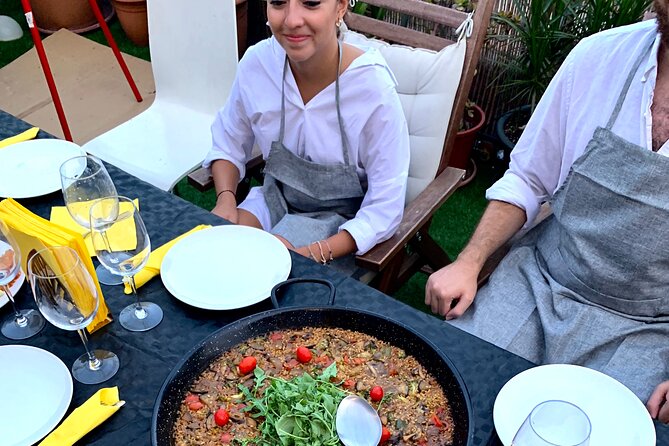
- Cava first: you begin with a glass of cava and a short overview before the cooking starts
- Real hands-on work: chopping, mixing, and cooking steps are part of the experience (though it can vary by class size)
- Paella choices: you can usually go seafood, chicken, or vegetarian-friendly
- A proper dessert: Catalan cream is included, not just a quick sweet bite
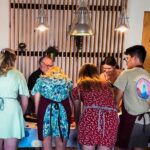
- Small group feel: it’s capped at 20 travelers, which helps you ask questions and stay engaged
- More than paella: you also make Spanish pan tomaquet and learn the sangria side of the meal
Paella with cava: the start that sets the tone
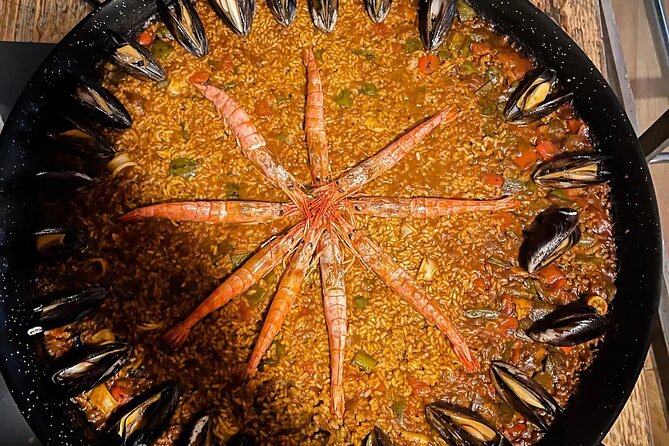
The best cooking classes don’t start with rules. They start with momentum. Here, you get a glass of cava from the chef right at the beginning, along with a quick rundown of what you’ll do and what ingredients you’ll be working with.
That first sip matters more than you’d think. It takes the edge off if you’re new to cooking. It also signals that this isn’t a lecture. You’ll move from explanation to action fast, with the chef close enough to answer questions as you go.
Another quiet win: the class is English offered, and the group is small enough that you’re not shouting across a room. You can ask how a step should look, or what to watch for while cooking, without feeling lost.
You can also read our reviews of more tours and experiences in Barcelona.

The workshop flow: from Spanish pan tomaquet to your paella
Your main event is paella, but the class works because it builds in steps. First comes a starter called Spanish pan tomaquet. Expect that tomato-and-bread style element you can spread and assemble, which is a great warm-up if you’re wondering whether your hands are up to the task.
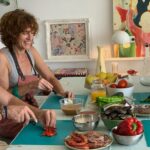
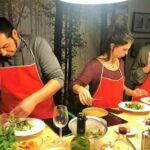
Then you shift into paella prep and cooking. You’re equipped with tools and ingredients, and the chef guides you through how to put the dish together. In practice, that means you’re not just observing. You’re chopping, mixing, and participating in the steps that make the paella come together.
One helpful detail from the way the class is run: the chef’s teaching style tends to be practical and focused on the process. Several chefs have led classes here, including Luc, Christina, Benjamin, and Tommy, and the common thread is they keep things moving while still answering questions. You’ll also hear some story and context about what you’re cooking, even if the focus stays on technique and timing.
A small note to set expectations: hands-on time can vary. When the group is smaller, you’ll often get more opportunities to stir or help through more steps. When the group is larger, some elements may already be partly prepared so the class can stay on schedule. Either way, you’re still leaving with a clear sense of what goes where.
Paella customization that actually helps your group
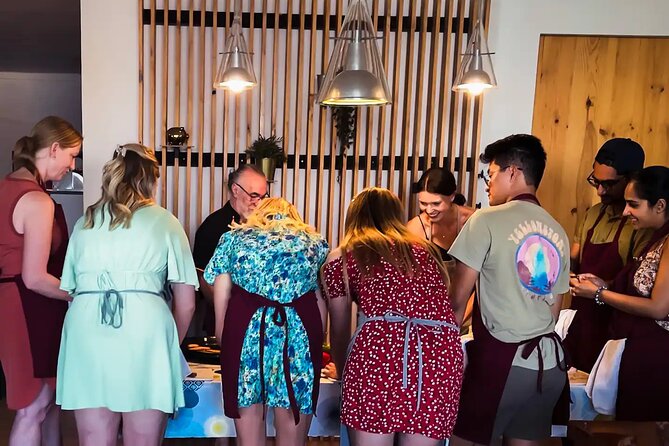
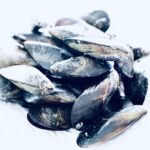
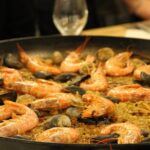
Not every cooking class lets you eat something that matches your preferences. This one does, at least on the core level. Your paella can be customized with seafood, chicken, or a vegetarian-friendly option.
That choice is a real value add for mixed groups. If you’re traveling with someone who doesn’t want seafood, you’re not stuck with a single default. If you’re the “I don’t know what I’m doing” cook in your group, you’re also less likely to feel like you chose the wrong option.
It’s also part of why the class works as a group activity, including family trips. In past experiences, guests have gone with grown sons or paired up as couples, and the format is built for interactive participation.
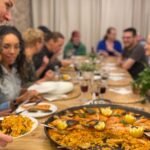
You should still plan for one thing: the class is designed to finish with a shared meal. That means everything is handled in a timeline that keeps the cooking and dining aligned. If you’re hoping for a super slow, detailed cooking clinic, you may want to pick a class type that’s more extended than about 2 hours 30 minutes.
Dessert and the Catalan connection: Catalan cream included
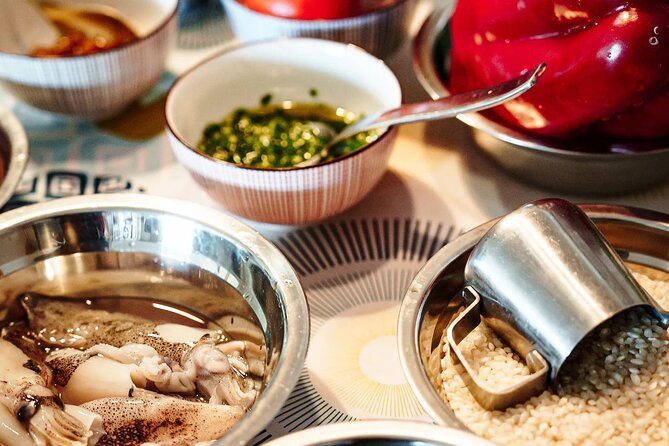
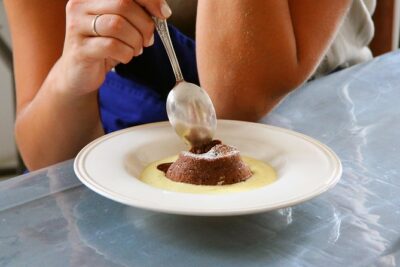
A lot of paella classes end with a snack. This one includes Catalan cream as dessert, which lifts the whole meal from a single-dish event into a real three-course experience.
Dessert matters here because it gives you time to settle, talk, and actually enjoy what you made. After you’ve been working at the stove and asking questions, you don’t want the night to end with a quick plate-to-go. You want to taste the full lineup, and you do.
If you’re a person who likes finishing strong, this is where the class tends to feel complete. People often talk about the meal as the best part of the trip, and dessert is a big part of that impression because it’s included and planned into the flow.
Sangria (or wine) isn’t just a drink—it’s the meal’s finish
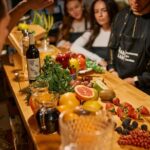
You start with cava, and you finish with sangria or wine during the shared meal. That drink is part of the experience design, not an afterthought.
From what’s described about the sangria, it tends to be refreshing and well balanced, the kind of drink that doesn’t overpower the food. It also pairs nicely with the kind of crowd-pleaser paella you just made and then ate together.
One practical thing: alcohol affects how you experience a cooking class. With sangria and/or wine included, you’ll likely feel more social and relaxed by the time you sit down. That’s good if you came for the fun side of food. If you prefer a lighter evening, you can choose one drink at a time and keep an eye on pace.
Also, the included starter and paella mean you’re not just sipping. You’re tasting through a full menu, with each course giving you something different to think about.
Where you meet in Sant Martí, and why directions matter
You meet at Carrer de Badajoz, 115, Sant Martí, 08018 Barcelona. The activity ends back at the meeting point.
That’s straightforward. The part you should take seriously is the venue and address accuracy. Some people reported that the address listed for their experience was wrong, and others described a venue that felt different from what they expected. In one case, guests said it was hard to locate because there was no signage.
So here’s my practical advice: before you leave, double-check the latest meeting instructions you receive at booking time and follow the directions exactly. Barcelona has plenty of streets that look similar in photos, but not in real life. If you arrive early, you can also get your bearings fast.
Good news: it’s near public transportation, so you’re less likely to be stuck with a long, stressful walk after you leave the class.
Chefs that change the vibe: Luc, Christina, Tommy, and more
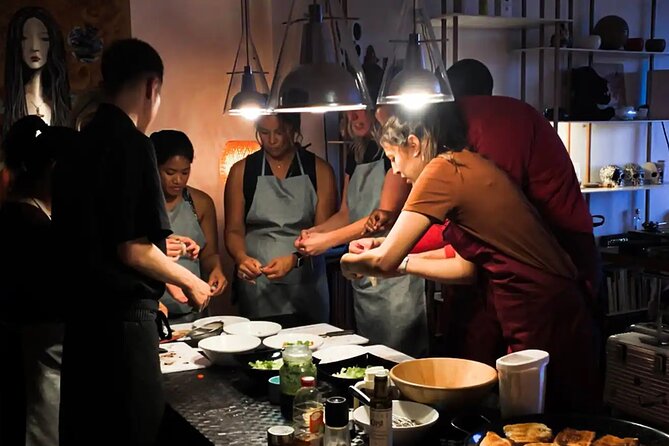
A cooking class lives or dies with the chef’s energy. Here, the chef lineup has included people like Luc, Christina, Benjamin, Martinho, Patrick, Tommy, Alphonso, and Chef Christina.
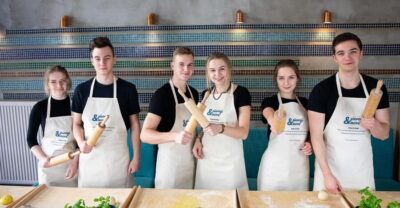
The names show something important: the class is built around a teaching host who can adjust to different groups—first-timers, families, and couples. Many accounts emphasize that the chef stays engaging, gives clear step-by-step guidance, and makes sure people don’t get left behind.
You’ll also notice a pattern in how the class is described. Chefs tend to be funny or warm, but still direct about the cooking. That’s a great mix for beginners because you get confidence without confusion.
So if you care about the personality of your instructor, this class has a strong chance of delivering. The range of chefs suggests the operator understands that a good paella isn’t just technique—it’s atmosphere too.
Price and value: why $120.94 can work (if you want the full meal)
At $120.94 per person for about 2 hours 30 minutes, this isn’t a bargain class. But it can be good value if you factor in what’s actually included.
You’re getting:
- a chef-led cooking workshop with tools and ingredients
- a starter: Spanish pan tomaquet
- the main: paella (with customization between seafood, chicken, or vegetarian-friendly)
- dessert: Catalan cream
- drinks: cava at the start and sangria or wine with the meal
That means you’re not paying only for instruction. You’re paying for the full experience: cooking time, food production, and then the meal on top.
In Barcelona, a sit-down meal plus drinks can add up quickly. If you were already planning to eat well and add one hands-on activity, this class can feel like a two-for-one: learning plus dinner.
If you’re the kind of traveler who only wants a quick taste and doesn’t care about dining together at the end, you might feel the price more. But if you want a structured evening with a real meal attached, it’s easier to justify.
Who this class suits best (and who should think twice)
This class is a strong fit if you:
- want a small-group food activity that breaks up the city routine
- like hands-on learning rather than watching
- travel with friends or family and want everyone involved
- want a menu that goes beyond paella to include starter, dessert, and drinks
It may be less ideal if:
- you expect a specific “wow” setting every time (some venues reportedly didn’t match expectations, and a few people mentioned issues with signage or outdoor comfort)
- you need heavy, uninterrupted hands-on work for every participant in a large group
- you’re booking very close to travel dates and can’t handle schedule changes driven by group minimums
One more practical point: this is an evening plan, not an early-morning one. You’ll be cooking and then eating, so plan your day to avoid rushing.
Should you book Barcelona Authentic Paella and Sangria?
If your priority is a fun, structured cooking night with a real meal at the end, I think this is a smart booking. The class design hits the big wins: cava to start, paella you customize, a three-course menu including Catalan cream, and sangria or wine with the shared meal. The small group size (max 20) also makes it easier to ask questions and stay involved.
My main caution is location and venue expectations. Barcelona is flexible, and so can be setups. Before you go, confirm the exact meeting details you’re given at booking, and arrive a few minutes early so you can find the place without stress.
If you want a memorable Barcelona food experience that feels both social and practical, book this one—then spend the walk there looking for the small neighborhood streets around Sant Martí. That’s often where the best evenings start.
FAQ
How long is the Barcelona paella and sangria cooking class?
It runs for about 2 hours 30 minutes.
What does the class include for food and drinks?
You start with a glass of cava. You’ll make Spanish pan tomaquet, cook paella (customizable with seafood, chicken, or vegetarian-friendly options), and finish with Catalan cream. The shared meal includes sangria or wine.
Is the class offered in English?
Yes, the experience is offered in English.
Where is the meeting point?
The start is at Carrer de Badajoz, 115, Sant Martí, 08018 Barcelona, Spain, and the activity ends back at the meeting point.
How large is the group?
The tour/activity has a maximum of 20 travelers.
What’s the cancellation policy?
You can cancel for a full refund if you cancel up to 24 hours in advance of the experience start time.
Are service animals allowed?
Yes, service animals are allowed.