REVIEW · CAPE TOWN
Cape Town: Cape Malay Cooking Class in Bo-Kaap
See Prices & Book →Operated by Cape Malay Cook Up
Spice and stories in Bo-Kaap. This Cape Town class is a hands-on Cape Malay cooking experience in a real neighborhood home, where you learn what makes the cuisine different and then enjoy the meal you made.
What I especially like is the balance: cooking skills plus a first-hand history lesson from a local resident, with plenty of time for real conversation.
The second big plus is how inclusive it feels. Many people described being encouraged to participate in chopping, folding, and stirring, not standing off to the side. One consideration: after cooking, you may need to walk down a steep path to the dining area, so if you have mobility or back issues, it’s worth checking ahead.
In This Review
- Key things to know before you cook Cape Malay in Bo-Kaap
- Cape Malay cooking: what’s different from the usual South Africa menu
- In the kitchen for two hours: how the session really flows
- The three-course meal: what you’ll be able to cook again later
- Starter work: getting flavor right from the first bite
- Main course: the curry moment
- Dessert: part of the class rhythm, sometimes partly prepped
- Bo-Kaap at table level: why the setting changes how you taste
- Hosts matter: warm guidance you can actually use
- Price and value: is $52 for 2 hours worth it?
- Practical logistics: transportation, stairs, and what to pack
- Who should book this cooking class?
- Should you book Cape Town’s Bo-Kaap Cape Malay cooking class?
- FAQ
- How long is the Cape Town Cape Malay cooking class in Bo-Kaap?
- What’s included in the price?
- What will I cook during the class?
- Is alcohol included?
- Where does the experience take place?
- What language is the host or greeter?
- Do I need transportation to get there?
- Can I get a refund if my plans change?
- What’s the booking payment option?
Key things to know before you cook Cape Malay in Bo-Kaap
- A real 3-course meal, made by you: You prepare a starter, main, and (as part of the session flow) dessert using authentic spices and fresh ingredients.
- Malay spice technique is the star: You’ll learn why certain spice blends and methods work the way they do, not just what goes into a dish.
- You’re in the home, not a studio: Hosts welcome you into their space, and the setting naturally leads to family and community stories.
- Everyone participates: Past participants praised the interactive format, with hosts guiding each person into the cooking steps.
- Expect home-kitchen logistics: In some sessions, dessert work may be partly prepared earlier, so the real focus stays on the cooking tasks during the class.
Cape Malay cooking: what’s different from the usual South Africa menu
If you’ve mostly associated South African food with braais, stews, and hearty country cooking, Cape Malay cuisine will feel like a twist in the best way. In this Bo-Kaap class, the difference isn’t just ingredients—it’s the way flavors are layered and built.
You’re learning a style where spices show up early and often, and where sweetness, warmth, and heat can sit next to each other instead of fighting. The class format makes that practical: you don’t just get a lecture on spice blends; you use them while cooking. That’s the learning shortcut.
And because it’s hosted by a local resident from Bo-Kaap, you also get the human side of the story—how food travels, changes, and becomes home food. People mentioned hearing about family traditions and community life as part of the meal. That matters, because Cape Malay dishes are tied to culture, not just recipes on a card.
In the kitchen for two hours: how the session really flows
This experience is designed around a 2-hour interactive session. The pacing is practical: you start with prep work, move into cooking, and finish by sitting down to eat what you made. You’re not stuck with passive watching.
Based on what’s been described, the format isn’t always set up like a classroom where everyone has their own station. One participant noted that the group works together—starter and main tasks are shared, and the dessert component may be set up in advance to keep things moving. Translation for you: if you like clear, step-by-step guidance and don’t want a strict workstation setup, this is a good match.
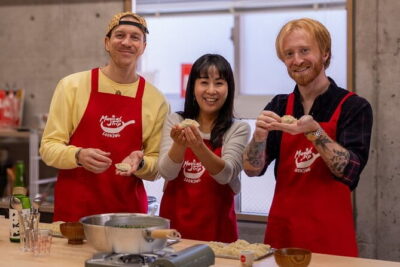
You should also plan to bring a comfortable, curious mindset. Many reviews praised hosts who patiently guided people through techniques and didn’t assume you already knew how to cook. One person highlighted how helpful the guide was at explaining how a samoosa stays together during folding and cooking. That’s the kind of detail you want when you’re actually making food—not just tasting it.
The three-course meal: what you’ll be able to cook again later
The headline here is a three-course Cape Malay meal. The class description is straightforward: you’ll prepare dishes from scratch using spices and fresh ingredients, then eat together afterward.
Starter work: getting flavor right from the first bite
For the starter part, you’ll likely spend time on prep and technique. Several participants specifically called out items like chilli bites and samosas/related pastries and breads. Even when the exact starter varies by class, the skills you learn tend to be transferable:
- how you season and build the base for savory fillings
- how you shape and handle pastry or similar components
- how you manage heat so spices taste aromatic instead of harsh
If you’ve ever tried making samosas at home and they fall apart, this is the reason people gush about the folding and cooking tips. You’re learning the method that makes the food hold its shape.
Main course: the curry moment
The main course is where Cape Malay flavor becomes obvious. In at least one described menu flow, people made a chicken curry and praised how tasty it was. Another key theme in the feedback: the hosts didn’t just point at a recipe—they gave explanations that led to those ah-hah moments.
That’s your value here. A curry can taste different just by timing spices and how you treat aromatics. When you cook the main yourself, you start to understand those differences instead of memorizing steps.
Dessert: part of the class rhythm, sometimes partly prepped
Dessert is included in the overall session, but one participant noted that the dessert was prepared before the moment they sat down to eat. So for you, the realistic expectation is this:
- You’ll still leave with a clear sense of what dessert is in this meal flow.
- But you may not be doing every single dessert step live during the two hours.
That isn’t necessarily a downside. It can actually be a smart setup that keeps the focus on the cooking tasks that teach you the most.
Bo-Kaap at table level: why the setting changes how you taste
Bo-Kaap is one of those Cape Town neighborhoods where the food and the place talk to each other. In this class, you’re not just passing through. You’re in a home in Bo-Kaap, with a host who can connect what you’re making to where it comes from.
That’s why so many reviews mentioned conversations that felt natural—talk about family, local traditions, and community life happening alongside the meal. Food tastes better when someone explains what matters to them about it.
Also, the neighborhood context helps you understand why Cape Malay food relies on strong spice identity. You’re tasting a living tradition, not an abstract museum exhibit.
Hosts matter: warm guidance you can actually use
A cooking class succeeds or fails on the host. Here, the feedback is extremely consistent: people praised the way hosts welcome you into their home and how patiently they guide the group.
Names that came up in past bookings include Shafeeqah, Fuad, Jacinda, and Jasmina. While you can’t count on any one specific person, the pattern is clear: the host role here is part chef, part teacher, and part storyteller.
You’ll likely notice three things while cooking:
- The host encourages participation instead of hovering
- You get technique guidance tied to what you’re doing (like folding and handling pastry)
- The kitchen stays organized and clean, which makes cooking feel less stressful
One review specifically praised the cleanliness and well-equipped kitchen, which is worth noting if you’re sensitive to hygiene or hate feeling like you’re cooking with random tools.
Price and value: is $52 for 2 hours worth it?
At $52 per person for a 2-hour session with a cooking class plus lunch and soft drinks, the value is strong—mainly because you’re getting three things at once:
1) A guided class where you actively cook
2) The included meal at the end
3) Cultural context delivered by a local resident
If you compare it to the cost of eating out in Cape Town, you’re not paying for a single plate. You’re paying for instruction and a full meal made in real time. And because multiple people described it as one of the best meals they had in Cape Town, the food quality seems to match the teaching effort.
A second value point: the price includes soft drinks and lunch. That turns the booking into a simpler decision on a travel day. You don’t need to plan extra food stops afterward.
Practical logistics: transportation, stairs, and what to pack
Transportation isn’t included, so plan how you’ll get to Bo-Kaap on your own. If you’re using rideshare or taxis, give yourself time—Bo-Kaap streets can be winding, and you may have to walk a bit even if you’re close.
Here’s the most important physical heads-up: one participant pointed out that reaching the dining time involved walking down a pretty steep path. If you have a severe back injury, knee issues, or balance concerns, I’d treat that as a key factor. Ask ahead about the walking distance and steps so you can decide comfortably.
What to wear:
- closed-toe shoes with decent grip
- layers, since homes can run warm or cool depending on the kitchen setup
- an apron isn’t mentioned, so wear clothes you don’t mind getting small spice smells
Also, note the rule: alcohol and drugs aren’t allowed. Soft drinks are included, so you won’t leave thirsty—but if alcohol is part of your usual meal-out vibe, this is more of a family-home experience than a party setting.
Who should book this cooking class?
This is a great fit if you want:
- hands-on cooking time with guidance
- a meal that comes with context, not just flavor
- an authentic Bo-Kaap connection through local conversation
- a social activity that still feels personal because it happens in a home kitchen
It also suits:
- couples and solo travelers who like meeting people
- visitors who want a practical skill to take home, like curry base techniques or pastry handling
It might be less ideal if:
- you need a fully flat, step-free environment (because of the steep walking element described)
- you only want a cooking demo with no participation (this class is set up for you to cook)
Should you book Cape Town’s Bo-Kaap Cape Malay cooking class?
I’d book it if you want a two-hour experience that gives you more than a tasty lunch. The best reason to go is the blend of spice-led cooking plus real cultural storytelling from a local resident. At $52 with lunch and soft drinks included, the math works, especially if you prefer learning by doing.
Only hold off if your mobility needs make steep walking an issue, or if you dislike interactive group cooking formats. If that’s you, ask about the path to the dining area before you pay.
If you can handle a little walking and you’re curious about Cape Malay flavors, this is the kind of Cape Town activity that turns into an everyday cooking skill when you get home.
FAQ
How long is the Cape Town Cape Malay cooking class in Bo-Kaap?
It runs for 2 hours.
What’s included in the price?
The class includes cooking instruction, lunch, and soft drinks.
What will I cook during the class?
You’ll prepare a popular 3-course Cape Malay meal from scratch.
Is alcohol included?
No. Alcohol and drugs are not allowed.
Where does the experience take place?
In the Bo-Kaap neighborhood in Cape Town.
What language is the host or greeter?
English and Afrikaans.
Do I need transportation to get there?
Transportation is not included.
Can I get a refund if my plans change?
Free cancellation is available up to 24 hours in advance for a full refund.
What’s the booking payment option?
Reserve now and pay later is available, so you can book without paying immediately.